
• Skip to primary navigation
  • Skip to main content
  • Skip to primary sidebar
  • Home
  • About
  • Contact
  • Privacy Policy
  • START HERE
  • Nav Social Menu

    • Facebook
    • Instagram
    • Pinterest
    • YouTube
Prepare + Nourish logo
  • Recipes
  • Shop
  • Subscribe
menu icon
go to homepage
subscribe
search icon
Homepage link
  • Home
  • Recipes
  • Shop
  • Dinner, Decoded
  • About
  • Contact
  • Privacy Policy
  • First Time? Start Here
    • Facebook
    • Instagram
    • Pinterest
    • YouTube
  • ×
    Home » Recent Recipes

    Mimosa Salad (Layered Tuna Salad)

    layered mimosa salad with tuna and egg.

    Mimosa Salad is a Russian layered tuna salad with shredded potatoes, carrots, mozzarella, eggs, and pickles. It’s a great make-ahead salad for holidays - easy to assemble in a springform pan with mayonnaise between layers for moisture, and topped with grated egg yolks for the classic mimosa effect.

    layered mimosa salad with tuna and egg.
    Looking for more holiday dishes? 
    Check out my aspic, Olivier salad, or beef liver pate.
    [feast_advanced_jump_to]

    💡Recipe Overview

    • Prep and Cook Time: 45 minutes to prep and 15 minutes cook time and a few hours of chilling time
    • Cooking Method: Stove-top
    • Dietary Info: Whole30, Paleo, Ancestral diet
    • Tools Needed: pie pan or springform pan
    • Skill Level: Moderate

    What is an ancestral diet? Read my post on what nourishing foods are based on the traditional dietary principles of the Weston A. Price Foundation.

    Mimosa Salad (Not the Cocktail, Not the Fruit Salad)

    Mimosa Salad is a layered tuna salad that might look like just another mayo-and-vegetable dish, but it’s actually surprisingly nourishing. This Russian/Soviet-era salad is traditionally served for holidays and celebrations, and it combines practical ingredients with satiety, flavor, and nutrients (yes, really!). The potatoes give you a bit of resistant starch, the pickles sneak in some probiotics, and the tuna or sardines (especially sardines!) pack in protein and omega-3s.

    Its name comes from the Russian mimosa tree, thanks to those sunny, grated egg yolks on top, and it’s in the same family as holiday classics like aspic (meat jelly) and Olivier salad.

    I usually make it ahead of time - in fact, you want to make it ahead of time to let the mayo layer seep in - which means I can check off “holiday dish” without standing over the stove at the last minute. I’ve already made it three times this month, and it doesn’t get old. And if there are any leftovers, it makes a great balanced breakfast!

    image of Prepare and Nourish owner

    Ingredients for Mimosa Salad

    ingredients for mimosa salad.

    Potatoes (I prefer Yukon gold potatoes, but was out and used russets instead) form the base of the salad and provide bulk and texture, while carrots add another vegetable layer. Eggs are used in two ways: the egg whites are grated and combined with shredded mozzarella cheese to create a cohesive layer, since the egg whites alone are not enough, and the yolks are reserved to be grated on top for the classic mimosa effect.

    The fish layer includes canned tuna, sardines, or hot smoked salmon - see the next section on fish options for guidance on selecting and adjusting the fish. Diced pickles add a nice crunch, while mayonnaise serves as the binder to keep the layers moist. Finally, fresh parsley or dill is added as garnish. You can also go crazy and add small scoops of salmon roe.

    Subs & Variations: Fish Options

    canned fish.

    Mimosa Salad is traditionally made with tuna packed in oil, which gives it a rich, classic flavor. In this version, I use a combination of tuna in water and sardines for an extra nutrient boost (because we love this sardines on toast!). For holidays or special occasions, hot smoked salmon is a great swap. Costco’s seasonal version adds incredible flavor to this layered salad, and though it's not wild and has questionable ingredients, I'll allow it for holidays. Ha! You’ll want at least 10-12 ounces of fish, but you can go up to 1 pound if you prefer a meatier salad. If you’re using tuna or sardines, be sure to increase the mayonnaise slightly so the fish layer stays well-seasoned and flavorful.

    graphic of fork and spoon connected in a plant.

    Make it Nourishing

    At first glance, this salad is unassuming, with layers of mayonnaise between starchy vegetables, but it can also be quite nourishing. Potatoes contain resistant starch that supports digestion and blood sugar balance when cooked and cooled (which is necessary in this recipe). My fermented pickles provide natural probiotics, and using homemade mayonnaise lets you control the quality of the oil. And we haven't even touched on the tinned fish (a total superpower, IMHO). Sardines, in particular, provide omega-3 fatty acids, calcium, and vitamin D, making the salad even more nutrient-dense (that's why I try to include sardines into any canned tuna recipe - I consider it my superpower and my toxic trait). All of these simple swaps make this salad so nutrient-dense and satisfying.

    slice of layered mimosa salad with tuna and egg.

    How to Make Mimosa Salad

    ingredients in layering the tuna salad.

    Step 1. Prep

    Boil the potatoes and carrots in salted water until tender (carrots will have a shorter cook time). Hard boil the eggs. Drain, cool, then shred the potatoes and carrots. Grate the mozzarella and eggs, keeping the yolks separate for the mimosa topping.

    canned fish in a glass bowl with mayonnaise.

    Step 2. Combine

    Drain the tinned tuna and sardines, reserving the oil. In a small bowl, gently mix the fish with a little bit of mayonnaise, salt, and pepper, keeping the mixture slightly chunky. Add a little reserved oil if needed to moisten.

    steps on how to layer mimosa salad.

    How to Layer Mimosa Salad

    1. Place a springform pan ring on your serving plate. Start with a layer of shredded potatoes, pressing lightly to form an even base. Spread a thin layer of mayonnaise over the potatoes.
    2. Next, spread the tuna-sardine mixture evenly on top of the potatoes. I like to use the back of a fork to evenly spread it across.
    3. Spread a layer of diced pickles evenly over the tuna mixture, making sure to spread towards the edges.
    4. Next, spread the shredded carrots over the pickles and again, using a fork, then my fingers to gently press them into the pickle layer.
    5. Lightly coat with mayonnaise.
    6. Combine the grated mozzarella with the grated egg whites and spread this mixture evenly on top. Spread the remaining mayonnaise over the cheese and egg whites, sealing the salad well. Lightly press the salad with the back of a spoon or spatula to hold its shape.
    mimosa salad assembled in a springform pan, with a side bowl of crumbled egg yolks ready to be sprinkled on top.

    Step 3. Assemble

    Using the back of a fork, mash up the egg yolks into crumbles. Sprinkle evenly over the top of the salad for the classic mimosa effect.

    crumbled egg yolks sprinkled on top of the mimosa salad.

    Step 4. Chill

    Cover the salad with plastic wrap and refrigerate for at least an hour or overnight so the layers set. Remove the springform pan. Garnish with parsley, dill, salmon roe, or thinly sliced cherry tomatoes.

    Helpful Tips

    1. Assemble in advance - This salad can be made up to 24 hours ahead. Keeping it chilled allows the layers to set, making slicing easier and presentation neat. 
    2. Prep ahead - Cook all the ingredients (potatoes, carrots, eggs) the night before assembling. Cooling overnight makes shredding much easier and speeds up assembly the next day. I like to use a medium grater for potatoes, eggs, and cheese and a finer small grater for the carrots but that's a personal preference.
    3. Presentation - You can assemble the salad in a springform pan ring without the bottom for a clean look, or just use a regular pie dish. To make a wreath, use a large springform pan without the bottom and place a donut or biscuit ring in the center.

    Essential Tools

    Chances are everything you need to make this layered tuna salad, you already have. But if you wanted to make it nice and pretty with clean lines, I recommend these items:

    • Springform Pan Set: I have this set of 3 that I use anytime I want to make something fancy. In fact, I use this most often for salads and savory foods than desserts.
    • Biscuit Cutter Set: I use the large one to place in the center of the springform pan when I want to make a "wreath" shape mimosa salad. Apparently, these also make great donuts and biscuits.
    • Box grater: A box grater with large and fine grates/holes.
    layered mimosa salad with tuna and egg.

    Serving Suggestions

    Mimosa Salad is traditionally served chilled as a layered salad, often sliced or portioned directly from a trifle bowl or a pie plate. It can be presented as part of a holiday spread, a potluck, or a family meal, and it works well alongside other dishes.

    For everyday meals, serve it with a house salad and oven-roasted whole chicken. For holidays or gatherings, pair it with spatchcock turkey, slow cooker duck, air fryer lamb loin chops.

    Leftover salad can be served the next day as part of a packed lunch or even a great way to start the day (aka breakfast!).

    mimosa salad cut into with a wedge of the layered salad on a white plate.

    Frequently Asked Questions

    How do I store mimosa salad?

    Store leftover mimosa in an airtight container for up to 4 days. These glass snap containers are perfect for leftovers. I don't recommend freezing this. Remove from the fridge about 10-15 minutes before serving to take the chill off slightly and bring out the flavors better. 

    Can I use a different cheese instead of mozzarella?

    Yes, a mild, firm cheese that can be grated works best. Avoid very soft or watery cheeses, as they won’t hold the layers together as well.

    What if the layers don't hold together when slicing?

    Make sure the salad has had enough time to chill - at least an hour, but overnight is ideal. Press each layer lightly as you assemble so the ingredients stick without getting squished. Mixing the egg whites with the mozzarella helps the top layers stay in place, and having enough mayonnaise keeps everything together. If it’s still a little loose, just let it sit in the fridge a bit longer before slicing.

    Do I have to use a springform pan?

    No, a springform pan makes slicing and presentation easier, but you can assemble the salad in a regular dish or even shape it into a mound with a spatula. Just be extra careful when removing or serving so the layers stay intact.

    Looking for similar sides? Here are some ideas:
    • A gray bowl filled with tuna potato salad, with a spoon inside.
      Tuna and Potato Salad with Lemon Dill Dressing
    • Chicken potato salad in a bowl.
      Chicken and Potato Salad
    • cod liver salad with eggs on a white plate with two forks in the bottom left corner.
      Cod Liver Salad with Eggs
    • Chicken live pate on a glass jar with crackers on the side.
      Chicken Liver Pate Recipe
    Did you make this mimosa salad? Please leave a ⭐⭐⭐⭐⭐ recipe rating in the recipe card below and leave a review in the comments. Thank you!💚

    Printable Recipe

    layered mimosa salad with tuna and egg.
    Print Recipe
    No ratings yet

    Mimosa Salad (Layered Tuna Salad)

    Mimosa Salad is a Russian layered tuna salad with shredded potatoes, canned tuna, carrots, mozzarella, eggs, and a creamy mayo base.
    Prep Time45 minutes mins
    Cook Time15 minutes mins
    Chilling Time1 hour hr
    Total Time2 hours hrs
    Course: Side Dish
    Cuisine: European, Russian, Slavic
    Keyword: layered tuna salad, mimosa salad
    Servings: 12 servings
    Calories: 245kcal
    Author: Anya @ Prepare & Nourish

    Ingredients

    • 3 medium potatoes
    • 3 large carrots
    • 8 eggs
    • 10-12 ounces canned tuna, sardines, or hot smoked salmon
    • ½ cup shredded mozzarella cheese
    • 3 pickles diced
    • 1 cup mayonnaise
    • 1 tablespoon fresh parsley or dill
    • salt and pepper to taste

    Instructions

    Prep

    • Boil the 3 medium potatoes and 3 large carrots in salted water until tender, about 10-15 minutes. Drain and let cool. Separately, boil the 8 eggs for about 10 minutes, then cool and peel.
    • Using a box grater, shred the cooled potatoes using the medium holes and shred the carrots using the fine holes. Then grate the ½ cup shredded mozzarella cheese and eggs using the medium or fine holes, depending on your texture preference. Keep the yolks separate for mimosa topping. Finely dice the 3 pickles.
    • Drain the 10-12 ounces canned tuna, sardines, or hot smoked salmon, reserving the oil. Place the fish in a small bowl and add 2 tablespoons of mayonnaise, along with a pinch of salt and pepper. Stir gently until combined, keeping the mixture slightly chunky. If it seems dry, add a little of the reserved sardine oil to moisten.

    Assembling

    • Place a springform pan ring on your serving plate. Start with a layer of shredded potatoes, pressing lightly to form an even base. Spread a thin layer of 1 cup mayonnaise (divided) over the potatoes.
    • Next, spread the tuna-sardine mixture evenly on top of the potatoes.
    • Spread a layer of diced pickles evenly over the tuna mixture, making sure to spread evenly towards the edges.
    • Next, spread the shredded carrots over the pickles and lightly coat with mayonnaise.
    • Combine the grated mozzarella with the grated egg whites and spread this mixture evenly on top. Spread the remaining mayonnaise over the cheese and egg whites, sealing the salad well. Lightly press the salad with the back of a spoon or spatula to hold its shape.
    • Using the back of a fork, mash up the egg yolks into crumbles. Sprinkle evenly over the top of the salad for the classic mimosa effect.

    Chilling & Serving

    • Cover the salad with plastic wrap and refrigerate for at least an hour or overnight so the layers set.
    • Carefully remove the plastic wrap and springform pan. Slice or lift portions with a spatula, and optionally garnish with1 tablespoon fresh parsley or dill.

    Notes

    Storage: Store the leftover mimosa salad in an airtight container in the fridge for up to 4 days. It stores well over time and the layers become more pronounced. Remove from the fridge about 10-15 minutes before serving to take the chill off slightly and bring out the flavors better. 
    Helpful Tips: 
    1. Assemble in advance - This salad can be made up to 24 hours ahead. Keeping it chilled allows the layers to set, making slicing easier and presentation neat. 
    2. Fish options - You can use canned tuna in water, tuna in oil, sardines in oil, or even hot smoked salmon - any combination to make about 10 ounces of fish. 
    3. Prep ahead - Cook all the ingredients (potatoes, carrots, eggs) the night before assembling. Cooling overnight makes shredding much easier and speeds up assembly the next day. 
    4. Presentation - You can assemble the salad in a springform pan ring for a clean look, or try a Bundt pan for a fun twist. Line the pan with plastic wrap, assemble the layers in reverse, then carefully invert onto a serving plate. Reserve the egg yolks to grate on top after unmolding for the classic mimosa effect. If you don’t have a pan, you can shape the salad into a mound using a spatula.

    Nutrition

    Calories: 245kcal | Carbohydrates: 10g | Protein: 10g | Fat: 18g | Saturated Fat: 4g | Polyunsaturated Fat: 9g | Monounsaturated Fat: 5g | Trans Fat: 0.05g | Cholesterol: 129mg | Sodium: 386mg | Potassium: 337mg | Fiber: 2g | Sugar: 2g | Vitamin A: 2822IU | Vitamin C: 10mg | Calcium: 65mg | Iron: 1mg

    Delicata Squash Au Gratin with Gruyere Cheese

    baked delicata squash gratin in a baking dish, topped with melted cheese and breadcrumbs, golden.

    Delicata Squash Au Gratin with Gruyère, Parmesan, garlic, shallots, and cream turns into a soft and creamy side dish. The squash cooks until tender and the cheese melts into the warm sauce. It is an easy recipe that fits both weeknight meals and holiday menus.

    plated slice of Delicata Squash Au Gratin with a crispy breadcrumb topping, served beside the full gratin in a cast-iron skillet.
    Looking for more squash recipes? 
    Check out scalloped butternut squash, spaghetti squash rings, and hasselback butternut squash.
    [feast_advanced_jump_to]

    💡Recipe Overview

    • Prep and Cook Time: 20 minutes to prep and 40 minutes to bake
    • Cooking Method: Oven-baked, Stove-top
    • Dietary Info: Primal, GAPSish, Ancestral diet
    • Skill Level: Moderate

    What is an ancestral diet? Read my post on what nourishing foods are based on the traditional dietary principles of the Weston A. Price Foundation.

    Reasons to Keep This on Repeat

    I love this Delicata Squash Au Gratin because it’s exactly what I want during squash season. The squash is tender and naturally sweet, and the creamy, cheesy sauce bakes up beautifully without any fuss. It feels special enough for holiday dinners but easy enough to make on a weeknight next to my husband's steak.

    I’ve already made it three times this month alone, and it doesn’t get old. It’s the kind of dish that hits all the seasonal notes I’m looking for: simple, flavorful, and full of winter squash goodness.

    image of Prepare and Nourish owner

    Ingredients for Delicata Squash Au Gratin

    ingredients for delicata squash au gratin.

    This recipe uses delicata squash as the base, which has a thin, edible skin that softens as it bakes, so there is no need to peel it. Butter is used to cook the shallots and prevent sticking, while also adding fat to the sauce. Garlic and fresh thyme add savory flavor without overpowering the squash. Heavy cream is important for a sauce that thickens properly in the oven and holds its texture after baking. Gruyère cheese and Parmigiano Reggiano melts smoothly and works well in baked dishes and a simple seasoning of sea salt and black pepper is enough to balance everything out. Finally, breadcrumbs are optional if you want a crisp top layer, though the dish works just as well without them.

    Substitutions and Variations

    • Onion Swap - No shallots? Swap it with yellow or sweet onions; flavor will be a bit stronger though.
    • Cheese sub - Gruyère can be replaced with fontina, Comté, or Swiss. Parmigiano Reggiano can be swapped with Pecorino Romano or another hard, salty cheese.
    • Topping - Breadcrumbs can be omitted completely or replaced with crushed crackers for texture.
    baked delicata squash gratin in a baking dish, topped with melted cheese and breadcrumbs, golden and bubbly.

    How to Make Baked Delicata Squash

    The complete printable recipe is below in the recipe card for your convenience. Follow these simple step-by-step instructions for the best results.

    delicata squash sliced and arranged evenly in a baking dish for even cooking.

    Step 1. Cut

    Cut the ends of the squash and remove all seeds with a small spoon. Slice squash ⅛–¼ inch thick so it cooks evenly. If it's easiest, feel free to cut the squash in half lengthwise, then in half moons. Arrange delicata slices evenly in the baking dish.

    sautéed garlic and shallots sizzling in butter in a stainless steel pan.

    Step 2. Cook

    In a skillet over medium heat, melt butter. Add shallots and cook until soft and lightly golden, 8–10 minutes. Add garlic and thyme leaves and cook 1 minute more or until fragrant.

    heavy cream added to a pan over medium-low heat, being stirred and gently simmered until slightly thickened.

    Step 3. Simmer

    Reduce heat to medium-low. Pour in heavy cream and stir. Simmer gently (do not boil) for a few minutes, until slightly thickened. Season with salt and pepper.

    gruyère and parmesan cheeses being stirred into a pan, melting into a smooth, creamy sauce.

    Step 4. Stir

    Stir in half of the Gruyère cheese and half of the Parmesan cheese until fully melted into a silky sauce.

    onion-cream sauce poured over delicata squash, spread evenly with a spoon to coat all slices.

    Step 5. Pour

    Pour the warm onion-cream sauce over the top, coating the top of the squash with the back of a spoon.

    gruyère and parmesan cheese, along with breadcrumbs, sprinkled over squash in a baking dish.

    Step 6. Bake

    Sprinkle the remaining Gruyère and Parmesan, then the breadcrumbs if using. Cover loosely with foil and bake, then uncover and bake a little bit more, until golden, bubbly, and squash is tender. Remove from oven and allow to rest before serving so it sets a little.

    Helpful Tips

    1. Topping lost its crisp - Reheat uncovered so the breadcrumbs and cheese can crisp back up instead of steaming. 
    2. Extra liquid appears after refrigerating - That's totally normal. I would carefully pour it out or spoon it out and reheat as instructed. The sauce will tighten as it warms. 
    💭Make-Ahead Suggestion!
    This au gratin can be prepared ahead and baked just before serving, which makes it great for hosting. Assemble the squash and cream sauce in the baking dish, including the cheese, but do not add the breadcrumbs yet. Cover tightly and refrigerate for up to 24 hours.

    When ready to bake, remove the dish from the refrigerator while the oven preheats. Sprinkle with breadcrumbs, cover loosely with foil, and bake as directed, adding an extra 5-10 minutes to account for the chilled dish. Let rest before serving.
    serving of baked delicata squash gratin on a plate with a fork, with the full gratin in a baking dish blurred in the background.

    Serving Suggestions

    This creamy baked delicata squash is traditionally served as a warm side dish, especially during fall and winter meals (when winter squashes are in season). It pairs great with whole roasted chicken, slow cooker duck, or air fryer lamb loin chops, making it an excellent option for holiday tables or special occasions.

    For a lighter meal, pair it with a simple house salad and grilled protein for a well rounded meal.

    baked delicata squash gratin in a baking dish, topped with melted cheese and breadcrumbs, golden and bubbly.

    Frequently Asked Questions

    How do I store and reheat delicata squash gratin?

    Store leftover gratin in an airtight container for up to 4 days. These glass snap containers are perfect for leftovers. Reheat in a 325°F oven until warmed through (15-20 minutes). You can also gently reheat on the stovetop in a covered skillet with a splash of cream or broth, but it may lose its gratin shape. I don't recommend freezing. 

    Do I need to peel delicata squash?

    No. Delicata squash has a thin, edible skin that softens as it bakes, so there is no need to peel it. Once cooked, the skin becomes tender and blends right into the dish, saving you prep time while adding a little extra texture and color.

    Looking for more related recipes? Here are some ideas:
    • butternut squash gratin in a baking dish on a kitchen towel.
      Creamy Butternut Squash Gratin with Caramelized Onions
    • spaghetti squash in a ring with fork.
      How to Cut and Cook Spaghetti Squash for Long Strands
    • roasted butternut squash in white bowl.
      Air Fryer Roasted Butternut Squash
    • sliced hasselback butternut squash drizzled with melted butter and finished with a crunchy nut-and-dried-fruit topping, garnished with fresh sage on a white platter.
      Hasselback Butternut Squash with Maple Sage Butter
    Did you make this delicata squash au gratin? Please leave a ⭐⭐⭐⭐⭐ recipe rating in the recipe card below and leave a review in the comments. Thank you!💚

    Printable Recipe

    baked delicata squash gratin in a baking dish, topped with melted cheese and breadcrumbs, golden.
    Print Recipe
    No ratings yet

    Delicata Squash Au Gratin with Gruyere Cheese

    Delicata Squash Au Gratin with Gruyère, Parmesan, garlic, shallots, and cream turns into a soft and creamy side dish. The squash cooks until tender and the cheese melts into the warm sauce. It is an easy recipe that fits both weeknight meals and holiday menus.
    Prep Time15 minutes mins
    Cook Time40 minutes mins
    Resting Time10 minutes mins
    Total Time1 hour hr 5 minutes mins
    Course: Side Dish
    Cuisine: American
    Servings: 6 servings
    Calories: 504kcal
    Author: Anya @ Prepare & Nourish

    Ingredients

    • 2 medium delicata squash
    • 2 tablespoons butter
    • 2 shallots
    • 4 cloves garlic minced
    • 1 teaspoon fresh thyme
    • 1 pint heavy cream
    • 1 cup Gruyère cheese grated
    • ½ cup Parmiggiano cheese grated
    • ½ teaspoons sea salt to taste
    • ¼ teaspoon black pepper
    • ¼ cup breadcrumbs

    Instructions

    • Preheat oven to 375°F (190°C). Butter an 8x8 or similar baking dish. Cut the ends of 2 medium delicata squash and remove all seeds with a small spoon. Slice squash ⅛–¼ inch thick so it cooks evenly. If it's easiest, feel free to cut the squash in half lengthwise, then in half moons. Arrange delicata slices evenly in the baking dish.
    • In a skillet over medium heat, melt 2 tablespoons butter. Add 2 shallots and cook until soft and lightly golden, 8–10 minutes. Add 4 cloves garlic and 1 teaspoon fresh thyme leaves and cook 1 minute more or until fragrant.
    • Reduce heat to medium-low. Pour in 1 pint heavy cream and stir. Simmer gently (do not boil) 3–5 minutes, until slightly thickened. Season with ½ teaspoons sea salt and ¼ teaspoon black pepper.
    • Stir in 1 cup Gruyère cheese and ½ cup Parmiggiano cheese cheese until fully melted into a silky sauce.
    • Pour the warm onion-cream sauce over the top, coating all the squash coating the top of the squash with the back of a spoon.
    • Sprinkle the remaining Gruyère and Parmesan, then ¼ cup breadcrumbs if using. Cover loosely with foil and bake 25 minutes, then uncover and bake 10 minutes more, until golden, bubbly, and squash is tender. Remove from oven and rest 10 minutes before serving so it sets a little.

    Notes

    Storage: Store leftover baked delicata squash gratin in an airtight container in the refrigerator for up to 4 days. Reheat in a 325°F oven until warmed through (15-20 minutes). You can also gently reheat on the stovetop in a covered skillet with a splash of cream or broth, but it may lose its gratin shape. I don't recommend freezing. 
    Helpful Tips: 
    1. Topping lost its crisp - Reheat uncovered so the breadcrumbs and cheese can crisp back up instead of steaming. 
    2. Extra liquid appears after refrigerating - That's totally normal. I would carefully pour it out or spoon it out and reheat as instructed. The sauce will tighten as it warms. 

    Nutrition

    Calories: 504kcal | Carbohydrates: 21g | Protein: 14g | Fat: 42g | Saturated Fat: 26g | Polyunsaturated Fat: 2g | Monounsaturated Fat: 11g | Trans Fat: 0.2g | Cholesterol: 129mg | Sodium: 576mg | Potassium: 678mg | Fiber: 3g | Sugar: 7g | Vitamin A: 3631IU | Vitamin C: 21mg | Calcium: 433mg | Iron: 1mg

    Homemade Apple Cider Vinegar

    two swing-top bottles of homemade apple cider vinegar next to a bowl of fresh apples.

    Learn how to make apple cider vinegar with whole apples or leftover cores and peels. Sugar and water feed natural fermentation, creating tangy vinegar with the mother. Great for dressings, marinades, or daily health routines.

    two swing-top bottles of homemade apple cider vinegar next to a bowl of fresh apples.
    Looking for more healthy fermentation recipes? 
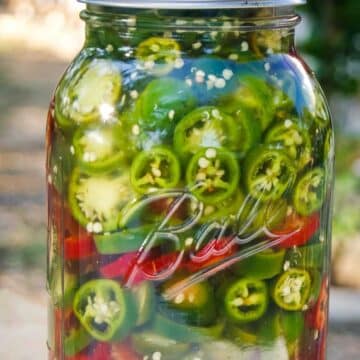
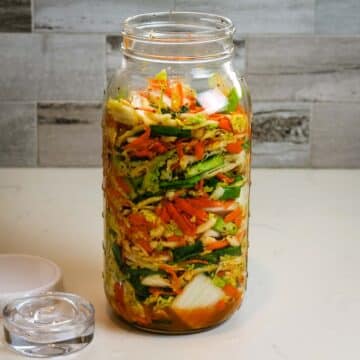
    Check out fermented carrots, fermented pickles, and fermenting jalapenos.
    [feast_advanced_jump_to]

    💡Recipe Overview

    • Prep and Cook Time: 15 minutes to prep, 3-5 weeks to ferment
    • Cooking Method: Fermentation
    • Dietary Info: Paleo, Primal, GAPS, Ancestral diet
    • Tools Needed: Large jar, fermentation weight
    • Skill Level: Easy

    What is an ancestral diet? Read my post on what nourishing foods are based on the traditional dietary principles of the Weston A. Price Foundation.

    From Scraps to Staple

    A friend recently gave me a big bag of apples from their garden, and of course, they weren’t perfect - full of little worm holes and blemishes. But that’s exactly what makes homegrown apples so wonderful for recipes like this: you don’t need perfect fruit to make something delicious. I was honestly surprised at how easy it is to turn scraps and whole apples into homemade apple cider vinegar.

    This recipe is perfect if you want to use up extra apples, avoid waste, and have a kitchen staple you’ll actually reach for every day. I use ACV in place of regular white vinegar all the time - for dressings, cleaning, marinades, and even little daily rituals. A shot of apple cider vinegar keeps the doctor away.

    Just kidding.

    Can't promise that, but what I can promise is that it’s incredibly satisfying to watch the cores and peels slowly transform into tangy, flavorful vinegar over a few weeks. It’s simple, practical, and I love that I get to use up the whole fruit (kinda like nose-to-tail but fruit version 😉).

    image of Prepare and Nourish owner

    Ingredients for Apple Cider Vinegar Recipe

    ingredients for apple cider vinegar with labels.

    For homemade apple cider vinegar, stick with sweet apples like Fuji, Gala, or Honeycrisp - the natural sugars help fermentation along. But feel free to mix in a few tart ones (like Granny Smith) for extra depth. You can use whole apples or scraps such as peels and cores, which is an easy way to reduce waste if you’re already cooking with apples. Since the peels are part of the recipe, organic apples are ideal, and slightly bruised or “ugly” farmers market finds work perfectly. Add a little plain organic granulated sugar to jump-start the ferment, then cover everything fully with water. If any pieces float up, use a fermentation weight or a small clean jar to keep them submerged and avoid mold.

    graphic of fork and spoon connected in a plant.

    Naturally Ancestral

    Apple cider vinegar is more than a kitchen staple - it has deep roots in traditional diets. Long before refrigeration, people used fermentation to preserve fruit, extend shelf life, and unlock nutrients. Making your own ACV honors this ancestral practice: nature’s wild yeasts and bacteria turn simple apples and water into tangy, probiotic-rich vinegar. Using the whole fruit - cores and peels - is the kind of nose-to-tail, whole-food thinking ancestral diets prized, and the slow fermentation mirrors the hands-on approach of traditional food preparation.

    two swing-top bottles of homemade apple cider vinegar next to a bowl of fresh apples.

    How to Make Apple Cider Vinegar Recipe

    The complete printable recipe is below in the recipe card for your convenience. Follow these simple step-by-step instructions for the best results.

    chopped apple scraps sprinkled with sugar inside a clear mason jar, ready for fermentation.

    Step 1. Chop

    Coarsely chop the apples into chunks and fill the jar about ⅔ to ¾ full with apples. Sprinkle granulated sugar over the apples.

    large glass jar filled with chopped apples and liquid for fermentation.

    Step 2. Add

    Add water to the jar ensuring the apples are completely submerged. Stir the apples, sugar, and water with a wooden spoon.

    large glass jar filled with chopped apples and liquid for fermentation, covered with paper and secured with a rubber band.

    Step 3. Cover

    Cover loosely with a kitchen towel (or a coffee filter). If your scraps float to the top of the jar, add a fermentation weight on top to push them to the bottom. Set the jar in a warm, dark place for 2 weeks.

    large glass jar and measuring cup showing the process of straining fermented apple solids from the liquid.

    Step 4. Strain

    Strain the apple pieces and compost. Return the liquid to the jar. Cover the apple cider vinegar again with a kitchen towel and allow it to sit for another 3-4 weeks. Stir occasionally. Transfer the finished apple cider vinegar to a bottle with a lid. Store it in your fridge.

    Fermentation Timeline

    Once your apples and sugar are combined in a jar, place it in the warmest part of your kitchen (optimal temperature ranging between 65-75°F (18-24°C) to ferment for 2 weeks during the alcohol phase, stirring daily to keep oxygen reaching all the apples and prevent mold.

    After straining out the solids, return the liquid to the jar for the vinegar phase, which takes another 3-4 weeks (or longer if your kitchen runs colder) until it reaches the tanginess you like.

    You'll notice the apple cider vinegar gradually loses its bright, fresh apple aroma and color as the natural yeasts and bacteria consume the sugars and convert them into acetic acid.

    I love sharing photos of each stage because fermentation can feel intimidating at first - but honestly, the transformation is amazing to watch. The timeline below gives you a clear picture of what to expect during the alcohol phase and hopefully, a little extra confidence to stick with the process.

    large glass jar filled with chopped apples and liquid for fermentation, covered with paper and secured with a rubber band.

    Helpful Tips

    1. Use ripe apples or scraps - You can use whole apples or cores and peels from previously used apples. 
    2. Ensure the apples are submerged - Use a fermentation weight to keep floating apple pieces under the liquid to prevent mold. 
    3. Stir daily - Don't forget to stir daily during the alcohol phase to ensure oxygen reaches all the apples for even fermentation. 
    4. Taste test - The second fermentation (vinegar phase) can take 3-4 weeks or longer.

    ACV Recipe Essential Tools

    I don't use special equipment in my ferments like airlocks and other gadgets. Fermentation doesn't have to be hard or intimidating. Here's what you'll need to make this apple cider vinegar:

    • Half-gallon jar: I usually use 64-oz wide-mouth mason jar with a half-gallon capacity for all my ferments. But this flip-top half-gallon jar set is a cute option.
    • Fermenting weight: This is optional, but a glass fermentation weight will help hold all the cucumbers submerged in the pickle juice.
    large glass jar filled with chopped apples and liquid for fermentation, covered with paper and secured with a rubber band.
    Use homemade apple cider vinegar in these recipes:
    • sliced onions in a white bowl with sumac seasoning and parsley.
      Easy Sumac Onions (Marinated Turkish Onion Salad Recipe)
      Cook Time10 Minutes
    • korean carrot salad in white bowl.
      Korean Carrot Salad (Morkovcha Recipe)
      Cook Time1 Hours 30 Minutes
    • Pickled red onions in a white bowl and in a clear jar beside it.
      Quick Pickled Red Onions (No Cook!)
      Cook Time35 Minutes
    • House salad dressing inside a clear jar.
      Simple House Salad Dressing
      Cook Time10 Minutes
    two swing-top bottles of homemade apple cider vinegar next to a bowl of fresh apples.

    Frequently Asked Questions

    How do I store homemade apple cider vinegar?

    Store leftover homemade apple cider vinegar in an airtight jar for up to 12 months in the fridge, or keep it at room temperature to continue developing flavor over time.

    Can I speed up the fermentation?

    Fermentation is a slow process, and rushing it can affect flavor and safety. Keeping the jar in a warm, dark spot and stirring daily helps, but the alcohol and vinegar phases still need time to develop fully. Patience is key for a tangy, well-balanced apple cider vinegar.

    What if mold forms on top?

    If you see mold forming on top, it’s best to discard the batch and start over - true mold is fuzzy, raised, and can be black, blue, green, or white. But don’t confuse it with kahm yeast, which is harmless. Kahm yeast looks like a thin, flat, matte film on the surface and can appear slightly bubbly or wrinkled. If that’s what you’re seeing, simply skim it off, keep the jar covered, and let the vinegar continue fermenting.

    Looking for more healthy basics? Here are some ideas:
    • Jar with creamy mayo.
      Homemade Avocado Oil Mayonnaise
    • garlic in olive oil in baking dish.
      Easy Garlic Confit Recipe
    • beef tallow with spoon scooping
      How to Make Beef Tallow from Bone Broth
    • breadcrumbs in a jar.
      Homemade Breadcrumbs
    Did you make this apple cider vinegar recipe? Please leave a ⭐⭐⭐⭐⭐ recipe rating in the recipe card below and leave a review in the comments. Thank you!💚

    Printable Recipe

    two swing-top bottles of homemade apple cider vinegar next to a bowl of fresh apples.
    Print Recipe
    No ratings yet

    Apple Cider Vinegar Recipe

    Learn how to make apple cider vinegar with whole apples or leftover cores and peels. Sugar and water feed natural fermentation, creating tangy vinegar with the mother. Great for dressings, marinades, or daily health routines.
    Prep Time10 minutes mins
    Fermentation Time36 days d
    Total Time36 days d 10 minutes mins
    Course: Ferment
    Cuisine: American
    Keyword: apple cider vinegar, apple cider vinegar recipe, how to make apple cider vinegar
    Calories: 666kcal
    Author: Anya @ Prepare & Nourish

    Ingredients

    • 5-6 whole apples or cores and peels form 8-10 apples
    • ¼ cup granulated sugar
    • 4 cups water

    Instructions

    • Coarsley chop 5-6 whole apples into chunks and fill the jar about ⅔ to ¾ full with apples.
    • Sprinkle ¼ cup granulated sugar over the apples.
    • Add 4 cups water to the jar ensuring the apples are completely submerged. Stir the apples, sugar, and water with a wooden spoon.
    • Cover loosely with a kitchen towel. If your scraps float to the top of the jar, add a fermentation weight on top to push them to the bottom.

    Ferment - Stage 1 - Alcohol Phase

    • Set the jar in a warm, dark place for 2 weeks. Stir once daily to prevent mold from forming and to ensure oxygen reaches the apples. After about a week or son, you should start to smell a slight alcohol or hard cider scent.

    Strain & Ferment - Stage 2 - Vinegar Phase

    • Strain the apple pieces and compost. Return the liquid to the jar. Cover the apple cider vinegar again with a kitchen towel and allow it to sit at room temperature for another 3-4 weeks for it to ferment further. Stir occasionally. You'll notice a vinegary smell develop as acetic acid forms.
    • Once it tastes tangy and vinegary to your liking, transfer the finished apple cider vinegar to a bottle with a lid. Store it in your fridge.

    Notes

    This recipe will yield approximately 1 quart. 
    Storage: Store the fermented ACV in a tightly sealed bottle in the fridge for up t0 12 months. You can also keep it at room temperature and it will continue to develop flavor over time. Always use a clean spoon or measuring cup when handling ACV to prevent contamination. 
    Helpful Tips: 
    1. Use ripe apples or scraps - you can use whole apples or cores and peels from previously used apples. 
    2. Ensure the apples are submerged - use a fermentation weight to keep floating apple pieces under the liquid to prevent mold. 
    3. Stir daily - don't forget to stir daily during the alcohol phase to ensure oxygen reaches all the apples for even fermentation. 
    4. Taste test - the second fermentation (vinegar phase) can take 3-4 weeks or longer. Taste occasionally until it reaches the tanginess you like. 

    Nutrition

    Calories: 666kcal | Carbohydrates: 175g | Protein: 2g | Fat: 2g | Saturated Fat: 0.3g | Polyunsaturated Fat: 0.5g | Monounsaturated Fat: 0.1g | Sodium: 57mg | Potassium: 975mg | Fiber: 22g | Sugar: 145g | Vitamin A: 491IU | Vitamin C: 42mg | Calcium: 83mg | Iron: 1mg

    Hasselback Butternut Squash with Maple Sage Butter

    sliced hasselback butternut squash drizzled with melted butter and finished with a crunchy nut-and-dried-fruit topping, garnished with fresh sage on a white platter.

    Hasselback butternut squash is roasted with thin slices brushed in maple-sage butter and topped with toasted walnuts and cranberries. The squash caramelizes in the oven, while the nuts and cranberries add crunch and sweetness.

    sliced hasselback butternut squash drizzled with melted butter and finished with a crunchy nut-and-dried-fruit topping, garnished with fresh sage on a white platter.
    Looking for more squash recipes? 
    Check out butternut squash gratin, how to cook spaghetti squash, and air fryer butternut squash.
    [feast_advanced_jump_to]

    💡Recipe Overview

    • Prep and Cook Time: 15 minutes to prep and 35–40 minutes to bake
    • Cooking Method: Oven-baked
    • Dietary Info: Primal, Gluten-free, Grain-free, Ancestral diet
    • Tools Needed: Sheet pan
    • Skill Level: Moderate

    What is an ancestral diet? Read my post on what nourishing foods are based on the traditional dietary principles of the Weston A. Price Foundation.

    This Squash is Having it's Moment - Here's Why!

    I love this recipe because it feels totally holiday-worthy without being heavy or over-the-top. The maple butter and fresh sage give it all those cozy fall flavors, but the squash itself stays light and naturally sweet. And the texture is incredible - the hasselback slices create those caramelized edges and buttery, tender centers in every bite.

    There’s also something so unique and special about hasselbacking anything. AmIright? It instantly makes the dish stand out and look more impressive than the effort it actually requires (which is always a win in my book!).

    I first shared this on Instagram, and so many of you made it for your Thanksgiving tables. It’s become one of those recipes that’s beautiful enough for a celebration, but simple enough to make throughout the fall and winter as long as you have butternut squash in your pantry.

    image of Prepare and Nourish owner

    Ingredients for Butternut Squash Hasselback

    ingredients for hasselback butternut squash.
    • Squash – One medium butternut squash, peeled and coated lightly in olive oil (not pictured). Pre-roasting softens it just enough so you can cut clean, even Hasselback slices, without fighting the knife.
    • Maple sage butter – This is what will give the butternut squash lots of flavor. I melt most of the butter with maple syrup, fresh sage, and a pinch of salt until it turns golden and fragrant. This gets brushed between the slices so the squash caramelizes as it roasts.
    • Toppings – A simple mix of walnuts and dried cranberries sautéed in the remaining butter. The walnuts add crunch, and the cranberries bring a little tartness to balance the sweetness of the squash.
    • Flaky salt – A sprinkle at the end ties everything together and makes the flavors pop. Plus, it makes the dish look extra.

    Substitutions and Variations

    • Other herbs - I have sage growing in my garden but feel free to swap that with rosemary or thyme, both of which will add great flavor to the maple butter.
    • Other nuts and dried berries - Swap the walnuts and cranberries for any nuts or dried berries you have. Pecans, almonds, dried cherries, or apricots all work well.
    sliced hasselback butternut squash drizzled with melted butter and finished with a crunchy nut-and-dried-fruit topping, garnished with fresh sage on a white platter.

    How to Make Hasselback Butternut Squash

    The complete printable recipe is below in the recipe card for your convenience. Follow these simple step-by-step instructions for the best results.

    Two peeled and halved butternut squash pieces, brushed with oil, on a parchment-lined baking sheet.

    Step 1. Prep

    Peel and cut the squash lengthwise, remove seeds, coat with olive oil, and place cut-side down on a baking sheet.

    a stainless steel pan on a stovetop contains a melting stick of butter and several fresh sage leaves in a brown-butter sauce.

    Step 2. Melt

    Melt the butter in a small skillet over medium heat. Add the maple syrup, fresh sage leaves, and a pinch of salt. Cook gently until the butter turns golden and fragrant.

    hasselback-cut butternut squash half on a wooden board, guided by chopsticks.

    Step 3. Slice

    Remove the squash from the oven and place on a cutting board. Lay two chopsticks along the length of the squash to prevent cutting all the way through. Slice thinly across the squash until the chopsticks stop the knife, creating the Hasselback pattern.

    hasselback butternut squash halves topped with sage leaves, glistening with oil on a baking sheet.

    Step 4. Brush

    Brush the maple butter all over the squash, getting some between the slices. Lay sage leaves on top and brush a little more to hold them in place. Return to the oven and roast until tender and caramelized.

    close-up of a stainless steel frying pan on a stovetop, filled with a bubbling mixture of chopped nuts and dried cranberries, likely being toasted or caramelized.

    Step 5. Toast

    Melt the remaining butter in the skillet and stir in the cranberries and walnuts. Cook, stirring, until the butter melts, the walnuts toast lightly, and the cranberries soak up some of the butter.

    sliced hasselback butternut squash drizzled with melted butter and finished with a crunchy nut-and-dried-fruit topping, garnished with fresh sage on a white platter.

    Step 6. Serve

    Transfer the roasted squash to a platter and top with the buttered walnuts and cranberries. Sprinkle with flaky salt and serve warm or at room temperature.

    Helpful Tips

    1. Use chopsticks to avoid cutting through. This keeps the squash together (the halves should be as one piece) and creates even slices for caramelized edges. Use a wide spatula to transfer the squash halves. 
    2. Don't forget to get between the slices. Brush butter between slices to make sure all that flavor penetrates the squash. 
    3. Pre-roasting is key. Butternut squash is a hardy squash so I like to pre-roast to soften it. That way, you can cut through the squash to make clean, thin slices easily
    close-up of hasselback butternut squash with a fork lifting a tender slice, topped with browned butter, chopped nuts, dried fruit, and sage on a white plate.

    Serving Suggestions

    Hasselback butternut squash is a festive side that shines on any holiday table. I like to serve it alongside Spatchcock turkey, oven roasted whole chicken, or chimichurri chicken for a colorful and flavorful spread.

    It’s a simple way to make your holiday meal feel special and celebratory.

    Make-it-a-Meal Suggestion:
    Having a small festive get-together? Serve this butternut squash hasselback with these dishes for a complete and well-balanced meal.
    • Seasoned duck, with marble potatoes, lemon and herbs.
      Slow Cooker Duck
      Cook Time4 Hours 30 Minutes
    • garlic butter pasta in a pan with a fork.
      Garlic Butter Pasta
      Cook Time15 Minutes
    • Romaine salad in a white bowl with a fork in it.
      Lemon Parmesan Romaine Salad
      Cook Time18 Minutes
    • stuffed apple half with ice cream and caramel drizzle.
      Healthy Stuffed Baked Apples
      Cook Time40 Minutes
    sliced hasselback butternut squash drizzled with melted butter and finished with a crunchy nut-and-dried-fruit topping, garnished with fresh sage on a white platter.

    Frequently Asked Questions

    How do I store and reheat hasselback butternut squash?

    Store leftover hasselback butternut squash in an airtight container in the fridge for up to 4 days. Glass snap containers work great for storing. To reheat, place the butternut squash hasselback in a small oven-safe dish or skillet and warm gently uncovered until heated through, or reheat in a 350°F oven until warmed, checking occasionally.

    Can I freeze hasselback butternut squash?

    Yes, you can freeze hasselback butternut squash. Once cooled, place the squash halves in a freezer-safe container or wrap tightly in foil and put in a freezer bag. Freeze for up to 2 months. When ready to eat, thaw in the fridge overnight and reheat gently in the oven until warmed through.

    What if my squash isn’t cooked through, but the maple syrup is crystallizing?

    If the squash is still firm but the maple butter is starting to crystallize, cover it loosely with foil and keep baking. The foil prevents the sugars from over-reducing while the squash finishes softening (you can add a layer of parchment paper between the squash and foil). If the pan looks dry, add 1-2 tablespoons of water or melted butter to prevent scorching. Once the squash is tender, uncover for the last 5 minutes to re-melt and lightly caramelize the topping.

    Looking for more winter sides? Here are some ideas:
    • roasted cabbage with parsley garnish sprinkled on top.
      Simple Oven Roasted Buttered Cabbage Recipe
    • golden brown potatoes in serving platter.
      Crispy Oven Roasted Garlic Potatoes
    • Brussel Sprouts roasted with bacon on white platter
      Crispy Roasted Brussels Sprouts with Bacon
    • Roasted purple cabbage with dill and garlic on white platter.
      Roasted Red Cabbage Steaks with Garlic
    Did you make this hasselback butternut squash? Please leave a ⭐⭐⭐⭐⭐ recipe rating in the recipe card below and leave a review in the comments. Thank you!💚

    Printable Recipe

    sliced hasselback butternut squash drizzled with melted butter and finished with a crunchy nut-and-dried-fruit topping, garnished with fresh sage on a white platter.
    Print Recipe
    No ratings yet

    Hasselback Butternut Squash

    Hasselback butternut squash with maple-sage butter, toasted walnuts, and cranberries is a caramelized, flavorful roasted vegetable side dish.
    Prep Time15 minutes mins
    Cook Time50 minutes mins
    Total Time1 hour hr 5 minutes mins
    Course: Side Dish
    Cuisine: American
    Keyword: butternut squash hasselback, hasselback butternut squash
    Servings: 4 servings
    Calories: 251kcal
    Author: Anya @ Prepare & Nourish

    Ingredients

    • 1 medium butternut squash peeled
    • 1 tablespoon olive oil
    • 1 stick butter divided
    • ¼ cup maple syrup
    • ½ teaspoon sea salt
    • 4 tablespoons fresh sage + fresh sage leaves to go on top
    • ¼ cup walnuts raw
    • ¼ cup dried cranberries
    • flaky salt to serve

    Instructions

    • Preheat oven to 400°F. Peel and cut 1 medium butternut squash lengthwise and remove seeds and pith. Lightly coat with 1 tablespoon olive oil and lay the halves cut-side down on a baking sheet. Roast for 15 minutes to soften the squash a bit.
    • Meanwhile, melt 1 stick butter in a small skillet over medium heat. Add ¼ cup maple syrup, 4 tablespoons fresh sage + fresh sage leaves to go on top, and a ½ teaspoon sea salt and cook gently until the butter turns golden and fragrant.
    • After 15 minutes of roasting the squash, remove it from the oven and transfer to a cutting board. Place two chopsticks along the length of the squash to stop the knife from cutting all the way through. Make thin slices across the squash, cutting down until the chopsticks catch to form the signature Hasselback look.
    • Brush the maple butter generously over the squash, making sure some gets in between the slices. Lay the sage leaves on top, then brush the remaining maple butter over the surface to keep the leaves in place. Return the squash back to oven and roast for 20-25 minutes or until the squash is tender and the maple butter is starting to caramelize.
    • In the same skillet, melt the remaining butter and stir in the chopped ¼ cup dried cranberries and ¼ cup walnuts. Cook, stirring often, until the butter melts, the walnuts toast lightly, and the cranberries soak up the butter a bit.
    • Once the squash is done roasting, transfer the halves to a platter and top with buttered walnuts and cranberries. Sprinkle with flaky salt to serve warm or room temperature.

    Notes

    Storage: Store in an airtight container in the refrigerator for up to 4 days. Reheat gently uncovered in a 350°F oven for 10-12 minutes. To freeze, transfer to a freezer-safe container and freeze for up to 2 months. Thaw in the fridge and reheat. 
    Helpful Tips: 
    1. Use chopsticks to avoid cutting through. This keeps the squash together (the halves should be as one piece) and creates even slices for caramelized edges. Use a wide spatula to transfer the squash halves. 
    2. Don't forget to get between the slices. Brush butter between slices to make sure all that flavor penetrates the squash. 
    3. Pre-roasting is key. Butternut squash is a hardy squash so I like to pre-roast to soften it. That way, you can cut throught the squash to make clean, thin slices easily. 

    Nutrition

    Calories: 251kcal | Carbohydrates: 44g | Protein: 3g | Fat: 9g | Saturated Fat: 1g | Polyunsaturated Fat: 4g | Monounsaturated Fat: 3g | Trans Fat: 0.04g | Sodium: 303mg | Potassium: 767mg | Fiber: 5g | Sugar: 22g | Vitamin A: 19933IU | Vitamin C: 39mg | Calcium: 159mg | Iron: 2mg

    Leftover Turkey Soup with Mushrooms and Rice

    Turkey soup in a white bowl with a spoon and slice of lemon.

    Leftover turkey soup is made with rice, mushrooms, and vegetables in a creamy, flavorful broth with a bright lemon finish. Easy, nourishing, and a great comfort food soup using that leftover turkey from the holidays.

    two bowls of Turkey Soup with a slice of lemon in one.
    Looking for more hearty soups? 
    Check out Instant Pot chicken wild rice soup, ground beef vegetable soup, and white chicken chili recipe.
    [feast_advanced_jump_to]

    💡Recipe Overview

    • Prep and Cook Time: 15 minutes to prep and 35 minutes to cook
    • Cooking Method: Stove-top
    • Dietary Info: Ancestral diet
    • Skill Level: Easy

    What is an ancestral diet? Read my post on what nourishing foods are based on the traditional dietary principles of the Weston A. Price Foundation.

    Give that Turkey a Second Life

    Are you tired of the same old dry, sad turkey leftovers?

    Same.

    That's why this soup exists. It's light yet hearty enough to feel like a real meal, and absolutely delicious. And here's a tip I live by: dicing everything finely makes it taste and look better.

    The roasted turkey flavor melts into a cozy broth that doesn't scream "Day 4 of Thanksgiving."

    And honestly - that bird works hard last Thursday - don't let it die twice in the back of your fridge. Give it a second life in a bowl of soup you'll actually look foward to eating.

    image of Prepare and Nourish owner

    Ingredients for Leftover Turkey Soup

    Butter, onion, carrots, white mushroom, thyme sprigs, garlic cloves, flour, brown rice, quarts turkey stock, turkey meat, heavy cream, lemon, parsley as ingredients for leftover turkey soup recipe.
    • Butter - I like to saute the mirepoix in butter because it adds so much richness but you can use olive oil, avocado oil, ghee, or beef tallow.
    • Vegetables – A traditional mirepoix contains yellow onion, carrot, and celery rib but feel free to improvise. If you're out of celery (like I was), a few pinches of celery seed can add that flavor. Classic white button mushrooms add great texture and more flavor.
    • Aromatics – A few garlic cloves and fresh thyme add great flavor to the soup.
    • Flour - Optional, but gives the soup a little more substance and thickness. I used organic all-purpose flour here. For gluten-free, omit entirely or use gluten-free flour blend.
    • Rice – I used brown rice in this soup even though generally, I always opt for white rice. Brown rice is heartier and tends to retain it's texture better in soups. Rinse before adding to soup.
    • Stock/Broth – It's only fitting that we're using turkey stock made from the turkey carcass and bones. However, if you don't have turkey broth or stock on hand, feel free to use chicken stock.
    • Turkey meat – Leftover turkey from your roasted turkey works perfectly here, light or dark meat. If you have cooked spatchcock turkey on hand, that works just as well - just shred or chop it and add it in the same way.
    • Heavy cream - Adds creaminess and makes the broth smooth. If you don't have cream, you can just omit or add sour cream to individual servings.
    • Lemon - I squeezed half a lemon into the soup for brightness and used the other half as slices to garnish individual bowls.
    • Fresh herbs – Like most soups, some fresh parsley or dill instantly brightens the soup and adds color.

    Substitutions and Variations

    • Use whatever vegetables you have on hand - zucchini, bell peppers, squash, or even green beans. Just make sure to cut them into small, evenly sized pieces so they cook evenly and blend nicely into the soup.
    • No fresh thyme? You can use dried thyme if you don't have fresh. A good rule of thumb is that 1 tablespoon of fresh herbs can be subbed for 1 teaspoon of dried thyme.
    • Rice swap - Sub the brown rice with millet, barley, or quinoa. Just adjust cooking times if needed (quinoa cooks quickly while barley needs some more time).
    graphic of fork and spoon connected in a plant.

    Make it Ancestral

    Soups have always been at the heart of ancestral cooking - a way to stretch ingredients, provide nourishment, and warm the body. Additionally, using the turkey carcass to make a rich, flavorful broth is as old as the tradition itself, turning every bit of the bird into a deeply nourishing meal. It's the gift that keeps on giving. So rest assured, knowing that this leftover turkey soup is already nourishing, healing, and ancestral.

    Turkey soup in a white bowl wtih a spoon and a slice of lemon, next to a cutting board and a pot full of turkey soup.

    How to Make Leftover Turkey Soup

    The complete printable recipe is below in the recipe card for your convenience. Follow these simple step-by-step instructions for the best results.

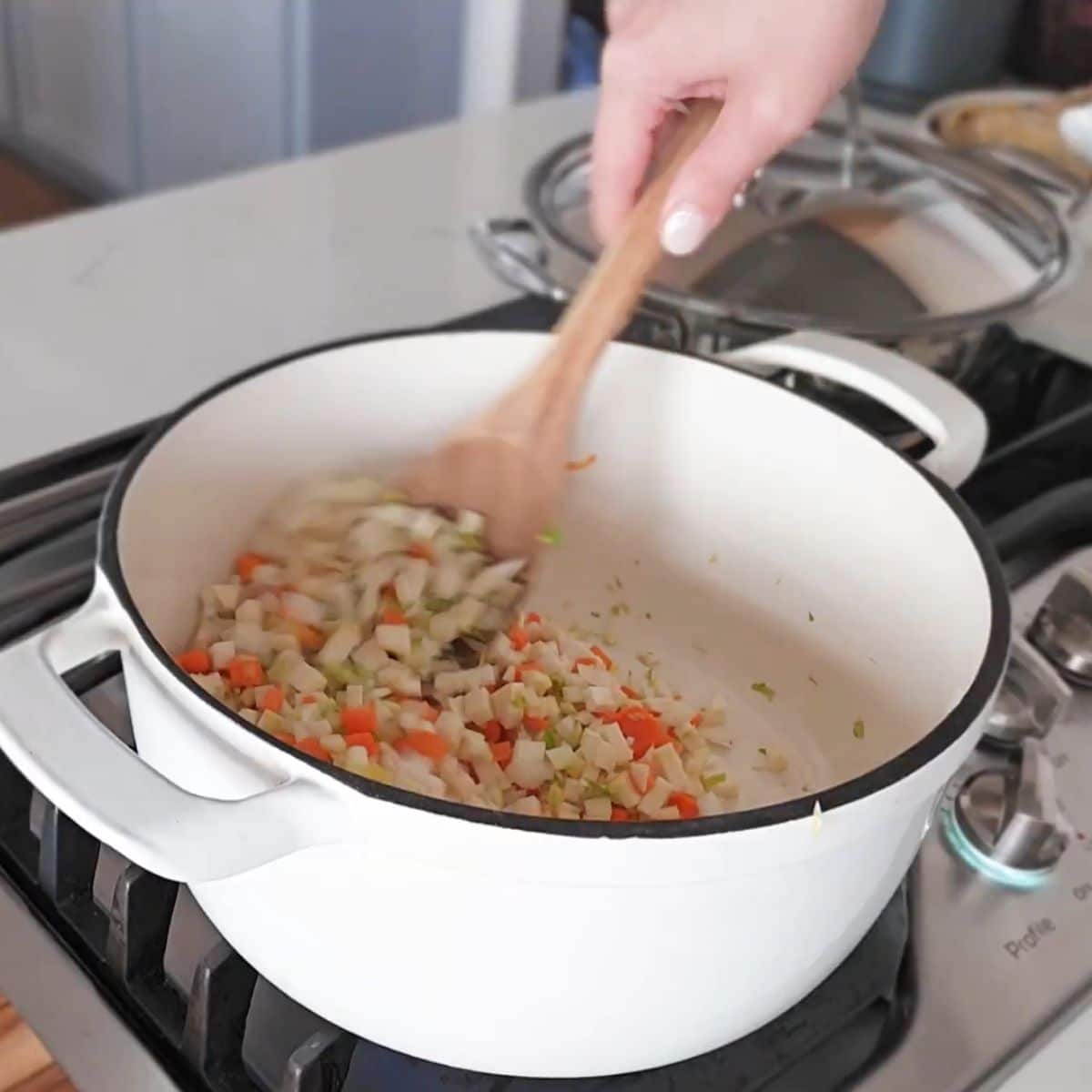
    Diced onions and carrots in a pot over the stove.

    Step 1. Sauté

    In a large pot, melt the butter over medium heat. Add the diced onion and carrots and sauté until softened and the onions are translucent.

    Diced mushrooms and carrots in a pot.

    Step 2. Cook

    Add the sliced mushrooms and cook until they release their moisture and reduces in size.

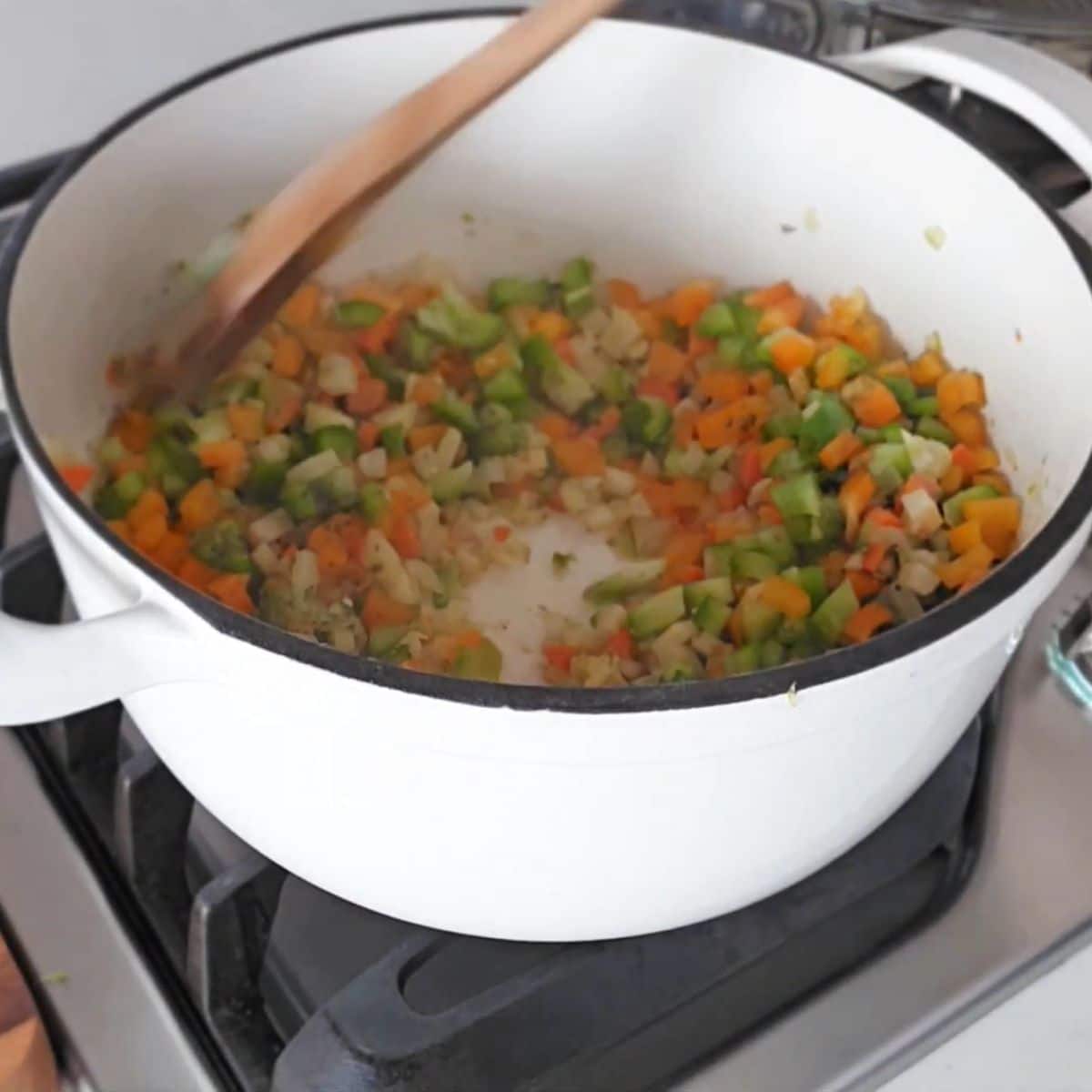
    Diced onion, mushrroms, and carrots sauted in a pot.

    Step 3. Stir

    Stir in the minced garlic and thyme leaves and cook until fragrant.

    Diced onion, mushrroms, and carrots sauted in a pot, with flour sprinkled over.

    Step 4. Sprinkle

    Sprinkle the flour over the vegetables and stir to coat. Cook briefly, allowing the flour to form a light paste around the vegetables.

    A pot with turkey stock, mushrooms, and vetables

    Step 5. Boil

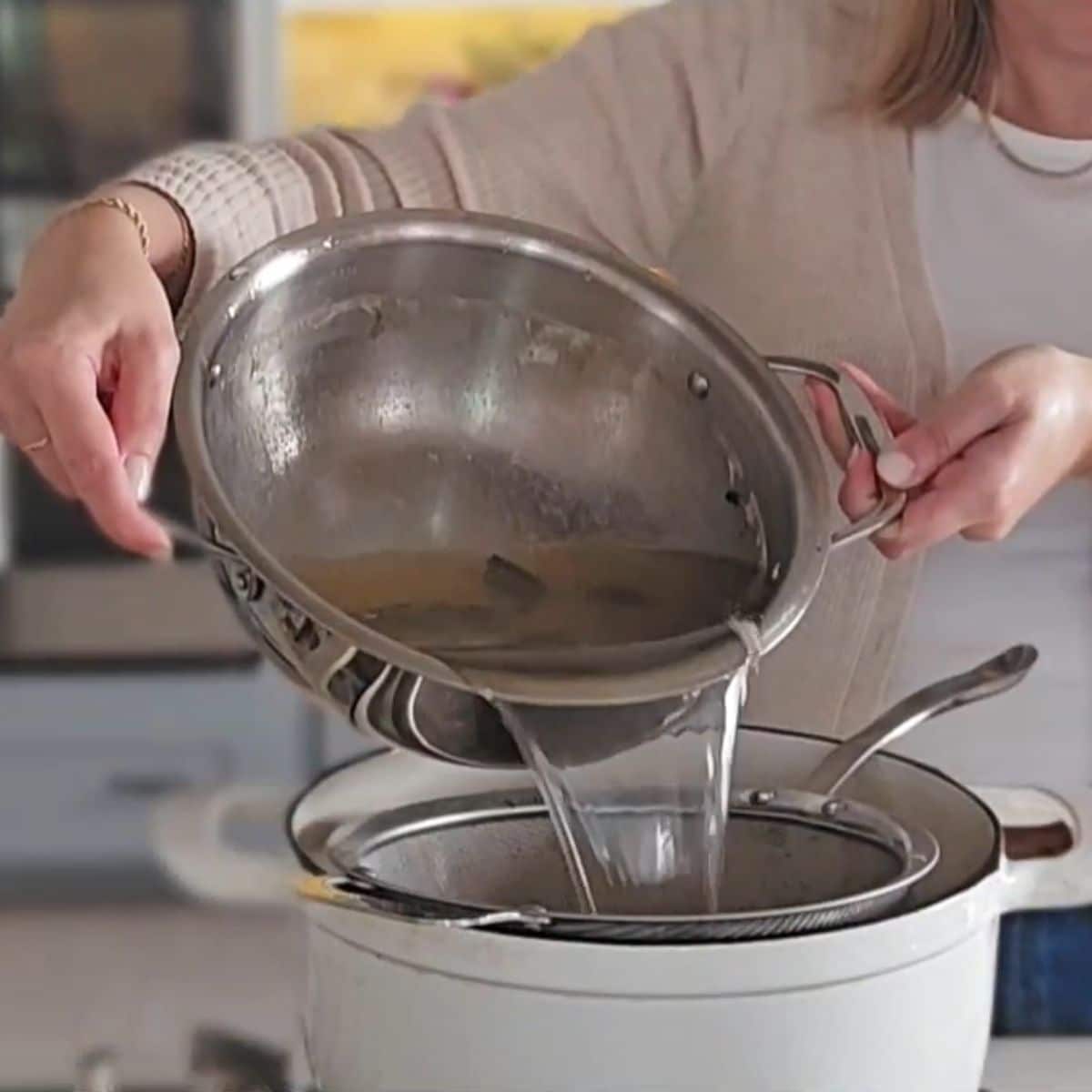
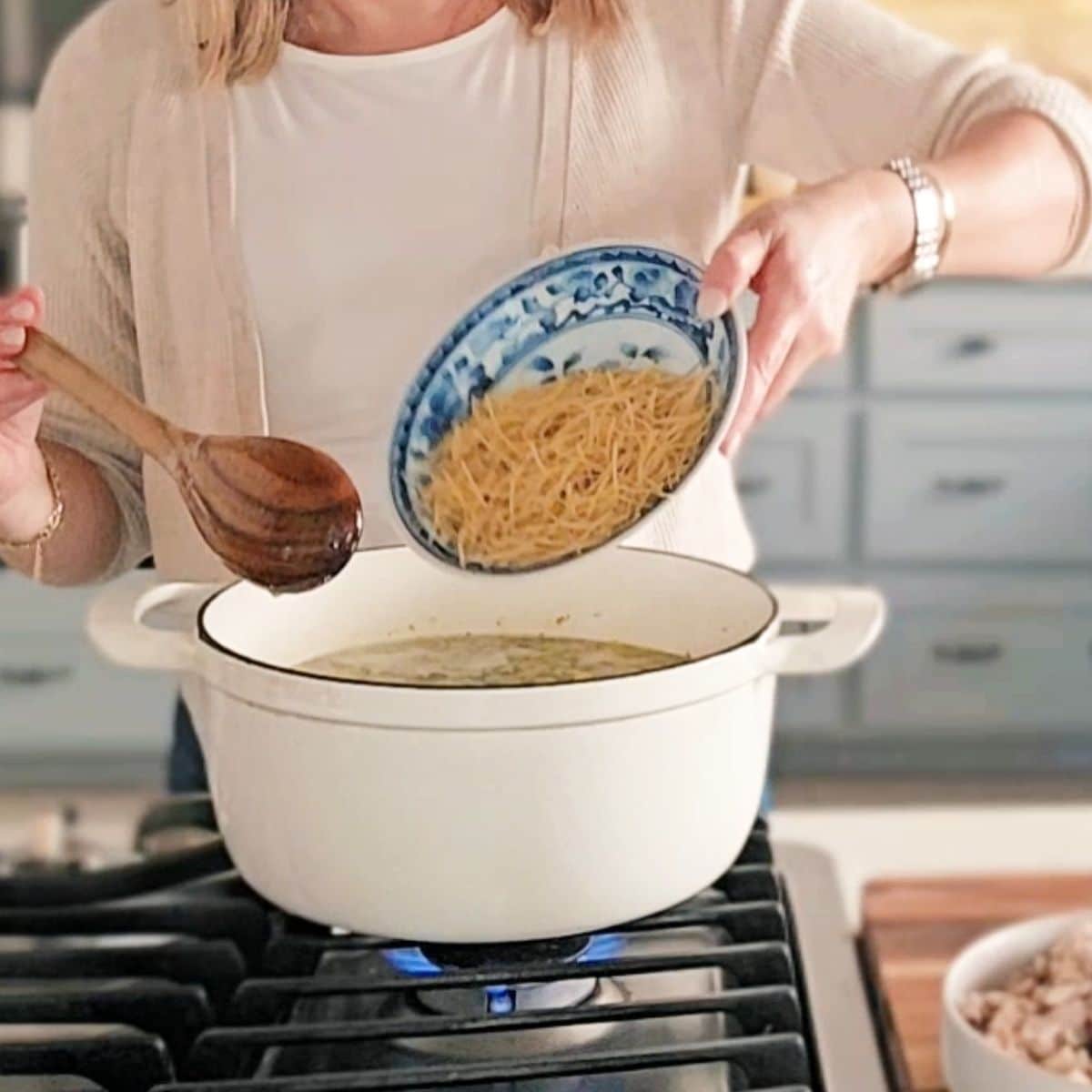
    Add the rinsed rice, then pour in the turkey stock. Bring the soup to a boil, then reduce the heat and simmer until the rice is al dente.

    Turkey soup in a pot with a ladle.

    Step 6. Mix

    Stir in the cooked turkey and heavy cream. In a small bowl, temper the lemon juice by slowly mixing in a ladle of hot soup, then add it back to the pot. Finish with chopped parsley. Taste and adjust seasoning as needed.

    Helpful Tips

    1. Keep all ingredients diced into similar small pieces - this ensures every bite is balanced and helps them blend into the broth and reheat more evenly.
    2. Let the mushrooms cook down fully. They should release their moisture and look lightly browned. This will avoid rubbery mushrooms. 
    3. Gradually add the broth after cooking the flour. I like to pour in a cup or two at first, scraping the bottom of the pot to lift up any browned bits and ensure the flour is fully cooked and incorporated into the soup.
    💭Meal Prep Suggestion!
    I like to make this soup ahead of time so it’s ready whenever I need it. Even better, double the batch and freeze it in smaller containers - perfect for those busy Christmas shopping days when all you want is to come home to a warm, home-cooked meal.
    Turkey soup in a white bowl wtih a spoon and a slice of lemon, next to a cutting board and a pot full of turkey soup.

    Serving Suggestions

    This leftover turkey soup is hearty and satisfying on its own with a slice of fresh milled bread. I love the fresh lemon and parsley at the end for a bright garnish but you could also add a nice dollop of raw sour cream to make it richer.

    Looking to serve soup and salad? Try these ideas:
    • chopped Mediterranean salad in a white bowl with salad dressing on the bottom left corner.
      Chopped Mediterranean Salad with White Wine Vinaigrette
      Cook Time20 Minutes
    • A fresh green salad on a white plate with tomatoes, onions, olives, and croutons, plus two gold forks beside it.
      Classic House Salad
      Cook Time15 Minutes
    • white bowl with caesar salad on top of white kitchen towel
      Classic Caesar Salad
      Cook Time30 Minutes
    • Romaine salad in a white bowl with a fork in it.
      Lemon Parmesan Romaine Salad
      Cook Time18 Minutes
    A ladle over the pot of turkey soup holding a scoup of turkey soup.

    Frequently Asked Questions

    How do I store and reheat leftover turkey soup?

    Store leftover turkey soup with leftover turkey in an airtight container for up to 4 days. These glass snap containers are perfect for leftovers. The rice will continue to absorb liquid so you may need to add more stock or water when reheating. To reheat, transfer the leftover turkey soup to a small saucepan and warm over medium-high heat, stirring often.

    Can I freeze leftover turkey soup?

    To freeze, transfer to a freezer-safe container, leaving a little headspace at the top for expansion, and freeze for up to 3 months. Thaw overnight in the fridge and reheat. 

    How do I prevent the rice from getting mushy?

    To keep the rice tender, rinse it well before cooking to remove excess starch. Add it toward the end of cooking so it doesn’t overcook in the soup, and use the proper ratio. If you’re doubling the recipe or freezing portions, slightly undercook the rice so it finishes cooking when reheated - this prevents it from turning mushy as it will continue to expand when in the broth.

    Looking for more recipes with mushrooms? Here are some ideas:
    • Bacon, mushroom, and potato soup in a pot.
      Mushroom and Bacon Potato Chowder
    • stuffed mushrooms on a white plate with green parsley to the side.
      Easy Cream Cheese Stuffed Mushrooms Recipe
    • Creamed Mushrooms in a small bowl with garnished parsley
      Creamed Mushrooms
    • Marinated Mushroom Salad
    Did you make this leftover turkey soup? Please leave a ⭐⭐⭐⭐⭐ recipe rating in the recipe card below and leave a review in the comments. Thank you!💚

    Printable Recipe

    Turkey soup in a white bowl with a spoon and slice of lemon.
    Print Recipe
    No ratings yet

    Leftover Turkey Soup with Mushrooms and Rice

    Leftover turkey soup recipe is made with rice, mushrooms, and veggies and creamy broth with a bright lemon finish.
    Prep Time15 minutes mins
    Cook Time35 minutes mins
    Total Time50 minutes mins
    Course: Soup
    Cuisine: American
    Keyword: leftover turkey soup, leftover turkey soup recipe, turkey soup with leftover turkey
    Servings: 6 servings
    Calories: 452kcal
    Author: Anya @ Prepare & Nourish

    Ingredients

    • 2 tablespoons butter
    • ½ onion diced
    • 2 carrots diced
    • 16 ounces white mushrooms sliced
    • 2 thyme sprigs leaves removed
    • 3 garlic cloves minced
    • 2 tablespoons all-purpose flour
    • ¾ cup brown rice rinsed
    • 2 quarts turkey stock
    • 4 cups turkey meat
    • ½ cup heavy cream
    • 1 lemon
    • ½ bunch fresh parsley

    Instructions

    • In a large pot, melt 2 tablespoons butter over medium heat. Add the diced ½ onion and 2 carrots and sauté until softened and the onions are translucent.
    • Add the sliced 16 ounces white mushrooms and cook until they release their moisture and it evaporates, about 10-12 minutes.
    • Stir in the minced 3 garlic cloves and 2 thyme sprigs leaves and cook until fragrant, about 1 minute.
    • Sprinkle 2 tablespoons all-purpose flour over the vegetables and stir to coat. Cook for 1-2 minutes, allowing the flour to form a light paste around the vegetables.
    • Add the rinsed rice, then pour in 2 quarts turkey stock. Bring the soup to a boil, then reduce the heat and simmer until ¾ cup brown rice is al dente.
    • Stir in the cooked 4 cups turkey meat and ½ cup heavy cream. In a small bowl, temper 1 lemon juice by slowly mixing in a ladle of hot soup, then add it back to the pot. Finish with chopped ½ bunch fresh parsley. Taste and adjust seasoning as needed.

    Notes

    Storage: Store leftover soup in an airtight container in the refrigerator for up to 4 days. The rice will continue to absorb liquid so you may need to add more stock or water when reheating. Reheat gently on the stovetop over medium-low heat, stirring occassionally. To freeze, transfer to a freezer-safe container, leaving a little headspace at the top for expansion, and freeze for up to 3 months. Thaw overnight in the fridge and reheat. 
    Helpful Tips:
    1. Keep all ingredients diced into similar small pieces - this ensures every bite is balanced and helps them blend into the broth and reheat more evenly.
    2. Let the mushrooms cook down fully - they should release their moisture and look lightly browned. This will avoid rubbery mushrooms. 
    3. Gradually add the broth after cooking the flour - I like to pour in a cup or two at first, scraping the bottom of the pot to lift up any browned bits and ensure the flour is fully cooked and incorporated into the soup.

    Nutrition

    Calories: 452kcal | Carbohydrates: 40g | Protein: 35g | Fat: 18g | Saturated Fat: 9g | Polyunsaturated Fat: 2g | Monounsaturated Fat: 5g | Trans Fat: 0.2g | Cholesterol: 104mg | Sodium: 619mg | Potassium: 1015mg | Fiber: 3g | Sugar: 9g | Vitamin A: 4263IU | Vitamin C: 21mg | Calcium: 69mg | Iron: 3mg

    Chicken Kotleti (Minced Chicken Cutlets)

    three golden-brown chicken kotleti served on a white plate with a side of mashed potatoes topped with gravy.

    These chicken kotleti are traditional Russian-style chicken patties made with ground chicken, sauteed onions, milk-soaked breadcrumbs, and seasonings to keep them tender and flavorful, then oven-baked until golden and crispy.

    a platter piled high with golden-brown chicken kotleti, garnished with chopped parsley.
    Looking for more ground chicken recipes? 
    Check out dirty rice recipe, easy porcupine meatball soup, and crustless pizza.
    [feast_advanced_jump_to]

    💡Recipe Overview

    • Prep and Cook Time: 25 minutes to prep and 25 minutes to bake
    • Cooking Method: Oven-baked
    • Dietary Info: Ancestral diet
    • Tools Needed: Food processor and sheet pan
    • Skill Level: Moderate

    What is an ancestral diet? Read my post on what nourishing foods are based on the traditional dietary principles of the Weston A. Price Foundation.

    Reasons to Love these Kotleti

    These chicken kotleti are a family favorite, and somehow they never last long enough to make it to the freezer - even when I plan to double or triple the batch.

    I’ve put my own spin on my mother-in-law’s recipe, and I have to say - those caramelized onions are what take these humble kotleti to the next level: savory and totally addictive.

    The whole mixture of caramelized onions and soaked breadcrumbs are finely processed so you get tender kotleti without any surprise chunks of undercooked onion.

    Traditionally, kotleti are pan-fried in beef tallow, but honestly, I can’t be bothered - so I bake them in the oven, and they still come out golden, juicy, and packed with flavor.

    Every time I make them, it’s a race to get a plate before they vanish, and I promise you - no one’s complaining. This is my take on a classic Slavic favorite, a recipe I proudly claim as my own while honoring my Russian roots. I hope you love these as much as my family does.

    image of Prepare and Nourish owner

    Ingredients for Chicken Kotleti

    ingredients for chicken kotleti.
    • Ground chicken - I use ground chicken I get from Wild Pastures or grind my own using chicken thighs. I don't recommend using ground turkey because it's too lean and wouldn't yield tender kotleti.
    • Butter - To saute the onion
    • Onion - One yellow onion will do. You can also use the sweet white onions here but I would avoid red onions.
    • Breadcrumbs - I prefer using breadcrumbs instead of soaking bread because it adds more flavor. Half of the breadcrumbs soaks in milk while the rest is for coating to get a nice crust. Use sprouted, sourdough, or homemade breadcrumbs for best flavor. You could use a slice of bread in a pinch.
    • Milk - To soften the breadcrumbs.
    • Egg - To bind the mixture so it holds its shape while baking.
    • Garlic - Always go with freshly minced (not jarlic - sorry!)
    • Sea salt & black pepper - Season the meat mixture, adjust to taste
    • Flour - I've been using my fresh milled flour using kamut and hard white wheat but all-purpose flour will work just as well.
    graphic of fork and spoon connected in a plant.

    Make it Ancestral

    Kotleti have always been an ancestral food - every babushka (grandmother in Russian) has her own version, and no two are exactly alike. Making them at home connects you to that tradition: simple, wholesome ingredients, careful seasoning (no Italian seasoning here), and a little love go a long way. Every kotleti recipe is a tradition that's been passed down through generations - this one is mine.

    close-up shot of a platter piled high with golden-brown chicken kotleti, garnished with chopped parsley.

    How to Make Kotleti

    The complete printable recipe is below in the recipe card for your convenience. Follow these simple step-by-step instructions for the best results.

    large amount of finely chopped white onions sautéing in a stainless steel skillet on a stovetop.

    Step 1. Sauté

    In a large skillet, saute the onions in butter until soft and lightly golden, then stir in the minced garlic and cook until fragrant. Cool slightly.

    overhead shot of a glass jar filled with creamy mixture, with a metal spoon inside.

    Step 2. Soak

    In a small bowl or a pint-size jar, combine the breadcrumbs and milk, and let them sit until softened and the breadcrumbs have absorbed the moisture from the milk.

    food processor bowl containing ground bread and meat mixture, chopped sautéed onions, an egg yolk, and a pile of salt, ready to be blended.

    Step 3. Blend

    Once the onions are slightly cooled, add them to a food processor along with the soaked breadcrumbs (squeeze out excess milk), egg, salt, and pepper. Pulse a few times until blended and smooth but still slightly chunky.

    close-up of ground chicken slices and a yellow, wet bread binder in a white mixing bowl.

    Step 4. Mix

    Combine the ground chicken and the onion breadcrumb mixture and mix until everything is evenly combined. The mixture should be soft but able to hold it's shape. Chill to firm up slightly.

    raw, round chicken mixture patty being coated in coarse breadcrumbs inside a white bowl.

    Step 5. Shape

    In a shallow bowl, combine the remaining breadcrumbs with flour. With damp hands, form the meat mixture into small oval patties and coat with flour–breadcrumb mix.

    uncooked, flattened chicken kotleti resting on a sheet of brown parchment paper.

    Step 6. Bake

    Arrange the kotleti on a baking sheet, brush with oil for even baking, and bake until golden and cooked through, flipping halfway through.

    Helpful Tips

    1. Avoid excess milk - Gently squeeze the breadcrumbs to remove excess milk from them. We just want the soaked breadcrumbs not milk.
    2. Keep the mixture cold - Chill the meat mixture for 20-30 minutes before shaping to help kotleti hold their form and cook more evenly. 
    3. Avoid overmixing - Mix just until combined for tender, juicy cutlets. Overmixing can make them dense. 
    4. Shape with damp hands - Wet your hands lightly with water to prevent the mixture from sticking when forming patties.
    5. Brown the kotleti - For a golden crust, finish by broiling the kotleti for 1-2 minutes after baking.  

    Product Highlight!

    Food Processor

    This processor is a total game-changer - it blends the sauteed onions, soaked breadcrumbs, and egg into a smooth mixture making sure the kotleti have no chunky surprises.

    Grab yours →
    Food processor
    💭Meal Prep Suggestion!
    These chicken kotleti are great for meal prep. I usually make a bigger batch and keep them in the fridge for easy lunches or quick protein during the week. They warm up really well in the air fryer or a skillet, so they’re perfect for grab-and-go meals.

    Serving Suggestions

    Chicken kotleti are the kind of food that works for any time of day. I'll eat a few for breakfast and be set, or make a hearty dinner out of them with onion gravy and Yukon gold mashed potatoes.

    But if you want to build a fuller meal, here are some ideas:

    Main dish: Serve kotleti as the main course with cottage cheese mashed potatoes, or butter garlic pasta. If you're looking for a grain side dish, consider serving with roasted buckwheat, Instant Pot millet, or bone broth rice. And don't forget to drizzle chicken gravy over them for the ultimate home-good comfort meal.

    Sides: Pair your kotleti with roasted carrots with garlic, butter cabbage, or oven roasted broccolini for a flavorful meal.

    Salads: Serve cucumber tomato and onion salad, cabbage cucumber salad, or korean carrot salad to add some freshness to your table. These are some of the salads that are traditionally served with kotleti.

    three golden-brown chicken kotleti served on a white plate with a side of mashed potatoes topped with gravy.

    Frequently Asked Questions

    How do I store and reheat kotleti?

    Store any leftover chicken kotleti in an airtight container in the fridge for up to 4 days. Glass snap containers work well. To reheat, place the kotleti in a skillet or small saucepan over medium heat, stirring or flipping occasionally until warmed through. You can also reheat them in the oven or air fryer for a crispier finish.

    Can I freeze chicken kotleti?

    Yes! You can freeze the cooked chicken kotleti. Arrange them in a single layer on a baking sheet and freeze until solid. Then transfer to a freezer-safe bag or container. They will keep for up to 3 months. Thaw overnight in the fridge before reheating.

    How can I avoid kotleti from falling apart?

    Make sure the mixture is cold before shaping; refrigerate for 20-30 minutes if it feels too loose. The soaked breadcrumbs help bind the meat, so don’t skip that step. But the biggest help here is chilling the meat mixture before shaping them.

    Looking for more main course entrees? Here are some ideas:
    • pasta with ground beef stroganoff in a small bowl topped with herbs.
      Easy Ground Beef Stroganoff (without canned soup)
    • oven-baked chicken cutlets on a plate with lemon slices.
      Crispy Baked Chicken Cutlets
    • porcupine meatballs in cast iron skillet with sauce.
      Porcupine Meatballs in Cream Sauce
    • four seasoned and cooked pork chops on an oval platter.
      Easy Cast Iron Pan-Fried Pork Chops (No Flour)
    Did you make this kotleti? Please leave a ⭐⭐⭐⭐⭐ recipe rating in the recipe card below and leave a review in the comments. Thank you!💚

    Printable Recipe

    three golden-brown chicken kotleti served on a white plate with a side of mashed potatoes topped with gravy.
    Print Recipe
    No ratings yet

    Chicken Kotleti (Minced Chicken Cutlets)

    Chicken kotleti are tender Russian chicken patties made with ground chicken, onions, garlic, and spices and baked until crispy and golden.
    Prep Time25 minutes mins
    Cook Time25 minutes mins
    Total Time50 minutes mins
    Course: Main Course
    Cuisine: Russian
    Keyword: chicken kotleti, kotleti, russian kotleti
    Servings: 4 servings
    Calories: 379kcal
    Author: Anya @ Prepare & Nourish

    Ingredients

    Meat Mixture

    • 1 lb ground chicken
    • 2 tablespoons butter
    • 1 yellow onion diced
    • ½ cup breadcrumbs
    • ½ cup milk
    • 1 egg
    • 1 garlic clove minced
    • 1 teaspoon sea salt
    • ½ teaspoon black pepper

    Coating Mixture

    • 2 tablespoons all-purpose flour or fresh milled flour
    • ½ cup breadcrumbs

    Instructions

    • Preheat oven to 400°F. Line a baking sheet with parchment paper.
    • In a small bowl, combine ½ cup breadcrumbs and ½ cup milk. Let them soak for 5-10 minutes, until the breadcrumbs absorb the milk and become soft.
    • In a skillet, melt 2 tablespoons butter over medium heat. Add the diced 1 yellow onion and cook for 5-7 minutes, stirring occasionally, until softened and lightly golden. Add the minced 1 garlic clove and cook for another 30 seconds. Remove from heat and allow to cool slightly.
    • In a food processor, combine the sauteed onions, soaked ½ cup breadcrumbs, 1 egg, 1 teaspoon sea salt, and ½ teaspoon black pepper. Pulse a few times until well blended and smooth.
    • In a bowl, mix 1 lb ground chicken with the onion breadcrumb mixture until everything is evenly combined. Avoid overmixing to keep the meat tender. The mixture should be soft but able to hold its shape. If it feels too loose, refrigerate for 20-30 minutes to firm up slightly.
    • In a shallow bowl, mix together the 2 tablespoons all-purpose flour and breadcrumbs for coating. With damp hands, form the chicken mixture into small oval patties. Dredge each patty lightly in the coating mixture, shaking off any excess.
    • Arrange the kotleti on the prepared baking sheet in a single layer. Lightly spray or brush the tops with oil or melted butter for even browning. Bake for 20-25 minutes, flipping halfway through, until golden and cooked through (internal temperature should reach 165°F).
    • Remove from the oven and let rest for a few minutes before serving.

    Notes

    Recipe makes 12 kotleti. 
    Storage: Store leftover kotleti in an airtight container in the refrigerator for up to 4 days. To freeze, arrange the cooked kotleti in a single layer on a baking sheet and freeze until solid. Transfer to a freezer-safe bag or container and freeze for up to 3 months. To reheat, warm in a 350°F oven for 10-15 minutes or until warmed through. 
    Helpful Tips:
    1. Avoid excess milk - Gently squeeze the breadcrumbs to remove excess milk from them. We just want the soaked breadcrumbs not milk.
    2. Keep the mixture cold - Chill the meat mixture for 20-30 minutes before shaping to help kotleti hold their form and cook more evenly. 
    3. Avoid overmixing - Mix just until combined for tender, juicy cutlets. Overmixing can make them dense. 
    4. Shape with damp hands - Wet your hands lightly with water to prevent the mixture from sticking when forming patties.
    5. Brown the kotleti - For a golden crust, finish by broiling the kotleti for 1-2 minutes after baking.  

    Nutrition

    Calories: 379kcal | Carbohydrates: 27g | Protein: 27g | Fat: 18g | Saturated Fat: 7g | Polyunsaturated Fat: 3g | Monounsaturated Fat: 6g | Trans Fat: 0.3g | Cholesterol: 157mg | Sodium: 921mg | Potassium: 758mg | Fiber: 2g | Sugar: 4g | Vitamin A: 286IU | Vitamin C: 2mg | Calcium: 111mg | Iron: 3mg

    Simple Onion Gravy

    glass gravy boat filled with light brown onion gravy, topped with fresh parsley and ground black pepper, resting on a white plate.

    This simple onion gravy is made from slowly caramelized onions, butter, and chicken broth. Thickened with fresh milled flour (or all-purpose flour), it's easy to make, stays smooth, and adds savory depth to mashed potatoes, roasted meats, rice, or pasta.

    glass gravy boat filled with light brown onion gravy, topped with fresh parsley and ground black pepper, resting on a white plate.
    Looking for ways to serve this? 
    Pour it over Instant Pot buckwheat, Yukon gold mashed potatoes, or bone broth rice.
    [feast_advanced_jump_to]

    💡Recipe Overview

    • Prep and Cook Time: 5 minutes to prep and 25 minutes to cook
    • Cooking Method: Stove-top
    • Skill Level: Easy

    What is an ancestral diet? Read my post on what nourishing foods are based on the traditional dietary principles of the Weston A. Price Foundation.

    Reasons to Love this Simple Onion Gravy

    This onion gravy is proof that you don’t need fancy ingredients to make something taste amazing - just butter, onions, flour, and broth, all things most kitchens already have on hand.

    It comes together in no time, and you can even make it gluten-free by swapping in your favorite gluten-free flour blend.

    Pour it over my mother-in-law’s chicken kotleti, and suddenly everyone’s sneaking seconds like it’s a family secret - simple, flavorful, and totally stress-free.

    image of Prepare and Nourish owner

    Ingredients for Onion Gravy

    yellow onions with flour, broth, butter, and seasonings as ingredients for onion gravy.
    • Butter – I like using butter here because butter makes everything better. And creamier and richer. But you could use beef tallow or even a good quality olive oil to keep it dairy free.
    • Onions – Yellow onions work best here. They caramelize nicely and give a naturally sweet base flavor.
    • Flour – If you have a grain mill in your appliance room (lol), use that to get some fresh milled flour in here. But all-purpose flour works just as well. In fact, the APF will give a more smoother texture while the fresh milled flour will be a little grainier (but admittedly more nutritious).
    • Chicken stock – When you can - always go with the homemade broth. You can use my whole chicken broth or Instant Pot chicken broth depending on how much time you have.
    • Seasonings – Sea salt and freshly cracked black pepper are all you need to bring the gravy together.

    Substitutions and Variations

    • Gluten-free – Swap the all-purpose flour for a gluten-free flour blend to make this gravy gluten-free without changing the texture.
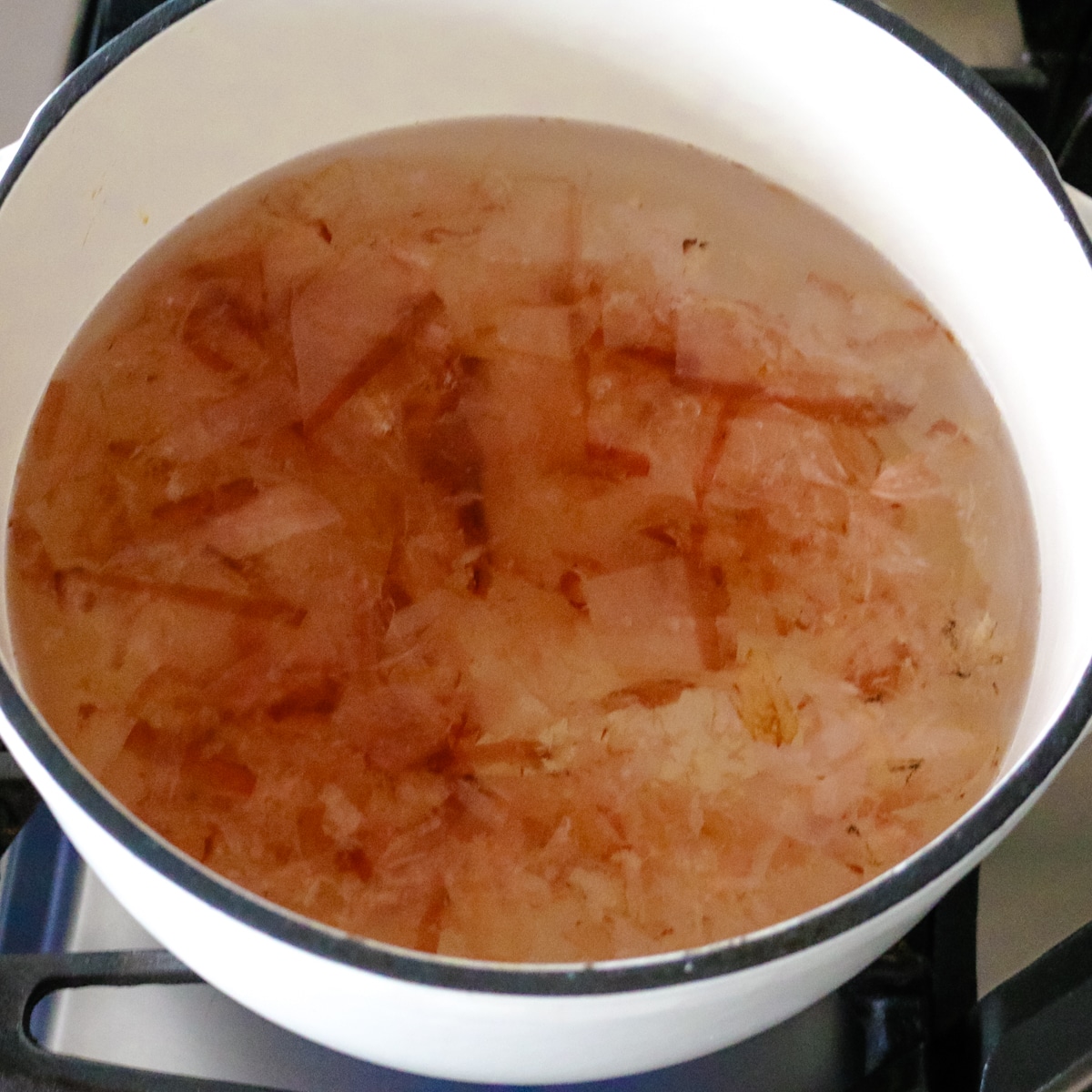
    • Richer flavor – Use beef bone broth instead of chicken stock for a deeper, more savory taste.
    • Worcestershire sauce – Many onion gravy recipes historically include Worcestershire sauce, especially in British-style pub gravies. Add 1–2 teaspoons after the broth for that classic flavor.
    graphic of fork and spoon connected in a plant.

    Make it Ancestral

    Use freshly milled flour and pasture-raised butter for a more traditional, nutrient-dense version of this gravy. Cook the onions slowly in the butter to extract natural flavor, and use homemade chicken stock if possible for extra nourishment.

    glass gravy boat filled with light brown onion gravy, topped with fresh parsley and ground black pepper, resting on a white plate.

    How to Make Onion Gravy

    The complete printable recipe is below in the recipe card for your convenience. Follow these simple step-by-step instructions for the best results.

    stainless steel pan on a stovetop, filled with chopped onions.

    Step 1. Cook

    Heat butter in a skillet over medium heat, then add onions and cook until soft and golden, stirring often.

    stainless steel pan on a stovetop, filled with chopped onions, being stirred with a wooden spoon.

    Step 2. Season

    Sprinkle with salt as the onions cook, then stir in flour and cook briefly to remove the raw taste.

    stainless steel pan on a stovetop, filled with a simmering, light brown liquid and chopped onions, being stirred with a wooden spoon.

    Step 3. Add

    Gradually pour in chicken stock, stirring constantly, and simmer until thickened.

    pan of light brown onion gravy or sauce, topped with fresh, chopped parsley.

    Step 4. Done

    Taste, adjust seasoning with pepper, and serve warm.

    Helpful Tips

    1. Caramelize slowly - Cook the onions slowly over medium heat to bring out the natural sweetness and deepen the flavor. 
    2. Avoid lumps - Sprinkle the flour evenly and stir consistently when adding broth to prevent lumps.
    3. Adjust thickness - For a thinner gravy, add a little bit more broth; for a thicker one, let it simmer a few extra minutes.

    Troubleshooting

    • Gravy split? It likely means the fat and liquid didn't emulsify properly. To fix it, whisk in a small amount of chicken broth over low heat until it comes back together. You can also try adding a slurry of flour and water to help rebind the fat and liquid. 
    💭Meal Prep Suggestion!
    You can make this onion gravy a few days in advance and keep it in the fridge in an airtight container. Warm it gently on the stove, stirring now and then, and add a little broth or water if it gets too thick. It freezes well too - just leave some room in a freezer-safe container, store for up to 3 months, and thaw in the fridge overnight before reheating.
    glass gravy boat filled with light brown onion gravy, topped with fresh parsley and ground black pepper, resting on a white plate.

    Serving Suggestions

    Onion gravy is a simple gravy that makes just about any meal feel a little better. I usually make a batch for weeknight dinners, but it also works for more special meals or when you want something comforting.

    Mashed Potatoes: Spoon it over creamy Yukon gold mashed potatoes or chunky red-skinned mashed potatoes.

    Grains: Don’t stop at potatoes - pour it over Instant Pot millet, Instant Pot buckwheat, or bone broth rice for extra flavor.

    Roast Meats: It’s great over oven-roasted whole chicken, chicken from homemade  whole chicken broth, or even slow cooker duck and spatchcock turkey recipe.

    mashed potatoes with a well in the center, filled with savory onion gravy and garnished with parsley.

    Frequently Asked Questions

    How do I store and reheat onion gravy?

    Store leftover onion gravy in an airtight container in the fridge for up to 4 days. Glass snap containers, wide-mouth mason jars, or Weck preserving jars all work well. To reheat, pour the gravy into a small saucepan and warm over medium heat, stirring occasionally. Add a splash of broth or water if it thickens too much.

    Can I freeze simple onion gravy?

    Yes! Let the gravy cool completely, then transfer it to a freezer-safe container or bag, leaving a little room for expansion. Freeze for up to 3 months. To use, thaw overnight in the fridge and reheat gently on the stovetop, adding a splash of broth or water if needed.

    My gravy is lumpy - how can I fix it?

    If your gravy has lumps, whisk it vigorously over low heat until smooth. You can also pour it through a fine-mesh sieve to catch any stubborn bits. Adding a small splash of broth or water while whisking can help smooth it out.

    Looking for more healthy basics? Here are some ideas:
    • chicken gravy with parsley in white gravy boat.
      Easy Chicken Gravy Recipe
    • Ground beef with organ meat in a clear bowl and a freezer ziplock on the side.
      Ancestral Beef Blend Recipe
    • beef tallow with spoon scooping
      How to Make Beef Tallow from Bone Broth
    • breadcrumbs in a jar.
      Homemade Breadcrumbs
    Did you make this onion gravy? Please leave a ⭐⭐⭐⭐⭐ recipe rating in the recipe card below and leave a review in the comments. Thank you!💚

    Printable Recipe

    glass gravy boat filled with light brown onion gravy, topped with fresh parsley and ground black pepper, resting on a white plate.
    Print Recipe
    No ratings yet

    Simple Onion Gravy

    Onion gravy is a simple, flavorful gravy made with caramelized onions, butter, flour, and chicken broth - great for mashed potatoes, rice, or pasta.
    Prep Time5 minutes mins
    Cook Time25 minutes mins
    Total Time30 minutes mins
    Course: Condiment
    Cuisine: American
    Keyword: how to make onion gravy, onion gravy, simple onion gravy
    Servings: 12 servings
    Calories: 43kcal
    Author: Anya @ Prepare & Nourish

    Ingredients

    • 2 tablespoons butter
    • 2 yellow onions
    • 1 teaspoon sea salt
    • ½ teaspoon black pepper
    • 2 tablespoon all-purpose flour or fresh-milled flour
    • 2 cups chicken stock

    Instructions

    • Melt 2 tablespoons butter in a skillet over medium heat. Add 2 yellow onions and cook, stirring frequently, for 15-20 minutes, until soft and golden brown. Season with 1 teaspoon sea salt .
    • Sprinkle 2 tablespoon all-purpose flour over the onions and stir to coat. Cook for 1-2 minutes to remove the raw flour taste.
    • Gradually pour in 2 cups chicken stock, stirring constantly to avoid lumps. Bring to a simmer and cook for 5-10 minutes, until the gravy thickens.
    • Taste and adjust seasoning with salt and ½ teaspoon black pepper. Serve warm over meats or mashed potatoes.

    Notes

    Storage: Store leftover gravy in an airtight container in the fridge for up to 4 days. To reheat, warm gently on the stovetop over low heat, stirring occasionally. If the gravy is too thick, whisk in a little extra stock or water to reach your desired consistency. To freeze, transfer to an airtight container or freezer-safe bag, leaving a little room for expansion. Freeze for up to 3 months. Thaw in the fridge overnight and reheat.
    Helpful Tips: 
    1. Caramelize slowly - cook the onions slowly over medium heat to bring out the natural sweetness and deepen the flavor. 
    2. Avoid lumps - sprinkle the flour evenly and stir consistenly when adding broth to prevent lumps.
    3. Adjust thickness - for a thinner gravy, add a little bit more broth; for thicker, let it simmer a few extra minutes. 

    Nutrition

    Calories: 43kcal | Carbohydrates: 4g | Protein: 1g | Fat: 2g | Saturated Fat: 1g | Polyunsaturated Fat: 0.2g | Monounsaturated Fat: 1g | Trans Fat: 0.1g | Cholesterol: 6mg | Sodium: 267mg | Potassium: 72mg | Fiber: 0.4g | Sugar: 1g | Vitamin A: 60IU | Vitamin C: 1mg | Calcium: 7mg | Iron: 0.2mg

    Pumpkin Pie Spice Blend

    pumpkin pie spice in a spice jar.

    Learn how to make a pumpkin pie spice blend by mixing cinnamon, ginger, nutmeg, allspice, and cloves. This easy homemade pumpkin pie spice blend adds cozy flavor to baked goods, coffee, oatmeal, and more.

    pumpkin pie spice in a spice jar.
    [feast_advanced_jump_to]

    💡Recipe Overview

    • Prep and Cook Time: 5 minutes
    • Dietary Info: Paleo, Whole30, GAPS, Ancestral diet
    • Tools Needed: Spice jar for storage
    • Skill Level: Easy

    What is an ancestral diet? Read my post on what nourishing foods are based on the traditional dietary principles of the Weston A. Price Foundation.

    Why Make Homemade Pumpkin Pie Spice Blend

    If you've ever opened a store-bought pumpkin pie spice and thought, "Hmmm..why does this smell like regret?" then you already know why I make my own. Besides the fact that homemade spice blends are soooo much more cost-efficient.

    A homemade blend of seasonings is lightyears better, fresher, and stronger and doesn't come with mystery fillers that taste like wood pulp.

    Plus, it takes a whopping 30 seconds (and is more cost-efficient) to stir together cinnamon, ginger, nutmeg, allspice, and cloves (in other words, autumn dream team!), and you totally control the flavor.

    image of Prepare and Nourish owner

    Ingredients for Pumpkin Spice Blend

    ingredients for pumpkin pie spice.
    • There's not much in this homemade spice blend. But let's talk about them. Cinnamon adds mild warmth (the most important spice here, IMHO), ginger gives a sharper heat, and nutmeg contributes that signature earthy sweetness. Allspice and cloves deliver a strong, slightly bitter flavor (and should be used sparingly) that complements the other spices well.

    How to Make Pumpkin Spice Blend

    The complete printable recipe is below in the recipe card for your convenience. Follow these simple step-by-step instructions for the best results.

    pumpkin pie spice in a spice jar.

    Step 1. Combine

    Mix all the spices in a small bowl until evenly blended, then transfer the blend to an airtight jar and label it.

    Helpful Tips

    1. Even mixing – Use a small whisk or fork to mix the spices well, especially the heavier ones like cloves and nutmeg, so the blend is even.
    2. Grind spices – If you can, grind whole spices like cinnamon, cloves, and nutmeg yourself. Freshly ground spices have stronger flavor.
    3. Make ahead – You can make a bigger batch and store it for later. It keeps well and is handy for baking through the season.

    Product Highlight!

    Glass Spice Jars

    I love these for all my homemade spice blends. They're square shaped which means space-saving in my spice cabinet.

    Grab yours →
    square glass spice jars
    💭Batch Suggestion!
    You can double or triple this spice blend when prepping for the week or month or the holidays coming up. I would often triple the blend and store my spice jar in the freezer for those busy months of baking holiday sweets.

    How to Use Pumpkin Spice Blend

    Pumpkin pie spice is really flexible and works in both sweet and savory dishes. I like adding it to recipes like my gluten free pumpkin bars for that classic fall flavor. You can also stir a pinch into oatmeal or even pumpkin spice latte for a cozy twist.

    It’s great in savory fall dishes too. Sprinkle it over air fryer butternut squash or on sweet potatoes.You can also use it in recipes like pumpkin chili to enhance the flavors. A little goes a long way, so start small and adjust to your taste.

    pumpkin pie spice in a spice jar.

    Frequently Asked Questions

    How do I store pumpkin spice blend?

    Store leftover pumpkin pie spice blend in an airtight container like a spice jar in a dark, cool area for up to 6 months. Always give it a shake or stir before using to mix the spices evenly. You can also store your spice jar in the freezer to maintain the freshness of the spices.

    What can I do if my blend clumps?

    Clumping happens when the spices absorb moisture. Break up clumps with a spoon or whisk, and store the blend in an airtight container. Using dry utensils and keeping it in the freezer or a cool, dry place helps prevent clumping.

    Looking for more homemade spice blends? Here are some ideas:
    • herby seasoning in a small glass dish with gold spoon.
      Homemade Ranch Seasoning (Dairy-Free)
    • Taco seasoning in a clear glass and on a spoon on a white plate.
      Mild Taco Seasoning Recipe
    • Cajun seasoning in a small weck jar on a white plate with a spoon on the side.
      Homemade Cajun Seasoning
    • Italian seasoning in a clear jar with a spoon in it.
      Italian Seasoning Recipe
    Did you make this pumpkin spice blend? Please leave a ⭐⭐⭐⭐⭐ recipe rating in the recipe card below and leave a review in the comments. Thank you!💚

    Printable Recipe

    pumpkin pie spice in a spice jar.
    Print Recipe
    No ratings yet

    Pumpkin Pie Spice Recipe

    How to make pumpkin spice blend using cinnamon, ginger, nutmeg, allspice, and cloves for a simple homemade mix.
    Prep Time5 minutes mins
    Total Time5 minutes mins
    Course: Condiment
    Cuisine: American
    Keyword: how to make pumpkin pie spice blend, pumpkin pie spice blend, pumpkin spice blend
    Calories: 107kcal
    Author: Anya @ Prepare & Nourish

    Ingredients

    • 3 tablespoons cinnamon
    • 2 teaspoons ground ginger
    • 2 teaspoons ground nutmeg
    • 1 ½ teaspoons ground allspice
    • 1 teaspoon ground cloves

    Instructions

    • Combine 3 tablespoons cinnamon , 2 teaspoons ground ginger , 2 teaspoons ground nutmeg, 1 ½ teaspoons ground allspice, 1 teaspoon ground cloves and mix thoroughly.
    • Transfer to an airtight spice jar and label. Shake well before each use to ensure even distribution in recipes.

    Notes

    Makes approximately ½ cup. 
    Storage: Store the pumpkin pie spice blend in an airtight jar in a cool, dry place away from direct sunlight. It will stay fresh for up to 6 months. Always shake before using to redistribute the spices. If you're doubling the batch, I recommend storing the spice jar in the freezer for fresher, long-lasting flavor. 
    Helpful Tips: 
    1. Even mixing - Use a small whisk or fork to fully combine the spices, especially the heavier ground cloves and nutmeg, so every pinch is balanced. 
    2. Grind spices - Consider grinding your own spices like cinnamon, cloves, and nutmeg as the freshness makes the blend more vibrant.
    3. Make ahead - This spice blend can be prepared in bulk for seasonal baking and frozen for longer storage and fresher batch.

    Nutrition

    Calories: 107kcal | Carbohydrates: 28g | Protein: 2g | Fat: 2g | Saturated Fat: 1g | Polyunsaturated Fat: 0.3g | Monounsaturated Fat: 0.3g | Trans Fat: 0.01g | Sodium: 12mg | Potassium: 222mg | Fiber: 15g | Sugar: 2g | Vitamin A: 95IU | Vitamin C: 2mg | Calcium: 285mg | Iron: 3mg

    Garlic Butter Pasta

    garlic butter pasta in a pan with a fork.

    Garlic Butter Pasta is a simple, flavorful pasta dish tossed in garlic butter, red pepper flakes, and fresh herbs. Quick, easy, and delicious with just a handful of ingredients.

    garlic butter pasta in a pan.
    [feast_advanced_jump_to]

    💡Recipe Overview

    • Prep and Cook Time: 10 minutes to prep and 15 minutes to cook
    • Cooking Method: Stove-top
    • Tools Needed: Large skillet
    • Skill Level: Easy

    What is an ancestral diet? Read my post on what nourishing foods are based on the traditional dietary principles of the Weston A. Price Foundation.

    Reasons to Love this Butter Garlic Pasta

    Sometimes you just need a side dish that doesn't make you think.

    That’s where garlic butter pasta comes in. In about 15 minutes, you’ve got tender pasta coated in a buttery, garlicky sauce with a little kick from red pepper flakes and brightness from fresh herbs.

    It’s simple, comforting, and flexible.

    Parmesan or no Parmesan.

    Spaghetti or fettuccine.

    Extra herbs if you’re feeling fancy.

    It’s the kind of side you can toss together any night of the week without a second thought, but it still tastes like you put in way more effort than you actually did.

    image of Prepare and Nourish owner

    Ingredients for Butter and Garlic Pasta

    ingredients for making garlic butter pasta.
    • Pasta – Use long pasta like spaghetti, fettuccine, or linguine. If you want gluten-free, I prefer Jovial sprouted brown rice pasta or use veggie noodles like spiralized zucchini.
    • Butter – You can't have butter pasta without the butter. If using salted butter, hold back on the salt when you season pasta.
    • Garlic – There's not a whole lot happening in this butter pasta dish, so make sure you use fresh garlic cloves (and not the jarred kind) to give it lots of fresh flavor.
    • Seasonings – A mix of red pepper flakes, sea salt, and black pepper adds a little heat and flavor. Adjust the spices to your taste.
    • Parmesan cheese – Optional but worth it. Freshly grated Parmesan melts into the sauce, making it creamy and flavorful.
    • Fresh herbs – Sprinkle parsley or basil on top for color and freshness.
    graphic of fork and spoon connected in a plant.

    Make it Ancestral

    How cool would it be to make this garlic butter pasta with fresh milled flour homemade pasta? Rich, garlicky, buttery, and totally nutrient-dense - it's pasta the way it used to be. I'm actually working on a homemade pasta recipe (with FMF of course!) and I can't wait to share it so you can take this simple dish to the next level.

    garlic butter pasta in a pan with a fork.

    How to Make Garlic Butter Pasta

    The complete printable recipe is below in the recipe card for your convenience. Follow these simple step-by-step instructions for the best results.

    cooking butter and garlic in a pan.

    Step 1. Cook

    Cook pasta al dente according to package instructions. In a large skillet over medium heat, melt butter. Add garlic and red pepper flakes, and cook until fragrant.

    pasta with cheese in a pan.

    Step 2. Toss

    Transfer the cooked pasta to the pan and toss with the garlic butter. Add reserved pasta water as needed to loosen the sauce. Add parmesan cheese and any additional seasonings and toss to coat.

    Helpful Tips

    1. Prevent sticking: Avoid rinsing the pasta - that starch is what will help the butter to stick to the pasta. Toss the drained pasta with a drizzle of olive oil if you’re not serving right away.
    2. Avoid burning garlic: Cook over medium-low heat, but watch it closely as garlic burns quickly and turns bitter.
    3. Fresh herbs last: Stir in herbs at the end to keep their bright color and flavor.
    garlic butter pasta in a bowl with a fork.

    Serving Suggestions

    Butter garlic pasta is one of those amazing dishes that goes with....basically anything. Serve it as a quick weeknight dinner on its own, toss it alongside sauteed or roasted carrots with garlic (can you even have too much garlic?), or pile it next to your favorite protein like chimichurri chicken, salmon with mayo, or pan fried pork chops.

    It's simple, comforting, and ridiculously versatile, making it the unicorn of dinners for a perfect busy night, last-minute guests, or whenever you just want to carb-load (with a hefty dose of garlic butter).

    Want something fresh on your plate? Pair this buttery pasta with crisp, refreshing salads like cucumber salad or house salad to balance all the buttery goodness. And perhaps some fermented carrots or red cabbage sauerkraut.

    Frequently Asked Questions

    How do I store and reheat garlic butter pasta?

    Store leftover butter and garlic pasta in an airtight container for up to 3 days. These glass snap containers are perfect for leftovers. To reheat, transfer the garlic butter pasta to a small saucepan and warm over medium-high heat, stirring often. Add a splash of water or broth to break it up and loosen it.

    How can I avoid pasta from sticking together?

    Use plenty of boiling, salted water and stir it for the first minute or two of cooking, then occasionally as it continues to cook. Avoid rinsing and as soon as it's drained, toss it immediately with a little olive oil to keep the noodles separate and coated. And don't forget to save some of that pasta water to help loosen the sauce later.

    What should I do if my pasta is too dry?

    Add a splash of the reserved pasta water or a little extra butter while tossing the pasta. This will loosen the sauce and help it coat the noodles evenly.

    Looking for more simple side dishes? Here are some ideas:
    • seasoned mashed potatoes in baking dish.
      Chunky Mashed Potatoes with Red Skin
    • Lemon broccoli on a white plate.
      Lemony Broccoli with Butter and Garlic
    • potato medley in a white bowl with lemon wedges on the side and fresh dill.
      Buttered Potatoes with Dill
    • roasted cabbage with parsley garnish sprinkled on top.
      Simple Oven Roasted Buttered Cabbage Recipe
    Did you make this butter and garlic pasta? Please leave a ⭐⭐⭐⭐⭐ recipe rating in the recipe card below and leave a review in the comments. Thank you!💚

    Printable Recipe

    garlic butter pasta in a pan with a fork.
    Print Recipe
    No ratings yet

    Garlic Butter Pasta

    Garlic Butter Pasta is an easy side dish made with buttery garlic sauce, red pepper flakes, Parmesan cheese and fresh herbs.
    Prep Time5 minutes mins
    Cook Time10 minutes mins
    Total Time15 minutes mins
    Course: Side Dish
    Cuisine: American
    Keyword: butter and garlic pasta, butter garlic pasta, garlic butter pasta
    Servings: 4 servings
    Calories: 471kcal
    Author: Anya @ Prepare & Nourish

    Ingredients

    • 12 oz pasta of choice (spaghetti, fettuccine, or linguine)
    • 4 tablespoons unsalted butter
    • 4 cloves garlic minced
    • ¼ teaspoon red pepper flakes
    • ½ cup freshly grated Parmesan cheese optional
    • 2 tablespoons chopped fresh parsley or basil
    • ½ teaspoon sea salt
    • ¼ teaspoon black pepper

    Instructions

    • Bring a large pot of salted water to a boil and cook 12 oz pasta of choice (spaghetti, fettuccine, or linguine) according to package instructions until al dente. Reserve ½-1 cup of pasta water, then drain the pasta.
    • In the same pot or a large skillet over medium heat, melt 4 tablespoons unsalted butter. Add the minced 4 cloves garlic and ¼ teaspoon red pepper flakes, and sauté for 1-2 minutes until fragrant and golden, being careful not to burn the garlic.
    • Return the drained pasta to the pan with the garlic butter and toss to coat evenly. Add a splash of the reserved pasta water if needed to loosen the sauce and help it cling to the pasta.
    • Season with ½ teaspoon sea salt and freshly ground ¼ teaspoon black pepper to taste, then stir in the Parmesan cheese if using, along with 2 tablespoons chopped fresh parsley or basil.
    • Serve immediately, with extra ½ cup freshly grated Parmesan cheese and herbs on top

    Notes

    Storage: Store leftovers in an airtight container in the fridge for up to 3 days. Reheat gently in a skillet over low heat with a splash of water or broth to loosen the sauce and prevent sticking. While pasta freezes well, I don't recommend it as it is very quick and easy to cook it fresh. 
    Helpful Tips: 
    1. Prevent sticking: Avoid rinsing the pasta - that starch is what will help the butter to stick to the pasta. Toss the drained pasta with a drizzle of olive oil if you’re not serving right away.
    2. Avoid burning garlic: Cook over medium-low heat, but watch it closely as garlic burns quickly and turns bitter.
    3. Fresh herbs last: Stir in herbs at the end to keep their bright color and flavor.

    Nutrition

    Calories: 471kcal | Carbohydrates: 65g | Protein: 16g | Fat: 16g | Saturated Fat: 9g | Polyunsaturated Fat: 1g | Monounsaturated Fat: 4g | Trans Fat: 0.5g | Cholesterol: 39mg | Sodium: 501mg | Potassium: 232mg | Fiber: 3g | Sugar: 2g | Vitamin A: 654IU | Vitamin C: 4mg | Calcium: 179mg | Iron: 1mg

    Kharcho Soup (Georgian Beef & Rice Soup)

    Kharcho soup in a bowl with a spoon on the side.

    Kharcho Soup is a Georgian beef and rice soup made with tender beef, fragrant spices, tomatoes, and fresh herbs. A hearty, flavorful, and nourishing meal that comes together in one pot.

    Kharcho soup in a bowl with a spoon on the side.
    Looking for more soup recipes? 
    Check out vegetable soup, fish head soup, and shurpa soup.
    [feast_advanced_jump_to]

    💡Recipe Overview

    • Prep and Cook Time: 15 minutes to prep and 2 hrs to cook
    • Cooking Method: Stovetop
    • Dietary Info: Paleo, Ancestral diet, Gluten-free
    • Tools Needed: Large stockpot or Dutch oven
    • Skill Level: Moderate

    What is an ancestral diet? Read my post on what nourishing foods are based on the traditional dietary principles of the Weston A. Price Foundation.

    Reasons to Love this Kharcho Soup

    Kharcho is a Georgian beef and rice soup that’s all about bold, familiar flavors. And honestly, my husband had to give his seal of approval for this one. He grew up in that part of the world, so he knows what these flavors are supposed to taste like.

    Traditionally, Kharcho is made with khmeli-suneli, a fragrant Georgian spice blend, but I swapped in spices you can actually find at most grocery stores, so it’s easy to make at home.

    I use beef shanks (or another meaty/bone-in cut) for maximum nutrient density, simmered until the meat is tender and the broth is rich and flavorful. Kharcho always has some type of tomato - fresh, crushed, or paste - combined with fragrant spices like coriander and fenugreek and a little kick from hot pepper (I used my fermented jalapenos because they're the best).

    The rice adds body, the broth is practically drinkable, and the slow simmer lets everything meld perfectly. Make it ahead, let it work its magic, and suddenly dinner feels impressive. Serve with fresh milled flour bread and you're set for dinner.

    image of Prepare and Nourish owner

    Ingredients for Kharcho Soup

    Ingredients for kharcho soup arranged on a table, including beef, rice, tomatoes, onions, garlic, herbs, and spices.
    • Beef short ribs, chuck, or shank – I prefer to use bone-in beef cuts when making broth because it creates a very rich, flavorful, nutrient-dense broth. In this recipe, I'm using beef shanks.
    • Sea salt and bay leaves – Just basic seasoning staples to add flavor to broth.
    • Tallow or ghee – These traditional fats are used to saute the vegetables and build flavor.
    • Onion, garlic, hot chili pepper – I like using a yellow onion for this recipe but if you have white onion - that'll work too. If you have a serrano pepper or any other hot pepper, throw that in (Kharcho is supposed to be spicy), but I didn't have any on hand, so I used my lacto-fermented jalapenos instead.
    • Seasonings – Traditionally, Kharcho is made using hmeli-suneli, a bold spice blend popular in Georgia. Since most kitchens don't have that on hand, we'll recreate a simple blend using ground coriander, paprika, dried fenugreek, and red pepper flakes. I like to finish with a splash of red wine vinegar to brighten the soup.
    • Tomatoes – Crushed tomatoes and tomato paste also gives that authentic Kharcho flavor and texture. Feel free to use whatever tomato products you have on hand. Even fresh tomatoes work.
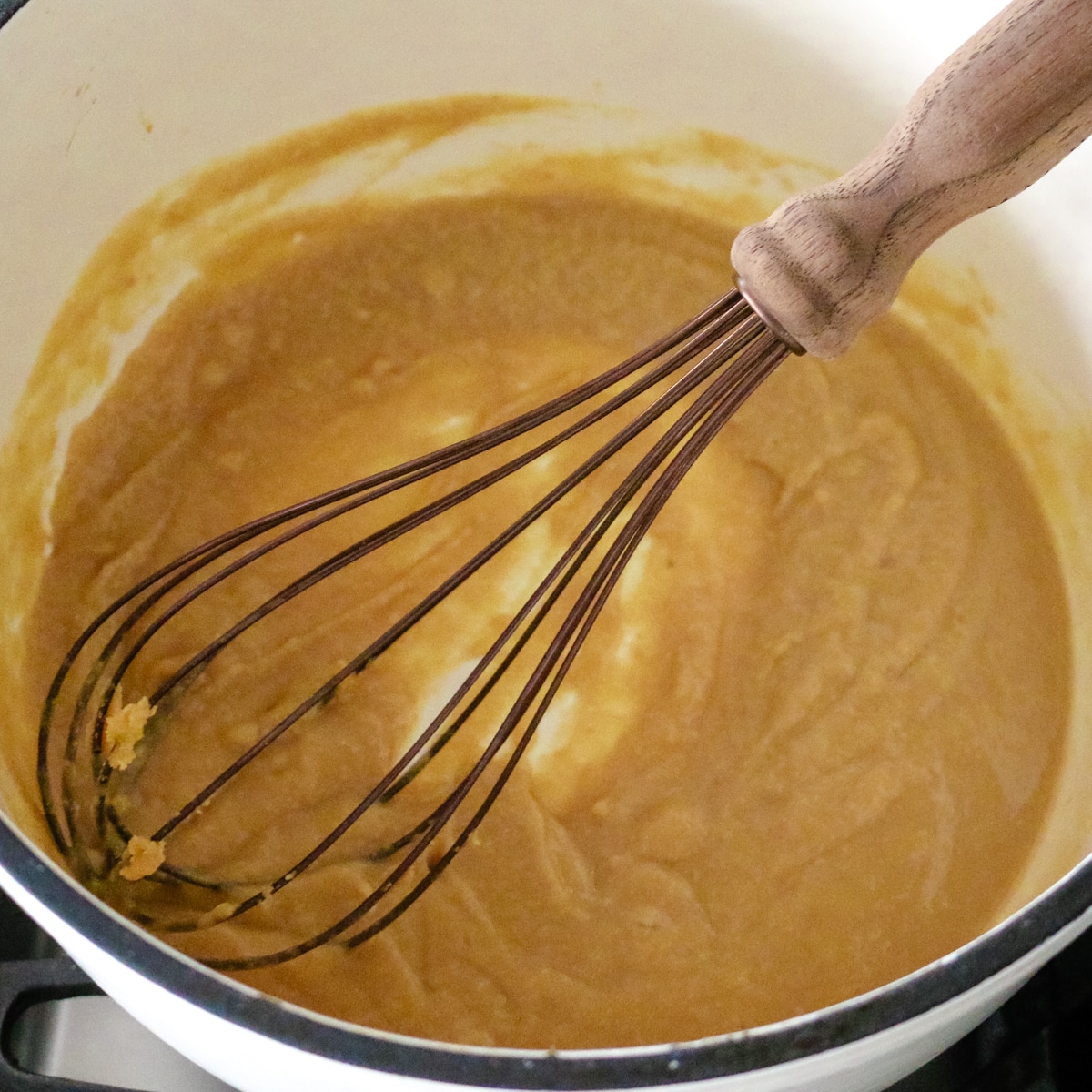
    • Long-grain rice – This is the only starch in this soup and a little goes a long way. If you wanted more chewier or heartier texture, feel free to use brown rice just give a little more time during cooking.
    • Fresh herbs – Chopped cilantro and parsley stirred in at the end. It makes a nice garnish but also, no Kharcho soup is authentic without cilantro.
    graphic of fork and spoon connected in a plant.

    Make it Ancestral

    For a truly ancestral, nutrient-dense Kharcho, use bone-in cuts of meat and cook them low and slow. It takes a little extra effort and time, but this method makes the meat tender and allows the bones to release collagen, resulting in a very gelatinous broth. However, if you prefer not to use bone-in cuts, you can make meat stock in 45 minutes (plus, it's a little gentler on the gut but still very nourishing).

    Kharcho soup in a bowl with a spoon on the side.

    How to Make Kharcho

    The complete printable recipe is below in the recipe card for your convenience. Follow these simple step-by-step instructions for the best results.

    Beef broth in a pot with a rich golden-brown color.

    Step 1. Simmer

    Place the meat in a large pot and cover it with water. Add salt and bay leaves and bring it to a boil. Reduce the heat to a gentle simmer and cook until the meat is tender, skimming off any foam that rises to the surface.

    Tender, cooked beef slices arranged neatly on a tray.

    Step 2. Trim

    Remove the beef from the pot and set it aside. For a clearer broth, strain it. Trim the meat off the bones and cut it into bite-sized pieces.

    Ingredients for the kharcho soup in a pot. Herbs and spices.

    Step 3. Sauté

    Heat the fat in large pot over medium heat. Add chopped onion and cook until soft and translucent. Stir in the minced garlic, tomato paste, and seasonings, and cook just until fragrant.

    kharcho soup with fresh herbs in a white pot.

    Step 4. Combine

    Pour in the beef broth and stir in the rice. Let it simmer on medium heat until the rice is tender, then return the beef pieces to the pot, allowing them to warm through and absorb the flavors. Stir in fresh herbs.

    Helpful Tips

    1. Make ahead base: Cook the beef and broth ahead of time, then refrigerate or freeze. When ready, just add aromatics, rice, and herbs for a quick meal.
    2. Skim foam regularly: Keeps the broth clear, clean-tasting, and free of impurities.
    3. Adjust spice level: Start with half the chili and red pepper if you prefer it mild — you can always add more later.
    4. Wash the rice well: Rinsing removes excess starch for a cleaner soup texture.
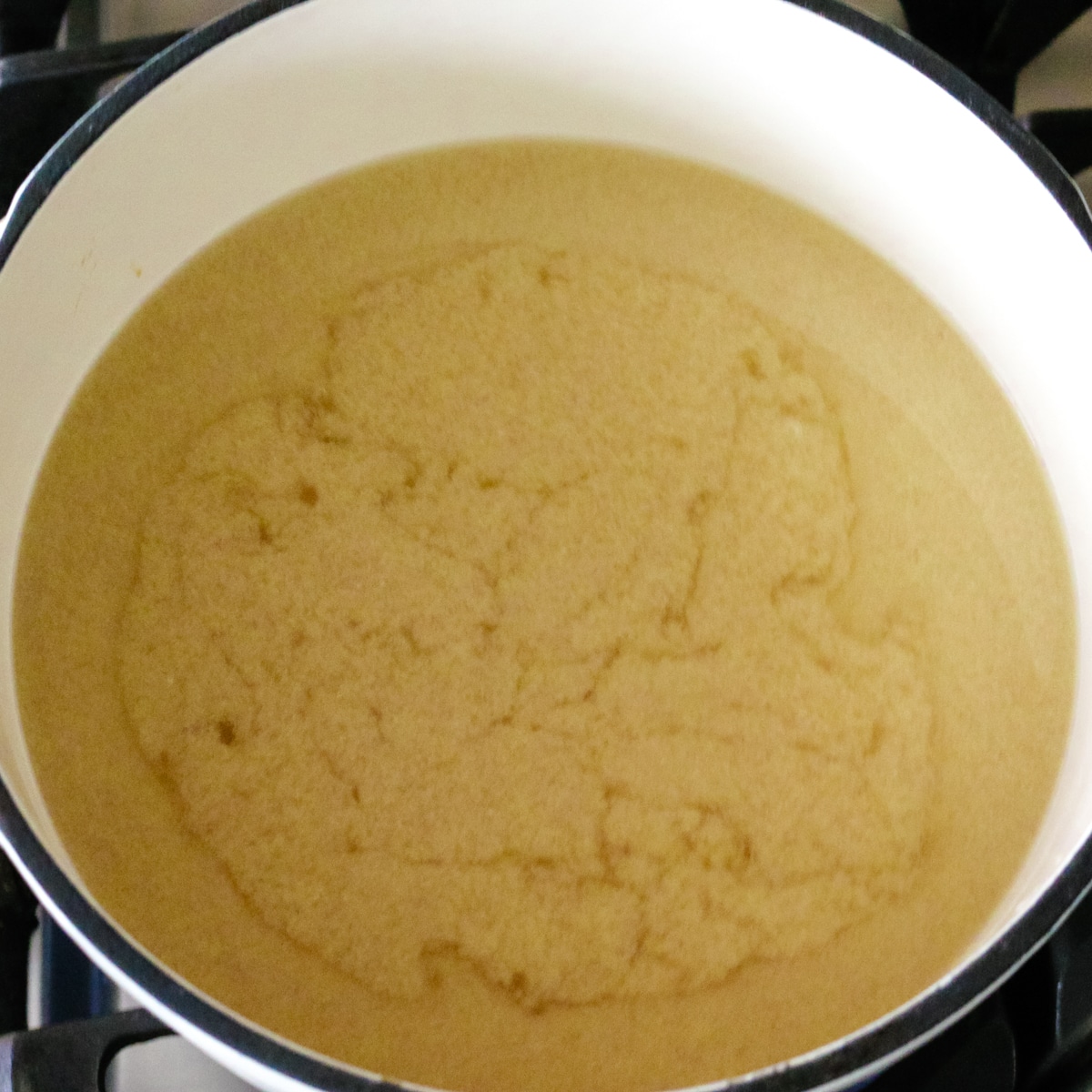
    5. Fresh herbs at the end: Add cilantro and parsley just before serving to keep their flavor bright.
    Kharcho soup being scooped with a ladle.

    Serving Suggestions

    Kharcho is a hearty soup that's a meal on it's own. Serve it with fresh milled flour bread to soak up all those flavors and you're good.

    To mellow out the spiciness, you could serve it with homemade sour cream and wash it down with this refreshing yogurt drink.

    Kharcho soup in a bowl with a spoon.

    Frequently Asked Questions

    How do I store and reheat kharcho?

    Store leftover kharcho soup in an airtight container for up to 3 days. These glass snap containers are perfect for leftovers. But I love using wide-mouth mason jars for leftover soup. To reheat, transfer the kharcho to a small saucepan and warm over medium-high heat, stirring often.

    Can I freeze kharcho soup?

    Yes! Freeze for up to 3 months. Transfer to a freezer-safe container, leaving plenty of room for expansion. Thaw overnight in the fridge and reheat gently, adding broth if needed.

    My meat came out tough. What did I do wrong?

    Kharcho benefits from low and slow cooking. Tough meat usually means it wasn’t simmered long enough. If your soup is already made, you may want to consider pulling out the meat and cutting it into smaller pieces so it's more manageable but in the future, make sure to simmer it low and slow.

    Looking for more related recipes? Here are some ideas:
    • Soup of hearty vegetable soup with carrots, potatoes, mushrooms
      Healthy Vegetable Soup Recipe
    • Instant Pot Ground Beef Kale Soup - This Ground Beef and Kale Soup is hearty and loaded with potatoes, ground beef and nutritious kale.  The best part is that this soup makes a quick and easy dinner with 4 minutes of cooking time. #instantpot #healthysoup
      Ground Beef and Kale Soup (Instant Pot) VIDEO
    • fish soup in white bowl next to spoon
      Easy Fish Soup Recipe (Simple Ukha Recipe)
    • shurpa soup in white bowl with carrots potatos and lamb.
      Shurpa Soup Recipe (Uzbek Lamb Soup with Vegetables)
    Did you make this kharcho? Please leave a ⭐⭐⭐⭐⭐ recipe rating in the recipe card below and leave a review in the comments. Thank you!💚

    Printable Recipe

    Kharcho soup in a bowl with a spoon on the side.
    Print Recipe
    No ratings yet

    Kharcho Soup (Georgian Beef and Rice Soup)

    Kharcho Soup is a Georgian beef and rice soup made with tender beef, fragrant spices, tomatoes, and fresh herbs. A hearty, flavorful, and nourishing meal that comes together in one pot.
    Prep Time15 minutes mins
    Cook Time1 hour hr 45 minutes mins
    Total Time2 hours hrs
    Course: Soup
    Cuisine: Georgian
    Keyword: kharcho, kharcho soup
    Servings: 8 servings
    Calories: 241kcal
    Author: Anya @ Prepare & Nourish

    Ingredients

    • 2 lbs bone-in beef short ribs, chuck, or shank
    • 2 tablespoons sea salt
    • 2 bay leaves
    • 10 cups water
    • 2 tablespoons tallow or ghee
    • 1 large onion finely chopped
    • 3 cloves garlic minced
    • 1 hot chili pepper
    • ½ cup crushed tomatoes
    • 3 tablespoons tomato paste
    • 1 tablespoon red wine vinegar
    • 1 ½ teaspoons ground coriander
    • 1 teaspoon paprika
    • 1 teaspoon dried fenugreek
    • ½ teaspoon red pepper flakes
    • ½ cup long-grain rice washed
    • ½ cup chopped fresh cilantro
    • ¼ cup chopped fresh parsley

    Instructions

    • Place 2 lbs bone-in beef in a large pot and cover it with 10 cups water. Add 2 tablespoons sea salt and 2 bay leaves. Bring it to a boil, then reduce the heat to a gentle simmer and cook for 1.5-2 hours, occasionally skimming off any foam that rises to the surface, until the meat is tender.
    • Remove the beef from the pot, set it aside, and if you like, strain the broth. Trim the meat off the bones and cut it into bite-sized pieces.
    • Heat the oil or butter in a separate pan over medium heat. Add the chopped 1 large onion and cook until soft and translucent, about 5 minutes. Stir in the minced 3 cloves garlic, 3 tablespoons tomato paste, 1 ½ teaspoons ground coriander, 1 teaspoon paprika, 1 teaspoon dried fenugreek, and ½ teaspoon red pepper flakes letting it cook for another 1-2 minutes until fragrant.
    • Add the sautéed onion mixture to the simmering beef broth, then stir in the washed ½ cup long-grain rice. Let it simmer for 15-20 minutes until the rice is tender, then return the beef pieces to the pot, allowing them to warm through and absorb the flavors.
    • Stir in ½ cup chopped fresh cilantro and ¼ cup chopped fresh parsley. Let the soup simmer for another 5 minutes so all the flavors meld together.

    Notes

    Storage: Kharcho Soup can be stored in an airtight container in the fridge for up to 7 days. Reheat gently on the stovetop over medium-low heat, stirring occasionally, to keep the rice from overcooking. The soup can be frozen for up to 3 months; transfer to a freezer-safe container, leaving some headspace for expansion. Thaw overnight in the fridge and reheat on the stove, adding a splash of water or broth if it’s too thick.
    Helpful Tips: 
    1. Make ahead base - the beef and stock can be cooked ahead and stored in the fridge or freezer; when ready, simply add the sauteed veggies and aromatics, rice, and herbs for a quick soup. 
    2. Skim foam regularly - to keep the broth clear and clean-tasting, free from impurities. 
    3. Adjust heat level - start with half the peppers if you prefer a milder soup; you can always add more at the end. 
    4. Wash the rice well - remove excess starch from rice by rinsing it very well. 
     

    Nutrition

    Calories: 241kcal | Carbohydrates: 14g | Protein: 18g | Fat: 12g | Saturated Fat: 6g | Polyunsaturated Fat: 1g | Monounsaturated Fat: 5g | Cholesterol: 58mg | Sodium: 1886mg | Potassium: 486mg | Fiber: 1g | Sugar: 2g | Vitamin A: 565IU | Vitamin C: 15mg | Calcium: 40mg | Iron: 3mg
    • Page 1
    • Page 2
    • Page 3
    • Interim pages omitted …
    • Page 31
    • Go to Next Page »

    Primary Sidebar

    Anya at a farm

    Hello and welcome

    I'm Anya and it is my joy to share wholesome recipes using seasonal ingredients and simplified methods. My hope is you'll feel right at home in this online kitchen, where you'll find real food recipes for real families.

    More about me →

    In Charge of Holiday Menu?

    collage of 4 holiday recipes with text overlay

    Family Meal Planning NOW Available!

    cover page for Dinner Decoded Guide and Cookbook

    Fall Favorites

    • Braised beef chuck roast with mashed potatoes on a plate, and braised beef chuck in a baking tray with sauce.
      Braised Beef Chuck Roast Recipe
    • Roasted purple cabbage with dill and garlic on white platter.
      Roasted Red Cabbage Steaks with Garlic
    • oven roasted chicken in a cast iron skillet with serving utensils.
      Juicy Oven Roasted Whole Chicken
    • roasted carrots on white platter.
      Roasted Carrots with Garlic
    • roasted butternut squash in white bowl.
      Air Fryer Roasted Butternut Squash
    • spinach artichoke and chicken in a black baking dish with a wooden spoon.
      Healthy Spinach Chicken Artichoke Casserole Recipe

    Trending Now

    • mushrooms and chicken gravy with fresh thyme sprigs garnished on top.
      Easy Creamy Chicken Liver Recipe
    • stack of cassava flour crepes on a plate for frozen blackberries.
      Easy Gluten-Free French Crêpes Recipe
    • roasted cabbage with parsley garnish sprinkled on top.
      Simple Oven Roasted Buttered Cabbage Recipe
    • Caesar salad dressing in a weck jar
      Healthy Caesar Salad Dressing Recipe
    • Pickled red onions in a white bowl and in a clear jar beside it.
      Quick Pickled Red Onions (No Cook!)
    • Chia seed puddings in clear cups, served on a white plate with a strawberry and spoon on the side.
      Protein Chia Seed Pudding

    Footer

    ↑ back to top

    Never miss a new post!

    ... Subscribe

    About

    About Me

    Privacy Policy

    Contact

    Shop

    Recipes

    Recipe Index

    Dinner Recipes

    Fermentation Recipes

    Healthy Basics

    Connect

    Instagram

    Facebook

    Pinterest

    Youtube

    Copyright © 2025 Prepare + Nourish

    Rate This Recipe

    Your vote:


    Let us know what you thought of this recipe:

    This worked exactly as written, thanks!
    My family loved this!
    Thank you for sharing this recipe.
    This recipe is a winner! Will make again.

    Or share in your own words:

    A rating is required
    A name is required
    An email is required