

• Skip to primary navigation
  • Skip to main content
  • Skip to primary sidebar
  • Home
  • About
  • Contact
  • Privacy Policy
  • START HERE
  • Nav Social Menu

    • Facebook
    • Instagram
    • Pinterest
    • YouTube
Prepare + Nourish logo
  • Recipes
  • Shop
  • Subscribe
menu icon
go to homepage
subscribe
search icon
Homepage link
  • Home
  • Recipes
  • Shop
  • Dinner, Decoded
  • About
  • Contact
  • Privacy Policy
  • First Time? Start Here
    • Facebook
    • Instagram
    • Pinterest
    • YouTube
  • ×
    Home » Recent Recipes

    Easy Blackened Fish Tacos

    fish tacos in a corn tortilla on parchment paper.

    Make these easy blackened fish tacos at home with a simple oven-baked method. The cod is seasoned with Cajun spices and served on charred tortillas with fresh sriracha mayo slaw and toppings for a flavorful and satisfying meal.

    blackened fish tacos on a piece of parchment paper.
    Looking for more healthy seafood dinners? 
    Check out salmon sushi bake, fish head soup, and tuna casserole recipe without soup.
    [feast_advanced_jump_to]

    Recipe Overview

    • Prep and Cook Time: 20 minutes to prep and 15 minutes to bake
    • Cooking Method: Oven-baked
    • Dietary Info: Paleo, Gluten-free and Grain-free options with swaps
    • Tools Needed: sharp knife, cutting board, and sheet pan
    • Skill Level: Easy

    Are these blackened fish tacos part of an ancestral diet? Not necessarily, however, check out the section on how to make them nutrient-dense (spoiler: it's sooo easy!). Read my post on what nourishing foods are based on the traditional dietary principles of the Weston A. Price Foundation.

    Reasons to Love this Blackened Cod Recipe

    "Blackened" is a cooking technique that's all about flavor - seasoned fish with a crispy, charred exterior and tender, flaky interior, all thanks to those bold Cajun spices. What's not to love here?

    I started making these fish tacos 15 years ago (totally on a whim), and they’ve been a huge hit ever since. My favorite part is that there's no need for a skillet with this oven method and the whole thing comes together in less time than you can argue over who's doing the dishes.

    Quick and easy meal the whole family will love? Sign. me. up.

    image of Prepare and Nourish owner

    Ingredients for Cod Fish Tacos

    Cabbage, pita, parsley, avocado, red bell pepper, fish, and all seasonings, including mayonnaise.
    • Cod fish: Cod is a firm white fish that works great for fish tacos. You want to use skinless cod fish fillets.
    • Cajun seasoning: A blend of southern spices like smoked paprika, onion powder, oregano, and cumin gives that Cajun flavor and blackened fish appearance. You can scale the recipe for my homemade Cajun seasoning and use it for other recipes.
    • Cabbage: Green or red cabbage will both work. You can save time by buying packaged shredded cabbage, but fresh is always best.
    • Green onions & cilantro: Added directly to the cabbage slaw, the onions add a mild bite, while cilantro brings freshness.
    • Slaw dressing: A creamy blend of mayonnaise (use my avocado oil mayonnaise!) with a kick of sriracha, balanced with fresh lime juice. For an easy swap, use sriracha mayo instead and just squeeze some lime juice.
    • Corn tortillas: I love Food for Life sprouted corn tortillas but they break so easily so double up! Feel free to use your favorites here. Flour tortillas work too!

    Substitutions and Variations

    • Add some sweetness - top with mango salsa or chopped pineapple (but keep it minimal).
    • Swap the mayo - I think mayonnaise adds that delicious creaminess but you can swap it for Greek yogurt for a lighter option.
    graphic of fork and spoon connected in a plant.

    Make it Nutrient-Dense

    Take your blackened fish tacos up a notch by adding some fermented flair! Top them with fermented jalapenos or red cabbage sauerkraut for a tangy crunch and healthy probiotic boost. It's a simple addition that makes these just a tad more nutritious.

    fish tacos on a platter with parchment paper.

    How to Make Blackened Fish Tacos

    The complete printable recipe is below in the recipe card for your convenience. Follow these simple step-by-step instructions for the best results.
    Seasoned fish in a pan.

    Step 1. Season

    Combine all the Cajun seasoning ingredients. Drizzle the fish with avocado oil, then coat it with the seasoning blend. Bake for 15 minutes or until cooked through.

    Mix of vegetables and mayo in a white bowl.

    Step 2. Mix

    In a large bowl, toss the shredded cabbage, green onions, cilantro, mayonnaise, sriracha, and the juice of half a lime until well combined.

    Shredded fish on a pan.

    Step 3. Flake

    Once the fish is cooked through, take it out of the oven and gently flake it with two forks.

    A plate of fish tacos.

    Step 4. Assemble

    Heat tortillas on medium heat on an open flame. Add coleslaw on the bottom, followed by flaked fish, and slices of avocado and tomatoes.

    Helpful Tips

    1. Start with dry fish - Pat the fish dry before seasoning to help the spices stick better and promote browning instead of steaming.
    2. Shred your own cabbage - Pre-shredded bagged coleslaw cabbage is convenient in a pinch, but I promise, shredding cabbage at home will give you the freshest, crunchiest slaw.
    3. Warm tortillas - To make them pliable, heat them up before assembling your tacos. I like to char mine directly over a gas burner using tongs, flipping to get a nice toast on both sides. If you don’t have a gas stove, simply warm them in a dry skillet until soft and slightly golden.

    Troubleshooting

    • Fish too dry? Don't overcook the fish. The cod should be opaque and flake easily with a fork. You can use an instant-read meat thermometer and cook until the internal temperature of the fish reaches just shy of 145°F (63°C).
    • Tortillas breaking? Use two tortillas per taco if using thin corn tortillas to prevent breakage.

    Product Highlight!

    Air Fryer Toaster Oven

    Skip the oven and use a counter toaster oven to "blacken" those cod fish fillets. I love this workhorse in my kitchen and it's the perfect size for these tacos.

    Grab yours →
    air fryer toaster oven.
    fish taco with avocado and tomato slices.

    Serving Suggestions

    We love serving this cod fish tacos as a complete meal - it already has healthy protein, fats, and carbs all rolled into one delicious corn tortilla.

    But you can add simple roasted vegetables like cajun sweet potato fries or air fryer zucchini.

    You can also top these cajun fish tacos with your favorite taco Tuesday classics like pico de Gallo or roasted jalapenos or avocado crema. If you want to bulk it up, consider making a pot of Instant Pot white rice cooked in bone broth.

    More cod fish tacos topping suggestions:
    • Sriracha mayo in a clear bowl, and there’s a spoon with it.
      5-Minute Spicy Mayo (Mayo with Sriracha)
      Cook Time5 Minutes
    • Blender salsa in a weck jar with wooden spoon
      Blender Salsa (5 minutes!)
      Cook Time5 Minutes
    • roasted and peeled peppers in a jar.
      Roasted Jalapeño Peppers
      Cook Time40 Minutes
    • garlic sauce with specks of black pepper and minced garlic with fresh parsley leaf.
      Easy 5-minute Spicy Garlic Yogurt Sauce
      Cook Time5 Minutes
    A plate of cabbage and four fish tacos with avocado and lime on the side.

    Frequently Asked Questions

    How do I store and reheat blackened fish tacos?

    Store leftover cod fish tacos in an airtight container for up to 3 days. It's best to keep the fish separate from the other ingredients. These glass snap containers are perfect for leftovers. Reheat the fish in an air fryer for a few minutes or until heated through.

    Can I use a different type of fish for these tacos?

    Yes, you can swap the cod for other mild, flaky fish like haddock or mahi-mahi. Just adjust the cooking time based on the thickness of the fish. I would avoid tilapia as they are almost always farm-raised.

    Can I make these cod fish tacos ahead of time?

    Yes, you can make these blackened cod tacos ahead of time. However, it's best to prepare the fish and the toppings separately and assemble them before serving to prevent the tacos from becoming soggy. You can also store any leftover fish and toppings separately in the fridge for up to 3 days.

    Looking for recipes to use up that head of cabbage? Here are some ideas:
    • Cabbage and Chicken casserole in a baking dish
      Chicken Cabbage Casserole
    • Shredded cabbage with cucumbers in a white bowl.
      Cabbage Cucumber Salad
    • roasted cabbage with parsley garnish sprinkled on top.
      Simple Oven Roasted Buttered Cabbage Recipe
    • cabbage rolls on a white plate with sour cream drizzle.
      Lazy Cabbage Rolls
    Did you make this blackened fish tacos? Please leave a ⭐⭐⭐⭐⭐ recipe rating in the recipe card below and leave a review in the comments. Thank you!💚

    Printable Recipe

    fish tacos in a corn tortilla on parchment paper.
    Print Recipe
    5 from 5 votes

    Blackened Cod Fish Tacos

    These blackened fish tacos are seasoned with Cajun and served in charred tortillas with sriracha mayo slaw and fresh toppings.
    Prep Time20 minutes mins
    Cook Time15 minutes mins
    Total Time35 minutes mins
    Course: Main Course
    Cuisine: American
    Keyword: blackened cod recipe, blackened fish tacos, cod fish tacos
    Servings: 4 servings
    Calories: 643kcal
    Author: Anya @ Prepare & Nourish

    Ingredients

    Cajun Fish

    • 2 lbs cod fish fillets
    • 1 tablespoon avocado oil
    • 1 teaspoon sea salt
    • 2 teaspoons smoked paprika
    • ½ teaspoon onion powder
    • ½ teaspoon oregano leaf
    • ¼ teaspoon ground cumin

    Slaw

    • 5 cups shredded cabbage
    • ½ cup cilantro finely chopped
    • ½ cup green onions finely sliced
    • ½ cup mayonnaise
    • 1 tablespoon sriracha
    • 1 lime

    Fish Tacos

    • 1 tomato sliced to half-moons
    • 1 avocado sliced to half-moons
    • 8 corn tortilas

    Instructions

    • Preheat oven to 425°F.
    • In a small bowl, mix all the Cajun seasoning ingredients. Pat the fish dry with paper towels. Drizzle the fish with avocado oil, then coat it generously with the seasoning blend. Bake for 15 minutes until cooked through and the fish flakes easily.
      2 lbs cod fish fillets, 1 tablespoon avocado oil, 1 teaspoon sea salt, 2 teaspoons smoked paprika, ½ teaspoon onion powder, ½ teaspoon oregano leaf, ¼ teaspoon ground cumin
    • In a large bowl, toss shredded cabbage, green onions, cilantro, mayonnaise, sriracha, and the juice of half of a lime until well combined.
      5 cups shredded cabbage, ½ cup cilantro, ½ cup green onions, ½ cup mayonnaise, 1 tablespoon sriracha, 1 lime
    • Once the fish is cooked through, take it out of the oven and gently flake it with two forks.
    • To assemble the tacos, heat tortillas on medium heat on an open flame or in a cast iron skillet. Add coleslaw to the bottom of the tortilla, followed by flaked fish, and slices of avocado and tomatoes. Serve immediately.
      1 tomato, 8 corn tortilas, 1 avocado

    Notes

    Storage: Store leftover cod fish tacos in an airtight container for up to 3 days. It's best to keep the fish separate from the other ingredients.
    Helpful Tips:
    • Start with dry fish - Pat the fish dry before seasoning to help the spices stick better and promote browning instead of steaming.
    • Shred your own cabbage - Pre-shredded bagged coleslaw cabbage is convenient in a pinch, but I promise, shredding cabbage at home will give you the freshest, crunchiest slaw.
    • Warm tortillas - To make them pliable, heat them up before assembling your tacos. I like to char mine directly over a gas burner using tongs, flipping to get a nice toast on both sides. If you don’t have a gas stove, simply warm them in a dry skillet until soft and slightly golden.

    Nutrition

    Calories: 643kcal | Carbohydrates: 38g | Protein: 47g | Fat: 35g | Saturated Fat: 5g | Polyunsaturated Fat: 15g | Monounsaturated Fat: 13g | Trans Fat: 0.1g | Cholesterol: 109mg | Sodium: 1016mg | Potassium: 1602mg | Fiber: 11g | Sugar: 5g | Vitamin A: 1297IU | Vitamin C: 54mg | Calcium: 150mg | Iron: 3mg

    How to Cook Beef Tongue

    beef tongue with onions and bay leaves in instant pot inner pot.

    Learn how to cook cow tongue in the pressure cooker to get tender meat every time! This easy Instant Pot beef tongue recipe will show you how to achieve the perfect texture, effortlessly peel the skin, and clean the beef tongue quickly. Hint: It's much easier than you think!

    beef tongue sliced on cutting board.

    The beef tongue is a global delicacy, featured in Mexican tacos de lengua and European salads or sandwiches. And if you're curious about the nutritional benefits of beef tongue (and other organ meats for that matter) but not sure where to start, this pressure cooker beef tongue recipe is a great starting place.

    It's incredibly tender, and the mild taste is perfect for those new to organ meats. Plus, I love cooking beef tongue in my Instant Pot because the skin peels off so effortlessly.

    Looking for more nutrient-dense organ recipes? 
    Check out beef liver pâté, dirty rice with chicken liver, and how to make tacos de lengua.
    [feast_advanced_jump_to]

    Recipe Overview

    • Prep and Cook Time: 10 minutes to prep, 1 hour and 30 minutes cooking time, and 1 hour pressure rising and release.
    • Cooking Method: Instant Pot
    • Dietary Info: Paleo, GAPS, Keto, Ancestral diet
    • Tools Needed: Instant Pot, chef knife, cutting board
    • Skill Level: Easy

    What is an ancestral diet? Read my post on what nourishing foods are based on the traditional dietary principles of the Weston A. Price Foundation.

    Reasons to Love Cooking Beef Tongue

    Serving beef tongue regularly is a total game-changer. Not only is it packed with essential nutrients like iron, zinc, and B vitamins, making it a powerhouse for your health, but it's also ridiculously tender and easy to cook thanks to the Instant Pot.

    Seriously, the texture is melt-in-your-mouth perfect every time, and you don't have to be a pro to pull it off.

    Plus, it's super versatile - swap out ground beef in tacos, pile it on sandwiches, or throw in a hearty soup, the options are endless. It's flavorful but not in a game-y organ meat kind of way, you know? It actually tastes much like roast beef, so even if you're new to organ meats, you'll feel right at home with this cut.

    image of Prepare and Nourish owner

    Ingredients for Cooking Beef Tongue

    cooking tongue ingredients of beef tongue, onion, sea salt, bay leaves, and black peppercorns.
    • Beef tongue: When buying beef tongue, look for one with rich red color at the base of the tongue. While beef tongues vary in size, they should still feel relatively heavy for their size. A heavier beef tongue indicates good muscle development. If it's packaged, inspect the package for any signs of damage, leakage, or excessive ice crystals.
    • Onion: Yellow, white, or red onion will work as we're just adding it for flavor.
    • Seasonings: A simple blend of seasonings, including sea salt, black peppercorns, and bay leaves, will add amazing flavor yet still keep it mild so it won't overpower other flavors in cooked tongue dishes.

    Substitutions and Variations

    • Vegetables: Enhance the beef tongue flavor by adding carrots, celery, leeks, or parsnips during cooking.
    • Stovetop Instructions: To cook beef tongue on the stovetop, simmer it in a pot with water and all seasonings for 3-4 hours, or until tender (pierce with a fork and if it slides without resistance, it's tender) . Once cooked, remove the tongue and peel off the skin.
    • Slow Cooker Instructions: Add all ingredients, cover with water, and cook on low for 8-10 hours until fork-tender and the skin easily separates from the muscle tissue. Adjust cooking time based on the size of the tongue.
    graphic of fork and spoon connected in a plant.

    Make it Nutrient-Dense

    If we consume organ meats for their nutrition, it's best to source them from grass-fed cows. My favorite sources for grass-fed beef are your local farmer's markets. But when that's not accessible, Wild Pastures and US Wellness Meats both regularly carry good quality cow tongue.

    How to Clean Beef Tongue

    raw beef tongue on paper towel and cutting board.

    Here's the great thing about cooking beef tongue in the Instant Pot. There's not much cleaning to do. The easiest way to clean beef tongue is to rinse it under running cold water to remove any residue and pat it dry with paper towels.

    Then, after it cooks, the skin easily separates from the underlying muscle tissue.

    You'll be amazed how incredibly easy it is to clean beef tongue after it has been sufficiently cooked. Don't attempt to remove the skin before that, as it will be frustrating and difficult.

    Cooking causes a change in the texture of the beef tongue, allowing the skin and muscle fibers to break down. As a result, this makes the skin more tender and less resistant.

    If you find that the skin is still a little stubborn in some parts, it's possible it wasn't cooked long enough, particularly if your beef tongue is on the larger side. If that's the case, you can either use a knife to carefully remove it or pop the tongue back in the pressure cooker and cook for an additional 10-15 minutes.

    How to Cook Cow Tongue

    The complete printable recipe is below in the recipe card for your convenience. Follow these simple step-by-step instructions for how to cook beef tongue in the pressure cooker for the best results.

    beef tongue with onions and bay leaves in instant pot inner pot.

    Step 1. Add to pot

    Add onion, bay leaves, peppercorns, salt, and beef tongue to the Instant Pot, then cover with water.

    beef tongue filled with water and onions and seasonings.

    Step 2. Cook on manual

    Place the inner pot in the Instant Pot, seal it, and cook manually for 90 minutes, followed by natural pressure release (NPR).

    cooked beef tongue on a small baking sheet.

    Step 3. Transfer the tongue

    When the safety pin is down, carefully open the lid. Remove the beef tongue using a pair of tongs and transfer to a rimmed quarter baking sheet. Let the cow tongue rest for a few minutes.

    cooked beef tongue on a stainless steel sheet with skin peeled off.

    Step 4. Remove the skin

    Starting at the base of the tongue, carefully peel away the skin using the tongs and work your way toward the tip of the tongue until the tongue is completely peeled and clean. Rinse and pat dry.

    cooked and peeled cow tongue on a wooden cutting board.

    Helpful Tips

    1. Naturally release pressure: Depending on the size of your beef tongue and how much liquid you added, your natural pressure release (NPR) time can be up to 45 minutes. Don't try to rush the process by using quick pressure release (QPR).
    2. Cooking time: This will depend on the size of the beef tongue. But generally, you want to cook it in the pressure cooker for 30 minutes per pound of beef tongue. I usually cook it for at least 60-90 minutes to ensure it comes out fork-tender and easy to peel.
    3. Excess fat: Trim visible fat or gristle with a knife or kitchen shears, or incorporate them into your recipe as desired.

    Troubleshooting

    • Skin doesn’t peel off? When cooked sufficiently, the skin on the beef tongue should easily be released from the meat. Some parts may require the use of a paring knife, but there should be little to no resistance.
    • Tough texture? If the beef tongue isn't tender after the suggested cooking time, it may need an additional 15-30 minutes, especially for larger tongues. Ensure you're cooking at the correct pressure and for the right duration.

    How to Cut Boiled Tongue

    Once you have cooked the beef tongue, consider how you want to use it. Do you want to shred it like roast beef or cut it into cubes or strips for easy browning?

    How to shred beef tongue:

    For shredded beef, using your fingers or two forks, gently separate the cooked muscle fibers starting at one end of the tongue and work your way across the meat.

    Shredding beef tongue is easier when it's still warm.

    How to cut beef tongue:

    For precise cutting, chill the cooked beef tongue in the refrigerator, then slice it against the grain to your desired thickness. Cut crosswise for diced pieces or leave as strips.

    beef tongue sliced on cutting board.

    Product Highlight!

    Instant Pot 7-in-1 Pressure Cooker

    I've had this one since it first came out and it's such a workhorse in my kitchen. It cooks beef tongue perfectly!

    Grab yours →
    instant pot 7 in 1.
    💭Meal Prep Suggestion!
    Cook beef tongue in an Instant Pot with onion, bay leaves, salt, and pepper. Peel the skin, trim fat, and shred or slice it. Store in the fridge for up to 4 days or freeze for up to 3 months. Use in tacos, hash, salads, or soups, and reheat in a skillet with butter or add to soups for a quick meal.

    Serving Suggestions

    How you serve beef tongue is only limited to your imagination. Serve boiled tongue how you would another cut of beef. Add it to burritos, as a protein to salads, or to sheet pan hash browns.

    As an appetizer: We love serving this boiled tongue by crispying it up in butter over medium heat. You can see the complete beef tongue recipe here with tips and tricks on how to jazz up this organ meat and take it from good to great.

    In tacos: Another favorite way to enjoy beef tongue is in lengua tacos or beef tongue tacos. You can also use it in place of ground beef taco meat in sheet pan nachos.

    More cooking beef tongue pairing suggestions:
    • cooking perfectly crispy shredded hash browns in air fryer on stainless steel cooking tray.
      Perfectly Crispy Shredded Hash Browns in Air Fryer
      Cook Time15 Minutes
    • Roasted purple cabbage with dill and garlic on white platter.
      Roasted Red Cabbage Steaks with Garlic
      Cook Time35 Minutes
    • roasted butternut squash in white bowl.
      Air Fryer Roasted Butternut Squash
      Cook Time15 Minutes
    • cooked buckwheat in a white bowl with Instant Pot in background
      Instant Pot Buckwheat
      Cook Time27 Minutes
    crispy and fried beef tongue with coarse salt and lemon.

    Frequently Asked Questions

    How to store boiled beef tongue?

    When the cooked tongue has completely cooled down, transfer it to an airtight container and store it in the fridge for up to 5 days. These glass snap containers are perfect for cooked beef tongue. To reheat, melt a little butter or another cooking fat in a stainless steel skillet over medium-high heat and brown until crispy to your liking.

    Can I freeze the boiled cow tongue?

    Beef tongue freezes incredibly well. I recommend cutting it into thin tongue slices and layering them in a freezer-safe container with parchment paper separating the layers. When ready to enjoy again, remove one layer of sliced thin tongue by pulling the parchment sheet and thaw in the refrigerator overnight.

    How long to cook beef tongue in pressure cooker?

    This will depend on the size of the beef tongue. But generally, you want to cook it in the pressure cooker for 30 minutes per pound of beef tongue. I usually cook it for at least 60-90 minutes to ensure it comes out fork tender and easy to peel.

    What can I do with the cooking liquid?

    You can strain the beef tongue broth and use it as a flavorful base for soups, sauces, or gravies. You can also use it as stock in other recipes, much like Instant Pot chicken bone broth or beef bone broth.

    Looking for more related recipes? Here are some ideas:

    • Board of flat cooked cabbage leaves
      How to Prepare Cabbage Leaves for Stuffed Cabbage Rolls
    • beef bone broth in mason jars.
      Beef Bone Broth Recipe
    • Perfect Rice in the Instant Pot -Easily prepare perfect rice for maximum absorption and nutrition in your electric pressure cooker. Instructions for both soaked rice and regular rice.
      How to Cook Perfect Rice in Instant Pot (instructions for soaked Rice and Regular)
    • chicken bone broth in white mug with carrots.
      Instant Pot Chicken Bone Broth Recipe
    Did you make this Instant Pot Beef Tongue? Please leave a ⭐⭐⭐⭐⭐ recipe rating in the recipe card below and leave a review in the comments. Thank you!💚

    Printable Recipe

    beef tongue with onions and bay leaves in instant pot inner pot.
    Print Recipe
    5 from 4 votes

    How to Cook Beef Tongue in Instant Pot

    Learn how to cook cow tongue for tender meat, perfect texture, easy skin peeling, and quick cleanup.
    Prep Time10 minutes mins
    Cook Time1 hour hr 30 minutes mins
    Pressure Rising and Release1 hour hr
    Total Time2 hours hrs 40 minutes mins
    Course: Appetizer, Breakfast, Healthy Basics
    Cuisine: American, Russian, Slavic, Ukrainian
    Keyword: how to cook beef tongue, how to cook cow tongue, Instant Pot beef tongue
    Servings: 12 servings
    Calories: 261kcal
    Author: Anya @ Prepare & Nourish

    Equipment

    • Instant Pot

    Ingredients

    • 3 pounds beef tongue
    • 1 yellow onion
    • 2 bay leaves
    • 1 teaspoon black peppercorns
    • 1 tablespoon sea salt
    • enough water to cover the beef tongue

    Instructions

    • Peel the onion and cut it into quarters. Add beef tongue, quartered onions, bay leaves, peppercorns, and salt to the Instant Pot inner pot. Pour enough water to cover the beef tongue and the rest of the ingredients.
    • Place the inner pot in the Instant Pot, cover, and set the safety valve to sealing position. Cook on manual for 90 minutes. Then allow natural pressure release until the safety pin is down.
    • When safe to open the Instant Pot, carefully remove beef tongue and transfer to a rimmed baking sheet or platter. Let the cow tongue rest for a 5-10 minutes.
    • Using a pair of tongs, carefully pull away the skin, starting with the base of the tongue and working your way towards the tip. The skin should release easily from the meat but it may help to use a paring knife if you come across some parts that are difficult.
    • Discard the skin from the cleaned beef tongue. You can discard the liquid the tongue was cooked in or use it in recipes to replace broth. When completely cooled, transfer beef tongue to an airtight container.

    Notes

    Storage: Store cooked beef tongue in an airtight container in the fridge for up to 5 days. You can also freeze it in a freezer-safe container for up to 3 months. Thaw overnight in the fridge and reheat in an oiled skillet. 
    Helpful Tips: 
    • Cooking time: This will depend on the size of the beef tongue. But generally, you want to cook it in the pressure cooker for 30 minutes per pound of beef tongue. I usually cook it for at least 60-90 minutes to ensure it comes out fork-tender and easy to peel.
    • Excess fat: Trim visible fat or gristle with a knife or kitchen shears, or incorporate them into your recipe as desired.
    • Skin doesn’t peel off? When cooked sufficiently, the skin on the beef tongue should easily be released from the meat. Some parts may require the use of a paring knife, but there should be little to no resistance.

    Nutrition

    Calories: 261kcal | Carbohydrates: 5g | Protein: 17g | Fat: 18g | Saturated Fat: 8g | Polyunsaturated Fat: 0.01g | Monounsaturated Fat: 0.003g | Cholesterol: 100mg | Sodium: 662mg | Potassium: 374mg | Fiber: 0.3g | Sugar: 0.4g | Vitamin A: 3IU | Vitamin C: 4mg | Calcium: 12mg | Iron: 3mg

    How to Make Kimchi (Easy Fermented Kimchi Recipe)

    kimchi in half-gallon mason jar with lid on the side in how to make kimchi tutorial.

    Learn How to Make Kimchi at home with this simple step-by-step guide. This Easy Fermented Kimchi recipe is loaded with spicy and tangy flavors and crunchy textures. Plus, this napa cabbage kimchi recipe truly has the most simplest and wholesome ingredients, including excellent gochujang substitutes!

    Easy kimchi recipe in a white bowl with jar in the far distance.

    Unleash the probiotic goodness and flavorful wonders of this approachable and easy kimchi recipe.

    This easy-to-follow guide will walk you through all the steps of creating your very own, deeply-flavored kimchi right in your kitchen. From gathering kimchi ingredients to burping kimchi - this has it all!

    And if you're new to fermented cabbage recipes, be sure to check out raw sauerkraut recipe, red cabbage recipe, and spicy kraut with ginger and garlic.

    Let's jump in, have some fun, and discover the world of tasty fermentation as we make homemade kimchi together!

    [feast_advanced_jump_to]

    What is Kimchi?

    Kimchi is a traditional Korean dish made from fermented vegetables, most commonly napa cabbage. It is considered a staple in Korean cuisine and is enjoyed as a side dish or as an ingredient in another recipe. It is often found in Asian markets.

    While kimchi is commonly known as a Korean dish, variations of fermented napa cabbage exist among other Asian countries such as China, Japan, and Taiwan.

    The main ingredient in kimchi is napa cabbage, which features pale green leaves and white stems and bulb.

    Napa cabbage in kimchi is typically cultured in a brine made with salt, ginger, garlic, and chili pepper flakes. Other vegetables, such as radishes, carrots, and scallions or spring onions may also be added to enhance the flavor and texture.

    prepped kimchi ingredients in separate bowls.

    Why Learn How to Make Kimchi

    Live probiotic goodness - Discover the health benefits of live probiotics and enzymes formed during the lacto-fermention process. It's an easy way to get healthy bacteria to your gut.

    Easy to make - Making kimchi can be intimidating because it has so many components, and fermenting vegetables can be tricky. That's why I share tips and tricks and a fermentation timeline so you will know success on your first try at making this easy kimchi recipe.

    Wholesome - This Korean kimchi recipe takes a healthy spin by using unprocessed ingredients. No soybean oil. Just pure and healthy ingredients. If you declined gochujang kimchi because of the filler ingredients, this kimchi recipe is for you!

    Customizable - Kimchi ingredients can appear daunting. That's why I'm including plenty of substitutes that are readily available and accessible so anyone can make this recipe, beginners and fermentation buffs alike.

    💭Fun Fact: In Japanese, napa cabbage is called "hakusai" which literally translates to white vegetable. 

    Ingredients for Homemade Kimchi

    Learn how to make kimchi with a handful of simple ingredients. And be sure to check out the substitutions for how you can tweak this to use ingredients you have on hand.

    kimchi ingredients with labels in post on how to make kimchi.
    • Napa cabbage: Also known as hakusai, napa cabbage, is the main vegetable used in kimchi. Look for crispy, pale green leaves and a white stalk and bulb.
    • Daikon radish: Adds extra crunch and a peppery taste.
    • Carrots: Adds a touch of natural sweetness that balances the spiciness and saltiness of kimchi.
    • Green onions: Also known as scallions, green onions contribute a fresh and mild onion flavor, adding an aromatic element to the napa cabbage kimchi.
    • Aromatics: Fresh ginger and garlic adds warmth and slightly spicy flavor to kimchi. Fish sauce is also great at contributing umami flavor and helps to enhance the overall saltiness of kimchi. It also kick-starts the fermentation process, thanks to the natural bacteria that it contains.
    • Gochugaru: Most commonly known as Korean red pepper, gochugaru is just that - red pepper flakes and they are the key ingredient in giving kimchi its signature spicy and vibrant flavor. Gochugaru varies in heat levels, so you can adjust the amount based on your preference for spiciness.

    See the recipe card for exact quantities.

    Substitutions and Variations

    • Fish sauce - Use anchovy paste or anchovies instead of fish sauce to still give that complex flavor and umami taste. In a pinch, you can use the same amount of coconut aminos or soy sauce.
    • Daikon radish - This root vegetable can be hard to find in grocery stores sometimes. Use turnips or radishes instead, or omit them entirely.
    • Gochugaru - This is an excellent gochujang substitute, but you can use the paste if you desire a more robust flavor to make spicy kimchi. Or use dried red pepper flakes and paprika instead of gochugaru.
    Cutting napa cabbage to prepare kimchi on cutting board.

    Make it Nutrient Dense

    Staying true to the heart of what Prepare and Nourish is all about, there are ways to ensure you get the maximum nutrition in this traditional napa cabbage kimchi recipe.

    Use high-quality produce. Select fresh and crisp napa cabbage and vegetables from your local farmer's market.

    Ditch additives and use gochugaru. Many kimchi recipes call for gochujang paste, which typically contains tapioca syrup, brown rice, yeast extract, and some alcohol by-product to preserve freshness. Gochugaru is an excellent gochujang substitute because you can skip all those unnecessary ingredients.

    Use unrefined sea salt. Skip the blue cans of iodized salt and use unrefined, mineral-rich sea salt. For more information on unrefined salt, see my post on Unrefined Salt Guide and the importance of using good quality salt in your cooking.

    Kimchi in white bowl with white towel to the side.

    How to Make Kimchi

    The complete printable recipe is below in the recipe card for your convenience.

    Follow these step-by-step instructions to make your own kimchi at home. Start with clean hands and prep all your ingredients so the process moves quickly.

    massaging napa cabbage in a large bowl for kimchi recipe.

    Step 1. Massage

    In a large bowl, add chopped cabbage cut into bite-size pieces and sprinkle salt over it. Gently massage cabbage for a few minutes until it starts to release juices.

    carrots, radish, and green onions added to napa cabbage in kimchi recipe.

    Step 2. Add

    Add shredded carrots, daikon radish, and green onions cut into one-inch pieces to the napa cabbage.

    💭Pro tip: Don't be afraid to get your hands in there and give the cabbage a good massage before fermenting! If you need to - wear gloves. 
    adding fish sauce to kimchi recipe in large bowl.

    Step 3. Season

    Add minced garlic, ginger and gochugaru to the vegetables. Pour fish sauce.

    Combine all vegetables in large bowl in how to make kimchi.

    Step 4. Combine

    Mix the vegetables, ensuring that every piece is well coated with the seasonings.

    💭Pro tip: You can combine garlic, ginger, gochugaru, and fish sauce in a small bowl first then add to the vegetables so it's equally dispersed. 
    Kimchi transferred to a mason jar.

    Step 5. Transfer

    Transfer the kimchi mixture into clean glass jars, pushing it down firmly to remove any air pockets and ensuring all vegetables are submerged in the brine. Place a fermentation weight on top of the kimchi.

    fermentation weight in a mason jar with kimchi in.

    Step 6. Ferment

    Leave some headspace for pressure to buildup. Seal the jar tightly and place it over a small plate or bowl to catch any overflow. Let it sit at room temperature for the first few days to initiate fermentation.

    fermentation weight releasing liquid in kimchi.

    Helpful Tips for Homemade Kimchi

    Start with clean cabbage - Napa cabbage hides dirt and bugs between the leaves, much like bok choy. After rinsing and cutting the cabbage into chunks, rinse it well under running cold water to remove dirt and impurities. Then run it through a salad spinner to remove excess water.

    Use coarse salt - The large salt granules will break down the cabbage leaves quicker, which will aid in the fermentation.

    Catch overflow of brine - As the vegetables soften and release more natural juices, the pressure will start pushing the contents higher, and as a result, the brine may seep out. Leaving headspace and placing the jar over a small sheet pan or shallow bowl is helpful to catch any overflow.

    Weigh ingredients for best results - Use weight measurements instead of volume for consistent results. Weight measurements are included in the recipe card for your convenience. You can read more about the importance of using a salt calculator in this sauerkraut recipe post.

    💭Meal Prep Suggestion: A small batch of Korean traditional kimchi will last you a long while. It makes an excellent side dish or condiment at every meal to keep up with good digestive health.

    Kimchi Fermentation Timeline

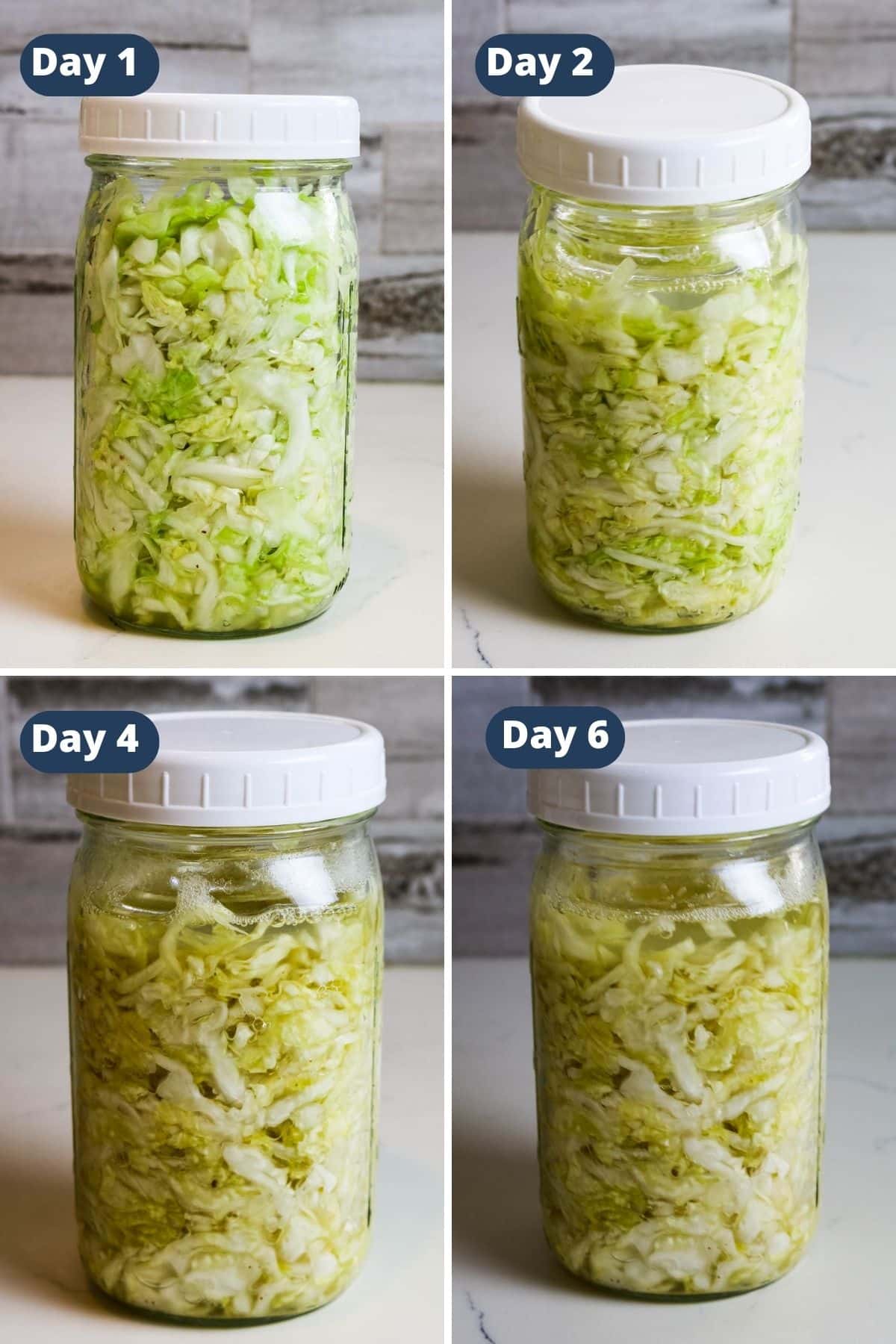
    During the initial fermentation period (first 2-5 days, depending on the temperature of your house), burp kimchi daily to release carbon dioxide buildup.

    How to burp kimchi? Simply open the jar regularly to release carbon dioxide buildup.

    Let the kimchi ferment at room temperature away from direct sunlight for up to 8 days. Taste daily until it reaches the desired flavor.

    Once the kimchi is ready, it can be enjoyed immediately but will continue to ferment slowly in the refrigerator, developing more flavor over time.

    Check out the transformation of napa cabbage kimchi over a period of 6 days. You can see the vegetables become a more muted color

    kimchi fermentation timeline with 4 different images of kimchi transforming into a fermented food.

    Tools & Links to Make Kimchi at Home

    Below are some affiliate links that may be helpful to you as you make this kimchi recipe. You can find some of these items cheaper at your local store, but having a link helps you know what you're looking for.

    • Tools: chef knife, cutting board, large mixing bowl, salad spinner, digital kitchen scale, fermenting glass weight, food processor to quickly grate carrots and turnip
    • Ingredients: real salt, gochugaru (Korean red pepper), fish sauce
    • Storage Supplies: quart-size mason jars, wide-mouth mason jars, Weck preserving jars, Avoid plastic containers to avoid having anything leach into your foods, as this uses lactic acid fermentation.

    Serving Suggestions

    Kimchi is an excellent accompaniment to fried eggs in the morning. Or go all out and serve it with sheet pan breakfast or hash browns. Somehow, breakfast potatoes and kimchi really hits the spot.

    But more importantly, kimchi, like most fermented foods, are best served as a condiment to a meal for flavor and probiotic effects.

    Kimchi pairing suggestions
    • spicy pork with veggies over ramen
      Spicy Pork Ramen Recipe
      Cook Time1 Hours 30 Minutes
    • chicken wings on black dish with green herb.
      Crispy Baked Salt and Pepper Chicken Wings Recipe
    • Instant Pot Sprouted Brown Rice with Beef Recipe -This Instant Pot Sprouted Brown Rice with Beef recipe is a simple dish that is full of flavor and bound to make the entire family happy. This dish is healthy, easily digestible and simple to make for a quick one pot dinner with plenty leftovers for lunch. #onepot #pressurecooker #instantpot
      Instant Pot Sprouted Brown Rice with Beef (healthy one pot meal!)
      Cook Time30 Minutes
    • pork tenderloin medallions on a white plate.
      Air Fryer Pork Tenderloin
      Cook Time42 Minutes

    Storage Instructions

    To store: After the initial 8-10 days of active fermentation at room temperature, transfer the kimchi to the fridge for up to 12 months! That's right - it will likely go well past that but we usually finish it by then.

    Storage containers: I love keeping all my ferments in an airtight container or a glass jar like wide mouth mason jars. Use quart size mason jars for smaller quantities and half-gallon mason jars for larger batches. Jars are convenient because they already come with a tight fitting lid.

    Kimchi in a tall mason jar.

    FAQs

    How long do I need to ferment kimchi?

    The fermentation time for kimchi can vary depending on several factors, including the desired level of sourness and the temperature at which it is fermented.

    Generally, kimchi, like all wildly fermented vegetables are left to ferment for a few days to a several weeks. I prefer fermenting kimchi at room temperature for up to 8 days, followed by retarded (slow) fermentation in the refrigerator for months.

    Is it important to seal the jar during fermentation?

    Sealing the jar or fermentation crock is recommended as it helps create an anaerobic (oxygen-free) environment, which is favorable for the fermentation process and the growth of beneficial bacteria. It also helps prevent contamination from outside microorganisms.

    How often do I need to burp the kimchi fermentation jar?

    During the initial days of fermentation, burp the kimchi jar once or twice a day to release buildup gas. If the fermentation is active or the room temperature is warm, burp the jar every 8-12 hours. Once the kimchi is in the refrigerator, there is no need to burp it.

    How can I prevent the pressure from breaking the fermentation jar?

    However, it's important to note that during the initial stages of fermentation, gases may be produced as a byproduct, causing pressure to build up inside the jar.

    To avoid any potential explosion or leakage, you can use a fermentation lid or leave some headspace in the jar to accommodate the gas buildup. Additionally, it's a good practice to "burp" the jar occasionally by slightly loosening the lid to release excess gas.

    Looking for more fermented recipes? Here are some ideas:
    • green tomatoes with fresh dill in mason jar.
      Fermented Green Tomatoes (Pickled Green Tomatoes Recipe)
    • bowl full of tomato salsa with tortilla chip
      Lacto-Fermented Salsa
    • fermented jalapeno slices in mason jar | how to lacto-ferment jalapeno peppers
      How to Make Lacto-Fermented Jalapeño Peppers
    • cultured tomatoes with spices and brine in a weck jar.
      Easy Fermented Cherry Tomatoes
    Did you make this? Please leave a ⭐ recipe rating in the recipe card below and leave a review in the comments. Thank you!💚

    Printable Recipe

    kimchi in half-gallon mason jar with lid on the side in how to make kimchi tutorial.
    Print Recipe
    4.75 from 4 votes

    Easy Fermented Kimchi Recipe

    Learn how to make kimchi at home with this simple step-by-step guide. This Easy Fermented Kimchi recipe is loaded with spicy and tangy flavors and crunchy texture.
    Prep Time45 minutes mins
    Fermenting Time8 days d
    Total Time8 days d 45 minutes mins
    Course: Condiment
    Cuisine: Asian
    Keyword: easy kimchi recipe, how to make kimchi, napa cabbage kimchi
    Servings: 16 servings
    Calories: 22kcal
    Author: Anya @ Prepare & Nourish

    Equipment

    • salad spinner
    • kitchen digital scales
    • Food Processor
    • fermentation weight
    • quart size mason jar

    Ingredients

    • 1 napa cabbage (hakusai), medium-large approximately 700 grams
    • 2 carrots, large approximately 200 grams
    • 1 daikon radish, medium-large approximately 130 grams
    • 1 green onion bunch approximately 100 grams
    • 1 ½ tablespoons unrefined salt approximately 28 grams
    • 2 tablespoons fish sauce
    • 3 tablespoons gochujang paste
    • 2 tablespoons gochugaru (Korean red pepper)
    • 4 garlic cloves
    • 2 tablespoons grated ginger

    Instructions

    • Prep cabbage: Rinse the napa cabbage, ensuring to get between the leaves. Run it through a salad spinner to dry it well. Cut it into quarters, lengthwise, removing the core. Then cut crosswise into 1" pieces.
    • Massage: Add the cabbage to a large bowl and sprinkle salt over it. Gently massage until juices start to release, about 3-5 minutes. Set aside.
    • Prep vegetables: Meanwhile, shred or julienne the carrots and daikon radish. Cut the green onions into 1" pieces. Mince ginger and garlic.
    • Combine: Add carrots, radish, green onion, ginger and garlic, gochijang, gochugaru, and fish sauce to the cabbage and toss to combine well.
    • Transfer: Pack kimchi mixture into clean wide-mouth jars, pushing it down firmly to remove any air pockets and ensuring all vegetables are submerged in the brine.
    • Ferment: Place a fermentation weight over the kimchi, leaving headspace for pressure buildup. Seal the jar tightly and place it over a small plate to catch any overflow. Let it sit at room temperature for a few days to initiate fermentation.
    • Burp kimchi: Open the jar daily to release carbon dioxide. Ferment at room temperature away from direct sunlight for up to 8 days. Then transfer to the refrigerator.

    Notes

    • Recipe makes 2 quarts or 16 servings. Serving size is ½ cup.
    • Storage: Allow the kimchi to ferment at room temperature away from direct sunlight to your liking, up to 8 days. Afterwards, transfer to the refrigerator. Kimchi will be good in the fridge for up to 12 months. 
    • Use weight measurements instead of volume for more consistent results. Weight measurements are included in the ingredient notes for your convenience.
    • To accurately weigh kimchi ingredients: Turn on your kitchen scale and set it to weight in grams. Place your prep bowl on scale and zero/tare it out. Add chopped cabbage, and other ingredients until you reach the approximate weight.
    • Substitutions:
      • Daikon radish - use turnip or radishes instead.
      • Fish sauce - anchovy paste, mashed anchovies, or coconut aminos will work.
      • Gochugaru - this is an excellent gochujang substitute but you can use the paste if you desire a more robust flavor. Or use dried red pepper flakes and paprika in lieu of gochugaru.

    Nutrition

    Calories: 22kcal | Carbohydrates: 4g | Protein: 1g | Fat: 0.3g | Saturated Fat: 0.1g | Polyunsaturated Fat: 0.1g | Monounsaturated Fat: 0.1g | Sodium: 862mg | Potassium: 241mg | Fiber: 2g | Sugar: 2g | Vitamin A: 1757IU | Vitamin C: 21mg | Calcium: 58mg | Iron: 1mg

    Sorrel Soup with Potatoes (Green Borscht)

    sorrel soup in white bowls with pot in the corner.

    Sorrel Soup with potatoes and chicken is a flavorful and bright soup that is great year-round. This traditional Russian Green Borscht recipe uses bone-in chicken thighs and is ready in under an hour, without the need for bone broth.

    sorrel soup with toppings on a white plate.
    Looking for more light but satisfying soups? 
    Check out fish head soup, porcupine soup, and gluten-free chicken noodle soup.
    [feast_advanced_jump_to]

    Recipe Overview

    • Prep and Cook Time: 10 minutes to prep and 45 minutes to cook
    • Cooking Method: Stove-top
    • Dietary Info: Primal, GAPS, Ancestral diet
    • Tools Needed: sharp knife, cutting board, and large soup pot
    • Skill Level: Moderate

    What is an ancestral diet? Read my post on what nourishing foods are based on the traditional dietary principles of the Weston A. Price Foundation.

    Reasons to Love this Sorrel Soup aka Green Borscht

    This sorrel soup has my heart, and for good reason! It’s like the zesty, springtime cousin of my borsch recipe—bright, tangy, and loaded with nourishing goodness. I love how it walks that perfect line between cozy and refreshing, with rich chicken broth and hearty potatoes balanced by that signature sorrel tang.

    Plus, it’s a total fridge-cleanout win—herbs, eggs, yogurt, whatever you’ve got, it just works. And let’s be real, any soup that lets me sneak in extra greens while still getting my family to ask for seconds? That’s a keeper!

    I almost always make this with Instant Pot chicken bone broth for that deep, rich flavor and extra nourishment—but sometimes, life calls for a shortcut! That’s when I go for this cheater’s version using bone-in, skin-on chicken thighs. It still delivers a beautifully rich broth without traditional bone broth, sometimes that’s exactly what we need.

    image of Prepare and Nourish owner

    Ingredients for Sorrel Soup

    ingredients for sorrel soup.
    • Cooking fat: All good soup starts with a healthy cooking fat. Beef tallow is my choice but ghee, lard, and schmalz will also work. Be sure to check out my post on how to make beef tallow.
    • Mirepoix: A veggie mix of yellow onion, carrot, and celery is sauteed to bring out flavor.
    • Chicken thighs: Anytime I'm making soup without pre-made broth, I always use bone-in meat. You'll only need a pound of skin-on, bone-in chicken thighs. Once cooked, the meat becomes tender and shreds easily into the soup. You can also use whole chicken broth where you already have the broth and meat ready to go (cuts the cooking time by half).
    • Gold potatoes: Creamy and slightly sweet, Yukon gold potatoes hold their shape and add the perfect starch to balance the tangy sorrel.
    • Sorrel: The star of the soup. Sorrel grows much like spinach and has a bright, lemony tang that gives this soup its signature tartness. If you can't find sorrel, try a mix of baby spinach with a generous squeeze of lemon.
    • Eggs: I love to include some hard-boiled eggs in my sorrel soup for extra creaminess and protein.
    • Fresh herbs: Fresh dill, parsley, and green onions brighten up the soup and add layers of flavor. Dill, in particular, pairs beautifully with the sorrel's tanginess. I always grab a few bunches at the farmer's market, and if I have extra, I store chopped dill in the freezer.
    • Whole milk yogurt: I always add yogurt to green borscht to give it extra tang and creaminess. It adds that extra touch. To prevent curdling, I temper it with a little warm broth before adding to the pot.

    Subsitutions and Variations

    Make Beef Green Borscht: Want to switch things up? You can totally make this with beef instead of chicken. Use bone-in beef shanks or short ribs to make meat stock. Or use my beef bone broth recipe to make a more robust green borscht.

    graphic of fork and spoon connected in a plant.

    Make it Ancestral

    I love making this sorrel soup the ancestral way—using homemade bone broth instead of water for deep nourishment, pastured chicken for quality protein, and rendered fats like tallow or ghee for essential fat-soluble vitamins. I also swap in raw or fermented yogurt for better digestion (just don't let it boil) and use mineral-rich salt instead of the refined stuff. Slow-simmering brings out all the nutrients, and pasture-raised eggs add an extra boost of omega-3s. This is how our ancestors ate—wholesome, nutrient-dense, and packed with flavor!

    creamy sorrel soup in white bowl with pot in the background.

    How to Make Sorrel Soup

    The complete printable recipe is below in the recipe card for your convenience. Follow these simple step-by-step instructions for the best results.

    mirepoix in a stainless steel pot.

    Step 1. Saute

    In a large stockpot, saute chopped onion in healthy fat until translucent. Add carrots and celery and continue to cook on medium heat for another 3 minutes until softened.

    sorrel soup broth with bay leaves in large pot.

    Step 2. Simmer

    Add chicken thighs, bay leaves, and salt and fill the pot with water. Bring to a boil, then immediately reduce heat to medium and simmer gently for about 20 minutes.

    potatoes added to sorrel soup in stainless steel pot.

    Step 3. Add

    After the chicken has been simmering for 20 minutes, add peeled and diced potatoes and continue to cook until chicken is cooked through. This is also a good time to hard boil the eggs, if needed.

    cooked chicken thighs in a white bowl.

    Step 4. Remove

    Use a slotted spoon to remove the thighs from the pot when the chicken is pull-apart tender. Discard the skin (or make crispy chicken skin) and bones, then return the meat to the pot.

    sorrel step tempering yogurt with hot broth.

    Step 5. Temper

    Pour a ladle of broth into the bowl with the yogurt, and whisk until smooth, then stir it into the soup.

    sorrel soup with eggs and chicken meat in a pot.

    Step 6. Finish

    Add chopped sorrel, eggs, and all herbs into the pot and stir until combined. Turn the heat off and cover to allow the flavors to meld.

    Helpful Tips

    1. Don't skip the saute - Cooking the onions, carrots, and celery in fat first builds a flavorful base. Be sure to use a healthy cooking fat for that deep flavor.
    2. Dice potatoes evenly - Dice them small enough to cook evenly but not so tiny that they fall apart. Gold potatoes hold their shape well so they're a great candidate here.
    3. Taste test last - There's lots of variables here when it comes to salt and flavor in this soup. Sorrel, yogurt, and lemon all add acidity, so wait until the end to adjust the salt.
    4. Don't overcook the sorrel - Stir it in at the very end to keep its fresh, tangy flavor intact. It wilts quickly, so just a brief moment in the hot broth is all you need to preserve its vibrant bite.

    Troubleshooting

    • Chicken too tough? If your chicken isn't cooked through, try simmering it for an extra 10-15 minutes until the internal temperature reaches 165°F (74°C). Ensure you're cooking at a low simmer, as too much heat can cook the outside too quickly, making the chicken dry. If needed, cut the chicken into smaller pieces to speed up the process. You could also use boneless chicken thighs to cut the cooking time.
    • Yogurt curdling? If your yogurt curdles in the soup, try tempering it first. Add a ladle of the hot broth to the yogurt and whisk it smooth before stirring it into the soup. This will help prevent curdling.
    💭Meal Prep Suggestion!
    This sorrel soup is perfect for meal prep! You can make a big batch and store it in a large glass containers in the fridge for up to 4 days. The flavors actually deepen over time, so it gets even better as it sits. For longer storage, you could freeze it but make sure it doesn't contain yogurt. Then add the yogurt and fresh herbs after reheating for the best texture and flavor!
    sorrel soup in a stainless steel pot.

    Serving Suggestions

    This sorrel soup is hearty and satisfying on its own, but sometimes I serve it as a first course before moving on to heartier dishes. It pairs perfectly with a slice of crusty, buttered sourdough bread or a light green salad like this classic house salad for a refreshing contrast.

    Traditionally, we top each bowl with a dollop of homemade sour cream and a squeeze of fresh lemon.

    Main dish: After a bowl of green borscht, serve up some air fryer lamb loin chops or chicken livers and onion.

    Side dishes: Don't forget to pair your main dish after sorrel soup with a simple side like buttered potatoes or roasted whole carrots with garlic.

    Condiments: If you're making a large spread to serve with green borsch, make sure to round out your meal with a ferment like raw sauerkraut or add a splash of brine from fermented jalapenos to give the soup a kick.

    sorrel soup in white bowl with lemon wedges and garnish.

    Frequently Asked Questions

    How do I store and reheat green borscht?

    To store the sorrel soup, let it cool completely before transferring it to an airtight container. It will keep in the fridge for up to 4 days. To reheat, simply warm it on the stove over medium heat, stirring occasionally. If the soup thickens after being stored, add a splash of water or broth to reach your desired consistency. Just be sure to heat it gently to avoid curdling the yogurt. These glass snap containers are perfect for leftovers. But I will also use wide-mouth mason jars for leftover soup.

    Can I freeze sorrel soup?

    Yes, you can freeze sorrel soup, but to maintain the best texture, it's important to freeze it without the yogurt for up to 3 months. Freezing yogurt can cause it to separate and affect the soup's smooth consistency. When you're ready to enjoy it, thaw it in the fridge overnight, and then reheat it on the stove. Once reheated, you can stir in fresh yogurt or sour cream for that creamy finish!

    What is sorrel?

    Sorrel is a leafy green herb with a tangy, lemony flavor that adds a unique zest to soups, salads, and sauces. It’s a member of the buckwheat family and is often used in European and Middle Eastern cuisine. Sorrel is packed with nutrients like vitamin C, making it not only delicious but also nourishing!

    Looking for more related recipes? Here are some ideas:

    • shurpa soup in white bowl with carrots potatos and lamb.
      Shurpa Soup Recipe (Uzbek Lamb Soup with Vegetables)
    • Okroshka in a bowl with ladle
      Okroshka Recipe
    • fish soup in white bowl next to spoon
      Easy Fish Soup Recipe (Simple Ukha Recipe)
    • borscht in a white bowl with dollop of sour cream.
      Borscht Recipe - Easy 40-minute Russian Beet Soup
    Did you make this sorrel soup with potatoes? Please leave a ⭐⭐⭐⭐⭐ recipe rating in the recipe card below and leave a review in the comments. Thank you!💚

    Printable Recipe

    sorrel soup in white bowls with pot in the corner.
    Print Recipe
    4.50 from 2 votes

    Sorrel Soup with Potatoes and Chicken

    This Sorrel Soup is a classic Russian Green Borscht made with bone-in chicken thighs and potatoes for a satisfying yet bright soup that's good year-round.
    Prep Time5 minutes mins
    Cook Time45 minutes mins
    Total Time50 minutes mins
    Course: Soup
    Cuisine: Russian, Slavic
    Keyword: green borscht, sorrel soup
    Servings: 4
    Calories: 525kcal
    Author: Anya @ Prepare & Nourish

    Ingredients

    • 2 tablespoons beef tallow or another cooking fat like ghee, lard, or avocado oil
    • 1 yellow onion diced
    • 1 carrot diced
    • 1 celery rib diced
    • 1 pound bone-in, skin-on chicken thighs
    • 2 bay leaves
    • 2 teaspoons sea salt
    • 3 quarts water
    • 4 hard boiled eggs diced
    • 3 gold potatoes peeled and diced
    • 4 cups sorrel
    • ½ cup fresh dill chopped
    • ¼ cup parsley chopped
    • ¼ cup green onions chopped
    • 1 cup whole milk yogurt
    • sour cream and lemon wedges for garnish

    Instructions

    • In a large stockpot, saute chopped 1 yellow onion in 2 tablespoons beef tallow until translucent. Add 1 carrot and 1 celery rib and continue to cook on medium heat for another 3 minutes until softened.
    • Add the 1 pound bone-in, skin-on chicken thighs, 2 bay leaves, and 2 teaspoons sea salt and fill the pot with 3 quarts water. Bring to a boil, then immediately reduce heat to medium and simmer gently for about 20 minutes.
    • If you don't have 4 hard boiled eggs from meal prep, cook them now. Place the eggs in a pot, cover with water, bring to a boil, then reduce to a simmer for 9-12 minutes. Once done, transfer eggs to an ice bath to cool, peel and dice.
    • After the chicken has been simmering for 20 minutes, add peeled and diced 3 gold potatoes and continue to cook until the chicken is cooked through.
    • Use a slotted spoon to remove the chicken from the pot. Discard the skin (or make crispy chicken skin) and bones, then return the meat to the pot.
    • Pour a ladle of broth into the bowl with the 1 cup whole milk yogurt, if using, and whisk until smooth, then stir it into the soup. Add chopped 4 cups sorrel, eggs, ½ cup fresh dill, ¼ cup parsley, and ¼ cup green onions into the pot and stir until combined.

    Notes

    Storage: Store leftover soup in an airtight container in the fridge for up to 4 days. To reheat, simply warm it on the stove over medium heat, stirring occasionally. If you'd like to freeze it, make sure you do so without the yogurt as it will separate during thawing. Freeze for up to 3 months. Thaw overnight in the fridge. 
    Helpful Tips: 
    1. Don't skip the saute - Cooking the onions, carrots, and celery in fat first builds a flavorful base. Be sure to use a healthy cooking fat for that deep flavor.
    2. Dice potatoes evenly - Dice them small enough to cook evenly but not so tiny that they fall apart. Gold potatoes hold their shape well so they're a great candidate here.
    3. Taste test last - There's lots of variables here when it comes to salt and flavor in this soup. Sorrel, yogurt, and lemon all add acidity, so wait until the end to adjust the salt.
    4. Don't overcook the sorrel - Stir it in at the very end to keep its fresh, tangy flavor intact. It wilts quickly, so just a brief moment in the hot broth is all you need to preserve its vibrant bite.
    Troubleshooting:
    • Chicken too tough? If your chicken isn't cooked through, try simmering it for an extra 10-15 minutes until the internal temperature reaches 165°F (74°C). Ensure you're cooking at a low simmer, as too much heat can cook the outside too quickly, making the chicken dry. If needed, cut the chicken into smaller pieces to speed up the process. You could also use boneless chicken thighs to cut the cooking time.
    • Yogurt curdling? If your yogurt curdles in the soup, try tempering it first. Add a ladle of the hot broth to the yogurt and whisk it smooth before stirring it into the soup. This will help prevent curdling.

    Nutrition

    Calories: 525kcal | Carbohydrates: 32g | Protein: 29g | Fat: 31g | Saturated Fat: 12g | Polyunsaturated Fat: 4g | Monounsaturated Fat: 11g | Trans Fat: 0.1g | Cholesterol: 308mg | Sodium: 1392mg | Potassium: 1066mg | Fiber: 5g | Sugar: 6g | Vitamin A: 4986IU | Vitamin C: 64mg | Calcium: 178mg | Iron: 4mg

    Greek Yogurt Ranch Dressing Recipe

    ranch dressing in a mason jar with fresh dill on top.

    This Greek Yogurt Ranch Dressing recipe is the only ranch you'll ever need! It's easy, creamy, healthy, and delicious. I love making my ranch dressing using Greek yogurt because it gives me a boost of protein in every bite. Once you try it, you'll be eating this Greek yogurt ranch dip by the spoonfuls.

    ranch dip in a mason jar with sprigs of fresh dill on top.

    If you are Team Ranch, you'll love this recipe! It's protein-packed (thanks to Greek yogurt) but still has that creamy, tangy, nostalgic taste we all love in a good ranch. It's my go-to for all my dipping and dressing needs and as long as you have ranch seasoning mix on hand, this homemade ranch with Greek yogurt comes together in 5 minutes and 4 simple ingredients.

    Looking for ways to serve this Greek Yogurt Ranch Dressing? 
    Use it in this chicken potato broccoli casserole, dunk salt and pepper chicken wings, or drizzle your favorite salads like this chopped ranch salad.
    [feast_advanced_jump_to]

    Recipe Overview

    • Prep and Cook Time: 5 minutes to prep but give yourself a few extra minutes for the flavors to meld together
    • Cooking Method: No-cook
    • Dietary Info: Keto, Ancestral diet, GAPS if using raw and cultured dairy
    • Tools Needed: pint size mason jar for storage
    • Skill Level: Easy

    What is an ancestral diet? Read my post on what nourishing foods are based on the traditional dietary principles of the Weston A. Price Foundation.

    Why This Homemade Ranch Dressing Rocks

    If you're looking for a dip that will take you through all the seasons - ranch is it! It's one of those unicorn condiments that goes with potato chips and carrot sticks equally well. Although, if we're honest, I'll be near the chips.

    Kids and adults alike favor ranch - whether because of nostalgia, the taste, or both - hard to tell - ranch dressing is the OG when it comes to dips and dressings that stand the test of time.

    So it's no wonder that ranch dressing was one of the condiments that converted me to cooking mostly from scratch. I was floored by how easy it was and how flavorful it should be.

    Over the years, I've adjusted and often switched out Greek yogurt with buttermilk, kefir, or plain yogurt but the formula was the same: equal parts sour cream, good quality mayo, and a good cultured, creamy goodness with a few tablespoons of homemade ranch seasoning mix.

    That's what I love about this yogurt ranch dressing. One, I appreciate the boost of protein in every bite. You know, to balance the carb-heavy potato chips and keep my blood sugar stable.

    And two, it's incredibly versatile and customizable to fit your needs. Make homemade ranch dressing work for you!

    Do you need a salad dressing with a pourable consistency? Swap out the Greek yogurt with kefir or buttermilk (which is what ranch dressing was originally made with). Or add a few tablespoons of milk to thin it out.

    Are you looking for a hearty dip that will stick to your carrot and celery sticks? Use the Greek yogurt.

    This protein-packed, creamy goodness makes a perfect pairing for any dipper, salad, or just as the ultimate flavor companion. On top of pizza, anyone?

    image of Prepare and Nourish owner

    Ingredients for Greek Yogurt Ranch Dressing

    Learn how to make ranch dressing using Greek yogurt with 4 simple ingredients. Sure, one of them is pre-made seasoning mix but once you have that down, the rest comes together effortlessly!

    ingredients in small ramekin bowls for homemade ranch dressing.
    • Greek yogurt: This makes one-third of the creamy base mixture. If you want to keep the fat content in check, you're free to use low-fat or non-fat Greek yogurt. It's high in protein, tangy, and just plain delicious!
    • Sour cream: Another part of the creamy mixture that adds richness, flavor, and smooth texture. Use raw sour cream for extra probiotic benefits.
    • Mayonnaise: Homemade mayo will always be superior to storebought mayo (I love using my avocado oil mayonnaise). Don't be tempted to skip mayo—it adds incredible flavor and balances the tanginess of Greek yogurt and sour cream.
    • Ranch seasoning: Having this on hand in my pantry makes this ranch dressing and dip incredibly quick to make. You can use your favorite store-bought ranch seasoning mix but check the ingredient label.
    💭Tips to Make it Nutrient-Dense
    This is an excellent recipe to use your favorite whole milk Greek yogurt. I love Nancy's probiotic Greek yogurt that I get from Azure Standard. Or Sierra Nevada goat yogurt (though not as thick as Greek yogurt, goat dairy products are generally easier on the gut). You can also take it up a notch and use raw sour cream or creme fraiche for extra live enzymes and probiotics. This is an excellent dip to get extra nutrition and healthy fats in kiddos.
    ranch dip in a wide-mouth mason jar with fresh dill on top.

    How to Make Ranch Dressing Using Greek Yogurt

    The complete printable recipe is below in the recipe card for your convenience. Follow these simple step-by-step instructions for the best results.

    ranch dressing in a glass bowl with a whisk.

    Step 1. Combine

    In a small bowl, combine all ingredients (Greek yogurt, sour cream, mayo, and ranch seasoning).

    ranch dip in a glass bowl with a spoonful up close.

    Step 2. Chill

    Stir well and adjust for salt if needed. Transfer to an airtight container and chill for a few hours before using.

    Helpful Tips for Greek Yogurt Ranch Recipe

    1. Combine in the jar - Make this dressing and dip directly in the jar or your storage container. Then, close with a lid and chill in the fridge.
    2. Season to taste - Adjust the seasoning. Add more garlic powder, a splash of lemon juice, or a pinch of salt to balance the flavors of your Greek yogurt ranch dressing recipe.
    3. Let it sit - After mixing, let the dressing chill in the fridge for at least 10 minutes before serving. An hour would be better to allow the flavors to meld and intensify and the minced garlic and onion to rehydrate.

    Troubleshooting

    • Too thick? Add a splash of milk or water to thin out the consistency to make it drizzle consistency.
    • No ranch seasoning mix? If you don't have this, you can use equal parts dried dill, dried parsley, dried chives, minced garlic, garlic powder, and minced onion. Using equal parts just makes it super simple to make but it won't give the same balanced flavor.
    💭Meal Prep Suggestion: This Greek yogurt ranch dressing recipe keeps well in the fridge so you can make double the batch and store until later use. You can also 10x the dry ranch seasoning to have that on hand whenever a ranch craving strikes. 
    ranch dip in a small bowl with fresh dill garnished on top.

    Storage Instructions

    How long does yogurt ranch dressing last in the refrigerator?

    To store: You can safely keep the ranch dressing in an airtight container in the fridge for up to 3 weeks. Yes! It lasts that long. If you find that it separates (some dairy products will), just give it a quick stir and enjoy. If using raw sour cream, you may want to cut that storage time in half because raw dairy doesn't keep long.

    Storage containers: These wide-mouth mason jars are perfect for storing homemade ranch dressing.

    ranch dressing in a mason jar with fresh dill on the side.

    Frequently Asked Questions

    Can I make ranch dressing using fresh herbs?

    Absolutely! I love using fresh herbs like fresh chopped dill and parsley instead of dried herbs. I recommend using 1 tablespoon of very finely chopped dill, parsley, and chives and ½ tablespoon of each: dried minced garlic, minced onion, and garlic powder. Ranch dressing with fresh herbs will last up to one week in the fridge.

    How can I thin this ranch dip to make it pourable?

    Swap out the sour cream or Greek yogurt with buttermilk to thin out the dressing. You can also add more water or plain milk to the Greek yogurt ranch dressing until you get the desired consistency. Keep in mind that buttermilk was the original cultured ingredient and was used instead of Greek yogurt, making the ranch dressing easily pourable.

    Can I make this Greek yogurt ranch dip using fresh garlic?

    Certainly! Follow the recipe as written in the recipe card but instead of dried garlic and garlic powder, use 1 large garlic clove and mince it finely. Greek yogurt ranch made with fresh garlic will last only up to 3-4 days in the refrigerator.

    What is the origin of ranch dressing?

    Over 50 years ago, Steve Henson and his wife moved from Nebraska to California, settling on a 120-acre farm just outside Santa Barbara. There, they created the original Ranch dressing that was poured into jars for Henson's guests to take home as party favors. It became so popular that they had to hire help and use mail-order to meet demand. Their ranch was called Hidden Valley. THE Hidden Valley Ranch. Other brands and companies have tried to replicate it but Hidden Valley were the OGs of ranch dressing and remain the leading brand of ranch dressing.

    Looking for more healthy condiments? Here are some ideas:
    • garlic sauce with specks of black pepper and minced garlic with fresh parsley leaf.
      Easy 5-minute Spicy Garlic Yogurt Sauce
    • worcestershire sauce in jar.
      Worcestershire Sauce Recipe
    • Sriracha mayo in a clear bowl, and there’s a spoon with it.
      5-Minute Spicy Mayo (Mayo with Sriracha)
    • Pouring buffalo wing sauce into a smal jar for refrigeration
      Homemade Buffalo Sauce
    Did you make this Ranch Dressing with Greek Yogurt? Please leave a ⭐ recipe rating in the recipe card below and leave a review in the comments. Thank you!💚

    Printable Recipe

    ranch dressing in a mason jar with fresh dill on top.
    Print Recipe
    5 from 4 votes

    Greek Yogurt Ranch Dressing Recipe

    This Greek yogurt ranch dressing is easy, creamy, healthy, and delicious. Perfect for salads, veggies, or as a tangy dip - it's a must-have in your kitchen!
    Prep Time5 minutes mins
    Resting Time10 minutes mins
    Total Time15 minutes mins
    Course: Condiment
    Cuisine: American
    Keyword: Greek yogurt ranch dip, Greek yogurt ranch dressing recipe, homemade ranch with Greek yogurt, ranch dressign using Greek yogurt, yogurt ranch dressing
    Servings: 8 servings
    Calories: 76kcal
    Author: Anya @ Prepare & Nourish

    Ingredients

    • ¼ cup Greek yogurt
    • ¼ cup sour cream
    • ¼ cup mayonnaise
    • 2 tablespoons ranch seasoning mix
    • 1 tablespoon lemon juice optional
    • 1 teaspoon sea salt optional

    Instructions

    • Combine: In a small bowl or mason jar, combine Greek yogurt, mayonnaise, sour cream, and the dry ranch seasoning mix. Taste and adjust with lemon juice and additional salt if necessary.
    • Chill: Transfer to a storage container and chill in the refrigerator for at least 10 minutes.

    Notes

    Recipe makes approximately 1 pint of ranch dressing. Serving size is 2 tablespoons. 
    Storage: Store the ranch dressing in an airtight container in the fridge for up to 3 weeks. 
    Helpful Tips: 
      • Too thick? Add a splash of milk or water to thin out the consistency to make it drizzle consistency. You can also swap out the Greek yogurt with kefir or buttermilk to make it pourable consistency. 
      • No ranch seasoning mix? If you don't have this, you can use equal parts dried dill, dried parsley, dried chives, minced garlic, garlic powder, and minced onion. Using equal parts just makes it super simple to make but it won't give the same balanced flavor.

    Nutrition

    Calories: 76kcal | Carbohydrates: 3g | Protein: 1g | Fat: 7g | Saturated Fat: 2g | Polyunsaturated Fat: 3g | Monounsaturated Fat: 2g | Trans Fat: 0.01g | Cholesterol: 7mg | Sodium: 621mg | Potassium: 21mg | Fiber: 0.01g | Sugar: 1g | Vitamin A: 50IU | Vitamin C: 1mg | Calcium: 15mg | Iron: 0.03mg

    Spinach and Sardine Breakfast Salad with Hollandaise Sauce

    You're probably far too familiar with the health benefits of wild seafood, but sadly, sardines seem to be the odd one out.  The black sheep in the seafood realm.  The one overlooked because of the wild Atlantic salmon being perfect for this recipe and white sturgeon being delicious in this comforting soup.

    But what can you do with a can of sardines?  Turns out...a lot.  For starters, they make a perfect snack.  My oldest loves it in his lunch box, especially if he gets to pull the spine out of the fish as other junior-highers gaze with bewilderment.  Sure beats a boring ham and cheese sandwich.  I mean, every school-age child knows a sandwich.  From classic PB&J to grilled cheese to ham sandwich.  But sardines, with skin and bones...now, that's no ordinary lunch.

    If you love sardines as much as we do, you must try this sardine toast. So delish!

    Apparently, sardines are even better for breakfast.  As in this breakfast salad.

    Wilting Spinach

    Start with cleaning the spinach.  If your spinach came from the farmer's market or your garden, I always prefer to soak it in a bowl full of water.  The spinach tends to rise to the surface while the dirt and grime sink to the bottom.  Rinse the leaves and pat dry.

    In a skillet over medium heat, melt tablespoon of butter.  Add spinach, sprinkle some salt and desired fixings.  You can get pretty creative with how to prepare your wilted spinach.  Basil, cilantro, chives and parsley are all great herbs to add to the wilted spinach on this dish.  Or just leave it plain with butter and a dash of salt.

    [Tweet "Change up your breakfast. Spinach & Sardine Breakfast Salad with Hollandaise Sauce"]

    Hollandaise Sauce

    This is by far the best breakfast sauce in our home.  Creamy and rich - it is the best topping for this breakfast salad.

    Vigorously whisk egg yolks, lemon juice and water in a small glass bowl.  Place the bowl over a saucepan (or double broiler) with an inch of simmering water on low heat making sure bowl does not touch the water.  Continuously whisking, the sauce should double in volume as the heat from the water gently thickens the egg yolks, approximately 5 minutes.  Add butter, combining well after each tablespoon.  If it gets too thick, add another teaspoon or so of warm water and whisk rapidly.

    Take off heat, add turmeric, paprika and real salt.  Keep covered in a warm area until ready to spoon over the breakfast salad.

    Assembling Breakfast Salad

    Spread a handful of raw spinach or sping mix on the bottom of the plate, followed by the wilted spinach.  Add sliced tomatoes, avocados, and chopped hard-boiled eggs.

    Top with sardines.  We love these from Wild Planet for their use of BPA free cans and sustainable fishery.

    Spoon hollandaise sauce over the breakfast salad.  You may further garnish with fresh dill or chives.

    Printable Recipe

    Print Recipe
    No ratings yet

    Spinach and Sardine Breakfast Salad with Hollandaise Sauce

    Prep Time20 minutes mins
    Cook Time10 minutes mins
    Total Time30 minutes mins
    Author: Anya @ Prepare & Nourish

    Ingredients

    Wilted Spinach:

    • 4 cups baby spinach
    • 1 T butter
    • pinch of salt
    • herbs: parsley basil, chives (optional)

    Hollandaise Sauce:

    • 2 egg yolks
    • ⅓ cup butter, melted
    • 1 t lemon juice
    • 2 t lukewarm water
    • ¼ teaspoon of turmeric
    • ¼ paprika
    • ½ sea salt

    Salad:

    • 2 cups fresh baby spinach or mix greens
    • 2 hard boiled eggs chopped
    • 2 md tomatoes sliced
    • 1 avocado pitted and sliced
    • 1- 4 oz. wild lightly smoked sardines in olive oil

    Instructions

    Wilting Spinach:

    • Start with cleaning the spinach. If your spinach came from the farmer's market or your garden, I always prefer to soak it in a bowl full of water. The spinach tends to rise to the surface while the dirt and grime sink to the bottom. Rinse the leaves and pat dry.
    • In a skillet over medium heat, melt tablespoon of butter. Add spinach, sprinkle some salt and desired fixings. Or just leave it plain with butter and a dash of salt.

    Hollandaise Sauce:

    • Vigorously whisk egg yolks, lemon juice and water in a small glass bowl. Place the bowl over a saucepan (or double broiler) with an inch of simmering water on low heat making sure bowl does not touch the water.
    • Continuously whisking, the sauce should double in volume as the heat from the water gently thickens the egg yolks, approximately 5 minutes.
    • Add butter, combining well after each tablespoon. If it gets too thick, add another teaspoon or so of warm water and whisk rapidly.
    • Take off heat, add turmeric, paprika and salt. Keep covered in a warm area until ready to spoon over the breakfast salad.

    Assembling Breakfast Salad:

    • Spread a handful of raw spinach or sping mix on the bottom of the plate, followed by the wilted spinach.
    • Add sliced tomatoes, avocados, and chopped hard-boiled eggs.
    • Top with sardines. Spoon hollandaise sauce over the breakfast salad. You may further garnish with dill or chives.

    Nutrition

    Serving: 2g

    SpinachSardineHollandaiseThis post has been shared on Thank Goodness It's Monday, | Wednesday Showcase | FoodieFriDIY | Gluten Free Fridays | Funtastic Friday | Let's Get Real Friday |

    DIY Soaking & Sprouting Lid for Mason Jars

    DIY - How to make Sprouting Lids at home for pennies on the dollar. It's an easy and frugal solution for all your soaking and sprouting needs.

    DIY Soaking & Sprouting Lids for Mason Jars are an economical way to absorb more nutrients. At just 5 cents each, you can use them for various soaking needs.

    DIY Soaking & Sprouting Lids for Mason Jars - These DIY Soaking & Sprouting Lids for Mason Jars can be made at home for 5 cents each. Economical way to absorb more nutrients.

    Why is it important to soak and sprout grains?

    The process of soaking and sprouting kick starts the digestion of proteins for better digestion and easy absorption of nutrients.  You can read more about it in this Weston A. Price article. This Nourishing Gourmet post is complete with all those scientific terms like phytic acid and enzyme inhibitors but suffice it to say that that's one of the reasons why traditionally prepared sourdough is inherently a better option for bread than whole wheat.

    The extended fermentation process breaks down the gluten into amino acids that provides a more pleasant digestion, even for those with gluten sensitivity.

    Related: Nourishing Foods Defined

    DIY Soaking & Sprouting Lids for Mason Jars - These DIY Soaking & Sprouting Lids for Mason Jars can be made at home for 5 cents each. Economical way to absorb more nutrients.

    What is the difference between soaking & sprouting?

    Soaking and sprouting uses the same technique, but produces a different result.

    In soaking (seeds, nuts and some grains) food is submerged in water and acidic medium or salt for a period of 12-24 hours.  This is enough time for the phytic acid to be released.  You would then strain the seeds, nuts or grains and rinse well and cook as you desire.

    Sprouting requires an additional step and usually takes a few days.  As the name suggests, you want to see 'sprouts' in your grains or legumes.  Every 12 hours or so, you will need to replace the water to your grains to avoid mold.  This informative post talks more about sprouting grains.

    DIY Soaking & Sprouting Lids for Mason Jars - These DIY Soaking & Sprouting Lids for Mason Jars can be made at home for 5 cents each. Economical way to absorb more nutrients.

    Economical Solution to Soaking Lids

    I have used this Sprouting Jar Strainer Lid from Amazon in the past but they run at around $5 a piece. Because,  I typically soak or sprout several items at a time, I need more than one or two.  Another option is to use several layers of cheesecloth but I wanted a more feasible and hassle-free solution.

    I've seen people use a metal fine mesh wire but wasn't sure how it would hold up with water use.  Metal mesh wire rusts easily and I didn't want rust particles in my food.  Then I came across a plastic needlework canvas from a craft or hobby store and knew I had to try this.

    DIY Soaking & Sprouting Lids for Mason Jars - These DIY Soaking & Sprouting Lids for Mason Jars can be made at home for 5 cents each. Economical way to absorb more nutrients.

    How to Make Soaking & Sprouting Lids for 5 Cents Each

    I used this 10.5inX13.5 in #7 canvas but in white.  The number 7 refers to 7 square wholes per square inch.  They come in smaller sizes for very small seeds like alfalfa, perhaps a 10 or 14 would be better for those?

    How fun would it be to have the lids in different colors?  If you're really OCD, you can use a brown lid for buckwheat sprouts, white for rice, green for mung beans, etc...

    And the best part is it cost me a whole lot less than $5 to make 10 pieces.  TEN! Ten screens can fit on one canvas (actually I'm sure you can stretch and make 12 out of them). Including a quart jar, the price is still under $2 for a complete soaking jar with screen.

    When making these lids, I would suggest making them for wide-mouth lids only because they are more versatile as far as sizes go.  You can use wide-mouth on pint, quart, and half-gallon jars.

    Speaking of mason jars, let's get to it.  This is a fun little afternoon project and it doesn't even include glitter!

    Related: How to Cook Soaked Rice in the Instant Pot

    DIY Soaking & Sprouting Lids for Mason Jars

    Supplies Needed:

    10.5"X13.5" needlework plastic canvas
    Marker- sharpie or wet erase both work great
    Wide-mouth lid & jar
    Scissors

    Step 1: Trace the wide-mouth lid (do not use band) with a marker.  I was able to fit 10 circles comfortably, but I know I could've made 12 if needed.

    DIY Soaking & Sprouting Lids for Mason Jars - These DIY Soaking & Sprouting Lids for Mason Jars can be made at home for 5 cents each. Economical way to absorb more nutrients.

    Step 2: After tracing the lid, carefully cut on the inside of the tracings.  If you don't feel comfortable with working with the inside, you can work with the outer edges but most likely, you will have to trim them more to make them fit to the bands.

    DIY Soaking & Sprouting Lids for Mason Jars - These DIY Soaking & Sprouting Lids for Mason Jars can be made at home for 5 cents each. Economical way to absorb more nutrients.

    Step 3: Continue cutting the rest of the lids, making 10-12 fine mesh plastic lids.

    DIY Soaking & Sprouting Lids for Mason Jars - These DIY Soaking & Sprouting Lids for Mason Jars can be made at home for 5 cents each. Economical way to absorb more nutrients.

    Step 4: Now, you are ready to use them for all your soaking and sprouting needs.  These hold up well in the dishwasher too.  I tried and tested it, though I typically do not put anything plastic in my dishwasher.

    DIY Soaking & Sprouting Lids for Mason Jars - These DIY Soaking & Sprouting Lids for Mason Jars can be made at home for 5 cents each. Economical way to absorb more nutrients.

    There you have it! With just a few bucks and 20 minutes, you have 10-12 soaking and sprouting lids. What will you soak today?

    Note: I can't say with certainty that these lids are BPA free since they are not designed for handling of food.  And please know I make best effort to avoid as much plastic as I can but in that same breath I can say with much conviction that purchasing one *plastic* needlework canvas and using other materials already on hand saves me time and money, not to mention it also avoids having those pesky green mesh lids which adds to more plastic in the long run.  I feel these are safe to use to sprout and soak ONLY and should never be used to heat, cook, and eat off of.  I would also caution against washing these in dishwasher (though I did do a test run and they held up fine).  

    >>>Pin This<<<

    DIY Soaking & Sprouting Lids for Mason Jars - These DIY Soaking & Sprouting Lids for Mason Jars can be made at home for 5 cents each. Economical way to absorb more nutrients.

    If you liked the post above, please consider leaving a comment below. Also, be sure to follow me on Facebook, Instagram, and Pinterest.

    Easy Fish Soup Recipe (Simple Ukha Recipe)

    fish soup in white bowl next to spoon

    This Easy Fish Head Soup, also known as Ukha recipe, is a simple and nourishing fish soup recipe from Russian and Ukrainian cuisine, made with fish, potatoes, carrots, and fresh herbs. It's light and refreshing, and the flavorful broth and tender fish will keep you full and satisfied.

    fish soup in a white bowl next to a towel a spoon and a cutting board.

    Ukha is a traditional Russian fish soup that typically includes pieces of fish, vegetables like potatoes and carrots, and fresh herbs. It is known for its clear broth, flavored with dill, and often served with a slice of lemon. Ukha is a popular dish in Russian cuisine and variations can be found in other Eastern European countries.

    And you'll love the simplicity of this fish soup: it's light, yet hearty. Simple to make, but nourishing!

    Looking for more refreshing soup recipes?
    Check out porcupine soup, gluten-free chicken noodle soup, and shurpa (lamb soup recipe).
    [feast_advanced_jump_to]

    Recipe Overview

    • Prep and Cook Time: 10 minutes to prep and 20 minutes to cook
    • Cooking Method: Stove-top
    • Dietary Info: Whole30, Paleo, Keto and GAPS with swaps, WAPF, Ancestral-diet
    • Tools Needed: Large stockpot
    • Skill Level: Easy

    What is an ancestral diet? Read my post on what nourishing foods are based on the traditional dietary principles of the Weston A. Price Foundation.

    Reasons to Love this Fish Soup Recipe

    There's so many reasons to love this simple yet delicious soup. For starters, it's a sustainable win - using the whole fish means no waste, and that includes those often-forgotten heads and tails. Remember, our diet philosophy of eating nose-to-tail but also waste not, want not?

    It's easy, nutrient-dense, and can be tailored to your diet (swap potatoes for cauliflower if you're low carb or on the GAPS diet).

    Want rich flavor? Use salmon heads and tails.

    Prefer something milder? White fish fillets will do the trick. Salmon fillets are also much milder but still fattier than white fish so you have options.

    But I'll add this: the best technique to maximize the health benefits of fish heads is making fish stock (fish fumet) with it and then using that liquid gold to make fish soup recipe.

    Whatever you decide with, it's obvious that fish head soup is a nutrient-dense, quick, and versatile meal that wastes nothing and makes the most of every part of the fish. Sounds like a win-win to me!

    image of Prepare and Nourish owner

    Ingredients for Fish Head Soup

    top shot of ingredients to make fish soup
    • Fish: For a quick fish soup, you can use skin-on salmon fillets, or for richer flavor, opt for fish heads and tails. Both options are included here, but for a more traditional fish head soup, I recommend using fish fumet—check out my post for detailed tips on how to make fish fumet.
    • Vegetables: You'll need one large yellow onion, 1-½ pounds of Yukon gold potatoes (5-6 potatoes), and a few fresh carrots. Sub cauliflower for potatoes if going low carb or GAPS.
    • Aromatics: A few bay leaves, black peppercorns, and sea salt to add flavor to the fish soup.
    • Fresh dill: Any fresh herbs will work, but fresh dill pairs wonderfully with fish soup. Check out my post on how to chop dill so it stays fresh longer when you bring it from the market.

    Substitutions and Variations

    • Experiment with fish varieties. This fish soup recipe will work with other kinds of fish like cod, halibut, trout, or sea bass. I'm more accustomed to using salmon fish head, but this simple fish soup is very versatile.
    • Use any part of the fish. If you don't have a head of the fish, use fish bones. You can also just use a fish fillet if you want to avoid any strong flavor.
    • Add noodles. Feel free to add rice noodles or ramen to the fish soup recipe to give it more substance.
    • Increase veggies. Add more fresh veggies like bok choy, spinach, bell peppers, or spring onions.
    graphic of fork and spoon connected in a plant.

    Make it Nutrient-Dense

    Use wild-caught fish for maximum nutrition from omega-3 fatty acids, vitamins, and minerals. Wild-caught seafood has a higher nutritional profile than farm raised. Sadly, I have a hard time sourcing wild-caught fresh salmon heads.

    spoon full of fish soup over a bowl of fish soup on a white counter

    How to Make Fish Soup Recipe

    The complete printable recipe is below in the recipe card for your convenience. Follow these simple step-by-step instructions for the best results.

    uncleaned fish in water with onions and bay leaves inside of steal bowl

    Step 1. Fill

    In a large stockpot, place well-washed fish heads, tails, or fillets and add aromatics such as bay leaves, onions, and black peppercorns. Season with salt and fill with enough water to cover all contents.

    pot filled with uncooked fish stock

    Step 2. Simmer

    Bring to a gentle simmer over medium heat, then lower heat so that it barely simmers with an occasional bubble. Gently simmer until fish has cooked through. Fillets will cook quicker than heads and tails.

    metal ladle pouring fish stock into strainer over a glass jar

    Step 3. Strain

    Remove the fish, onions, and bay leaves from the pot. When cool enough to handle, peel the skin off the fish fillets and flake with a fork. If making fish soup with fish heads, strain the broth into a medium-size stockpot and separate the fleshy pieces of the fish. Discard the carcass, skin, onions, and bay leaves.

    spoon scooping fish soup out of metal sauce pan

    Step 4. Cook

    To the pot with the fish stock, add diced potatoes and sliced carrots and bring to a boil over medium-high heat. Then, reduce the heat to medium-low and simmer until potatoes are tender.

    fish soup cooking in sauce pan

    Step 5. Add

    Transfer the cooked salmon flakes from the fish head, tails, or fish fillets to the pot and simmer for 2 more minutes to warm it up.

    fish soup in sauce pan with a ladle full of soup

    Step 6. Garnish

    Take the salmon head soup off the heat. Squeeze in some lemon juice, garnish with fresh dill, and a slice of fresh lemon.

    Helpful Tips

    1. Using fish heads - If you want authentic fish head soup, use 3-4 pounds of fish head and tails for a more robust flavor. You can also follow this detailed recipe for fish stock for all my tips and tricks.
    2. Use fish fillets to save time - If you're short on time, use 2-3 fish fillets, weighing 6 ounces each. Simmer for 10 minutes, then remove the fillets, peel off the skin, and flake the fish. From there, simply add potatoes and carrots directly to the fish stock and return the flaked fish toward the end to avoid overcooking it.
    3. Strain the broth - Though not necessary if you use fish fillets, straining the broth is recommended if you use fish heads. Elements in fish heads and tails make the broth unsavory.
    4. Add cooked fish last - Fish can become rubbery if overcooked. To avoid this, add fish pieces towards the end of the cooking process and simmer gently until just cooked through.

    Troubleshooting

    • Fish flavor too strong? Long cooking times can intensify the fish flavor. If it's too strong for your liking, you can add watery vegetables like zucchini or an acidic ingredient like lemon or vinegar to balance the flavor.

    Product Highlight!

    Mineral-Rich Sea Salt

    I love using Baja Mineral Sea Salt for lighter soups like this fish head soup.

    Grab yours →
    Mineral sea salt in a pouch with a salt in a glass bowl in the back.
    spoon inside a white bowl of fish soup

    Serving Suggestions

    The best way to serve ukha is with a slice of lemon and chopped dill and green onions. Season with freshly cracked black pepper. If you have an abundance of this fresh herb, make sure you know how to store fresh dill so it lasts a long time. I've also used dried fresh parsley in a pinch, though the flavor is much milder with dried herbs.

    You can also pair this fish head soup with crusty bread for a complete and satisfying meal.

    fish soup next to lemons and dill on black and white towel

    Frequently Asked Questions

    How do I store and reheat fish head soup?

    Transfer leftover fish soup to an airtight container and store in the refrigerator for up to 3-4 days. You can also keep it in the pot with a secure lid. Glass snap containers are great for leftovers, but wide-mouth mason jars are convenient for soups due to their airtight seals and easy pouring design. To reheat, warm the fish soup on the stovetop over medium heat, stirring occasionally and avoid boiling vigorously.

    Can I freeze salmon fish head soup?

    I don't recommend freezing this soup because the potatoes will lose their texture and become grainy when thawed. But this soup is so quick and easy to make, that it can be whipped up on a busy weekday.

    How do I remove bones from the fish head?

    After cooking, carefully remove the heads and tails from the pot. Pick out the bones with a fork or tongs. The flesh should easily come off the bone and can be added back into the soup.

    Can I make this fish soup in the Instant Pot?

    Even though technically you can make this soup in your pressure cooker, I don't recommend it because of the risk of overboiling the fish stock. Besides, in the time it takes the Instant Pot to come to pressure, you would've already sufficiently cooked the fish in a large pot during that time. It is more efficient to make this fish head soup recipe on stovetop.

    Looking for more traditional recipes? Here are some ideas:
    • beef tongue with onions and bay leaves in instant pot inner pot.
      How to Cook Beef Tongue
    • beef tallow with spoon scooping
      How to Make Beef Tallow from Bone Broth
    • fermented jalapeno slices in mason jar | how to lacto-ferment jalapeno peppers
      How to Make Lacto-Fermented Jalapeño Peppers
    • beef liver pate in green ramekin
      Easy Beef Liver Pâté Recipe
    Did you make this Fish Soup Recipe? Please leave a ⭐⭐⭐⭐⭐ recipe rating in the recipe card below and leave a review in the comments. Thank you!💚

    Printable Recipe

    fish soup in white bowl next to spoon
    Print Recipe
    5 from 41 votes

    Fish Soup - Simple Ukha Recipe

    Easy fish head soup is a simple Ukha recipe that is nutrient-dense and satisfying but you can also make it with just 2 fish fillets.
    Prep Time10 minutes mins
    Cook Time25 minutes mins
    Total Time35 minutes mins
    Course: Main Course, Seafood, Soup
    Cuisine: American, European, Russian
    Keyword: fish head soup, fish soup, fish soup recipe, ukha
    Servings: 6 servings
    Calories: 218kcal
    Author: Anya @ Prepare & Nourish

    Equipment

    • large stockpot

    Ingredients

    Stock Base for Fish Soup

    • 2 pounds fish head, tails, or fish fillets see notes
    • 4 quarts filtered water
    • 1 large yellow onion peeled and halved
    • 4 bay leaves
    • 1 tablespoon sea salt

    Fish Soup

    • 5-6 large Yukon gold potatoes
    • 3 medium carrots peeled and sliced
    • 1 lemon
    • 4 sprigs fresh dill or scallions for garnish

    Instructions

    Base for Fish Head Soup

    • In a large stockpot, place well-washed fish heads or tails, add aromatics such as bay leaves, peppercorns, and onions. Season with salt and fill with enough water to barely cover all ingredients.
    • Bring to a gentle simmer over medium heat, then lower heat so that it barely simmers with an occasional bubble. Gently simmer for 20 minutes.
    • Using a fine mesh sieve, strain the broth into a medium size stockpot. Separate the fleshy pieces of the fish and discard the carcass.

    Base for Quick Fish Soup

    • In a medium stockpot, place well-washed fish fillets, add aromatics such as bay leaves, peppercorns, and onions. Season with salt and fill with water about ⅔ full.
    • Bring to a gentle simmer over medium heat, then lower the heat so that it barely simmers. Gently simmer until the fish has cooked through (approx. 10 minutes).
    • Remove the fish fillets and onion from the pot. When cool enough to handle, peel the skin off the fish fillets and flake with a fork. Discard onions. You can keep the broth in the pot and remove any visible scum with a small sieve.

    Fish Soup

    • To a medium size pot full of base fish stock, add diced potatoes and sliced carrots and bring to a boil over medium-high heat. Then, reduce heat to medium-low and simmer until potatoes are tender (approx. 6 minutes)
    • Transfer the cooked salmon meat from the fish head or the fish fillet to the pot and simmer for 2-3 more minutes.
    • Take the soup off heat. Squeeze in some lemon juice, garnish with fresh dill and slice of fresh lemon.

    Notes

    Storage: Transfer leftover fish head soup to an airtight container or keep it in the pot with a lid. Store in the fridge for up to 3-4 days and reheat over medium heat on stovetop. Avoid boiling it vigorously.
    Helpful Tips:
    • Using fish heads - If you want authentic fish head soup, use 3-4 pounds of fish head and tails for a more robust flavor. You can also follow this detailed recipe for fish stock for all my tips and tricks.
    • Use fish fillets to save time - If you're short on time, use 2-3 fish fillets, weighing 6 ounces each. Simmer for 10 minutes, then remove the fillets, peel off the skin, and flake the fish. From there, simply add potatoes and carrots directly to the fish stock and return the flaked fish.
    • Strain the broth - Though not necessary if you use fish fillets, straining the broth is recommended if you use fish heads. Elements in fish heads and tails make the broth unsavory.
    • Add cooked fish last - Fish can become rubbery if overcooked. To avoid this, add fish pieces towards the end of the cooking process and simmer gently until just cooked through.

    Nutrition

    Calories: 218kcal | Carbohydrates: 32g | Protein: 15g | Fat: 4g | Saturated Fat: 1g | Polyunsaturated Fat: 2g | Monounsaturated Fat: 1g | Cholesterol: 31mg | Sodium: 1250mg | Potassium: 1035mg | Fiber: 5g | Sugar: 4g | Vitamin A: 5140IU | Vitamin C: 41mg | Calcium: 65mg | Iron: 2mg

    Garlic Roasted Eggplant and Tomato Appetizer Recipe

    Roasted Eggplant and Tomato Appetizer with garlicky mayo center.

    We are deep into tomato-and-eggplant love affair and this fine duo happens to bring out the best of both of these nightshades...

    Roasted Eggplant and Tomato Appetizer with garlicky mayo center.

    Summer has officially passed and we are well into Fall but the cooler weather is always behind schedule.  It's still rather warm in our neck of the woods and that means tomatoes are still ripening and eggplants are still growing.  That also means, we can still enjoy these delicious nightshade appetizers.

    Eggplants, also known as Aubergine, come in all shapes and sizes.  I frequently see Japanese Eggplants, Indian Baby Eggplants and the good ol' regular eggplant at our Farmer's Market.  For this recipe, I used the regular eggplant since I prefer to have these slightly bigger than bite size.  Not a fan of eggplant?  Zucchini is a great sub for in this dish, just be sure it doesn't have large seeds that would make the center hollow during roasting.

    Roasted Eggplant and Tomato Appetizer with garlicky mayo center.

    You may choose to peel the skin since it creates a slightly bitter taste to the eggplant when cooked.  Another option to diminish the off-flavor is to sprinkle some sea salt on both sides of the cut eggplant slices and allow to sit for 20 minutes.  Rinse off the salt and pat dry.  Personally, the bitter taste never bothered me and because we are loading this with a TON of flavor, I can hardly taste the harshness.

    Garlic Roasted Eggplants and Tomato Appetizers

    Wash the eggplants and slice them into ¼" thickness.

    Roasted Eggplant and Tomato Appetizer with garlicky mayo center.

    In a large cast-iron skillet on medium-high heat, place 8-10 eggplant slices (or as many as will fit in a single layer) and roast them for 4-5 minutes or until brown on each side.

    Roasted Eggplant and Tomato Appetizer with garlicky mayo center. Flip the eggplant slices and continue to brown the other side for additional 2 minutes.  Using a metal spatula or fork, remove the roasted eggplant slices off the pan and lay them out on a cookie rack to cool.

    Proceed with the remaining eggplant slices in same manner and continue working in batches.

    Roasted Eggplant and Tomato Appetizer with garlicky mayo center.

    Meanwhile, in a small container (I used 1 pint mason jar), combine 1 cup of mayonnaise (get recipe here), 2-3 minced garlic, 1 teaspoon of dried dill and parsley, and ½ cup of grated parmesan cheese.  Set aside.  Slice tomatoes ¼" thick and grate the remaining parmesan cheese.

    Assembling

    Using an assembly line technique, take a cooled eggplant slice, add a dallop (½ - 1 teaspoon) of garlicky mayo mixture, slap a tomato slice, and top off with some parmesan.  Garnish with fresh parsley or dill.  Continue to assemble the remaining slices.

    Roasted Eggplant and Tomato Appetizer with garlicky mayo center.

    Storing & Keeping

    These eggplant and tomato appetizers are great when served immediately but I have had them keep in the refrigerator for parties for hours in advance (made in the morning for a dinner party).  They do store well in an airtight container in the refrigerator up to 2 days but I wouldn't eat them past that time frame.  Also, you can roast the eggplant, slice the tomatoes and prep the mayo mixture the night before and keep them all in separate containers and assemble them just before or a few hours before serving.  I've done that before with great success.

    Roasted Eggplant and Tomato Appetizer with garlicky mayo center.

    Either way, I will make sure to make another batch of these babies before this nightshade duo departs our garden.

    Printable Recipe

    Roasted Eggplant and Tomato Appetizer with garlicky mayo center.
    Print Recipe
    No ratings yet

    Garlic Roasted Eggplant and Tomato Appetizer Recipe

    Eggplant and tomato pair up to create an appetizer with a zing!
    Prep Time15 minutes mins
    Cook Time15 minutes mins
    Total Time30 minutes mins
    Author: Anya @ Prepare & Nourish

    Ingredients

    • 2 eggplants , washed and sliced
    • 4-5 medium tomatoes , washed and sliced
    • 1 cup mayonnaise [(find recipe here
    • 1 cup finely grated parmesan cheese , divided
    • 3-4 garlic cloves , minced
    • 1 t . dried dill
    • 1 t . dried parsley
    • fresh parsley for garnish

    Instructions

    • Wash the eggplants and tomatoes.
    • Optional step: Peel the eggplant to avoid a slightly bitter taste or sprinkle some sea salt on both sides of the cut slices and allow to sit for 20 minutes. Rinse off the salt and pat dry. If skipping this step, just slice the eggplants into ¼" thickness.
    • In a large cast-iron skillet on medium-high heat, place 8-10 eggplant slices (or as many as will fit in a single layer) and roast them for 4-5 minutes or until brown on each side.
    • Flip the eggplant slices and continue to brown the other side for additional 2 minutes.
    • Using a metal spatula or fork, remove the roasted eggplant slices off the pan and lay them out on a cookie rack to cool.
    • Proceed with the remaining eggplant slices in same manner and continue working in batches.
    • In a small container, combine 1 cup of mayonnaise, 3 minced garlic cloves, 1 teaspoon of dried dill and parsley, and ½ cup of grated parmesan cheese. Set aside.
    • Slice tomatoes ¼" thick.
    • To assemble: using a conveyor approach, take a cooled eggplant slice, add a dallop (½ - 1 teaspoon) of garlicky mayo mixture, slap a tomato slice, and top off with some parmesan. Garnish with fresh parsley or dill. Continue to assemble the remaining slices.
    • These eggplant and tomato appetizers are best when served immediately but can be kept in an airtight container in the refrigerator up to 3 days.


    Roasted Eggplant and Tomato Appetizer with garlicky mayo center.

    Let's connect! I share more personal, daily snippets of life on Instagram, insightful articles and awesome recipes on Facebook and pin away like it's going out of style on Pinterest.


    This recipe was shared on: Savoring Saturdays |

    How to Make Traditional Fish Stock (Fish Fumet)

    Jar filled with fish stock on white towel next to carrots and dill

    Learn how to make fish stock with any type of fish. Whether you use white-fleshed fish or go with an oily fish like salmon heads, making your own homemade fish stock is easier than you think. The short cooking time keeps the flavor fresh and light while also offering lots of nourishment. Plus, you can add incredible depth to a simple fish stock recipe by adding basic ingredients like vegetables and white wine to make deeply flavored fish fumet.

    fish stock in glass jar sitting on a towel with dill, lemons, and carrots on the left of it

    Take the often-overlooked fish discards and transform them into liquid gold in your kitchen. With just a handful of ingredients, you can have a broth that exudes sophistication and elevates any seafood dish it touches. Fumet de poisson (or fish bone broth) is more than just a recipe - it's a celebration of delicate flavors, nutrient-packed simplicity, and sustainability. And it all starts with a simple, yet essential ingredient - various fish scraps including fish head.

    Looking for more homemade stock recipes? 
    Check out chicken feet bone broth, easy meat stock, and beef bone broth.  
    [feast_advanced_jump_to]

    Recipe Overview

    • Prep and Cook Time: 30 minutes of cooking time
    • Cooking Method: Stove-top
    • Dietary Info: Whole 30, WAPF, GAPS, Paleo, Low-Carb - incredibly nutrient-dense food
    • Tools Needed: Large pot and a fine-mesh sieve
    • Skill Level: Easy

    Key Features & Benefits

    Inexpensive broth - Fish stock is surprisingly inexpensive to make. Most fish markets will sell their unused fish heads and carcasses for super cheap (sometimes even free - just ask!)

    Avoid food waste: Don't let any part of the whole fish go to waste. Make the most of heads, tails, and bones that might otherwise be discarded.

    Quick cooking time - The primary cooking method is on the stovetop and requires just 30 minutes of cooking time. Compared to traditionally prepared bone broth, that is just a fraction of the time it takes to make this liquid gold.

    Incredibly nutrient-dense food - Fish stock is packed with nutrition from collagen to minerals like iodine.

    Versatile serving options - Whether you stop at fish stock or jazz it up for fish fumet, one thing is certain - you have many options to serve it!

    Is fish stock good for you?

    According to a South American proverb, fish broth will cure anything.  Traditionally, the butcher and fishmonger have always sold the meat and fish on the bone.  It wasn't until recently that Americans began preferring their meat and fish de-boned and filleted. Sure, it's convenient, but it lacks the nutrition that cooking with whole animals might offer.

    When you cook the entire fish, you produce collagen from the cartilage that can only be found in bones and heads.  Collagen is a protein made up of amino acids responsible for healthy hair, skin, and nails, and it's also used to restore elasticity to the joints, making it a perfect supplement for those suffering from arthritis, according to a PubMed journal.

    There are more health benefits to collagen beyond the scope of this post, but it's no surprise that fish broth has tremendous capabilities to heal.

    Additionally, making stock with fish heads also produces a very iodine-rich broth that is healing to the thyroid. The thyroid gland of the fish is in the head, but it disintegrates so much during cooking that you won't even taste it. Instead, it's infused into the broth, making it an iodine-rich food. 

    Ingredients for Fish Stock

    Learn how to make fish stock with 4 simple ingredients. This easy recipe doesn't take a long time to make and you just need a large stock pot and a fine mesh strainer.

    Ingredients laid out on counter including water, fish heads and tails, onion, salt, pepper, and bay leaves
    • Fish heads & tails: Your local fish market or a well-stocked seafood section at your local grocery store should carry fish heads, tails, fish skin, and carcass. Ask your local fishmonger if they can provide these specific parts for you. Wild-caught fish is always best and will yield the most nutrition in your fish fumet. But admittedly, I have a hard time sourcing wild-caught heads and tails.
    • Onion: Stick to yellow or white onion to keep the flavors mild and the broth light in color.
    • Seasonings: A simple blend of sea salt, black peppercorns, and a bay leaf or two is sufficient to give additional flavor without overpowering.

    See the recipe card for exact quantities.

    Substitutions and Variations

    • Spicy - Add chili pepper flakes while cooking to incorporate heat into the stock.
    • Vegetable scraps - Feel free to include any aromatic vegetables like carrots, onion peels, celery, or leeks to add more flavor.
    • Herb infusion - Add fresh dill or fresh parsley stalks (not the herb part) to the broth during the last 10 minutes of cooking time to give it refreshing flavor. You can also garnish the broth with fresh herbs for a vibrant pop of color.
    • Fish fumet - Add a cup of dry white wine to the fish stock recipe to make it delicate fumet.
    💭Make it Nutrient-Dense: Use wild-caught fish for maximum nutrition from omega-3 fatty acids, vitamins, and minerals. Wild-caught seafood has a higher nutritional profile than farm raised. 
    fish stock in glass jar sitting on a towel with dill, lemons, and carrots on the left of it

    How to Make Fish Stock

    The complete printable recipe is below in the recipe card for your convenience. Follow these simple step-by-step instructions for the best results.

    uncleaned fish in water with onions and bay leaves inside of steal bowl

    Step 1. Fill

    Place well-washed fish heads, tails, and bones into a large stockpot. Add bay leaves, peppercorns, salt, and vegetables if using, and fill with enough cold water to cover all the ingredients. If using wine, add it to the pot.

    pot filled with uncooked fish stock

    Step 2. Simmer

    Bring to a gentle simmer, then lower the heat so that it barely simmers with an occasional bubble. Skim off any scum that accumulates on the surface and continue to gently simmer. Add fresh dill or parsley.

    metal ladle pouring fish stock into strainer over a glass jar

    Step 3. Strain

    Using a fine mesh sieve or strainer, strain the fish stock into a clean glass jar. Chill and store in the refrigerator.

    fish cleaned from bones in white bowl next to steal strainer filled with bones and skin

    Step 4. Separate

    When the fish heads and tails are cool enough to handle, pick off the fleshy parts of the fish to use in recipes. Discard the carcass.

    Helpful Tips for Fish Fumet

    Start with clean fish - Rinse the fish heads and tails very well under cold running water to remove any slime, blood, or debris. This will help prevent an off-flavor or bitter taste and yield a cleaner broth.

    Remove gills - For more clarified fish fumet, remove fish gills that are on the side of the fish heads.

    Keep it on low heat - Don't let your fish stock boil or vigorously simmer as that may produce more scum and result in a cloudy broth.

    Know your fish - For a lighter fish stock, use white-fleshed fish such as red snapper or bass. If you want a heavier stock with a higher fat content, salmon heads and tails are a great option. 

    Hit it with citrus and herbs - Finish it with a squeeze of fresh lemon juice or top it with fresh herbs for maximum flavor. Learn how to store fresh dill and how to chop fresh dill to maximize this herb. You can also sprinkle a few pinches of dried parsley substitute into your fish stock.

    💭Meal Prep Suggestion: Pick out the flesh (meaty part) from the fish heads and tails once done cooking. Add that back to the stock or fumet to add some meaty heartiness. 
    fish stock in glass jar sitting on a towel with dill, lemons, and carrots on the left of it

    Serving Suggestions

    I use this easy fish stock recipe with any seafood-based soup like this fish soup recipe. It also makes a great base in seafood dishes like risotto, paella, and much more. You can also use it as a base for fish velouté or fish sauce. 
    
    If you make the seafood stock with an oilier fish like salmon, you can use that salmon stock for chowder and other hearty soups where the fat content will add a satisfying depth.
    More fish stock pairing suggestions:
    • millet cooked in instant pot.
      Instant Pot Millet (Quick and Fluffy!)
    • Whole30 green beans with bacon
      Roasted Green Beans with Bacon
    • Perfect Rice in the Instant Pot -Easily prepare perfect rice for maximum absorption and nutrition in your electric pressure cooker. Instructions for both soaked rice and regular rice.
      How to Cook Perfect Rice in Instant Pot (instructions for soaked Rice and Regular)
    • golden brown potatoes in serving platter.
      Crispy Oven Roasted Garlic Potatoes

    Storage and Reheating Instructions

    How long does fish stock last in the refrigerator?

    To store: Store fish fumet in airtight containers like glass jars in the fridge for up to 3 days.

    Storage containers: These wide-mouth mason jars are great for storing broth and stocks but these Weck preserving jars are too cute to pass up.

    To freeze: For longer storage and future use, freeze fish fumet in glass jars, leaving plenty of headspace at the top for water expansion. Freeze for up to 3 months. Thaw overnight in the fridge before adding to recipes.

    To reheat: Gently heat on the stovetop or add directly to your recipe chilled.

    fish stock in glass jar sitting on a towel with dill, lemons, and carrots on the left of it

    Frequently Asked Questions

    What is the difference between fish fumet and fish stock?

    Fish stock and fish fumet both start with fish bones, but they differ in their ingredients and purpose. Fish stock typically includes various vegetables like onions, carrots, and celery, creating a heartier base for various dishes. On the other hand, fish fumet is a lighter broth, focusing primarily on fish bones, heads, and tails, often with the addition of white wine for a more delicate flavor. While fish stock is versatile and suitable for a wide range of recipes, fish fumet is prized for its clarity and subtlety, ideal for delicate seafood-based dishes.

    Can I use frozen fish to make this fish stock recipe?

    It's best to start with thawed fish as it has to be rinsed well under cold running water. Thawing ensures that the fish can be thoroughly cleaned and guarantees a fresh base for your fish stock. If the fish is sealed, you can do a quick thaw by submerging it in a bowl of room temperature water. Replace the water every 30 minutes until the fish has thawed. Rinse to remove any residual ice crystals.

    What is the best fish for fish stock?

    This depends on the flavor profile you are aiming for. For a lighter stock, use the trimmings of a variety of white fish like snapper, cod, or halibut. If you desire a richer and more flavorful fish stock, opt for oilier fish like salmon or mackerel, as they contribute a depth of flavor and higher fat content. Ultimately, this is a matter of preference and the purpose of your stock.

    Can I make fish fumet in the Instant Pot?

    While technically, you can use this fish stock recipe and make it in your pressure cooker, I advise against it to better control the temperature and simmering process. You want to avoid the fish stock from boiling vigorously, which will likely happen in a pressure cooker.

    Looking for more related recipes? Here are some ideas:
    • meat stock in a white bowl with wooden spoon gathering meat.
      How to Make Meat Stock (Easy Homemade Meat Broth Recipe)
    • beef tongue with onions and bay leaves in instant pot inner pot.
      How to Cook Beef Tongue
    • chicken bone broth in white mug with carrots.
      Instant Pot Chicken Bone Broth Recipe
    • beef bone broth in mason jars.
      Beef Bone Broth Recipe
    Did you make this fish fumet recipe? Please leave a ⭐ recipe rating in the recipe card below and leave a review in the comments. Thank you!💚

    Printable Recipe

    Jar filled with fish stock on white towel next to carrots and dill
    Print Recipe
    4.88 from 32 votes

    Traditional Fish Stock Recipe (Fish Fumet)

    Learn how to make fish stock (fish fumet) with any type of fish, whether it's a white fish or an oily fish. Easy, quick, and nourishing!
    Prep Time20 minutes mins
    Cook Time30 minutes mins
    Total Time50 minutes mins
    Course: Healthy Basics, Seafood, Soup
    Cuisine: American, European, Russian
    Keyword: fish fumet, fish stock, fish stock recipe, how to make fish stock
    Servings: 8 servings
    Calories: 255kcal
    Author: Anya @ Prepare & Nourish

    Equipment

    • large stockpot
    • small mesh strainer

    Ingredients

    • 4 pounds bones, heads, and tails of fish
    • 4 bay leaves
    • 1 tablespoon whole peppercorns
    • 1 tablespoon sea salt
    • 4 vegetable scraps like onions, carrots, celery optional
    • 4 quarts filtered water
    • 1 cup dry white wine optional for fish fumet
    • 3 sprigs fresh dill or parsley
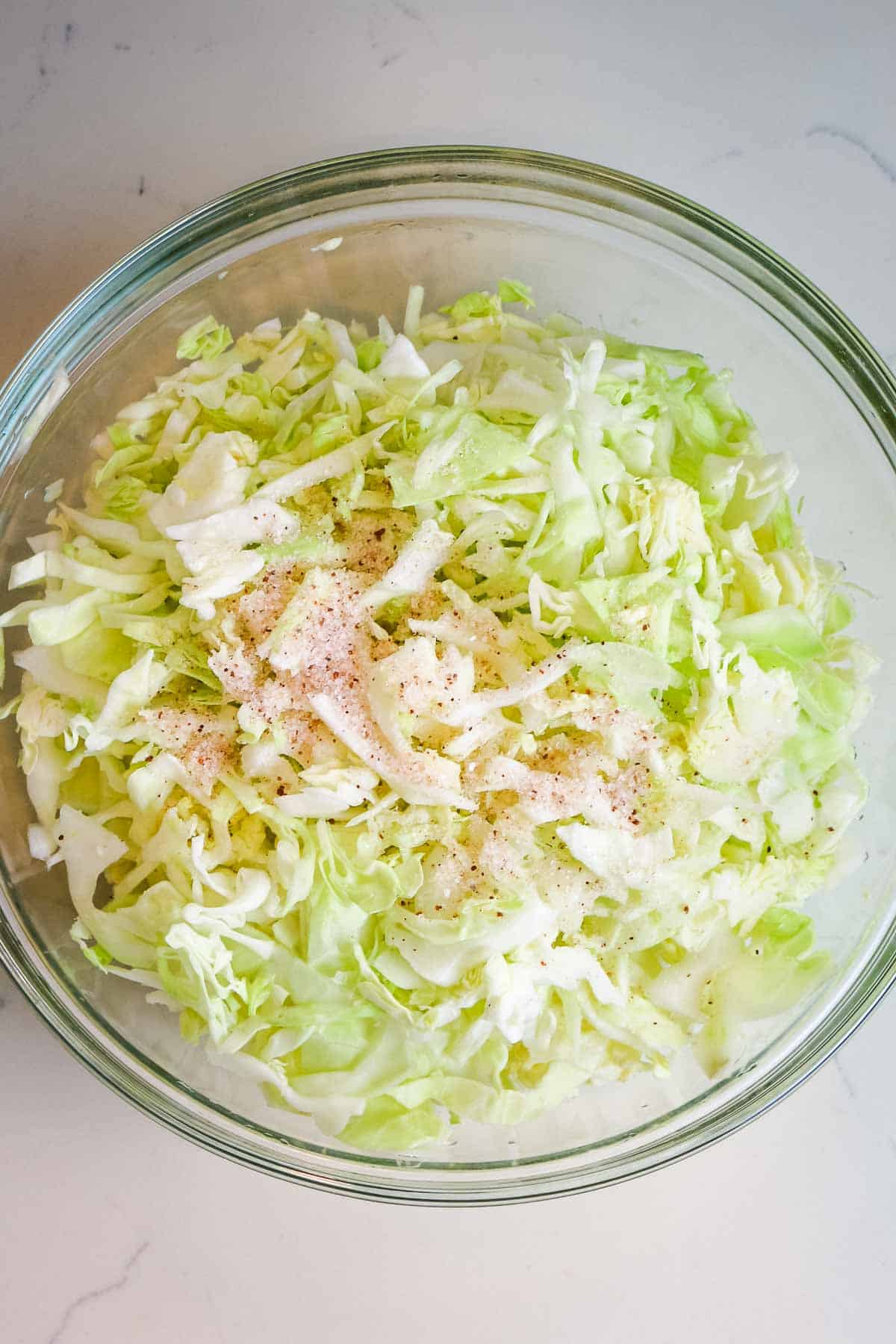
    Instructions

    • Fill: Place well-washed fish heads, tails, and bones into a large stockpot. Add bay leaves, peppercorns, salt, and vegetables if using and fill with enough water to cover all the ingredients. If using wine, add it to the pot.
    • Simmer: Bring to a gentle simmer, then lower the heat so that it barely simmers with an occasional bubble. Skim off any scum that accumulates on the surface and continue to gently simmer. Add fresh dill or parsley.
    • Strain: Using a fine mesh sieve or strainer, strain the fish stock into a clean glass jar. Chill and store in the refrigerator.
    • Separate: When the fish heads and tails are cool enough to handle, pick off the fleshy parts of the fish to use in recipes. Discard the carcass.

    Notes

    Nutrition Facts is calculated using whole red snapper fish. Recipe makes approximately 3 quarts but will vary depending on how much liquid you use. 
    Storage: Store fish stock in an airtight container like a wide-mouth mason jar in the refrigerator for up to 3 days. 
    Helpful Tips:
    • Start with clean fish - Rinse the fish heads and tails very well under cold running water to remove any slime, blood, or debris. This will help prevent an off-flavor or bitter taste and yield a cleaner broth.
    • Remove gills - For more clarified fish fumet, remove fish gills that are on the side of the fish heads.
    • Keep it on low heat - Don't let your fish stock boil or vigorously simmer as that may produce more scum and result in a cloudy broth.
    • Know your fish - For a lighter fish stock, use white-fleshed fish such as red snapper or bass. If you want a heavier stock with a higher fat content, salmon heads and tails are a great option. 

    Nutrition

    Calories: 255kcal | Carbohydrates: 2g | Protein: 47g | Fat: 3g | Saturated Fat: 1g | Polyunsaturated Fat: 1g | Monounsaturated Fat: 1g | Cholesterol: 84mg | Sodium: 1043mg | Potassium: 985mg | Fiber: 0.3g | Sugar: 0.3g | Vitamin A: 256IU | Vitamin C: 4mg | Calcium: 96mg | Iron: 1mg
    • « Go to Previous Page
    • Page 1
    • Interim pages omitted …
    • Page 27
    • Page 28
    • Page 29
    • Page 30
    • Page 31
    • Go to Next Page »

    Primary Sidebar

    Anya at a farm

    Hello and welcome

    I'm Anya and it is my joy to share wholesome recipes using seasonal ingredients and simplified methods. My hope is you'll feel right at home in this online kitchen, where you'll find real food recipes for real families.

    More about me →

    In Charge of Holiday Menu?

    collage of 4 holiday recipes with text overlay

    Family Meal Planning NOW Available!

    cover page for Dinner Decoded Guide and Cookbook

    Fall Favorites

    • Braised beef chuck roast with mashed potatoes on a plate, and braised beef chuck in a baking tray with sauce.
      Braised Beef Chuck Roast Recipe
    • Roasted purple cabbage with dill and garlic on white platter.
      Roasted Red Cabbage Steaks with Garlic
    • oven roasted chicken in a cast iron skillet with serving utensils.
      Juicy Oven Roasted Whole Chicken
    • roasted carrots on white platter.
      Roasted Carrots with Garlic
    • roasted butternut squash in white bowl.
      Air Fryer Roasted Butternut Squash
    • spinach artichoke and chicken in a black baking dish with a wooden spoon.
      Healthy Spinach Chicken Artichoke Casserole Recipe

    Trending Now

    • mushrooms and chicken gravy with fresh thyme sprigs garnished on top.
      Easy Creamy Chicken Liver Recipe
    • stack of cassava flour crepes on a plate for frozen blackberries.
      Easy Gluten-Free French Crêpes Recipe
    • roasted cabbage with parsley garnish sprinkled on top.
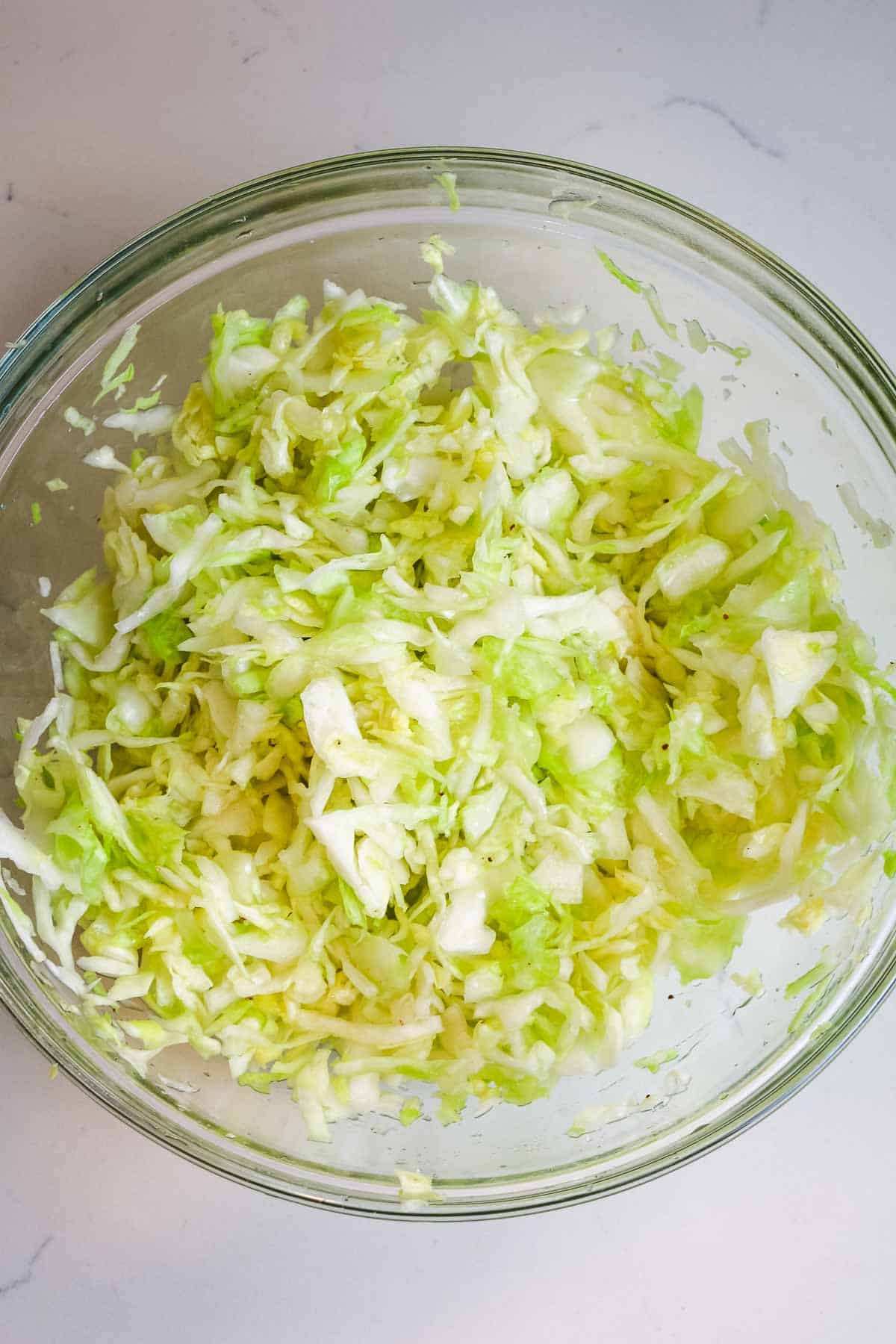
      Simple Oven Roasted Buttered Cabbage Recipe
    • Caesar salad dressing in a weck jar
      Healthy Caesar Salad Dressing Recipe
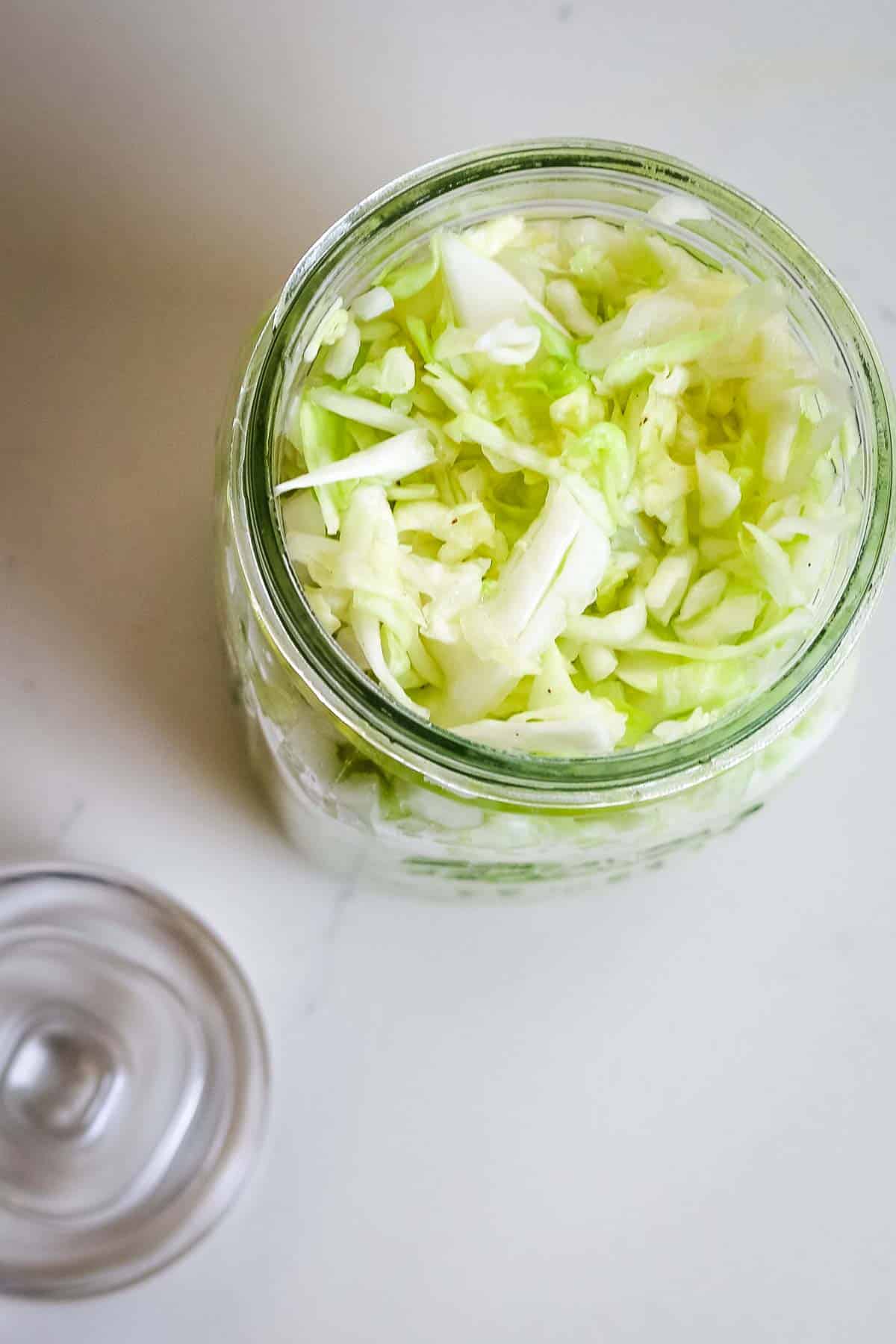
    • Pickled red onions in a white bowl and in a clear jar beside it.
      Quick Pickled Red Onions (No Cook!)
    • Chia seed puddings in clear cups, served on a white plate with a strawberry and spoon on the side.
      Protein Chia Seed Pudding

    Footer

    ↑ back to top

    Never miss a new post!

    ... Subscribe

    About

    About Me

    Privacy Policy

    Contact

    Shop

    Recipes

    Recipe Index

    Dinner Recipes

    Fermentation Recipes

    Healthy Basics

    Connect

    Instagram

    Facebook

    Pinterest

    Youtube

    Copyright © 2025 Prepare + Nourish

    Rate This Recipe

    Your vote:


    Let us know what you thought of this recipe:

    This worked exactly as written, thanks!
    My family loved this!
    Thank you for sharing this recipe.
    This recipe is a winner! Will make again.

    Or share in your own words:

    A rating is required
    A name is required
    An email is required