
• Skip to primary navigation
  • Skip to main content
  • Skip to primary sidebar
  • Home
  • About
  • Contact
  • Privacy Policy
  • START HERE
  • Nav Social Menu

    • Facebook
    • Instagram
    • Pinterest
    • YouTube
Prepare + Nourish logo
  • Recipes
  • Shop
  • Subscribe
menu icon
go to homepage
subscribe
search icon
Homepage link
  • Home
  • Recipes
  • Shop
  • Dinner, Decoded
  • About
  • Contact
  • Privacy Policy
  • First Time? Start Here
    • Facebook
    • Instagram
    • Pinterest
    • YouTube
  • ×
    Home » Recent Recipes

    Quick Pickled Red Onions (No Cook!)

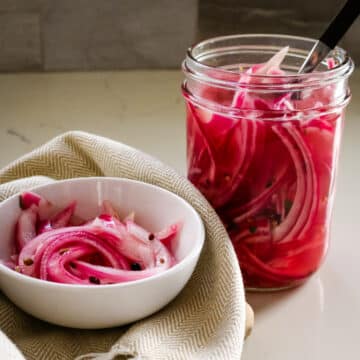
    Pickled red onions in a white bowl and in a clear jar beside it.

    Skip the stove with these quick pickled red onions recipe. This version requires no heating at all - just soak them in apple cider vinegar with pickling spices for a tangy, crisp topping for tacos, salads, sandwiches, and more. So easy and delicious!

    Pickled red onions in a white bowl and in a clear jar beside it.
    Looking for more ways to spice up a meal? 
    Check out sumac onions, garlic confit, and fermented jalapenos.
    [feast_advanced_jump_to]

    💡Recipe Overview

    • Prep and Cook Time: 5 minutes to prep and 30 minutes to pickle
    • Cooking Method: No cook
    • Dietary Info: Keto, Whole30, Paleo, GAPS
    • Tools Needed: sharp knife and jar for storage
    • Skill Level: Easy

    What is an ancestral diet? Read my post on what nourishing foods are based on the traditional dietary principles of the Weston A. Price Foundation.

    The Fast Track to Flavor

    While I have a soft spot for all things fermented (just take a peek at my raw sauerkraut, pickled green tomatoes, lacto fermented dill pickles, and kimchi recipes), sometimes you just need something quick and punchy to round off a meal.

    These quick pickled red onions are my go-to when dinner needs a little something something. Whether it's tacos, sandwiches, or a big Greek bowl.

    No waiting days for fermentation, no heating the brine - just a few pantry staples and you're on your way to a flavorful boost in 30 minutes flat.

    Perfect for those last-minute additions that make the meal. You know what I mean?

    image of Prepare and Nourish owner

    Ingredients for Pickled Red Onions

    Ingredients for Pickled Red Onions
    • Onions: Red onions are the go-to for pickling because they are mild in flavor but you can use white or yellow onions if you want a sharper bite.
    • Vinegar: In this recipe, we're not heating the brine, which means the raw, unfiltered apple cider vinegar retains its natural enzymes and beneficial probiotics.
    • Sweetness: Though this is totally optional, I love the touch of sweetness and a little heat that hot honey provides.
    • Seasonings: I love the convenience of pickling spice which typically includes mustard seed, coriander, bay leaf, and peppercorns all wrapped into one blend. And of course sea salt to enhance all the flavors in the brine.

    Substitutions and Variations

    • Vinegar - I like the health benefits of ACV but feel free to sub with white wine or red wine vinegar for a different flavor (and deeper red color). Rice vinegar gives a slightly sweeter, more delicate flavor and would be perfect for Asian-insprired dishes.
    • Sweetener - You can use regular honey instead - just add a pinch of red pepper flakes if you still want that spicy kick. If you’re using granulated sugar, it’s best to dissolve it in warmed vinegar on the stovetop first for even sweetness.
    • Flavorings - Swap the pickling spice with other flavorful add-ins like sliced jalapeno, smashed garlic or two, or even a few sprigs of fresh thyme, dill, or oregano for more herby flavor.

    How to Slice an Onion

    The way you slice an onion - crosswise vs. lengthwise - can actually affect its texture, flavor release, and how it holds up in different recipes. Here's the difference:

    Lengthwise (Pole to Pole)

    Slice from the root end to the stem end (along the lines of the onion). These slices hold their shape better and stay more intact when cooked or pickled. The flavor is milder because fewer cell walls are broken, so less pungent juice is released.

    Crosswise (Across the Onion)

    Slice perpendicular to the root-stem axis (like cutting it into rings). These slices are softer and break down faster when cooked or pickled. The flavor is sharper and more pungent because more cell walls are broken.

    For this recipe, I sliced the red onions lengthwise (from root to tip), which gives slightly firmer, more structured pieces that hold up well in the brine. While cross-section slices (into rings) are more traditional for pickled onions and absorb flavor a bit faster, I prefer lengthwise cuts for better texture and longer-lasting crispiness.

    Pickled red onions in a clear jar, with a few strands on a fork.

    How to Make Pickled Red Onions

    The complete printable recipe is below in the recipe card for your convenience. Follow these simple step-by-step instructions for the best results.

    Sliced onions in a clear jar.

    Step 1. Pack

    Pack a mason jar with sliced red onion.

    Sliced onions in a clear jar with salt and pepper.

    Step 2. Add

    Add pickling spice, sea salt, and a drizzle of hot honey (if using).

    Cider vinegar being poured over sliced onions in a clear jar seasoned with salt and pepper.

    Step 3. Pour

    Pour apple cider vinegar over the onions until they are fully submerged.

    Pickled red onions in a clear jar.

    Step 4. Shake

    Cover the jar and give it a quick shake to distribute everything. Let it sit at room temperature for 30 minutes. Then refrigerate for at least an hour.

    Helpful Tips

    1. Slice onions uniformly. To ensure even pickling and quicker absorption of flavors, make sure to cut the onions to an even thickness. A mandoline is helpful but not necessary. 
    2. Use a glass jar. I like using a wide-mouth, pint-size mason jar for pickling red onions since they won't react with the vinegar to preserve the taste, and it is the perfect size for this recipe. 
    3. Press down the onions. After pouring the vinegar, gently press the onions down with a spoon to fully submerge them. You can also add a glass fermentation weight if you have the space. 
    4. Flavor variations. Experiment with other flavorings. Try adding a smashed garlic clove, whole peppercorns instead of pickling spice, and a bay leaf or two for extra flavor. 

    Troubleshooting

    • Mushy onions? This can happen if the onions are sliced too thin or left in the brine for too long. Try to consume within 4 weeks for best flavor and texture. 
    💭Meal Prep Suggestion!
    Because this recipe requires no heating, it comes together in minutes and easily fits into your regular meal prep routine. You can whip it up while prepping other ingredients—no need to wait for anything to cool down or boil. It’s a low-effort, high-impact addition that complements everything from tacos and burgers to grain bowls and egg dishes.

    Serving Suggestions

    Quick pickled red onions add a tangy, crisp bite to everything from tacos to salads and sandwiches. Here are some options to get you started:

    Tacos: Add a bright crunch to any taco night like the beef tongue tacos and chuck roast tacos - especially good with pork carnitas,

    Salads: Swap the fresh onion with the pickled red onions in this chopped Mediterranean salad or the Asian cucumber salad.

    Meats: Pile them high on any of your favorite roasted meats like oven roasted whole chicken, slow cooker duck, or oven-baked sausage and peppers.

    Pickled red onions in a white bowl and in a clear jar beside it.

    Frequently Asked Questions

    How do I store and reheat pickled red onions?

    Store pickled red onions in a glass container like a pint-size mason jar for up to 4 weeks. The flavor deepens the longer they sit, so they taste better over time. Always use a clean utensil to pull more onions from the jar to prevent contamination. 

    Can I freeze pickled red onions?

    No, I don't recommend freezing pickled red onions. The vinegar brine can alter the texture when frozen and thawed, turning them soft and mushy instead of crisp. For best quality and crunch, it's best to store them in the fridge and enjoy within 2-4 weeks.

    Can I reuse the pickling brine?

    You can reuse it once or twice within the same month for another batch of onions, but note the flavor will be slightly milder. Always add fresh onions and refrigerate promptly.

    Looking for more easy staple recipes? Here are some ideas:
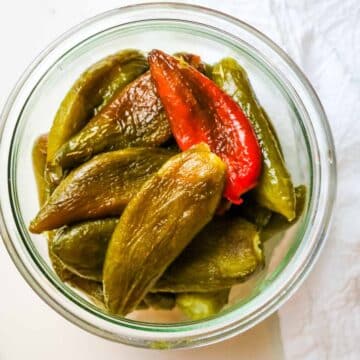
    • roasted and peeled peppers in a jar.
      Roasted Jalapeño Peppers
    • herby seasoning in a small glass dish with gold spoon.
      Homemade Ranch Seasoning (Dairy-Free)
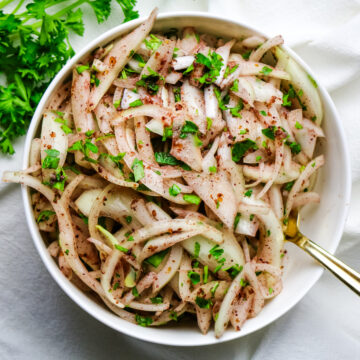
    • sliced onions in a white bowl with sumac seasoning and parsley.
      Easy Sumac Onions (Marinated Turkish Onion Salad Recipe)
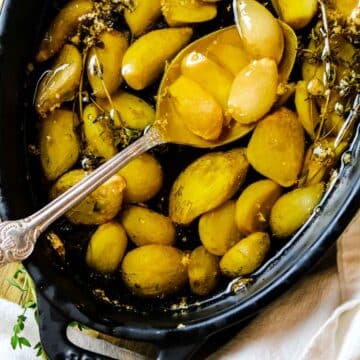
    • garlic in olive oil in baking dish.
      Easy Garlic Confit Recipe
    Did you make this pickled red onions? Please leave a ⭐⭐⭐⭐⭐ recipe rating in the recipe card below and leave a review in the comments. Thank you!💚

    Printable Recipe

    Pickled red onions in a white bowl and in a clear jar beside it.
    Print Recipe
    5 from 1 vote

    Quick Pickled Red Onions

    No-heat quick pickled red onions with apple cider vinegar and pickling spices - tangy, crunchy, and ready fast. Perfect for topping everything!
    Prep Time5 minutes mins
    Pickling Time30 minutes mins
    Total Time35 minutes mins
    Course: Condiment
    Cuisine: American
    Keyword: pickled red onions, quick pickled red onions
    Servings: 12 servings
    Calories: 10kcal
    Author: Anya @ Prepare & Nourish

    Ingredients

    • 1 red onion thinly sliced
    • 1 teaspoon pickling spice
    • 1 teaspoon sea salt
    • 1 teaspoon hot honey
    • 1 cup apple cider vinegar

    Instructions

    • Pack a pint-size mason jar with sliced 1 red onion.
    • Add the 1 teaspoon pickling spice, 1 teaspoon sea salt, drizzle 1 teaspoon hot honey if using.
    • Pour 1 cup apple cider vinegar over the onions until fully submerged.
    • Cover the jar and give it a quick shake to distribute everything. Let it sit at room temperature for 30 minutes. Then refrigerate for at least an hour.

    Notes

    Storage: Store pickled red onions in a glass container like a pint-size mason jar for up to 4 weeks. The flavor deepens the longer they sit, so they taste better overtime. Always use a clean utensil to pull more onions from the jar to prevent contamination. 
    Helpful Tips:
    1. Slice onions uniformly. To ensure even pickling and quicker absorption of flavors, make sure to cut the onions in even thickness. A mandoline is helpful bu not necessary. 
    2. Use a glass jar. I like using a wide-mouth, pint-size mason jar for pickling red onions since they won't react with the vinegar to preserve the taste and is the perfect size for this recipe. 
    3. Press down the onions. After pouring the vinegar, gently press the onions down with a spoon to fully submerge them. You can also add a glass fermentation weight if you have the space. 
    4. Flavor variations. Experiment with other flavorings. Try adding a smashed garlic clove, whole peppercorns instead of pickling spice, and a bay leaf or two for extra flavor. 
    Troubleshooting Tips
    Mushy onions? This can happen if the onions are sliced too thin or left in the brine for too long. Try to consume within 4 weeks for best flavor and texture. 

    Nutrition

    Calories: 10kcal | Carbohydrates: 2g | Protein: 0.1g | Fat: 0.02g | Saturated Fat: 0.01g | Polyunsaturated Fat: 0.01g | Monounsaturated Fat: 0.002g | Sodium: 195mg | Potassium: 30mg | Fiber: 0.2g | Sugar: 1g | Vitamin A: 1IU | Vitamin C: 1mg | Calcium: 5mg | Iron: 0.1mg

    The Difference Between Broth, Stock, and Bone Broth

    broth in mason jars.

    Ever wondered about the difference between broth, stock, and bone broth? In this post, we explain what's the difference between broth and stock, and reveal how bone broth adds extra flavor and nutrients. Get the clarity you need for better cooking and meal prep!

    different broths in mason jars.
    [feast_advanced_jump_to]

    The difference between broth, stock, and bone broth

    You've probably grabbed all three of the store shelves at some point, but do you know the difference between broth, stock, and bone broth?

    Most people treat them like they’re all the same, but trust me, they’re not. Knowing what makes each one unique can totally transform your soups, sauces, and stews!

    Want to take it up a notch? Try making your own homemade versions - whether it’s rich chicken feet broth, hearty beef bone broth recipe, easy-on-the-gut meat stock, delicate fish fumet, or classic whole chicken broth - the difference in taste and nutrition will have you hooked!

    image of Prepare and Nourish owner

    A Quick Breakdown

    While broth, stock, and bone broth might seem similar, the differences between them come down to ingredients, cooking time, and purpose. Knowing which one you’re working with, and why it matters, can help you cook with more intention and better results.

    Broth is typically made with meat, sometimes on the bone, along with vegetables and herbs. It’s simmered for a relatively short period, usually under two hours, and is seasoned so it can be sipped on its own or used directly in recipes. 

    On the other hand, stock relies more heavily on bones, often with some meat still attached, and simmers for longer to extract collagen and depth. It’s usually left unseasoned, since it’s meant to be used as a base for sauces, soups, and other dishes.

    Bone broth pushes this process even further, simmering roasted bones for 12 hours or more, often with the addition of vinegar to help extract minerals. The result is a thicker, more gelatinous liquid that’s sometimes consumed on its own for perceived health benefits.

    graphic of fork and spoon connected in a plant.

    Make it Ancestral

    Broth and stock is the ultimate ancestral food - slow-simmered, nutrient-rich, and made from every last bit. Our great grandmas knew what was up: nothing wasted, everything nourishing. It's old-school wisdom in a mug (or soup pot).

    beef bone broth in mason jars.

    Sip Smarter: The Truth About Broth, Stock, and Bone Broth

    Now that the big-picture differences are clear, here’s a closer look at what makes each of these kitchen staples unique.

    Broth

    Most people are familiar with broth, which is made by simmering meat, unless it’s vegetable broth, alongside vegetables, herbs, and aromatics. The cooking time is relatively short, usually under two hours, resulting in a light, flavorful liquid that’s typically seasoned and ready to use as-is.

    Broth is what you’ll often find in store-bought cartons labeled chicken broth or vegetable broth, and it’s commonly used as the liquid base for soups, stews, and grains.

    Because broth is seasoned, it’s easy to sip on its own, especially when you’re under the weather or need something warm and comforting. It doesn’t have the same richness or gelatinous texture as stock or bone broth, but that’s part of what makes it so versatile.

    It’s meant to be quick, convenient and flavorful without being too heavy. My whole chicken broth is a good example of traditional broth.

    fish stock in a weck jar with carrots in the background.

    Stock

    Unlike broth, stock is made with bones, not just meat, and that single shift changes the whole purpose of the liquid. While it can include vegetable scraps and aromatics, the goal is to extract collagen, which gives stock a richer mouthfeel and slightly thicker consistency once cooled. It typically simmers for two to four hours, long enough for the bones to break down and release structure-building compounds that broth doesn’t have.

    Stock is usually left unseasoned. It’s not meant to be the final product, but more so the foundation. In professional kitchens, stock is a workhorse ingredient, used to build sauces, gravies, and soups that need complex flavors without adding salt.

    If you’ve ever chilled homemade soup and noticed it turned jiggly in the fridge, that’s the gelatin from the bones doing its job, and that’s precisely what makes a good stock stand out.

    A few exceptions to traditional stock? Meat stock, which is made with meaty cuts but very few or no bones - is simmered gently for a shorter time and often used in healing diets for its simplicity and digestibility. Similarly, fish stock doesn't require a lot of simmering time either.

    Bone Broth

    Traditionally, a key ingredient in home kitchens, bone broth has lately been marketed as a health drink, much like the adrenal cocktail. In wellness circles, it’s become a go-to for everything from joint support to gut health to glowing skin.

    What sets it apart from regular stock, besides the marketing, is the cooking time. Bone broth is essentially stock that’s been simmered much longer, usually 12-24 hours, often with a splash of vinegar added to help extract minerals from the bones.

    That extra time breaks down more collagen and connective tissue, giving bone broth its thicker, almost gelatinous texture. While it can be used in recipes the same way stock is, it’s often sipped on its own like tea, either plain or with a little seasoning. Some people swear by it as a daily ritual, and it’s sparked an entire market of frozen broths, powdered mixes, and glass-bottled versions with hefty price tags.

    Whether the health claims hold up is still being studied, there's no denying bone broth has found a new audience and identity in the wellness world. Grab my beef bone broth recipe or my Instant Pot bone broth chicken recipe and see for yourself.

    Here's a few recipes to get you started with stock, broth, or bone broth:

    • Cooked rice in a white bowl, with bone broth in a clear jar behind it.
      Bone Broth Rice
      Cook Time20 Minutes
    • Baked chicken, potatoes, and broccoli in a baking pan with a serving spoon in it.
      Ranch Chicken Potato Broccoli Casserole
      Cook Time45 Minutes
    • Braised beef chuck roast with mashed potatoes on a plate, and braised beef chuck in a baking tray with sauce.
      Braised Beef Chuck Roast Recipe
      Cook Time4 Hours 15 Minutes
    • Ground beef with broccoli and rice on a plate, with extra ground beef, broccoli in a pan, and spices on the side.
      Ground Beef and Broccoli Recipe
      Cook Time30 Minutes

    Store-bought VS Homemade

    Most store-bought broths and stocks aim for convenience, but let’s be honest - they’re not all created equal. Cartons labeled as broth often contain a confusing mashup of meat, bones, and seasoning, which totally blurs the line between broth and stock.

    And while I’m definitely not afraid of a little salt (bring it on, baby!), these boxes sometimes lean hard on salt, yeast extract, and “natural flavors” to fake the depth that only hours of simmering can deliver. Some even toss in sugar or preservatives - like, why?

    Bone broth has basically become the green juice of the pantry aisle, but not every brand is worth your coin. Some are rich and velvety; others are glorified salty water with a health halo.

    That’s why I’ll always have a soft spot for homemade. You control everything—from the bones to the simmer time to the seasoning (yes, salt included, the real, unrefined, mineral-rich kind).

    And if you freeze it in small jars or ice cube trays, it’s just as convenient as the store-bought kind - only a thousand times better.

    Homemade bone broth? It’s nourishing, it’s powerful, and let’s be real: it kind of makes you feel like a kitchen wizard in the best way.

    Broth & Stock Essential Tools

    You don't need a magic wand to make nutrient-dense broth - just the right tools. These are my must-haves for turning bones and scraps into liquid gold.

    • Large stock pot: Stainless steel is a classic and it's perfect for making big batches and simmering all day.
    • Slow cooker: For low-effort broths with great results and zero babysitting.
    • Instant Pot: Gives the bonus of pressure cooking to extract flavors fast.
    • Fine mesh strainer: Key for getting that clear, golden liquid.
    • Wide-mouth mason jars: Be sure to leave room at the top if freezing so they don't crack.

    Which One Should You Use?

    Which one you use depends on what you cook and how much flavor or body you need. Broth works well when you want something light and ready to go, like a quick soup or a simple way to cook rice or quinoa. It’s already seasoned, so you don’t need to adjust much. 

    Stock is a better pick when you want more richness, especially for sauces, stews or braises — like these braised artichokes, which can replace water as the cooking liquid - that need time to simmer and develop flavor. Because it’s unseasoned, you have full control over how salty or concentrated your final dish is.

    “I usually go with bone broth — it has more flavor and feels heartier than stock. It’s great in my shepherd's pie because it makes the filling extra savory.”
    — Bella Bucchiotti, xoxoBella

    Bone broth can fill in for stock in most recipes, but it’s richer and often sipped on its own rather than cooked with. Bone broth might be too overpowering in delicate recipes, like a clear soup or a sauce with subtle flavors.

    meat stock in a white bowl and glass jar.
    Looking for more helpful articles? Here are some ideas:
    • beef tallow in a glass jar with a spoon to the side.
      Beef Tallow 101: The Old-School Fat Making a Comeback
    • Ground beef with organ meat in a clear bowl and a freezer ziplock on the side.
      Ancestral Beef Blend Recipe
    • beef tongue with onions and bay leaves in instant pot inner pot.
      How to Cook Beef Tongue
    • fresh parsley and dried parsley in measuring spoons.
      How Much Dried Parsley to Substitute for Fresh

    Gina Matsoukas is the writer, photographer and recipe creator of Running to the Kitchen. Focusing on healthy, seasonal, whole-food recipes, her work has been featured in various online and print publications, including Food Network, Prevention Magazine and Women’s Health. Gina lives in central New York, where she enjoys an active outdoor life. Article slightly edited to reflect Anya's feedback.

    This article originally appeared on Food Drink Life.

    Creamy Ground Beef and Sweet Potato Skillet

    Ground beef and sweet potato in a skillet with lime and parsley beside it.

    This Creamy Ground Beef and Sweet Potato Skillet is a one-pan meal filled with ground beef, sweet potatoes, red bell peppers, corn, and tomatoes. The smoky taco seasoning and creamy cheese make for a flavorful, satisfying dinner. This sweet potato and ground beef is packed with flavor but low on effort and clean-up.

    Ground beef and sweet potato in a skillet with lime and parsley beside it.
    Looking for more skillet recipes? 
    Check out easy shepherd's pie, fried cabbage and sausage skillet, and crustless skillet pizza.
    [feast_advanced_jump_to]

    💡Recipe Overview

    • Prep and Cook Time: 15 minutes to prep and 25 minutes to cook
    • Cooking Method: Stove-top
    • Dietary Info: Primal, GAPS, Ancestral diet
    • Tools Needed: large skillet
    • Skill Level: Easy

    What is an ancestral diet? Read my post on what nourishing foods are based on the traditional dietary principles of the Weston A. Price Foundation.

    The Skillet Meal That's Got it All

    Alright, let's talk about sweet potatoes. I didn't grow up eating them - shocker, I know - but now they're basically my best friend in the kitchen.

    And here's the thing: this Southwest Ground Beef and Sweet Potato Skillet is the perfect way to sneak them in without feeling like you're eating a Thanksgiving side dish for dinner. Looking at you, scalloped sweet potatoes.

    Plus, I've got ground organ meats (hellllo, beef liver!) in here, and trust me, you won't even notice. The flavors all come together like a beautiful symphony - smoky, savory, a little spicy - and that creamy, cheesy goodness?

    Chef's kiss. 🤌

    Seriously, this dish hits every note, and it's one of those meals that makes you feel like you've got your life together, even if you don't have your life together (I'm right there with you!).

    image of Prepare and Nourish owner

    Ingredients for Ground Beef and Sweet Potatoes

    Ingredients for ground beef and sweet potato dish on a white table.
    • Ground meat: I like to use 85/15 ground beef for the best balance of flavor and moisture. I prefer not to drain the excess fat (because fat = flavor) and if you use a leaner ground meat like ground turkey or bison, I recommend adding a little butter for extra flavor.
    • Vegetables: The veggies in this skillet meal do a lot of heavy lifting - sweet potatoes bring natural sweetness and make it hearty, while red onion and garlic add depth. The red bell pepper adds a mild crunch and frozen corn lends a hint of sweetness that pairs well with the smoky flavors.
    • Cheeses: The cream cheese melts down into a silky, tangy sauce and coats the veggies and meat while shredded cheddar adds a sharp, melty finish on top.
    • Flavorings: The remainder of the ingredients are simple but serve two purposes: they add moisture and flavor. The canned diced tomatoes and green chiles add a tangy flavor with just a hint of heat. And the taco seasoning brings a smoky, Southwest taste without being too spicy. I like using my mild taco seasoning for this purpose.
    • Additional liquid: A secret ingredient that may or may not be needed is bone broth. You won't really know until you start making the skillet - if it's a little dry and needs some liquid for the simmering step, add in a ¼ - ½ cup. If you have all the flavor and liquid you need from the tomatoes and the veggies, you're good. I like to use a whole chicken broth for this.

    Substitutions and Variations

    • Make it spicy - Add crushed red pepper flakes or roasted jalapeno peppers for some extra heat or a splash or two of the brine from my fermented jalapenos.
    • Vegetable add-ins - Feel free to mix in other veggies like zucchini, spinach, or mushrooms. Just be sure to cook them a bit longer to prevent the skillet from getting too watery.
    graphic of fork and spoon connected in a plant.

    Make it Ancestral

    Whenever I cook with ground meats, I almost always toss in some organ meats because all that flavor totally hides any gaminess. If I've really have my act together, I usually have a pound of my homemade ancestral beef blend on hand (I use a 75/25 ratio) - because who wants to pay $14 per pound when I can do it myself?

    Ground beef and sweet potato in a skillet with a serving spoon in it.

    How to Make Ground Beef and Sweet Potatoes

    The complete printable recipe is below in the recipe card for your convenience. Follow these simple step-by-step instructions for the best results.

    Sautéing carrots in the skillet.

    Step 1. Sauté

    Heat some avocado oil in a large skillet over medium heat. Add diced sweet potatoes and cook for several minutes, stirring occasionally, until slightly softened. Remove from the skillet and set aside.

    Sautéing onions in the skillet.

    Step 2. Cook

    In the same skillet, add chopped red onion and cook until softened and translucent.

    Sautéing ground beef in the skillet.

    Step 3. Season

    Add ground beef and cook, breaking it apart, until browned. Stir in minced garlic and taco seasoning, and cook briefly until fragrant.

    Mixing veggies and ground beef in the skillet.

    Step 4. Simmer

    Add diced bell pepper, corn, canned tomatoes with their liquid, green chiles, bone broth (if needed), and the cooked sweet potatoes back to the skillet. Stir well, cover, and let simmer until the sweet potatoes are fully tender.

    Mixing veggies and ground beef in the skillet.

    Step 5. Melt

    Reduce heat to low and stir in cubed cream cheese. Continue stirring until fully melted and incorporated.

    Mixing veggies and ground beef with grated cheese in the skillet.

    Step 6. Garnish

    Top with shredded cheddar cheese and let it melt for a minute or two. Garnish with fresh toppings like cilantro, avocado slices, and a squeeze of lime.

    Helpful Tips

    1. No taco seasoning on hand? Try swapping 2 tablespoons of taco seasoning with 1 teaspoon chili powder, 1 teaspoon cumin, ½ teaspoon smoked paprika, ½ teaspoon oregano, 1 teaspoon salt or to taste and  ¼ teaspoon black pepper.
    2. Cut sweet potatoes evenly. For uniform cooking, make sure the sweet potatoes are cut into similar size. 
    3. Use softened cream cheese. It melts into the skillet more smoothly. Let it hang out at room temperature while you prep. It also helps to cube it before adding and stir frequently over low heat to melt evenly. 

    Troubleshooting

    • Sweet potatoes are undercooked? The pieces were likely cut too large or not sautéed long enough at the start. Dice them into ½-inch or smaller cubes and make sure they get a good head start in the skillet (at medium-high heat). You don't want them fully cooked at this stage but they should have a nice seared crust to them to lock in flavor. 

    Product Highlight!

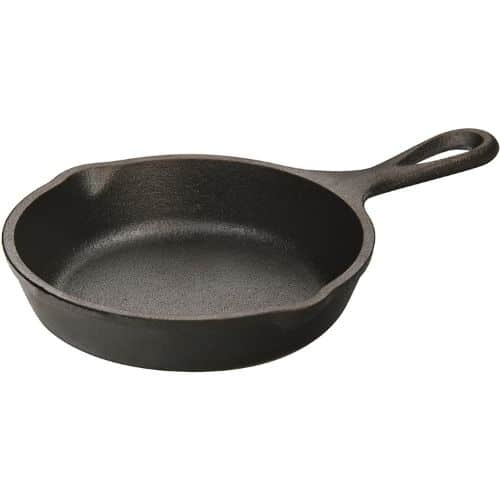
    Cast Iron Skillet

    My large cast iron skillet is my ride or die. It retains heat so well and is perfect for making this meal.

    Grab yours →
    💭Meal Prep Suggestion!
    This ground beef and sweet potatoes are perfect for meal prep. Double the recipe and portion it into individual servings for easy meal prep. Store in the fridge for up to 4 days or freezer for up to 3 months. Reheat with a splash of broth or water for a quick meal.
    Ground beef and sweet potato on a white plate with a fork in it.

    Serving Suggestions

    This ground beef and sweet potatoes is a complete meal in one. It has a perfect balance of protein from the beef, fiber and nutrients from the sweet potatoes and veggies, plus healthy carbs to keep you satisfied. It's an all-in-one, hearty dish that checks all the boxes for a nourishing meal.

    Just serve it with a dollop of homemade sour cream, sliced avocados, and fresh cilantro. Want to take it another level? Serve it with salsa macha! Check out this post on how to make salsa macha to give this skillet dish that extra love.

    But if you wanted to round it out a little more, here are some options to serve alongside the sweet potato and ground beef meal:

    Side dish: Serve this with bone broth rice or Instant Pot millet to soak up the flavorful sauce.

    Fresh salads: Pair with a light romaine salad or a house salad.

    Condiments: Add some chunky guacamole for extra creaminess or serve with homemade tortilla chips.

    Ground beef and sweet potato in a skillet and on a white plate with a fork in it.

    Frequently Asked Questions

    How do I store and reheat sweet potato and ground beef?

    Transfer the leftovers to an airtight container and store in the refrigerator for up to 4 days. These glass snap containers are perfect for leftovers. To reheat, warm in a skillet over medium-low heat with a splash of broth or water. To freeze, I recommend freezing in individual portions in airtight containers for up to 3 months. Thaw overnight in the fridge before reheating.

    Can I use frozen sweet potatoes or veggies?

    While fresh sweet potatoes work best, you can use frozen diced sweet potatoes and frozen veggies like onions and bell peppers. I use frozen corn in this skillet with no problem, but that's a small amount of moisture that gets simmered down. If you use all frozen veggies, I recommend draining any excess moisture after thawing to avoid a watery skillet.

    How do I prevent the sweet potatoes from being too mushy?

    To keep the sweet potatoes from getting mushy, make sure they are diced into ½-inch cubes, and give them a good sear in the pan at the beginning. This locks in flavor and helps them hold their shape during the simmering process.

    Looking for more ground beef recipes? Here are some ideas:
    • Ground beef with broccoli and rice on a plate, with extra ground beef, broccoli in a pan, and spices on the side.
      Ground Beef and Broccoli Recipe
    • Sheet pan nachos with ground pork and vegetables on a tray.
      Loaded Sheet Pan Nachos Without Beans
    • Veggie-Packed Sloppy Joes (Paleo, Whole30, Low-Carb) - These 30-minute Sloppy Joes are packed with vegetables and loaded with flavor. Most importantly, this takes only 30 minutes to prepare (sweet potatoes included!). #paleo #sloppyjoes #lowcarbmeal #30minutemeal
      Veggie-Packed Sloppy Joes (Paleo, Whole30, Low-Carb)
    • Ground beef taco dip on a white plate with nachos on the side.
      Taco Dip with Ground Beef
    Did you make this ground beef and sweet potatoes? Please leave a ⭐⭐⭐⭐⭐ recipe rating in the recipe card below and leave a review in the comments. Thank you!💚

    Printable Recipe

    Ground beef and sweet potato in a skillet with lime and parsley beside it.
    Print Recipe
    No ratings yet

    Southwest Ground Beef and Sweet Potato Skillet

    One-pan creamy ground beef and sweet potato skillet is packed with veggies, smoky seasonings, and creamy texture for a delicious and satisfying dinner.
    Prep Time15 minutes mins
    Cook Time25 minutes mins
    Total Time40 minutes mins
    Course: Main Course
    Cuisine: American
    Keyword: ground beef and sweet potato, recipe with ground beef and sweet potatoes, sweet potato and ground beef
    Servings: 4
    Calories: 676kcal
    Author: Anya @ Prepare & Nourish

    Ingredients

    • 2 tablespoons avocado oil
    • 2 medium sweet potatoes peeled and diced
    • 1 small red onion diced
    • 1 pound ground beef
    • 2 garlic cloves minced
    • 2 tablespoons taco seasoning see notes for alternative
    • 1 red bell pepper diced
    • 1 cup corn kernels
    • 1 15 oz can diced tomatoes with liquid
    • 1 4 oz can diced green chiles
    • 4 ounces cream cheese softened and cubed
    • ½ cup bone broth optional
    • ½ cup shredded cheddar cheese
    • toppings like fresh cilantro, avocado, and lime

    Instructions

    • Heat 2 tablespoons avocado oil in a large skillet over medium heat. Add 2 medium sweet potatoes diced and cook for 5-7 minutes, stirring occasionally, until slightly softened. Remove from skillet and set aside.
    • In the same skillet, add the 1 small red onion and cook until softened and translucent. Add the 1 pound ground beef and cook, breaking it up, until the beef is browned.
    • Stir in 2 garlic cloves and 2 tablespoons taco seasoning and cook for 30 seconds until fragrant.
    • Add 1 red bell pepper, diced, 1 cup corn kernels, 1 15 oz can diced tomatoes with liquid, and, 1 4 oz can diced green chiles, ½ cup bone broth (optional) and the sweet potatoes back to the skillet. Stir well and cover. Let simmer for 10-15 minutes until the sweet potatoes are fully tender.
    • Reduce heat to low and stir in the cubed 4 ounces cream cheese. Continue stirring until fully melted and incorporated into the skillet.
    • Top with ½ cup shredded cheddar cheese on top and let it melt for 1-2 minutes. Garnish with fresh toppings like fresh cilantro, avocado, and lime .

    Notes

    Storage: Transfer leftover to an airtight container and store in the refrigerator for up to 4 days. To reheat, warm in a skillet over medium-low heat with a splash of broth or water. To freeze, I recommend freezing in individual portions in airtight containers for up to 3 months. Thaw overnight in the fridge before reheating. 
    Helpful Tips:
    1. No taco seasoning on hand? Try swapping 2 tablespoons of taco seasoning with 1 teaspoon chili powder, 1 teaspoon cumin, ½ teaspoon smoked paprika, ½ teaspoon oregano, 1 teaspoon salt or to taste and  ¼ teaspoon black pepper.
    2. Cut sweet potatoes evenly. For uniform cooking, make sure the sweet potatoes are cut into similar size. 
    3. Use softened cream cheese. It melts into the skillet more smoothly. Let it hang out at room temperature while you prep. It also helps to cube it before adding and stir frequently over low heat to melt evenly. 
    4. Add broth last. You may not need to add this additional liquid, depending on the veggies and other ingredients because you don't want it too watery. 
    Troubleshooting
    Sweet potatoes are undercooked? The pieces were likely cut too large or not sauteed long enough at the start. Dice them into ½-inch or smaller cubes and make sure they get a good head start in the skillet (at medium-high heat). You don't want them fully cooked at this stage but they should have a nice seared crust to them to lock in flavor. 

    Nutrition

    Calories: 676kcal | Carbohydrates: 40g | Protein: 30g | Fat: 45g | Saturated Fat: 18g | Polyunsaturated Fat: 2g | Monounsaturated Fat: 19g | Trans Fat: 1g | Cholesterol: 123mg | Sodium: 666mg | Potassium: 1092mg | Fiber: 7g | Sugar: 13g | Vitamin A: 17742IU | Vitamin C: 54mg | Calcium: 226mg | Iron: 4mg

    Lemon Parmesan Romaine Salad

    Romaine salad in a white bowl with a fork in it.

    This refreshing romaine salad is simple yet so flavorful. Crisp romaine lettuce is tossed in a zesty lemon Parmesan dressing and topped with shaved Parmesan and toasted pine nuts for the perfect crunch. A must try!

    Romaine salad in a white bowl with a fork in it, and a large white plate with romaine salad behind it.
    Looking for more refreshing salads? 
    Check out La Scala chopped salad, arugula salad with goat cheese, and Mediterranean salad.
    [feast_advanced_jump_to]

    💡Recipe Overview

    • Prep and Cook Time: 15 minutes to prep and few minutes for toasting pine nuts
    • Cooking Method: No-Cook
    • Dietary Info: Keto, Primal, GAPS, Ancestral diet
    • Tools Needed: small skillet, large salad bowl
    • Skill Level: Easy

    What is an ancestral diet? Read my post on what nourishing foods are based on the traditional dietary principles of the Weston A. Price Foundation.

    The "I'm Fancy, but I'm Also Lazy" Romaine Salad

    This lemon Parmesan romaine salad is what I make when I want people to think I put in effort, when really I just grabbed a lemon and some good cheese.

    It's crisp, refreshing, and has just enough fanciness (hello, toasted pine nuts!) to make it dinner party worthy, yet it's so simple, I could toss it together half-asleep and still impress someone's mother-in-law.

    The lemony dressing is bright, the Parm adds that rich, salty bite, and the toasted pine nuts make it feel like you planned this meal with intention - when in reality, you probably just needed to use up that farmer's market romaine before it went bad (or is that just me?!)

    It's everything you love about a classic house salad but without as many ingredients. In other words, this salad is perfect for dinner parties, weeknights, or anytime you want a salad that feels put together without making you break a sweat.

    image of Prepare and Nourish owner

    Ingredients for Romaine Salad

    Ingredients for Romaine Salad.
    • Lettuce: Crisp and sturdy, romaine lettuce is the perfect base for this salad - it holds up well to the lemon-Parmesan dressing without wilting. For best texture and flavor, use fresh, vibrant leaves and dry them thoroughly after washing to help the dressing cling better.
    • Best Parm: Go with real Parmigiano Reggiano for the best flavor - it's nutty, salty, and deeply savory. Use a vegetable peeler to shave it into ribbons that melt slightly into the salad.
    • Nuts: Lightly toasting pine nuts brings out their natural oils and enhances the buttery flavor. But keep a close eye - they toast quickly.
    • Dressing: A blend of extra virgin olive oil, fresh lemon juice, grated Parmesan cheese, a touch of honey for sweetness, garlic, and sea salt to bring all the flavors together.

    Substitutions and Variations

    • Swap the nuts - No pine nuts? Try toasted slivered almonds, chopped walnuts, or sunflower seeds for a similar crunch. But I secretly think pine nuts are still superior in this romaine salad.
    • Try different greens - Use butter lettuce or a mix of crisp greens like green leaf or red leaf lettuce. But I would steer clear of mixed baby greens as they are too delicate.
    Romaine salad in a white bowl with a fork in it, and a large white plate with romaine salad behind it.

    How to Make Romaine Salad

    The complete printable recipe is below in the recipe card for your convenience. Follow these simple step-by-step instructions for the best results.

    Nuts being toasted in a pan.

    Step 1. Toast

    In a dry stainless steel skillet over medium heat, toast the pine nuts, stirring frequently, until golden brown and fragrant, about 3 minutes. Set aside.

    Cheese mixed with olive oil.

    Step 2. Whisk

    In a small bowl, whisk together the olive oil, lemon juice, grated Parmesan cheese, honey, garlic, and sea salt.

    Mixing romaine lettuce in a clear bowl.

    Step 3. Toss

    Toss the chopped romaine lettuce with the dressing until evenly coated.

    Romaine salad in a white bowl with a fork in it.

    Step 4. Serve

    Garnish with shaved Parmesan cheese and toasted pine nuts. You're done. How easy was that?

    Helpful Tips

    1. Always start with dry romaine. Wet lettuce leaves dilute the dressing and lead to sad, soggy salad. Plus, the dressing won't stick to the leaves. A salad spinner is your best friend here and I like to lay it out on a clean kitchen towel to air dry afterwards too. 
    2. Use freshly shaved Parmesan. Use a vegetable peeler to shave a block of real Parmesan - it's richer and more flavorful than those bought in tubs. 
    3. Toast pine nuts ahead of time. You can toast a small batch and keep them in an airtight container at room temperature for up to a week. 
    4. Make it a meal. Add your favorite protein like salmon or chicken to make it a complete meal. 

    Troubleshooting

    • Pine nuts burning? They toast quickly! Keep the heat moderate and stir constantly - remove them from the pan as soon as they're golden and fragrant to prevent over-toasting. 

    Product Highlight!

    Salad Spinner

    A salad spinner keeps your lettuce crisp and your salad out of soggy territory. With over 42K nearly 5-star reviews, this baby is clearly doing something right.

    Grab yours →
    salad spinner
    💭Meal Prep Suggestion!
    For easy meal prep, make the dressing up to 5 days in advance and store it in a sealed jar. You can also wash, chop, and thoroughly dry the romaine (again, another nod for salad spinner!), then shave the Parm - all stored separately in airtight containers in the fridge. When you're ready to serve, just toss everything together with toasted pine nuts for a crisp, fresh slad in minutes.
    Romaine salad in a white bowl with a fork in it.

    Serving Suggestions

    This lemon Parmesan romaine salad is perfect on its own as a light side dish, or it can be paired with a protein source for more substantial meal. Consider these options:

    Side dish: Romaine salad complements simple sides like dill potatoes or Instant Pot millet.

    Main dish: Pair romaine salad with braised chuck roast or salmon with mayo. Or try serving it with chicken liver and onions and pan fried boneless pork chops.

    Romaine salad in a white bowl with a fork in it.

    Frequently Asked Questions

    How do I store romaine salad?

    This salad is best enjoyed immediately after tossing, as the romaine can wilt and the pine nuts lose their crunch over time. To prep ahead, store the chopped romaine, toasted pine nuts, and shaved Parmesan cheese separately in an airtight container in the fridge for up to 3 days. The dressing can be made in advance and kept refrigerated in a sealed jar for up to 5 days - just give a good shake before using. These glass snap containers are perfect for leftovers.

    How to cut romaine lettuce for salad?

    To cut romaine lettuce for a salad, start by washing and drying the leaves thoroughly. Trim off the root end and discard any tough or discolored leaves. Then, slice the head in half lengthwise and cut into 1-2" strips, or chop into bite-sized pieces depending on your preference. You can also tear the leaves by hand for a more rustic look (I sometimes do this for Caesar salad).

    How can I clean the lettuce without a salad spinner?

    I like to chop the romaine first, then rinse it thoroughly under running water in a colander. After that, shake off as much excess water as possible and spread the chopped lettuce out on a clean kitchen towel or a few layers of paper towels. Gently pat it dry by folding the towel over the top and pressing lightly to absorb the moisture. Just be careful not to rub or squeeze the leaves too hard - that can bruise or tear them. If time allows, air dry the lettuce before preparing the salad.

    Looking for more salad recipes? Here are some ideas:
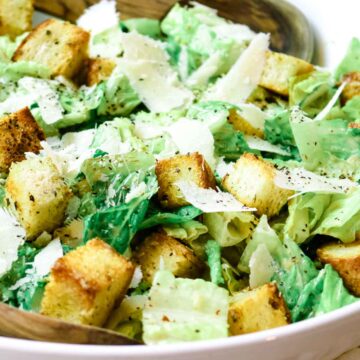
    • white bowl with caesar salad on top of white kitchen towel
      Classic Caesar Salad
    • ranch chicken on crispy salad on a white plate.
      Healthy Chopped Chicken Ranch Salad
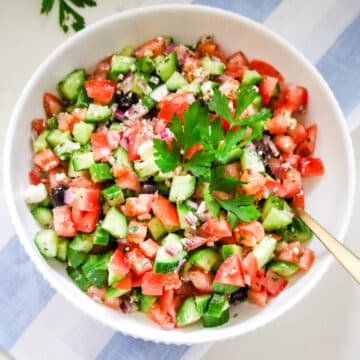
    • chopped Mediterranean salad in a white bowl with salad dressing on the bottom left corner.
      Chopped Mediterranean Salad with White Wine Vinaigrette
    • Shredded cabbage with cucumbers in a white bowl.
      Cabbage Cucumber Salad
    Did you make this lemony romaine salad? Please leave a ⭐⭐⭐⭐⭐ recipe rating in the recipe card below and leave a review in the comments. Thank you!💚

    Printable Recipe

    Romaine salad in a white bowl with a fork in it.
    Print Recipe
    No ratings yet

    Lemon Parmesan Romaine Salad

    Crisp romaine salad with lemon Parmesan dressing, shaved Parmesan, and toasted pine nuts - simple, fresh, and packed with flavor. A must-try!
    Prep Time15 minutes mins
    Cook Time3 minutes mins
    Total Time18 minutes mins
    Course: Salad
    Cuisine: American
    Keyword: chopped romaine salad, romaine salad
    Servings: 6 servings
    Calories: 177kcal
    Author: Anya @ Prepare & Nourish

    Ingredients

    Salad

    • ¼ cup pine nuts toasted
    • 1 large head of romaine lettuce cleaned and chopped
    • ½ cup shaved Parmesan cheese

    Dressing

    • ½ cup extra virgin olive oil
    • 2 tablespoons lemon juice 1 lemon
    • ¼ cup finely shredded Parmesan cheese
    • 1 teaspoon honey
    • 1 garlic clove minced
    • 1 ½ teaspoon sea salt

    Instructions

    • In a dry stainless steel skillet over medium heat, toast the ¼ cup pine nuts, stirring frequently, until golden brown and fragrant, about 3 minutes. Set aside.
    • In a small bowl, whisk together the ½ cup extra virgin olive oil, 2 tablespoons lemon juice, ¼ cup finely shredded Parmesan cheese, 1 teaspoon honey, 1 garlic clove, and 1 ½ teaspoon sea salt.
    • Toss the chopped 1 large head of romaine lettuce with the dressing until evenly coated.
    • Garnish with ½ cup shaved Parmesan cheese and toasted pine nuts. Serve immediately.

    Notes

    Storage: This salad is best enjoyed immediately after tossing, as the romaine can wilt and the pine nuts lose their crunch over time. To prep ahead, store the chopped romaine, toasted pine nuts, and shaved Parmesan cheese separately in airtight container in the fridge for up to 3 days. The dressing can be made in advance and kept refrigerated in a sealed jar for up to 5 days - just give a good shake before using. 
    Helpful Tips:
    1. Always start with dry romaine. Wet lettuce leaves dilute the dressing and lead to sad, soggy salad. Plus, the dressing won't stick to the leaves. A salad spinner is your best friend here and I like to lay it out on a clean kitchen towel to air dry afterwards too. 
    2. Use freshly shaved Parmesan. Use a vegetable peeler to shave a block of real Parmesan - it's richer and more flavorful than those bought in tubs. 
    3. Toast pine nuts ahead of time. You can toast a small batch and keep them in an airtight container at room temperature for up to a week. 
    4. Make it a meal. Add your favorite protein like salmon or chicken to make it a complete meal. 
    Troubleshooting Tips
    Pine nuts burning? They toast quickly! Keep the heat moderate and stir constantly - remove them from the pan as soon as they're golden and fragrant to prevent over-toasting. 

    Nutrition

    Calories: 177kcal | Carbohydrates: 4g | Protein: 5g | Fat: 16g | Saturated Fat: 4g | Polyunsaturated Fat: 3g | Monounsaturated Fat: 9g | Cholesterol: 9mg | Sodium: 790mg | Potassium: 106mg | Fiber: 1g | Sugar: 2g | Vitamin A: 1744IU | Vitamin C: 4mg | Calcium: 144mg | Iron: 1mg

    Beef Tallow 101: The Old-School Fat Making a Comeback

    beef tallow in a glass jar with a spoon to the side.

    What is beef tallow? Simply put, beef tallow is rendered beef fat, and it’s making a big comeback. Once a staple in kitchens and homes for everything from cooking to skincare, beef tallow is now loved for its versatility, natural benefits and nostalgic nod to traditional living.

    beef tallow in a large glass jar with a spoon on the side.

    If you love knowing exactly what goes into your food and products, tallow might just become your new favorite. Think of tallow as the ultimate multitasker.

    It’s a fantastic high-heat cooking fat, a natural skin moisturizer and even a key ingredient for DIY projects like homemade candles and balms. Plus, with its long shelf life and nutrient-dense profile, beef tallow has a lot to offer, whether you’re frying up crispy vegetables or crafting a handmade soap.

    Beef Tallow Belongs in Your Kitchen (Here's Why)

    Beef tallow stands out for its high smoke point of around 400°F, which makes it perfect for frying, roasting, and sautéing. Unlike many industrial oils, it doesn’t break down as easily under heat, meaning you get a crispy, golden texture without the smoky mess. It also lends a subtle, savory flavor that enhances anything from roasted potatoes to pie crusts.

    A return to tradition

    Using beef tallow connects you with traditional cooking methods - think hearty meals from simpler times. And you know me, I'm all about ancestral cooking and embracing the wisdom of generations past (read more about that in this post on truly nourishing foods according to ancient wisdom).

    Beef tallow is an excellent alternative to modern vegetable oils without artificial additives. Plus, making it yourself, it’s just rendered and strained beef fat, is simple, satisfying, and cost-effective.

    Versatility in cooking

    Beef tallow isn’t just for frying. Use it to coat vegetables before roasting, add richness to stews when sauteeing the mirepoix, or even replace butter in certain baked goods. The flavor is mild enough to complement most dishes while adding a depth that’s hard to replicate with other fats.

    roasted carrots cooked in beef tallow.

    Cooking with Beef Tallow

    Beef tallow is an incredibly versatile fat that earns its place in any kitchen - no need to rehash the high smoke point, but let’s just say it shines whether you're frying, sautéing, roasting, or pretty much anything in between.

    Frying and sauteing

    Tallow’s high smoke point of around 400°F means it holds up well under high heat. Whether you’re frying crispy vegetables or searing meat, tallow ensures consistent results without breaking down like many oils. Think golden French fries (just like McDonald's used to make them!) or perfectly crispy fried chicken. Perfection.

    Roasting vegetables

    Toss root vegetables like roasted carrots, sweet potato fries, or Brussels sprouts in melted tallow before roasting for a crispy exterior and rich, caramelized flavor. It’s a simple way to make everyday vegetables taste gourmet.

    Baking applications

    Tallow can also be used in baked goods like biscuits or pie crusts, providing a flaky texture similar to butter or shortening. It’s a fantastic option for savory pastries or breads that call for a rich and hearty base.

    coconut flour brownies baked with beef tallow.

    Flavor enhancer

    A dollop of beef tallow stirred into soups, stews, or sauces deepens the flavor, adding an extra layer of richness that other fats can’t replicate. It's like a flavor booster from the past - basically the non-MSG that still makes people ask, "What did you put in this?!"

    All the savory depth, none of the sketchy additives. It's also why I love starting my soups with beef tallow - it lays down a rich, savory base so the soup has flavor before it even really gets going.

    Every good pot of borsch starts with a good cooking fat, aka beef tallow.

    Here's a few recipes to get you started with beef tallow:

    • sorrel soup in white bowls with pot in the corner.
      Sorrel Soup with Potatoes (Green Borscht)
    • golden brown potatoes in serving platter.
      Crispy Oven Roasted Garlic Potatoes
    • Creamy chicken wild rice soup in white bowl with crusty bread.
      Creamy Instant Pot Chicken Wild Rice Soup
    • mushrooms and chicken gravy with fresh thyme sprigs garnished on top.
      Easy Creamy Chicken Liver Recipe

    Non-Culinary Uses of Beef Tallow

    While beef tallow shines in cooking, its uses don’t stop there. Tallow’s rich, natural texture makes it ideal for crafting homemade skincare products. For instance, it’s a game-changer in recipes like whipped tallow body balm, which mimics the skin’s natural oils and provides deep hydration without clogging pores.

    Soap making

    Tallow has long been prized for its ability to create firm, long-lasting bars of soap that lather beautifully. Try it in this homemade bar soap to create a practical and nourishing product. Unlike synthetic soap bases, tallow-based soaps are gentle on the skin and environmentally friendly.

    Candles and beyond

    Tallow is also a key ingredient in DIY candles. Its high melting point and slow burn time make it an excellent choice for crafting candles that last longer and burn cleanly.

    I don't make candles much these days, but I love that others can use beef tallow as a non-toxic, natural alternative to conventional waxes. It’s a biodegradable, sustainable option that fits well with eco-conscious lifestyles.

    beef tallow in a sealed jar on a white kitchen towel.

    Two Paths to Pure, Golden Beef Tallow

    Making beef tallow at home is surprisingly simple and allows you to control the quality.

    I usually make a shortcut version of beef tallow when I’m cooking beef bone broth. After it cools, I skim off the layer of fat that solidifies on top and melt it down in a small saucepan until it’s fully rendered. What I’m left with is pure beef tallow - simple and no waste. I walk through the whole process in my post on how to make tallow from bone broth.

    For the traditional method, all you need is fresh beef fat (ideally suet) and a fine mesh strainer. The process involves slowly rendering the fat, straining out impurities and letting it cool to solidify. If you're starting with pure suet, check out this article on how to make beef tallow for a detailed recipe and guide.

    Once you’ve made your tallow, you’ll find endless uses for it. Whether you’re frying up crispy vegetables, crafting handmade skincare products, or seasoning your cast-iron skillet, homemade tallow is a versatile and cost-effective option.

    Why skip store-bought tallow?

    Store-bought tallow often contains additives or preservatives to extend its shelf life. When you make your own, you know exactly what’s in it - pure, rendered beef fat, just as it should be. It’s also an excellent way to reduce waste if you have leftover beef trimmings.

    Homemade tallow can be stored in the refrigerator or freezer for months, making it a practical staple to keep on hand. Plus, the satisfaction of making it yourself is worth the effort.

    beef tallow in a large glass jar with a cast iron skillet to the left.

    Tips for storing and using beef tallow

    Beef tallow is incredibly shelf-stable, especially when stored in a cool, dry place. If you keep it in an airtight jar, it can last for up to a month at room temperature or several months in the fridge. For longer storage, freeze it in small portions for up to three months.

    When refrigerated, tallow solidifies into a soft, spreadable texture, much like coconut oil. This makes it easy to scoop out and use as needed. Whether you’re cooking with it or using it for non-culinary purposes, tallow’s versatility is unmatched.

    Final thoughts

    Beef tallow isn’t just a throwback to traditional cooking - it’s a versatile and sustainable ingredient that fits seamlessly into modern life. Whether you’re frying up your favorite comfort foods, making a nourishing body balm, or whipping homemade soap, beef tallow offers endless possibilities.

    Rediscover the art of using beef tallow - because who doesn't love a timeless, all-natural product that's been around longer than your favorite avocado toast? It's simple, practical, and a great way to level up your everyday routines.

    Plus, it adds that rich, savory goodness that no modern processed oil can touch. Go ahead, get back to basics and enjoy the benefits of fat that's as hardworking as you are.

    Written by Trina Krug, MS, CDSP is a holistic nutritionist, recipe creator and advocate for human health. Her passion for low-carb lifestyles, gluten-free eating and real nutrition education has led to the creation of Trina Krug. Article slightly edited to reflect Anya's feedback.

    This article originally appeared on Food Drink Life.

    Disclaimer: These statements have not been evaluated by the Food and Drug Administration. The contents of this article, made available via Food Drink Life, are for informational purposes only and do not constitute medical advice. The Content presented here is not intended to be a substitute for professional medical advice, diagnosis, or treatment. Always seek the advice of a qualified healthcare provider with any questions you may have regarding a medical condition or dietary changes. Reliance on any information provided by this article is solely at your own risk.

    Protein Chia Seed Pudding

    Chia seed puddings in clear cups, served on a white plate with a strawberry and spoon on the side.

    Protein chia seed pudding is the perfect snack - filling and delicious. With 17 grams of protein per serving and lightly sweetened with maple syrup, it's a treat you will quickly be making on repeat.

    Two chia seed puddings in clear cups, one topped with berries, served on a white plate with a spoon.
    Looking for more high-protein recipes? 
    Check out cottage cheese with fruit bowl, baked potein oats with banana, and protein coffee.
    [feast_advanced_jump_to]

    💡Recipe Overview

    • Prep and Cook Time: 10 minutes to prep and 30 minutes to chill
    • Cooking Method: No cook
    • Dietary Info: Primal, Gluten-free and Grain-free
    • Tools Needed: Small bowl and cups with lids
    • Skill Level: Easy

    What is an ancestral diet? Read my post on what nourishing foods are based on the traditional dietary principles of the Weston A. Price Foundation.

    Not Your Average Chia Pudding

    This protein chia seed pudding is like a dessert that accidentally got healthy. It's packed with 17 grams of protein per serving, super easy to prep ahead, and endlessly customizable - sweeten it up, stir in yogurt, pile on toppings, do your thing.

    Now, full disclosure: I wouldn't call this a full breakfast (I'm still a steak-and-eggs kinda girl). But it is the perfect grab-and-go snack or light meal when life gets chaotic.

    It's creamy, satisfying, and actually filling - not some watery sludge pretending to be food. Even the cool kids are into it. And while you have the chia seeds out, whip up a batch of strawberry chia jam too!

    image of Prepare and Nourish owner

    Ingredients for Chia Seed Pudding Protein

    Ingredients for chia seed pudding.
    • Milk: Using whole milk gives this pudding its creamy base, but raw milk is even better if you can get it - hello, nutrients! It's packed with natural enzymes and fat-soluble vitamins. You can also use coconut milk, but I would personally avoid nut milk. Make sure the milk is not too thin or watery (that means no bueno to 2% milk).
    • Protein of Choice: My choice is, of course, collagen peptides because it dissolves easily and doesn't mess with the flavor but you can use any clean protein powder you love. Just be sure to mix it into the milk before adding the chia seeds to avoid any weird clumps. My favorite brand of collagen peptides (use code PREPARE10 for discount).
    • Chia Seeds: The little superstars that work all the magic. When the chia seeds soak in liquid, they expand and turn everything into a pudding-like consistency. Plus, they're packed with fiber and healthy fats, so they'll actually keep you full. Just make sure your chia seeds are fresh - old seeds won't gel and that would be a sad waste of raw milk and collagen.
    • Sweetener: Just a little maple syrup goes a long way here. I like it on the not-so-sweeter side but you can totally adjust and add more based on your taste. Or skip it altogether if your protein powder is already sweetened.
    • Vanilla: That tiny splash of vanilla extract makes the whole thing taste like dessert.
    • Toppings: This is where you can make your pudding as fancy - or as simple - as you want. I like a hefty dollop of Greek yogurt on top for creaminess and lots of fresh berries. But nut butters, cacao nibs, or even a sprinkle of cinnamon all work too. Honestly, it's hard to mess this part up.
    Chia seed puddings in clear cups, served on a white plate with a strawberry and spoon on the side.

    How to Make Protein Chia Seed Pudding

    The complete printable recipe is below in the recipe card for your convenience. Follow these simple step-by-step instructions for the best results.

    Pudding in a mixing bowl with a whisk inside.

    Step 1.

    In a bowl or mason jar, whisk together whole milk and protein powder until the powder is fully dissolved. If using a mason jar, seal it with a lid and shake well to combine.

    Mix the pudding with chia seeds using a whisk.

    Step 2.

    Add chia seeds, maple syrup, and vanilla extract. Stir until well combined, then let it sit for about 5 minutes to allow the chia seeds to expand.

    Continue whisking and mixing the contents of the mixing bowl.

    Step 3.

    Stir again to break up any clumps of chia seeds. You really want to make sure all the chia seeds have been broken apart otherwise you'll end up with weird clumps.

    Chia seed pudding in a clear cup with a lid, placed on top of the table.

    Step 4.

    Cover and refrigerate for at least 30 minutes or overnight until the chia pudding thickens. When ready to serve, top with Greek yogurt and your favorite toppings like fresh berries or sprouted nut butters.

    Chia pudding on a spoon with blueberries; in the background, a cup topped with strawberries and blueberries.

    Helpful Tips

    1. Dissolve protein first. Always whisk or shake the milk and protein powder (collagen peptides, in my case) together first to avoid clumps. 
    2. Texture fix. If your pudding is too runny after refrigerating, stir in 1-2 more teaspoons of chia seeds and refrigerate for 15-30 minutes more. 
    3. Stir in yogurt. I like to add a spoonful on top for some creaminess but you can stir it in instead before chilling for a thicker pudding.

    Troubleshooting

    • Chia seed pudding didn't thicken? Make sure you use fresh chia seeds, as old or improperly stored chia seeds may not gel properly.
    • Clumps of chia seeds? After the initial mix, it's important to stir again after 5 minutes to help break up clumps and ensure even absorption of liquid. 

    Product Highlight!

    Not Necessary but Totally Instagram-Worthy

    I love serving this protein chia seed pudding in these gorgeous embossed tea cups - complete with lids and a tiny spoon!

    Grab yours →
    embossed tea cups with spoons.
    Chia seed puddings in clear cups, served on a white plate with a strawberry and spoon on the side.

    Frequently Asked Questions

    How do I store protein chia seed pudding?

    Store leftover protein chia seed pudding in an airtight container, such as a Weck preserving jar and refrigerate for up to 5 days. Be sure to stir well before serving, especially if it has been sitting overnight. Note that protein chia seed pudding is not freezer-friendly, as the chia seeds develop an unpleasant texture when thawed.

    Can I use flavored protein powder?

    You can, but make sure the flavor doesn't clash with the toppings you love (chocolate + peaches? risky IMHO). Also, keep in mind some protein powders thicken more than others, so you might need to tweak the liquid ratio.

    Is it supposed to be this thick?

    Yes - chia seed pudding should be spoonable, not drinkable. If it's too thick for your liking, stir in a splash more milk to loosen I tup.

    Looking for more healthy snack recipes? Here are some ideas:
    • homemade marshmallows cut into bite-size pieces on a circular wooden cutting board.
      Easy Homemade Healthy Marshmallows (no corn syrup!)
    • two bowls filled with cottage cheese and fresh strawberries, raspberries, blueberries, and blackberries and topped with honey; spoons in the bowls.
      Easy Cottage Cheese with Fruit Bowl Recipe
    • protein coffee in large glasses with ice and a slight foam on top.
      Easy Protein Coffee Recipe (No Blender!)
    • four oatmeal bars stacked on each other with parchment paper in-between all of them
      Healthy Baked Steel Cut Oatmeal Breakfast Bars Recipe
    Did you make this protein chia seed pudding? Please leave a ⭐⭐⭐⭐⭐ recipe rating in the recipe card below and leave a review in the comments. Thank you!💚

    Printable Recipe

    Chia seed puddings in clear cups, served on a white plate with a strawberry and spoon on the side.
    Print Recipe
    No ratings yet

    Protein Chia Seed Pudding

    Protein chia seed pudding is filling and delicious with 17 grams of protein per serving and lightly sweetened with maple syrup.
    Prep Time10 minutes mins
    Chilling Time30 minutes mins
    Total Time40 minutes mins
    Course: Breakfast, Snack
    Cuisine: American
    Keyword: chia seed pudding protein, protein chia pudding, protein chia seed pudding
    Servings: 2
    Calories: 344kcal
    Author: Anya @ Prepare & Nourish

    Ingredients

    • 1 ½ cup whole milk
    • 3 tablespoons protein powder collagen peptides
    • 6 tablespoons chia seeds
    • 1 tablespoon maple syrup
    • ¼ teaspoon vanilla extract
    • ½ cup Greek yogurt
    • toppings like fresh berries or sprouted nut butters.

    Instructions

    • In a bowl or mason jar, whisk together the 1 ½ cup whole milk and 3 tablespoons protein powder together until the protein has dissolved. If using mason jar, seal with lid and shake to combine.
    • Add 6 tablespoons chia seeds, 1 tablespoon maple syrup and ¼ teaspoon vanilla extract. Stir until well combined. Set aside for 5 minutes for the chia seeds to expand.
    • Stir again to break up any clumps of chia seeds.
    • Cover and refrigerate for 30 minutes or overnight. The chia pudding should be thick. Top with ½ cup Greek yogurt and toppings like fresh berries or sprouted nut butters..

    Notes

    Storage: Store in an airtight container or mason jar in the refrigerator for up to 5 days. Stir well before serving, especially if it's been sitting overnight. Protein chia seed pudding is not freezer-friendly as the texture of the chia seeds becomes unpleasant when thawed. 
    Helpful Tips:
    1. Dissolve protein first. Always whisk or shake the milk and protein powder (collagen peptides, in my case) together first to avoid clumps. 
    2. Texture fix. If your pudding is too runny after refrigerating, stir in 1-2 more teaspoons of chia seeds and refrigerate for 15-30 minutes more. 
    3. Stir in yogurt. I like to add a spoonful on top for some creaminess but you can stir it in instead before chilling for a thicker pudding. 
    Troubleshooting:
    Chia seed pudding didn't thicken? Make sure you use fresh chia seeds, as old or improperly stored chia seeds may not gel properly.
    Clumps of chia seeds? After the initial mix, it's important to stir again after 5 minutes to help break up clumps and ensure even absorption of liquid. 

    Nutrition

    Calories: 344kcal | Carbohydrates: 32g | Protein: 17g | Fat: 17g | Saturated Fat: 5g | Polyunsaturated Fat: 9g | Monounsaturated Fat: 2g | Trans Fat: 0.1g | Cholesterol: 24mg | Sodium: 94mg | Potassium: 515mg | Fiber: 12g | Sugar: 16g | Vitamin A: 318IU | Vitamin C: 1mg | Calcium: 519mg | Iron: 3mg

    Beef Chuck Roast Tacos

    Roast tacos on a white plate with lime slices.

    These Beef Chuck Roast Tacos are a quick, flavorful dinner made with tender shredded roast, taco seasoning, lime juice, and bone broth, all wrapped in soft tortillas and topped with fresh salsa, guacamole, and queso fresco. Perfect for busy nights and taco lovers!

    Roast tacos on a white plate with roasted beef in a pan, with tacos and onions beside it.
    Looking for more taco night recipes? 
    Check out cod fish tacos, tacos de lengua, and taco dip with ground beef.
    [feast_advanced_jump_to]

    💡Recipe Overview

    • Prep and Cook Time: 10 minutes to prep and 15 minutes to cook
    • Cooking Method: Stove-top
    • Dietary Info: Primal, Ancestral diet
    • Tools Needed: cast iron skillet
    • Skill Level: Easy

    What is an ancestral diet? Read my post on what nourishing foods are based on the traditional dietary principles of the Weston A. Price Foundation.

    Affordable Tacos, Steak Girl Approved!

    I'm all about these beef chuck tacos because it's the perfect mix of affordable and ridiculously tasty. I'm definitely a steak girl and can't resist a good steak bite, but when it comes to budget-friendly meals, beef chuck roast really steals the show.

    Cook it low and slow using my braised chuck roast recipe and it becomes melt-in-your-mouth, fork-tender goodness.

    Plus, all that connective tissue in a cheaper cut means collagen for you!

    A hearty, satisfying meal that doesn't cost a fortune? Yes, please. Who says you can't have it all?

    And let's not forget the toppings - this is secretly my favorite part. Add all the fixings like chunky guac, salsa, and crumbled queso fresco, and you've got a taco so good, you'll wonder if you're eating food or a work of art.

    image of Prepare and Nourish owner

    Ingredients for Beef Chuck Tacos

    Ingredients for roast tacos on the table.
    • Cooked chuck roast: Having braised chuck roast on hand makes these tacos come together in minutes. Make the chuck roast on a slow afternoon and have meals for days!
    • Taco seasoning: I like using this mild taco seasoning because chuck roast packs in tons of flavor so no need to overdo it here.
    • Broth: This keeps the meat from drying out during the browning. I love using my beef bone broth recipe for this part.
    • Lime: Just a bit of acidity helps round out the rich flavors.
    • Taco tortillas: Corn or flour, your choice. I love corn tortillas for the flavor, but if I'm feeding hungry kids, flour tends to hold up better. You can also go with Siete cassava tortillas for a grain-free option.
    • Toppings: Guac, salsa, diced white onions, cotija cheese, and cilantro because what's a taco without cilantro - am I right?
    graphic of fork and spoon connected in a plant.

    Make it Ancestral

    When I want to make these beef chuck roast tacos a little more nourishing and rooted in tradition, I lean into simple ancestral swaps. I like using grass-fed bone-in chuck roast that's been slow-cooked to really break down those connective tissues (aka collagen!). I also like to crisp it up in beef tallow for extra flavor and healthy fats. A scoop of fermented pico de gallo adds that gut-friendly kick - because good food should taste amazing and make you feel good.

    Roast tacos on a white plate with roasted beef in a pan beside them.

    How to Make Beef Tacos Chuck Roast

    The complete printable recipe is below in the recipe card for your convenience. Follow these simple step-by-step instructions for the best results.

    Sautéing beef in a pan.

    Step 1. Sauté

    Heat a cast iron skillet over medium heat. Add the shredded beef, taco seasoning, lime juice, and bone broth. Stir and cook for about 5 minutes until the beef is warmed through and well-coated in the juices.

    Roast tacos on a white plate with lime slices.

    Step 2. Assemble

    While the beef warms, lightly char the tortillas over an open flame or heat them in a dry skillet, then fill each one with the beef and your favorite toppings.

    Helpful Tips

    1. Crispy beef. For a delicious crispy texture, spread the shredded beef in a hot skillet and let it sear undisturbed for 1-2 minutes before stirring. 
    2. Revive leftover meat. If your leftover church roast seems a bit dry, add a splash of bone broth or lime juice while reheating to bring back moisture. 
    3. Double up on tortillas. If using corn tortillas, stack two per taco to prevent breakage, especially if you're loading up on toppings. 
    4. Layer your tacos right. To keep your tacos from getting soggy, place cheese or guacamole at the bottom before adding the beef to create a barrier against

    Product Highlight!

    Cast-Iron Skillet

    Still using your non-stick pans? Ditch them and switch over to a true cast iron skillet to get that nice golden crust. A cast iron skillet is perfect for this recipe - it retains heat beautifully and gives the beef those crave-worthy crispy edges.

    Grab yours →
    cast iron skillet.
    💭Meal Prep Suggestion!
    For easy meal prep, cook a big batch of braised chuck roast ahead of time and store it in fridge with some broth to keep it juicy. Then just reheat, crisp it up in a skillet, and assemble tacos fresh throughout the week with different toppings. It's the kind of meal prep I can get behind!

    Serving Suggestions

    These beef tacos chuck roast are super versatile and can be served with whatever toppings you have on hand, making them perfect for using up leftovers or mixing and matching flavors. Here are some of my favorite toppings:

    • diced white onion and cilantro with lime juice
    • crumble Cotija cheese
    • fermented jalapenos for that gut-friendly probitioc action
    • pico de gallo
    • roasted jalapeno peppers
    • raw sour cream
    • quick pickled red onions
    • chunky guacamole recipe
    • blender salsa
    Roast tacos on a white plate with roasted beef in a pan, with tacos and onions beside it.

    Frequently Asked Questions

    How do I store and reheat beef chuck tacos?

    Store leftover beef chuck roast in an airtight container in the refrigerator for up to 4 days—these glass snap containers work perfectly for keeping it fresh. For longer storage, freeze the beef in a sealed container for up to 3 months. To reheat, transfer the beef to a skillet or small saucepan, add a splash of broth to keep it juicy, and warm over medium heat, stirring occasionally, until heated through.

    How do I keep the tortillas from getting soggy?

    To prevent soggy tacos, place a layer of cheese at the bottom of the tortilla before adding beef. You can also stack two tortillas per taco to prevent them from breaking (helpful if using corn tortillas) to help keep everything together and make them easier to handle.

    Can I make these tacos more filling for a crowd?

    Yes! For a crowd, I love serving these with a large platter of bone broth rice or homemade tortilla chips to turn them into a taco salad or nachos. It adds more bulk while still keeping the focus on the delicious beef chuck roast tacos.

    Looking for more taco-related recipes? Here are some ideas:
    • two beef tongue tacos on a platter garnished with cilantro and lime on the side.
      Tacos de Lengua (Beef Tongue Tacos)
    • Sheet pan nachos with ground pork and vegetables on a tray.
      Loaded Sheet Pan Nachos Without Beans
    • fish tacos in a corn tortilla on parchment paper.
      Easy Blackened Fish Tacos
    • Ground beef taco dip on a white plate with nachos on the side.
      Taco Dip with Ground Beef
    Did you make this beef tacos chuck roast? Please leave a ⭐⭐⭐⭐⭐ recipe rating in the recipe card below and leave a review in the comments. Thank you!💚

    Printable Recipe

    Roast tacos on a white plate with lime slices.
    Print Recipe
    No ratings yet

    Beef Chuck Roast Tacos

    Beef Chuck Roast Tacos have tender shredded roast beef, lime, taco seasoning, and broth wrapped in a soft tortilla with your favorite toppings.
    Prep Time10 minutes mins
    Cook Time15 minutes mins
    Total Time25 minutes mins
    Course: Main Course
    Cuisine: American
    Keyword: beef chuck roast tacos, beef chuck tacos, beef tacos chuck roast, roast tacos
    Servings: 4 servings
    Calories: 334kcal
    Author: Anya @ Prepare & Nourish

    Ingredients

    • 2 cups cooked chuck roast
    • 2 tablespoons taco seasoning
    • 1 tablespoon lime juice
    • ½ cup beef bone broth
    • 8 small tortillas corn or flour

    Toppings:

    • diced white onion & cilantro
    • guacamole
    • salsa
    • crumbled queso fresco
    • fresh lime

    Instructions

    • Heat a cast iron skillet over medium heat. Add the 2 cups cooked chuck roast, 2 tablespoons taco seasoning, 1 tablespoon lime juice, and ½ cup beef bone broth. Stir and cook for about 5 minutes until the beef is warmed through and well-coated in the juices.
    • While the beef heats, warm the 8 small tortillas over an open flame until lightly charred or in a dry skillet.
    • Fill each tortilla with the beef and top with toppings of choice like diced white onion & cilantro, guacamole, salsa, crumbled queso fresco, and squeeze of fresh lime.

    Notes

    Nutrition information does not include toppings. 
    Storage: Keep the cooked chuck roast in an airtight container in the refrigerator for up to 4 days. You can freeze it for up to 3 months. To reheat, transfer to a skillet and add a splash of broth to keep it juicy. Reheat over medium heat until warmed through. 
    Helpful Tips:
    1. Crispy beef. For a delicious crispy texture, spread the shredded beef in a hot skillet and let it sear undisturbed for 1-2 minutes before stirring. 
    2. Revive leftover meat. If your leftover church roast seems a bit dry, add a splash of bone broth or lime juice while reheating to bring back moisture. 
    3. Double up on tortillas. If using corn tortillas, stack two per taco to prevent breakage, especially if you're loading up on toppings. 
    4. Layer your tacos right. To keep your tacos from getting soggy, place cheese or guacamole at the bottom before adding the beef to create a barrier against moisture. 

    Nutrition

    Calories: 334kcal | Carbohydrates: 24g | Protein: 27g | Fat: 15g | Saturated Fat: 6g | Polyunsaturated Fat: 2g | Monounsaturated Fat: 7g | Trans Fat: 1g | Cholesterol: 82mg | Sodium: 231mg | Potassium: 494mg | Fiber: 4g | Sugar: 1g | Vitamin A: 136IU | Vitamin C: 2mg | Calcium: 63mg | Iron: 3mg

    Ancestral Beef Blend Recipe

    Ground beef with organ meat in a clear bowl and a freezer ziplock on the side.

    Homemade ancestral beef blend is a cost-effective way to make your own nutrient-packed ground meat blend at home, using ground beef with organ meats. Save money and use it in any recipe that calls for ground meat!

    Ground beef with organ meat in a clear bowl and a freezer ziplock on the side.
    Looking for more organ meat recipes? 
    Check out chicken liver pate, tacos de lengua, and creamy chicken livers.
    [feast_advanced_jump_to]

    Recipe Overview

    • Prep and Cook Time: 15 minutes to prep
    • Cooking Method: No cook
    • Dietary Info: Keto, Whole30, Paleo, GAPS, Ancestral diet
    • Tools Needed: food processor and mixing bowl
    • Skill Level: Easy

    What is an ancestral diet? Read my post on what nourishing foods are based on the traditional dietary principles of the Weston A. Price Foundation.

    The Ultimate Beef Blend Hack

    Okay, let's be real - ever since the ancestral blend hit the market, it's been a total game changer for me (you too?).

    No more stressing about how to sneak organ meats into my meals or trying to figure out creative ways to make them taste good.

    Now, I can effortlessly include them in one of the most basic, boring staples – ground beef! It’s not only a win for flavor and nutrition, but it’s also incredibly cost-effective. You get all the nutrients of organ meats without breaking the bank.

    And the best part? You can totally customize it to your taste! This recipe uses roughly 4:1 ratio of ground beef to organ meats but can easily be adjusted to fit your taste buds. So if you like it a little milder, just tweak the ratio to suit your preference. Total win, right?

    Note: Shoutout to a reader for catching my math error - this blend is actually 80/20, not 75/25 as I originally published. Numbers and I don't always get along!

    image of Prepare and Nourish owner

    Ingredients for Ground Beef with Organ Meat

    Ground beef in a clear bowl and liver on a white plate.
    • Ground beef: This is the base of the blend and will make the bulk of the ancestral beef blend with the familiar texture and flavor, making this mix easy to use in everyday meals.
    • Organ meats: Go with beef liver, heart, or kidney - these are true superfoods, loaded with essential nutrients like vitamin A, iron, zinc, B12, and CoQ10. Unless you have access to a local beef farmer, you'll likely find that beef liver is the most accessible option at places like Whole Foods or other natural grocers. You can also use chicken hearts if that’s what you have available to you - they’re milder in flavor and still incredibly nutrient-dense.
    graphic of fork and spoon connected in a plant.

    Why a 80/20 Blend?

    This ancestral blend beef uses 4 pounds of ground beef to 1 pound of organ meats, which works out to about 80% beef and 20% organ by weight. I find it strikes the perfect balance: deeply nourishing but still mild enough for kids and picky eaters.

    But, it's also super convenient. Both ground beef and organ meats (especially liver) are often sold in 1-pound packages, making this ratio easy to scale up or down without extra measuring or prep. Just grab what you need and mix.

    👉 If you’re just getting started with organ meats or you’re cooking for someone sensitive to the flavor, you can absolutely add more ground beef to mellow it out. A 5:1 or even 6:1 ratio is still nutrient-dense and very approachable.

    For those who love organ flavor and want it slightly stronger, consider a more solid 75/25 ratio (3.75 lbs beef and 1.25 lbs organ meats).

    Ground beef with organ meat in a clear bowl and a freezer ziplock on the side.

    How to Make Ancestral Blend Beef

    The complete printable recipe is below in the recipe card for your convenience. Follow these simple step-by-step instructions for the best results.

    Process the organ meats in the food processor.

    Step 1. Pulse

    In a food processor, pulse the organ meats until smooth but still has some texture.

    Ground beef mixed with organ meat in a clear bowl.

    Step 2. Combine

    In a medium bowl, mix the finely minced organ meats with the ground beef until evenly combined.

    Helpful Tips

    1. Freeze organ meats slightly - If your liver or heart is too soft, pop it into the freezer for 15–20 minutes. This firms it up, making it easier to chop or pulse in the food processor without turning to mush.
    2. Don't overprocess the organs - You want a finely minced texture, not a complete purée. Keeping a little bit of texture helps the organ meat blend better with ground beef and improves the final texture in cooked dishes. You can see the darker parts in the ground meat in the photos above. I promise those cook down and you hardly taste it!
    3. Mix gently but thoroughly - You don’t want to overmix the meat too much, especially if you're going to freeze it. Use your hands or a large spoon to mix until just combined. Overmixing can make the texture dense and tough when cooked.
    4. Freeze in flat, 1-pound portions - Once mixed, portion the blend into 1-pound amounts (or whatever size you usually cook with). Place them in freezer-safe ziplock bags, remove as much air as possible, and flatten them out. This not only saves freezer space but also makes for quick, even thawing.

    Troubleshooting

    • Texture too mushy? If the blend is overly soft, this usually happens when organ meats are over-pureed or overmixed. Mix in a a bit more ground beef to balance it out and avoid blending the organs too smooth next time.
    • Thawed blend watery? This is normal - organ meats release more moisture. Just drain off any excess liquid before cooking or saute with extra care to avoid steaming.
    • Taste too strong? If your final dish tastes a little too "organ-y", mix in an additional ½ to 1 pound of plain ground beef to smooth out the flavor without having to toss the whole batch (cause that would be a shame, now wouldn't it?).

    Product Highlight!

    Food Processor

    This small kitchen appliance makes the recipe so much easier - just pulse the organ meats until finely minced. It saves time and gives you the perfect texture to mix into the ground beef.

    Grab yours →
    Food processor
    💭Meal Prep Suggestion!
    Once you made the blend, divide it into 1-pound portions and freeze. Label with the date so you can easily grab the thaw when needed. This blend works great in most recipes where ground beef is called. You'll have nutrient-dense, ancestral meals ready to go in just minutes!
    Ground beef with organ meat in freezer ziplocks.

    Serving Suggestions

    This ground beef with organ meat blend is incredibly versatile, making it the perfect base for a wide variety of dishes. You can easily incorporate it into your favorite recipes like sheet pan nachos and carnivore stroganoff.

    Or, include this in ground beef and eggs for breakfast.

    Here are some more delicious ideas:

    • Beef Taco Meat
    • Ground Beef and Broccoli
    • Hamburger Soup
    • Taco Dip with Ground Beef
    • Ground Beef and Potato Soup
    Ground beef with organ meat in a clear bowl and a freezer ziplock on the side.

    Frequently Asked Questions

    How do I store and freeze ancestral blend beef?

    Store ancestral blend ground beef in an airtight container or a quart-size ziplock bag in the fridge for up to 4 days. For longer storage, divide it into portions and freeze for up to 3 months. When ready to use, thaw overnight in the fridge or cook straight from frozen, adjusting cook times as needed.

    How can I make this ancestral beef blend without a food processor?

    While a food processor makes it much quicker and ensures a more consistent texture, you can chop the organ meats finely by hand. You can also as your butcher to grind the organs for you.

    Where can I buy organ meats like liver and heart?

    You can find beef liver in most grocery stores, including Whole Foods or other natural grocers. For heart or kidney, check your local butcher or specialty stores. I prefer to purchase this at farmer's markets or local cattle farmers as they offer a wider selection.

    Looking for more organ recipes? Here are some ideas:
    • Chicken live pate on a glass jar with crackers on the side.
      Chicken Liver Pate Recipe
    • dirty rice in a large pan with a wooden spoon and green onions and lemon wedges as garnish.
      Dirty Rice Recipe with Chicken Liver
    • fried beef tongue with sliced white onion and lemon slices.
      Crispy and Delicious Beef Tongue Recipe
    • chopped and sauteed liver with onions on a white plate with green parsley garnished.
      30-Minute Chicken Liver and Onions
    Did you make this ancestral blend beef? Please leave a ⭐⭐⭐⭐⭐ recipe rating in the recipe card below and leave a review in the comments. Thank you!💚

    Printable Recipe

    Ground beef with organ meat in a clear bowl and a freezer ziplock on the side.
    Print Recipe
    No ratings yet

    Ancestral Beef Blend

    Ancestral beef blend is an easy, cost-effective way to make nutrient-rich ground beef with organ meat blend to use in most recipes with ground meat.
    Prep Time15 minutes mins
    Total Time15 minutes mins
    Course: Healthy Basics
    Cuisine: American
    Keyword: ancestral beef blend, ancestral blend beef, ground beef with organ meat
    Servings: 20 servings
    Calories: 261kcal
    Author: Anya @ Prepare & Nourish

    Equipment

    • Food Processor

    Ingredients

    • 4 pounds ground beef
    • 1 pound beef liver heart or kidney

    Instructions

    • In a food processor, pulse the organ meats until smooth but still has some texture.
    • In a medium bowl, mix the finely minced organ meats with the ground beef until evenly combined.
    • Use immediately or portion into 1-lb packages and freeze for later use.

    Notes

    Recipe makes 5 pounds or 20 quarter-pound servings. The nutritional information is per quarter-pound. 
    Storage: Store ancestral blend ground beef in an airtight container or a quart-size ziplock bag in the fridge for up to 4 days. For longer storage, divide it into portions and freeze for up to 3 months. When ready to use, thaw overnight in the fridge or cook straight from frozen, adjusting cook times as needed. 
    Helpful Tips:
      1. Freeze organ meats slightly - If your liver or heart is too soft, pop it into the freezer for 15–20 minutes. This firms it up, making it easier to chop or pulse in the food processor without turning to mush.
      1. Don't overprocess the organs - You want a finely minced texture, not a complete purée. Keeping a little bit of texture helps the organ meat blend better with ground beef and improves the final texture in cooked dishes. You can see the darker parts in the ground meat in the photos above. I promise those cook down and you hardly taste it!
      1. Mix gently but thoroughly - You don’t want to overmix the meat too much, especially if you're going to freeze it. Use your hands or a large spoon to mix until just combined. Overmixing can make the texture dense and tough when cooked.
      1. Freeze in flat, 1-pound portions - Once mixed, portion the blend into 1-pound amounts (or whatever size you usually cook with). Place them in freezer-safe ziplock bags, remove as much air as possible, and flatten them out. This not only saves freezer space but also makes for quick, even thawing.
    Troubleshooting
      • Texture too mushy? If the blend is overly soft, this usually happens when organ meats are over-pureed or overmixed. Mix in a a bit more ground beef to balance it out and avoid blending the organs too smooth next time.
      • Thawed blend watery? This is normal - organ meats release more moisture. Just drain off any excess liquid before cooking or saute with extra care to avoid steaming.
      • Taste too strong? If your final dish tastes a little too "organ-y", mix in an additional ½ to 1 pound of plain ground beef to smooth out the flavor without having to toss the whole batch (cause that would be a shame, now wouldn't it?).

    Nutrition

    Calories: 261kcal | Carbohydrates: 1g | Protein: 20g | Fat: 19g | Saturated Fat: 7g | Polyunsaturated Fat: 1g | Monounsaturated Fat: 8g | Trans Fat: 1g | Cholesterol: 127mg | Sodium: 76mg | Potassium: 316mg | Vitamin A: 3832IU | Vitamin C: 0.3mg | Calcium: 17mg | Iron: 3mg

    Braised Beef Chuck Roast Recipe

    Braised beef chuck roast with mashed potatoes on a plate, and braised beef chuck in a baking tray with sauce.

    This braised chuck roast is seared and then slow-cooked in a savory blend of red wine, beef broth, onions, and aromatics. The result is a melt-in-your-mouth fork-tender meat that's perfect for family dinners. Serve this beef chuck roast recipe with mashed potatoes, over rice or pasta, or with a simple green salad for a well-rounded, comforting meal.

    Braised beef chuck roast with mashed potatoes on a plate, and braised beef chuck in a baking tray with sauce.
    Looking for more cozy, slow-cooked, nutrient-dense recipes? 
    Check out slow cooker duck, aspic, and beef bone broth recipe.
    [feast_advanced_jump_to]

    💡Recipe Overview

    • Prep and Cook Time: 15 minutes to prep and 4 hours to cook
    • Cooking Method: Stove-top and oven-baked
    • Dietary Info: Keto, Whole30, Paleo, GAPS, Ancestral diet
    • Tools Needed: large Dutch oven
    • Skill Level: Moderate

    What is an ancestral diet? Read my post on what nourishing foods are based on the traditional dietary principles of the Weston A. Price Foundation.

    Let this braised chuck roast do the heavy lifting, so your wallet can take a break!

    Let's be real - grocery prices aren't exactly giving us warm fuzzies these days. But this braised chuck roast?

    It's the MVP of budget-friendly comfort food. Chuck roast is one of those humble cuts that doesn't look like much, but when you treat it to a long, slow cook, it transforms into fork-tender, melt-in-your-mouth magic.

    It's proof that you can eat well without splurging on a ribeye.

    This meal also goes the distance. Serve it over mashed potatoes, tuck it into tacos, stuff it in sandwiches, or toss it with pasta. You know what they say: one roast, many dinners. (Does anyone actually say that?)

    It's a flavor-packed, nourishing way to stretch your dollar and your leftovers. Because, yes, we're eating like kings...on a pauper's budget. And we gonna be proud of it!

    image of Prepare and Nourish owner

    Ingredients for Beef Chuck Roast Recipe

    Ingredients for braised beef chuck roast on a white table.
    • Chuck roast: I used a 5-pound bone-in chuck roast here. Bone-in roast has more connective tissue and marrow, which melt into the braising liquid, creating a deeper, richer flavor and more gelatinous texture in the sauce. A boneless chuck roast is easier to slice and cooks slightly faster but may not be as flavorful. If using boneless, consider adding extra broth to mimic the richness that the bone provides.
    • Vegetables: I like to keep my roast simple with just yellow onions. They add a natural sweetness and help build a flavorful sauce as they cook down. If you so desire, you can add other veggies like carrots, potatoes, and parsnips in the last hour of cooking so they don't get mushy.
    • Liquids: Beef bone broth provides moisture and richness while helping to tenderize the meat during slow cook. After searing the roast and sauteeing the onions, a dry red wine deglazes the pot, lifting all those delicious browned bits for extra depth. It also adds nice acidity. If you prefer you can swap it out with more beef bone broth.
    • Aromatics: Just a simple mix of fresh garlic, bay leaves, fresh thyme, sea salt, and black pepper infuses the meat as it cooks low and slow.
    • Pantry staples: In addition to the ingredients above, you'll also need a little bit of avocado oil (or another cooking fat like beef tallow) to sear the chuck roast and arrowroot starch (or all-purpose flour if not gluten-free) as a thickening agent.
    graphic of fork and spoon connected in a plant.

    Make it Ancestral

    To make this braised chuck roast even more nutrient-dense, try using grass-fed beef for a higher quality of fat and omega-3s. I bought this one from a local beef rancher. And make sure to use homemade beef bone broth. For a richer, more traditional flavor, sear the roast in tallow or pasture-raised butter instead of avocado oil. These simple swaps will enhance the roast’s nutritional value while staying true to ancestral cooking practices.

    Braised beef chuck roast with mashed potatoes on a plate, and braised beef chuck in a baking tray with sauce.

    How to Make Beef Chuck Roast

    The complete printable recipe is below in the recipe card for your convenience. Follow these simple step-by-step instructions for the best results.

    Roast beef in a pot.

    Step 1. Sear

    In a large Dutch oven, heat avocado oil over medium-high heat. Season the chuck roast generously with salt and pepper on both sides. Sear the roast on all sides until it is browned. Remove the roast from the pot and set aside.
    "Sautéing white onions in a pot

    Step 2. Saute

    In the same pot, add the sliced onions and cook until softened, scraping up the burnt pieces from the bottom. Add the minced garlic and thyme leaves and cook until fragrant.
    Adding red wine to a pot full of white onions.

    Step 3. Deglaze

    Add the red wine (or broth) to the pot to deglaze, scraping up any browned bits from the bottom of the pot. Let it cook for a few minutes to reduce slightly.

    Adding aromatic ingredients to the pot with onions.

    Step 4. Pour

    Add the beef broth and bay leaves. Gently stir to combine.

    Simmering white onions and red wine in a pot.

    Step 5. Stir

    Make sure everything is mixed together well before returning the chuck roast, along with its juices, back to the pot.

    Adding roast beef to the pot.

    Step 6. Braise

    Cover the pot with a lid and transfer to the preheated oven. Braise until the roast is fork-tender and easily shreds. If the liquid reduces too much during cooking, add a bit more broth as needed.

    Shredding beef in a baking tray.

    Step 7. Rest

    Once the chuck roast is tender, remove from the oven and let it rest for a few minutes. Remove the meat from the bones and shred or cut to the desired size.

    Roast beef sauce in a pot.

    Step 8. Thicken

    Strain the cooking liquid from the onions and return it to the pot over medium-high heat. In a small bowl, whisk arrowroot starch with equal water until smooth. Slowly pour the slurry into the simmering juices, whisking constantly to prevent clumps.

    Helpful Tips

    1. Get a good sear. Browning the roast deeply on all sides before braising enhances the flavor and creates a rich, caramelized crust. Don't skip this step! And be sure you start with very dry chuck roast - pat it dry with paper towels to remove excess moisture.
    2. Deglaze well. Scraping up the browned bits from the bottom of the pot after adding wine or broth infuses the dish with deep flavor and avoids burnt food later. 
    3. Low and slow is the way to go. Chuck roast is a tough cut of meat, but slow braising breaks down the connective tissue, making it melt-in-your-mouth tender. 
    4. Let the meat rest before shredding. After braising, allow the roast to sit for 10-15 minutes before shredding or cutting. This helps the juices distribute, keeping the meat moist. 

    Troubleshooting

    • Not enough liquid in the pot. Check the pot halfway through cooking to make sure there’s still enough liquid to keep the roast moist. If it's evaporating too much, add more beef broth or wine to prevent it from drying out.
    • The roast is too tough. Make sure you're cooking it long enough at a low temperature. Braising should be done at 325°F for about 3-4 hours, but depending on the size and thickness of the roast, it may need a little longer. If it isn't fork-tender after 4 hours, continue cooking, checking every 30 minutes.

    Product Highlight!

    Large Dutch Oven with Lid

    You’ll need a sturdy, at least 7-quart Dutch oven with a heavy bottom that can go from stove to oven and retains heat well. I’ve been using my affordable Lodge Dutch oven for years, and it’s been a reliable workhorse.

    Grab yours →
    white Dutch oven.
    💭Meal Prep Suggestion!
    This beef chuck roast recipe makes a lot of shredded meat. That's why I generally don't like to cook the veggies with it as I prefer to re-purpose and meal prep this for other recipes. For easy meal prep, shred the leftover braised chuck roast and store it with or without the gravy for quick meals. It's also great in tacos, wraps, and sandwiches. Just portion out leftovers for the week or freeze them for future meals.
    Braised beef chuck roast with mashed potatoes on a plate, and braised beef chuck in a baking tray with sauce.

    Serving Suggestions

    The most classic serving option is serving this braised chuck roast along with the gravy over Yukon gold mashed potatoes or another creamy, buttery mash for a hearty meal. Here are more ideas to consider:

    Side dish: Serve this over bone broth rice, Instant Pot millet, or crusty sourdough bread to soak up the rich sauce.

    Roast veggies: Roasted vegetables are some of the easiest sides you can prepare. Try roasted whole carrots, spaghetti squash strands, or roasted broccolini.

    Fresh salads: A crisp, refreshing salad helps balance the richness of the roast. Try a simple romaine salad, classic Caesar salad, or a regular house salad. A refreshing cabbage and cucumber salad also adds a nice contrast.

    Condiments: Don't forget to round out your meal with a ferment like a small side of red cabbage sauerkraut or pickled green tomatoes.

    Shredded Chuck Roast Beef: The possibilities for using leftover shredded beef chuck roast are endless! My personal favorite is beef chuck tacos, but it's also great in sandwiches, salads, pastas, wraps, with breakfast eggs, and more!

    Braised beef chuck roast with mashed potatoes on a plate, and braised beef chuck in a baking tray with sauce.

    Frequently Asked Questions

    How do I store and reheat beef chuck roast?

    Allow the braised chuck roast to cool completely before storing. Transfer the meat (bones removed if using bone-in) and any leftover gravy into an airtight container and store for up to 4 days. These glass snap containers are perfect for leftovers. To reheat, warm gently on the stovetop over low heat with a splash of broth to loosen the sauce and keep the meat juicy.

    Can I freeze the braised chuck roast?

    Yes! Braised chuck roast freezes beautifully. Once cooled completely, transfer the meat and any sauce to a freezer-safe container or bag, removing as much air as possible to prevent freezer burn. Freeze for up to 3 months. Thaw overnight in the fridge before reheating.

    How can I make this in the slow cooker?

    After searing the roast and sauteeing the onions and garlic, transfer everything to a slow cooker. Cook on low for 8-10 hours or high for 5-6 hours, until fork tender.

    Looking for more related recipes? Here are some ideas:
    • Shredded chicken in a white bowl with five jars of chicken broth beside it.
      How to Make Chicken Broth from Whole Chicken
    • beef tongue with onions and bay leaves in instant pot inner pot.
      How to Cook Beef Tongue
    • ground beef for tacos in a cast iron skillet with a wooden spoon.
      Easy Ground Beef Taco Meat Recipe
    • Seasoned duck, with marble potatoes, lemon and herbs.
      Slow Cooker Duck
    Did you make this beef chuck roast recipe? Please leave a ⭐⭐⭐⭐⭐ recipe rating in the recipe card below and leave a review in the comments. Thank you!💚

    Printable Recipe

    Braised beef chuck roast with mashed potatoes on a plate, and braised beef chuck in a baking tray with sauce.
    Print Recipe
    5 from 1 vote

    Braised Chuck Roast

    Tender, slow-cooked Braised Chuck Roast with onions, garlic, and red wine creates a melt-in-your-mouth meal, perfect with mashed potatoes or roasted veggies.
    Prep Time15 minutes mins
    Cook Time4 hours hrs
    Total Time4 hours hrs 15 minutes mins
    Course: Main Course
    Cuisine: American
    Servings: 8 servings
    Calories: 613kcal
    Author: Anya @ Prepare & Nourish

    Equipment

    • 7-quart Dutch oven

    Ingredients

    • 5 pounds bone-in chuck roast
    • 2 tablespoons sea salt
    • 2 teaspoons black pepper
    • 3 tablespoons avocado oil
    • 2 large yellow onions
    • 6 garlic cloves minced
    • 4 fresh thyme sprigs
    • 1 cup dry red wine
    • 2 cups beef broth
    • 2 bay leaves
    • 3 tablespoons arrowroot starch or all-purpose flour

    Instructions

    • Preheat oven to 325°F. Pat the chuck roast dry with paper towels to remove excess moisture.
    • In a large Dutch oven, heat avocado oil over medium-high heat. Season the chuck roast generously with salt and pepper on both sides. Sear the roast on all sides until it is browned (about 4-5 minutes per side). Remove the roast from the pot and set aside.
    • In the same pot, add the sliced onions and cook until softened, about 8-10 minutes, scraping up the burnt pieces from the bottom. Add the minced garlic and thyme leaves and cook for another 30 seconds, until fragrant.
    • Add the red wine (or broth) to the pot to deglaze, scraping up any browned bits from the bottom of the pot. Let it cook for 5 minutes to reduce slightly.
    • Pour in the beef broth and add the bay leaves. Gently stir to combine. Place the seared chuck roast back into the pot.
    • Cover the pot with a lid and transfer to the preheated oven. Braise for 3-4 hours, or until the roast is fork-tender and easily shreds. If the liquid reduces too much during cooking, add a bit more broth as needed.
    • Once the chuck roast is tender, remove from the oven and let it rest for a few minutes. Remove the meat off the bones and shred or cut to desired size.
    • Strain the cooking liquid from the onions and return it to the pot over medium-high heat. In a small bowl, whisk arrowroot starch with an equal amount of water until smooth. Slowly pour the slurry into the simmering juices, whisking constantly to prevent clumps.

    Notes

    Storage: Allow the chuck roast to cool completely before transferring to an airtight container. Remove all bones (save them for broth making). Store in the refrigerator for up to 4 days. For longer storage, freeze in a freezer-safe container for up to 3 months. 
    Reheating: For best results, reheat on the stovetop over low heat with a splash of broth to thin out the gravy and maintain moisture. 
    Helpful Tips: 
    1. Get a good sear. Browning the roast deeply on all sides before braising enhances the flavor and creates a rich, caramelized crust. Don't skip this step!
    2. Deglaze well. Scraping up the browned bits from the bottom of the pot after adding wine or broth infuses the dish with deep flavor and avoids burnt food later. 
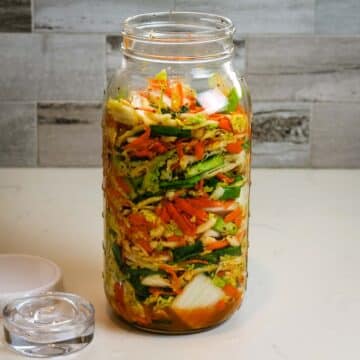
    3. Low and slow is the way to go. Chuck roast is a tough cut of meat, but slow braising breaks down the connective tissue, making it melt-in-your-mouth tender. 
    4. Let the meat rest before shredding. After braising, allow the roast to sit for 10-15 minutes before shredding or cutting. This helps the juices distribute, keeping the meat moist. 
    Troubleshooting:
    Not enough liquid in the pot. Check the pot halfway through cooking to make sure there’s still enough liquid to keep the roast moist. If it's evaporating too much, add more beef broth or wine to prevent it from drying out.
    The roast is too tough. Make sure you're cooking it long enough at a low temperature. Braising should be done at 325°F for about 3-4 hours, but depending on the size and thickness of the roast, it may need a little longer. If it isn't fork-tender after 4 hours, continue cooking, checking every 30 minutes.

    Nutrition

    Calories: 613kcal | Carbohydrates: 7g | Protein: 56g | Fat: 38g | Saturated Fat: 15g | Polyunsaturated Fat: 3g | Monounsaturated Fat: 20g | Trans Fat: 2g | Cholesterol: 196mg | Sodium: 2199mg | Potassium: 1033mg | Fiber: 1g | Sugar: 1g | Vitamin A: 66IU | Vitamin C: 4mg | Calcium: 69mg | Iron: 6mg

    Taco Dip with Ground Beef

    Ground beef taco dip on a white plate with nachos on the side.

    This taco dip with ground beef is a protein-packed twist on classic dips! With a creamy Greek yogurt base, seasoned taco beef, and fresh toppings, it's perfect for game day, parties, or a quick family snack.

    Ground beef taco dip on a white plate with nachos on the side.
    Looking for more easy ground beef recipes? 
    Check out the taco meat, ground beef with broccoli, and hamburger soup.
    [feast_advanced_jump_to]

    Recipe Overview

    • Prep and Cook Time: 10 minutes to prep and 15 minutes to cook
    • Cooking Method: Stove-top
    • Dietary Info: Keto, Primal, Ancestral diet,
    • Tools Needed: mixing bowl and skillet
    • Skill Level: Easy

    What is an ancestral diet? Read my post on what nourishing foods are based on the traditional dietary principles of the Weston A. Price Foundation.

    Reasons to Love this Taco Dip with Ground Beef

    Think 7-layer dip is the MVP? Think again.

    This taco dip recipe with ground beef is like the 7-layer dip's cooler, more delicious cousin -- creamier, meatier, and with way more flavor to go around.

    It's the kind of dip that makes you wonder why you've been settling for boring chips and salsa all these years.

    Plus, it's so easy to make, you'll have plenty of time to sit back and enjoy being everyone's new favorite person at the party!

    image of Prepare and Nourish owner

    Ingredients for Taco Dip with Ground Beef

    Ingredients for taco dip with ground beef in a clear and white bowl on the table.
    • Creamy layer: This is what makes this taco dip irresistibly smooth and scoopable. Cream cheese is the foundation (make sure to soften it first to avoid a lumpy dip). Greek yogurt or sour cream adds a lightness and tang. Greek yogurt is a great option for protein boost while sour cream gives that classic texture. A dash of taco seasoning ties it all together. Use this mild taco seasoning.
    • Taco Meat: Seasoned taco meat makes this dip extra satisfying and protein packed. All you need is a half-pound of ground beef, taco seasoning, a dash of salt, and water. Usually, I make the taco meat with chicken or beef bone broth recipe but for this dip, we use water to prevent fat from solidifying. Be sure to check out my post for how to make taco meat for more tips and tricks.
    • Toppings: Also known as the fun part. Shredded lettuce, raw cheddar, black olives, avocado, diced tomatoes, red onions, and fresh cilantro add crunch, creaminess, and bursts of flavor in every bite.

    Substitutions and Variations

    • Protein Swap - Use ground turkey or ground chicken for a leaner option. Since turkey has less fat than beef, add a drizzle of avocado oil while cooking to keep it juicy and add some richness.
    • Extra Flavor - I love the fresh ingredients in this dip but you can top with chunky guacamole and fermented jalapenos. To really bring the heat, top with halved roasted jalapeno peppers.
    graphic of fork and spoon connected in a plant.

    Make it Ancestral

    For a nutrient-dense upgrade, swap regular ground beef with an ancestral beef blend, which includes meats like heart and liver. These cuts are packed with essential vitamins and minerals like B12, iron, and CoQ10. If you're new to organ meats, don't worry -- the seasonings and creamy layers help balance the taste while still delivering all the benefits!

    A ground beef taco on a white plate.

    How to Make Taco Dip with Ground Beef

    The complete printable recipe is below in the recipe card for your convenience. Follow these simple step-by-step instructions for the best results.

    Cooked ground beef in a pan.

    Step 1. Cook

    In a skillet over medium heat, cook the ground beef, breaking it apart as it browns until fully cooked. Stir in the taco seasoning, salt, and a splash of water. Let it simmer for a few minutes until the mixture thickens.

    Mixing the taco dip ingredients.

    Step 2. Mix

    In a mixing bowl, blend cream cheese, yogurt or sour cream, and taco seasoning until smooth. Spread the mixture evenly in a serving dish.

    Ground beef taco dip on a white plate.

    Step 3. Layer

    Spread the ground beef mixture evenly over the cheese layer.

    Ground beef taco dip on a white plate.

    Step 4. Garnish

    Top with lettuce, avocado, tomato, and shredded cheddar. Add optional toppings like black olives, green onions, and cilantro. Serve immediately with tortilla chips or refrigerate for later.

    Helpful Tips

    1. Use full-fat dairy - Full-fat cream cheese and yogurt has the best texture and flavor and blends smoother. It also holds up better in the dip with all the toppings. 
    2. Brown the beef well - I like the crispy bits in my ground beef taco meat so let the ground beef develop a deep brown color before adding seasoning. 
    3. Prevent watery dip - Usually, I'm all good with fatty taco meat, but here, you want to drain any excess liquid from the cooked ground beef before layering to avoid a soggy dip. If using tomatoes, scoop out the seeds to reduce moisture. 
    4. Let it cool slightly before layering - If the beef is too hot when layered over the creamy base, it can cause the dairy to turn runny. Let it sit for a few minutes before assembling. 

    Troubleshooting

    • Too soggy? The dip can become too soggy if there's too much liquid in the taco meat or tomatoes. Drain any excess liquid from the meat before layering it onto the dip. And scoop out the seeds to reduce moisture.
    Ground beef taco on a white plate with cheese.

    Serving Suggestions

    This taco dip with ground beef is incredibly versatile and can be enjoyed in a variety of ways. It's best served room temperature. Too hot, the creamy layer will become runny and unappetizing. Too chilled, the taco meat will be lose its flavor and texture.

    Let it sit for a few minutes after removing it from the fridge to allow everything to come to room temperature.

    Here are some ways to serve it:

    Appetizer: This taco dip is perfect as a starter at parties or gatherings. Serve it with homemade tortilla chips or mini bell peppers.

    Salad: Spoon the dip over a bed of fresh, crisp lettuce or mixed greens. Top with extra raw cheddar and use Greek yogurt instead of sour cream for the creamy layer.

    Main Course: This taco dip can easily be turned into a main course. Like with salads, make sure to use Greek yogurt instead of sour cream and serve it as a taco bowl with a side of bone broth rice or quinoa for a satisfying, well-rounded meal.

    Ground beef taco dip on a white plate with nachos on the side.

    Frequently Asked Questions

    How do I store this taco dip with ground beef?

    Store taco dip in an airtight container for up to 3 days. These glass snap containers are perfect for leftovers. If you have leftover dip that's already topped with lettuce and other ingredients, try to remove the toppings before storing it to preserve their texture. You can then add fresh toppings when you're ready to serve it again.

    Can I freeze taco dip with ground beef?

    No, I don't recommend freezing the entire taco dip with ground beef because the creamy layer made with yogurt or sour cream and the fresh toppings like lettuce, avocado, and tomatoes do not freeze well. However, you can freeze just the taco meat layer and prepare the creamy and fresh toppings when ready to assemble the dip.

    How can I make this dip ahead of time?

    Prepare the taco meat and creamy layer in advance, storing them separately in the fridge for up to 3 days. For the toppings, prep everything except for the avocado, which should be added right before serving to prevent browning. Assemble the dip just before serving for the freshest taste and texture.

    Looking for more related recipes? Here are some ideas:
    • bowl full of tomato salsa with tortilla chip
      Lacto-Fermented Salsa
    • Chunky guacamole in a white bowl, with tortilla chips beside it on a white plate.
      Chunky Guacamole Recipe
    • Sour cream in a glass jar with a spoon in it
      Homemade Sour Cream
    • Blender salsa in a weck jar with wooden spoon
      Blender Salsa (5 minutes!)
    Did you make this taco dip with ground beef? Please leave a ⭐⭐⭐⭐⭐ recipe rating in the recipe card below and leave a review in the comments. Thank you!💚

    Printable Recipe

    Ground beef taco dip on a white plate.
    Print Recipe
    No ratings yet

    Taco Dip with Ground Beef

    Taco dip recipe with ground beef is a protein-packed, creamy dip with Greek yogurt, taco meat, and fresh toppings—perfect for parties!
    Prep Time10 minutes mins
    Cook Time15 minutes mins
    Total Time25 minutes mins
    Course: Appetizer, Snack
    Cuisine: American, Mexican
    Keyword: taco dip recipe with ground beef, taco dip with ground beef
    Servings: 8
    Calories: 334kcal
    Author: Anya @ Prepare & Nourish

    Ingredients

    Taco Meat

    • ½ pound ground beef
    • 2 tablespoons taco seasoning
    • ½ teaspoon sea salt
    • ¼ cup water

    Creamy Layer

    • 8 ounces cream cheese softened
    • 1 cup yogurt or sour cream
    • 1 tablespoon taco seasoning

    Toppings

    • 1 cup iceberg lettuce shredded
    • 2 avocados diced
    • 1 tomato diced
    • 1 cup shredded raw cheddar
    • other toppings like black olives, green onions, cilantro, and fermented jalapenos

    Instructions

    • In a skillet over medium heat, cook the ½ pound ground beef, breaking it up as it browns until fully cooked. Stir in 2 tablespoons taco seasoning, ½ teaspoon sea salt, and ¼ cup water. Simmer for 2-3 minutes until thickened.
    • In a mixing bowl, combine 8 ounces cream cheese, 1 cup yogurt or sour cream, and 1 tablespoon taco seasoning and mix until smooth. Spread evenly in a serving dish.
    • Spread the ground beef mixture evenly over the cheese layer.
    • Top with 1 cup iceberg lettuce, 2 avocados, 1 tomato, and 1 cup shredded raw cheddar. Add other toppings like black olives, green onions, cilantro, and fermented jalapenos if desired.
    • Serve immediately with tortilla chips or refrigerate for later.

    Notes

    Storage: Store leftover taco dip in an airtight container or tightly covered dish in the refrigerator for up to 3 days. For best freshness, store toppings like lettuce, tomatoes, and avocados separately and add them just before serving to prevent fogginess. Freezing is not recommended. 
    Helpful Tips: 
    1. Use full-fat dairy - Full-fat cream cheese and yogurt has the best texture and flavor and blends smoother. It also holds up better in the dip with all the toppings. 
    2. Brown the beef well - I like the crispy bits in my ground beef taco meat so let the ground beef develop a deep brown color before adding seasoning. 
    3. Prevent watery dip - Usually, I'm all good with fatty taco meat, but here, you want to drain any excess liquid from the cooked ground beef before layering to avoid a soggy dip. If using tomatoes, scoop out the seeds to reduce moisture. 
    4. Let it cool slightly before layering - If the beef is too hot when layered over the creamy base, it can cause the dairy to turn runny. Let it sit for a few minutes before assembling. 

    Nutrition

    Calories: 334kcal | Carbohydrates: 9g | Protein: 12g | Fat: 29g | Saturated Fat: 12g | Polyunsaturated Fat: 2g | Monounsaturated Fat: 11g | Trans Fat: 0.3g | Cholesterol: 67mg | Sodium: 441mg | Potassium: 465mg | Fiber: 4g | Sugar: 4g | Vitamin A: 887IU | Vitamin C: 8mg | Calcium: 179mg | Iron: 1mg
    • « Go to Previous Page
    • Page 1
    • Page 2
    • Page 3
    • Page 4
    • Page 5
    • Page 6
    • Interim pages omitted …
    • Page 31
    • Go to Next Page »

    Primary Sidebar

    Anya at a farm

    Hello and welcome

    I'm Anya and it is my joy to share wholesome recipes using seasonal ingredients and simplified methods. My hope is you'll feel right at home in this online kitchen, where you'll find real food recipes for real families.

    More about me →

    In Charge of Holiday Menu?

    collage of 4 holiday recipes with text overlay

    Family Meal Planning NOW Available!

    cover page for Dinner Decoded Guide and Cookbook

    Fall Favorites

    • Braised beef chuck roast with mashed potatoes on a plate, and braised beef chuck in a baking tray with sauce.
      Braised Beef Chuck Roast Recipe
    • Roasted purple cabbage with dill and garlic on white platter.
      Roasted Red Cabbage Steaks with Garlic
    • oven roasted chicken in a cast iron skillet with serving utensils.
      Juicy Oven Roasted Whole Chicken
    • roasted carrots on white platter.
      Roasted Carrots with Garlic
    • roasted butternut squash in white bowl.
      Air Fryer Roasted Butternut Squash
    • spinach artichoke and chicken in a black baking dish with a wooden spoon.
      Healthy Spinach Chicken Artichoke Casserole Recipe

    Trending Now

    • mushrooms and chicken gravy with fresh thyme sprigs garnished on top.
      Easy Creamy Chicken Liver Recipe
    • stack of cassava flour crepes on a plate for frozen blackberries.
      Easy Gluten-Free French Crêpes Recipe
    • roasted cabbage with parsley garnish sprinkled on top.
      Simple Oven Roasted Buttered Cabbage Recipe
    • Caesar salad dressing in a weck jar
      Healthy Caesar Salad Dressing Recipe
    • Pickled red onions in a white bowl and in a clear jar beside it.
      Quick Pickled Red Onions (No Cook!)
    • Chia seed puddings in clear cups, served on a white plate with a strawberry and spoon on the side.
      Protein Chia Seed Pudding

    Footer

    ↑ back to top

    Never miss a new post!

    ... Subscribe

    About

    About Me

    Privacy Policy

    Contact

    Shop

    Recipes

    Recipe Index

    Dinner Recipes

    Fermentation Recipes

    Healthy Basics

    Connect

    Instagram

    Facebook

    Pinterest

    Youtube

    Copyright © 2025 Prepare + Nourish

    Rate This Recipe

    Your vote:


    Let us know what you thought of this recipe:

    This worked exactly as written, thanks!
    My family loved this!
    Thank you for sharing this recipe.
    This recipe is a winner! Will make again.

    Or share in your own words:

    A rating is required
    A name is required
    An email is required