
• Skip to primary navigation
  • Skip to main content
  • Skip to primary sidebar
  • Home
  • About
  • Contact
  • Privacy Policy
  • START HERE
  • Nav Social Menu

    • Facebook
    • Instagram
    • Pinterest
    • YouTube
Prepare + Nourish logo
  • Recipes
  • Shop
  • Subscribe
menu icon
go to homepage
subscribe
search icon
Homepage link
  • Home
  • Recipes
  • Shop
  • Dinner, Decoded
  • About
  • Contact
  • Privacy Policy
  • First Time? Start Here
    • Facebook
    • Instagram
    • Pinterest
    • YouTube
  • ×
    Home » Recent Recipes

    Best Natural Sweeteners and Unrefined Sugars Guide

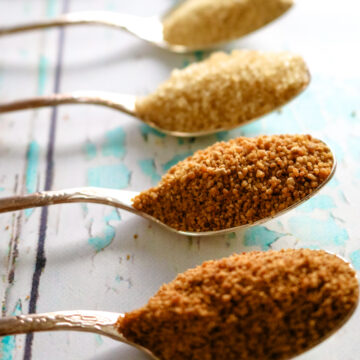
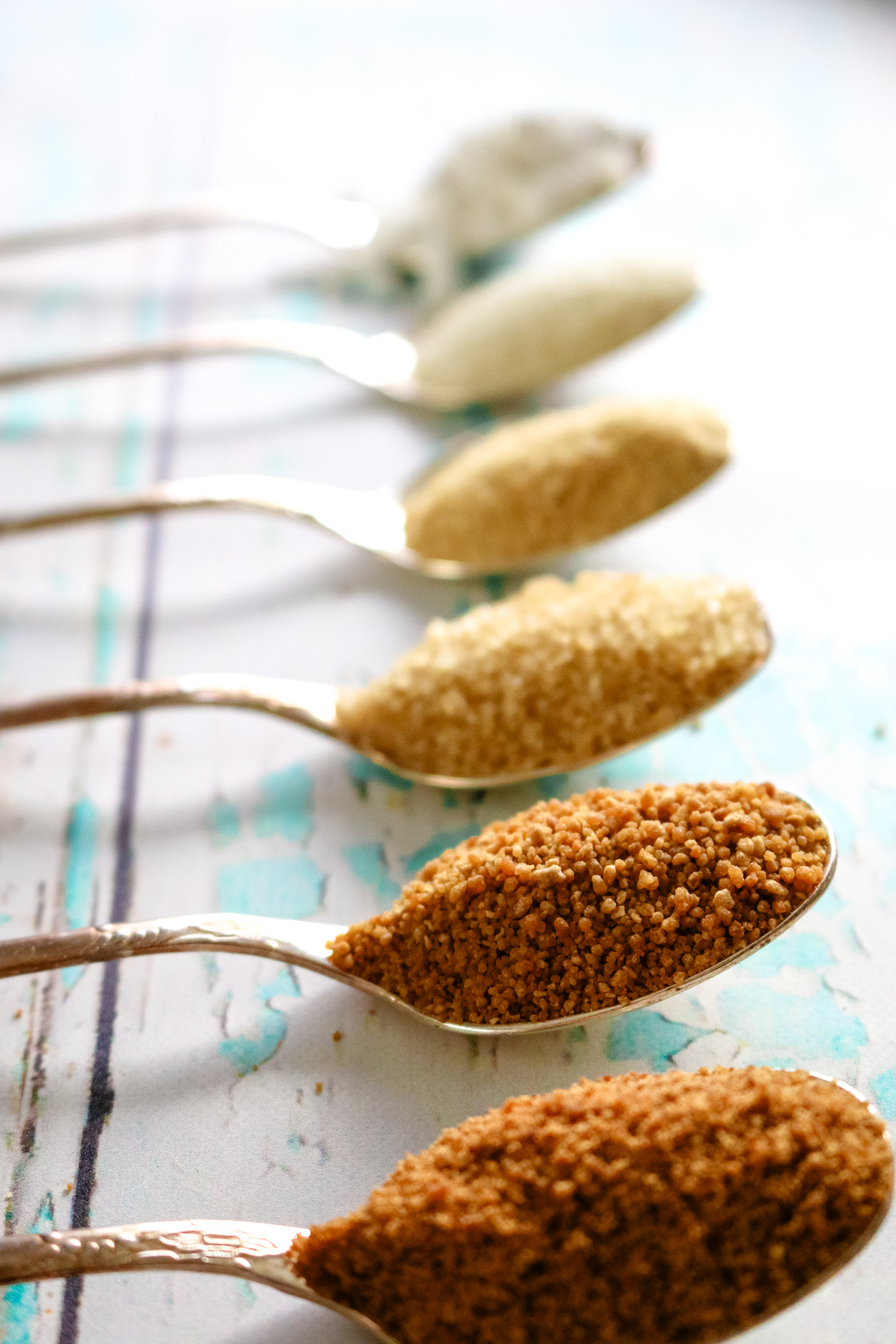
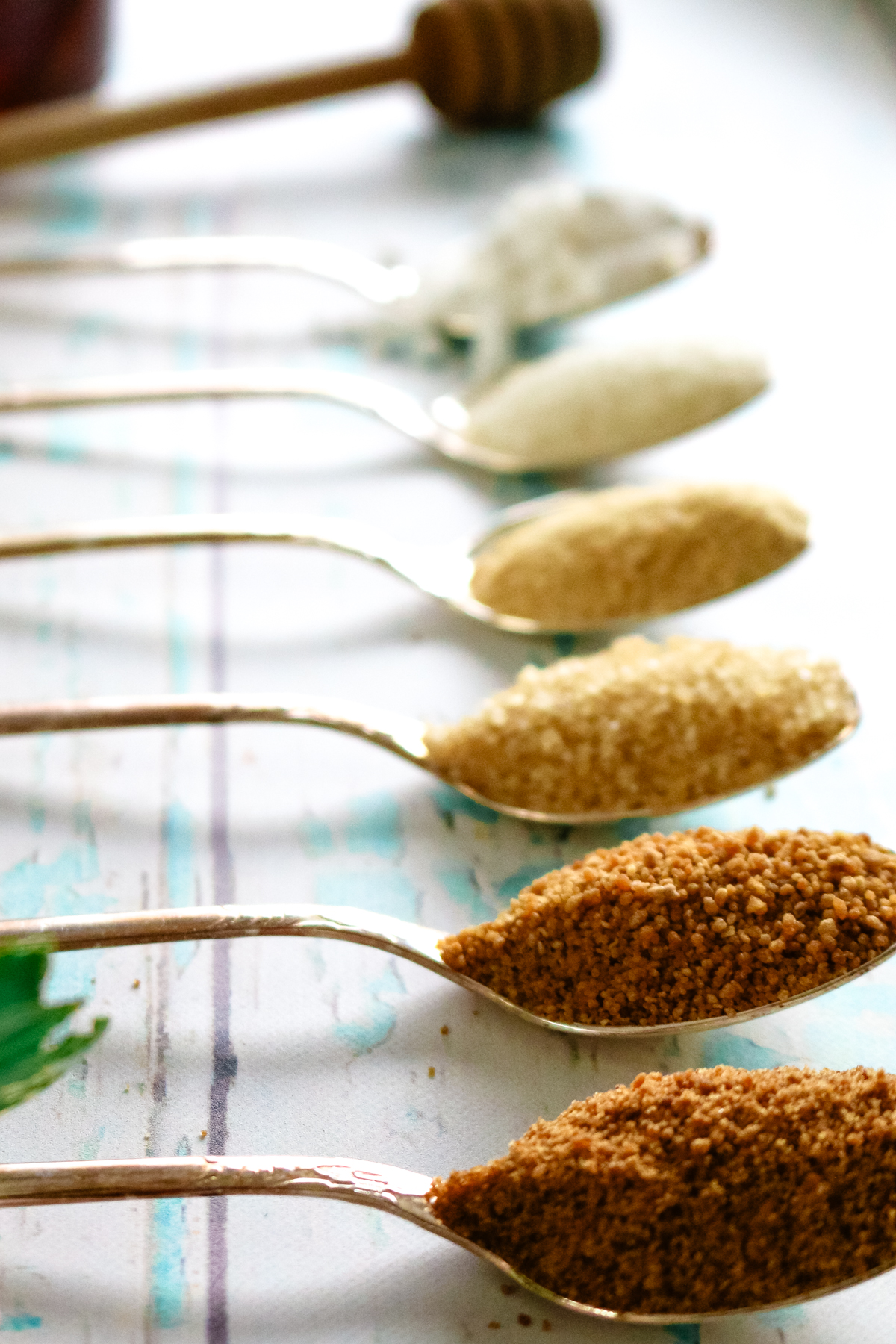
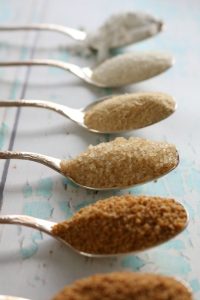
    spoonfuls of unrefined sugar like rapadura, coconut sugar, and turbinado.

    Satisfy that sweet tooth with some of the best natural sweeteners in this Unrefined Sugar Guide. Learn what sets unrefined sugars apart from refined ones and fall in love with nature's best sweeteners from raw honey, maple syrup, coconut sugar, rapadura, and much more! I'll also show you how to easily swap regular sugar with these healthy sweeteners.

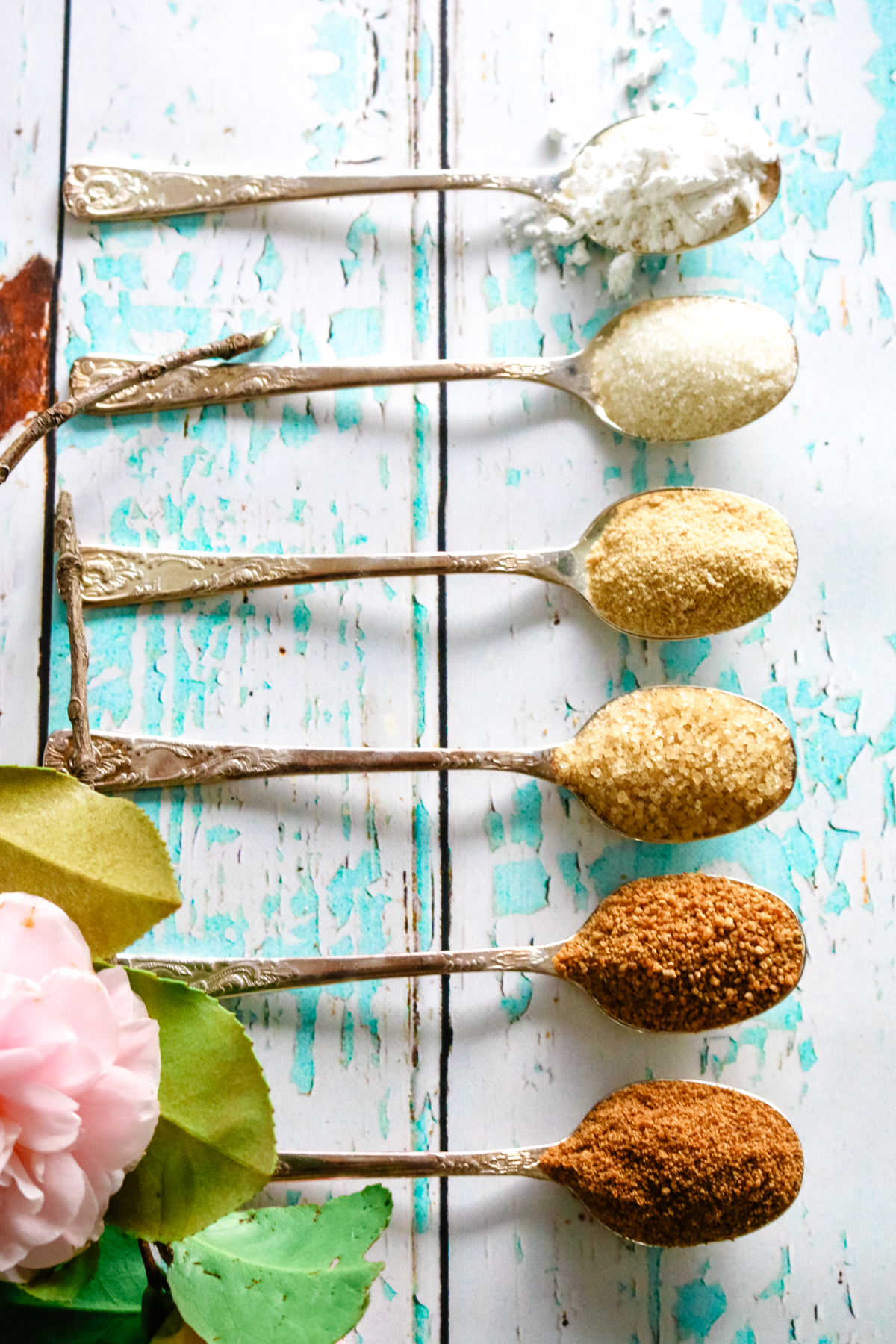
    spoonfuls of different sugars, from powdered sugar to dark amber coconut sugar.

    If you've been here for any length of time, you know my desire has always been to stay to traditional methods, ingredients, and techniques of home cooking. At the heart of Prepare and Nourish, I love to dig deep into culinary roots to draw out and embrace wholesome and traditional foods. And sugar is no different.
    While I don't have a lot of dessert recipes, whatever sweet treat I do make, I try to use wholesome and unrefined sweeteners. Why? Well, that answer deserves a little more explanation, so make a cup of your favorite tea and get comfortable. In this post, I do my best to cover the difference between refined and unrefined sugars and how to use them in recipes.

    [feast_advanced_jump_to]

    What are unrefined sugars?

    In short, unrefined sugars are the most traditional form of sweeteners. They are less processed sweeteners and maintain more of their natural characteristics compared to refined sugars.

    Unrefined sugars have a more wholesome profile than their refined counterparts, preserving natural elements like minerals and molasses. This results in a richer flavor and offers potential nutritional benefits like higher antioxidant content, according to this PubMed journal. The bottom line is that choosing unrefined sugars aligns with a holistic and traditional approach to sweeteners.

    Some of my favorite unrefined sweeteners I want to share with you are raw honey, maple syrup, coconut sugar, rapadura, and turbinado. This isn't an exhaustive list, but these are excellent staples to have available when you're craving something sweet.

    Are unrefined sugars better for you?

    While I think they are certainly a better-for-you alternative to plain sugar, it's important to remember that sugar is still sugar, no matter the form.  Even though these natural sweeteners are noticeably better alternatives to conventional forms, they should still be consumed in moderation.  

    💭Looking for paleo sweeteners? The good news is that most unrefined sugars are naturally paleo-friendly too! Sweeteners like honey, coconut sugar, and maple syrup align with the paleolithic diet philosopy.
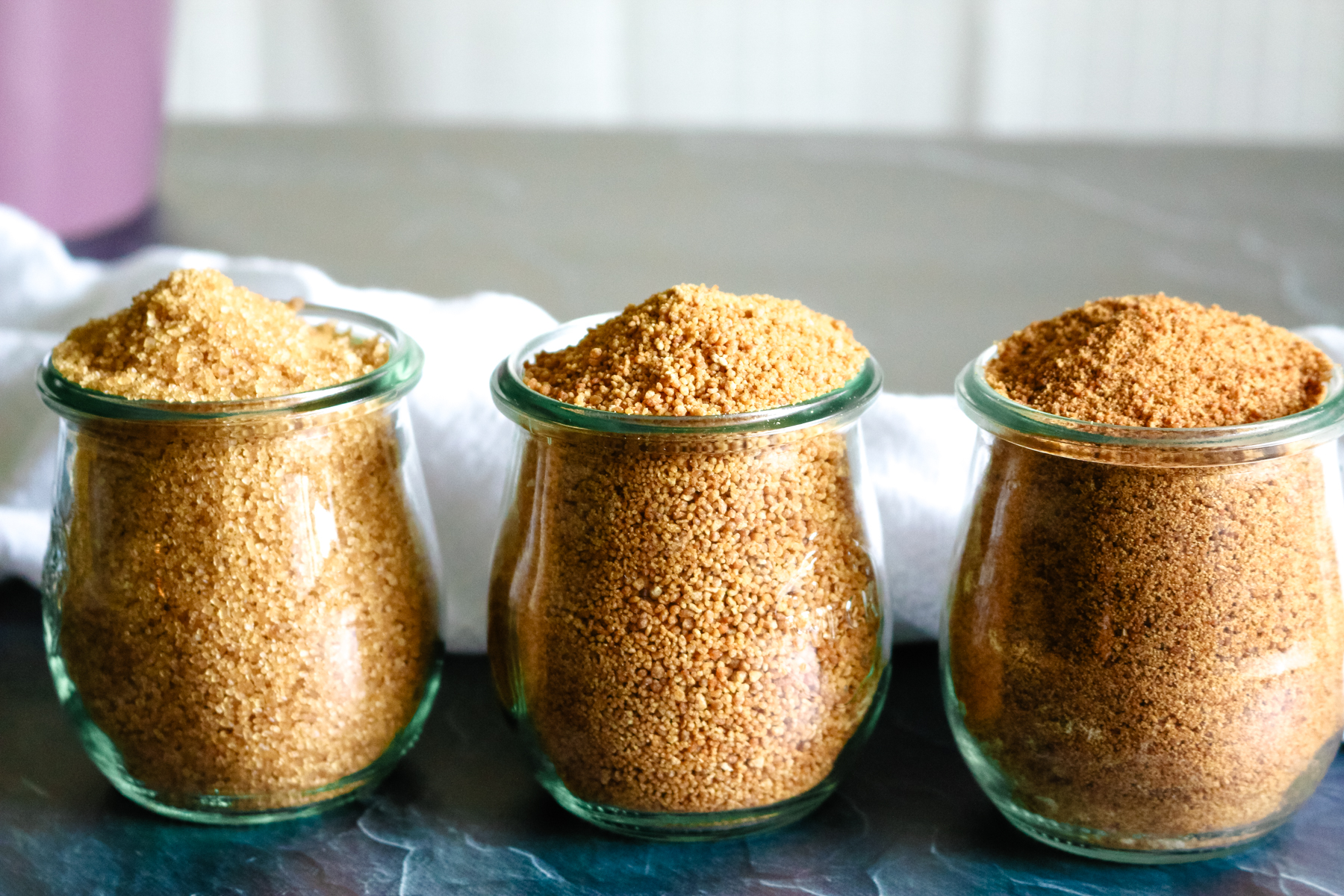
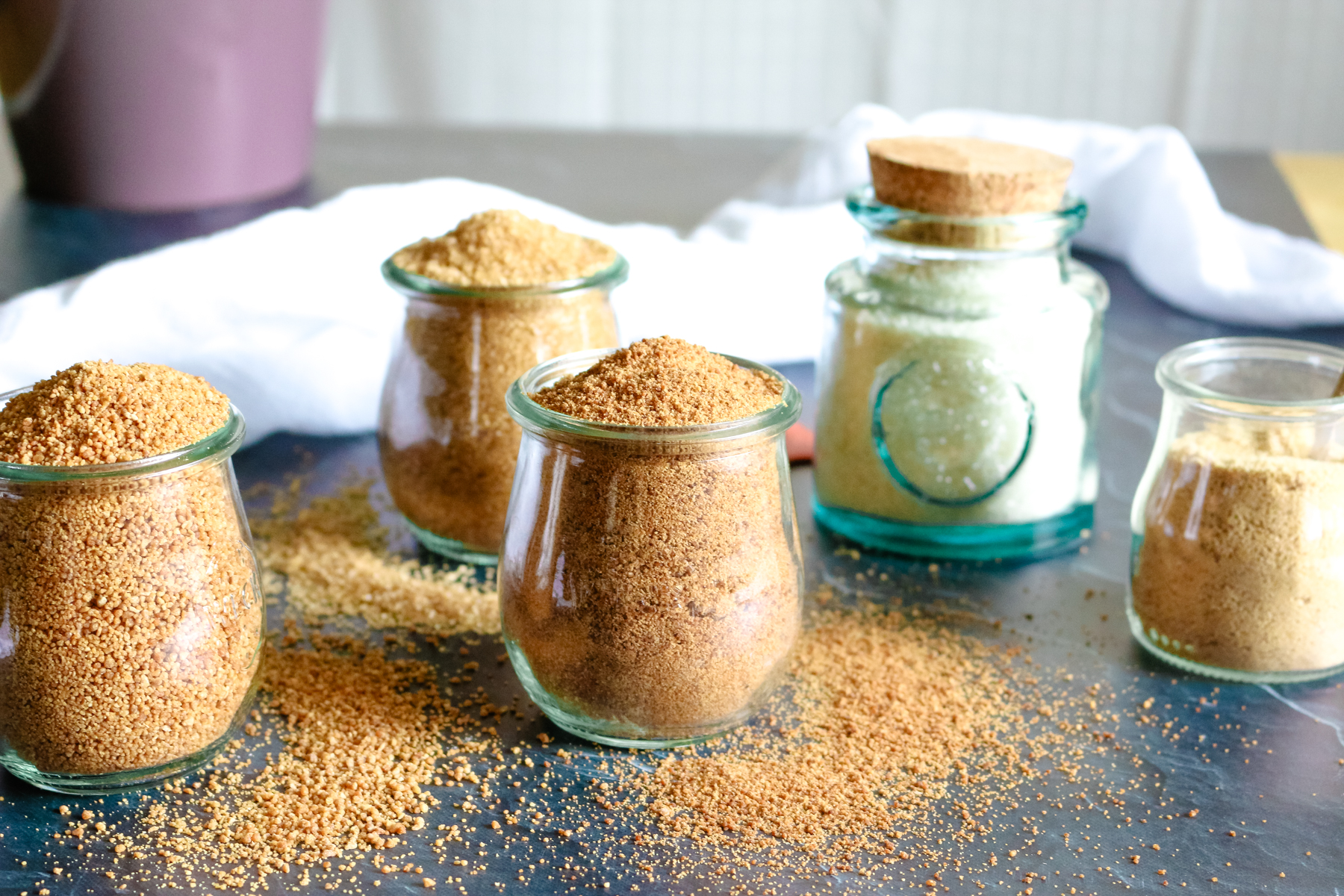
    unrefined sugars in 3 glass weck jars.

    How are unrefined sugars different from refined sugars?

    When you think about a food that is refined, you generally think of processed, stripped, and altered from its natural state. Similarly, refined sugar undergoes extensive processing to remove anything that isn't pure sugar. This includes iron and other minerals naturally found in soil.

    While this process may provide a neutrally sweet taste, it often strips away beneficial nutrients present in unrefined sugars. Some may argue that the micronutrients are very minimal in unrefined sugars, and for the sake of consistency and quality in baked goods, you're better off using refined sugars.

    But if you are already using a sweetener, why not use a wholesome option that will provide those micronutrients, even at their minimal quantities?

    Because, as with all things, an ancestral diet is a culmination of traditional practices. You can learn more about this ancestral diet philosophy here. This involves using unrefined salt, including fermented foods at each meal, lots of bone broth, and embracing the goodness of ancient grains like millet and buckwheat.

    Choosing unrefined sugars over refined is another step in adopting a holistic approach to wellness, prioritizing minimally processed ingredients for a nutrient-dense diet.

    So what are these incredible, God-given sweeteners?

    Best Unrefined Liquid Sweeteners

    Raw Honey

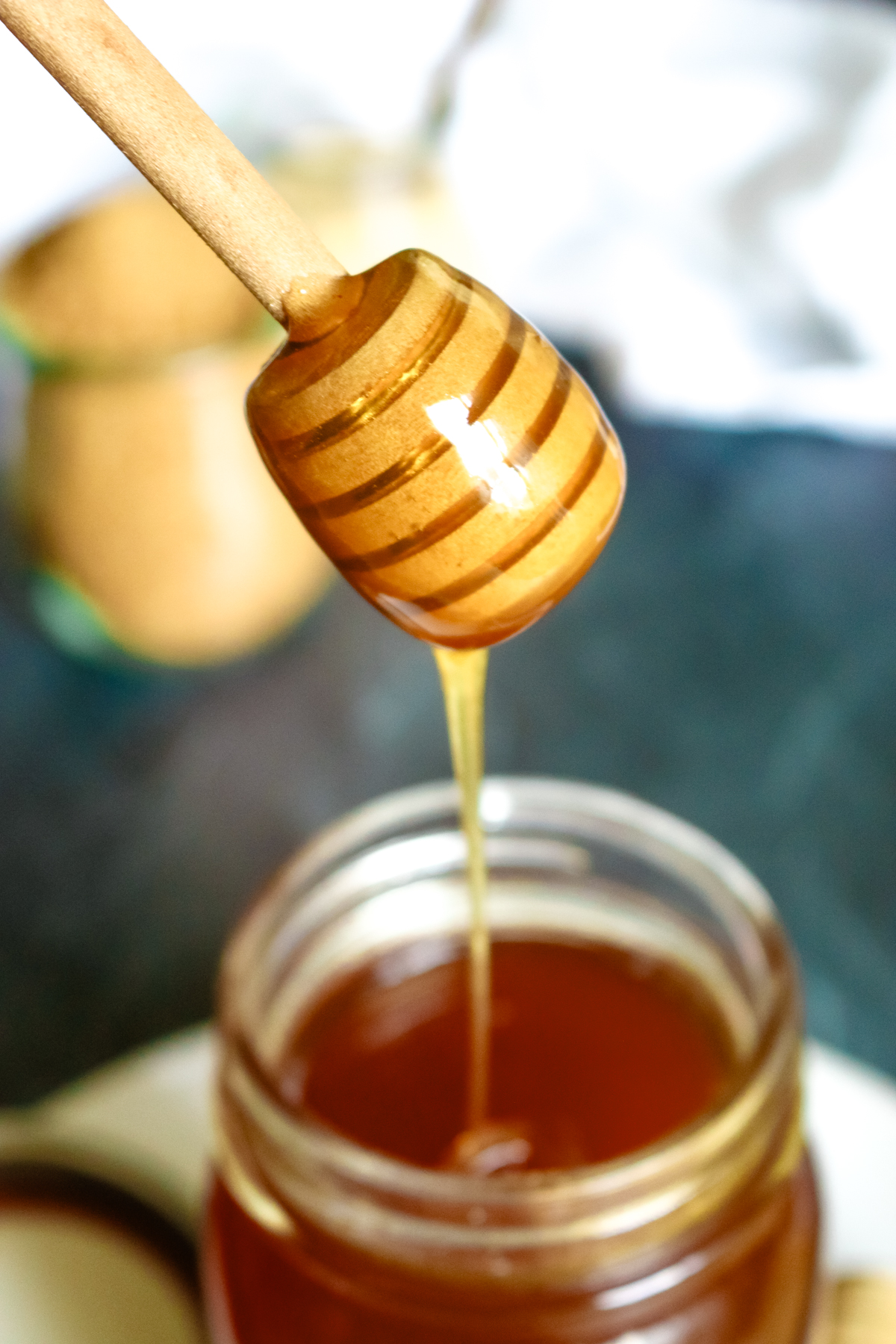
    raw honey in a jar and a honey stick drizzling honey.

    Raw honey is pure, unfiltered, and unpasteurized and rich in minerals and nutrition. Unfortunately, most of the honey consumed today has been heavily processed and is stripped of its incredible nutritional value and health benefits. In my opinion, it's one of the best natural sweeteners that is accessible to most people.

    I recommend sourcing a local beekeeper and inquiring about how they care for their bees and extract the honey. According to NIH publication, local honey has also been used to help alleviate seasonal allergy symptoms. Raw honey is truly raw when it crystallizes and solidifies after prolonged storage.

    Darker honey is typically higher in bioactive compounds and has greater antioxidant abilities, per this ScienceDaily release. That's why manuka honey and buckwheat honey are prized for their high antioxidant content. Because of the price and nutrient profile, I would leave the darker honeys to enjoy raw.

    How to substitute sugar with honey: When replacing sugar with honey, reduce the amount of other liquids. For every 1 cup of sugar, use ¾ cups of honey and reduce other liquid by 3-4 tablespoons. For cookie recipes, refrigerate the dough so it can set. And because honey browns faster than other sweeteners, you need to reduce the cooking temperature by 25°F to avoid burning.

    Favorite honey:

    • YS Organic Bee Farms (light honey): great for light-colored recipes like honey-sweetened marshmallows
    • Manuka Honey and Dark Buckwheat Honey: great to enjoy raw over cottage cheese bowl
    • Nate's Pourable Unfiltered Honey: excellent, versatile honey that will work in most sweet treats and drinks like honey citrus mint tea.
    💭Looking for GAPS-compliant sweetener? Raw honey and whole leaf stevia are the only sweeteners allowed onthe GAPS diet and only when its past the beginning stages, accordign to GAPS info website. 

    Maple Syrup

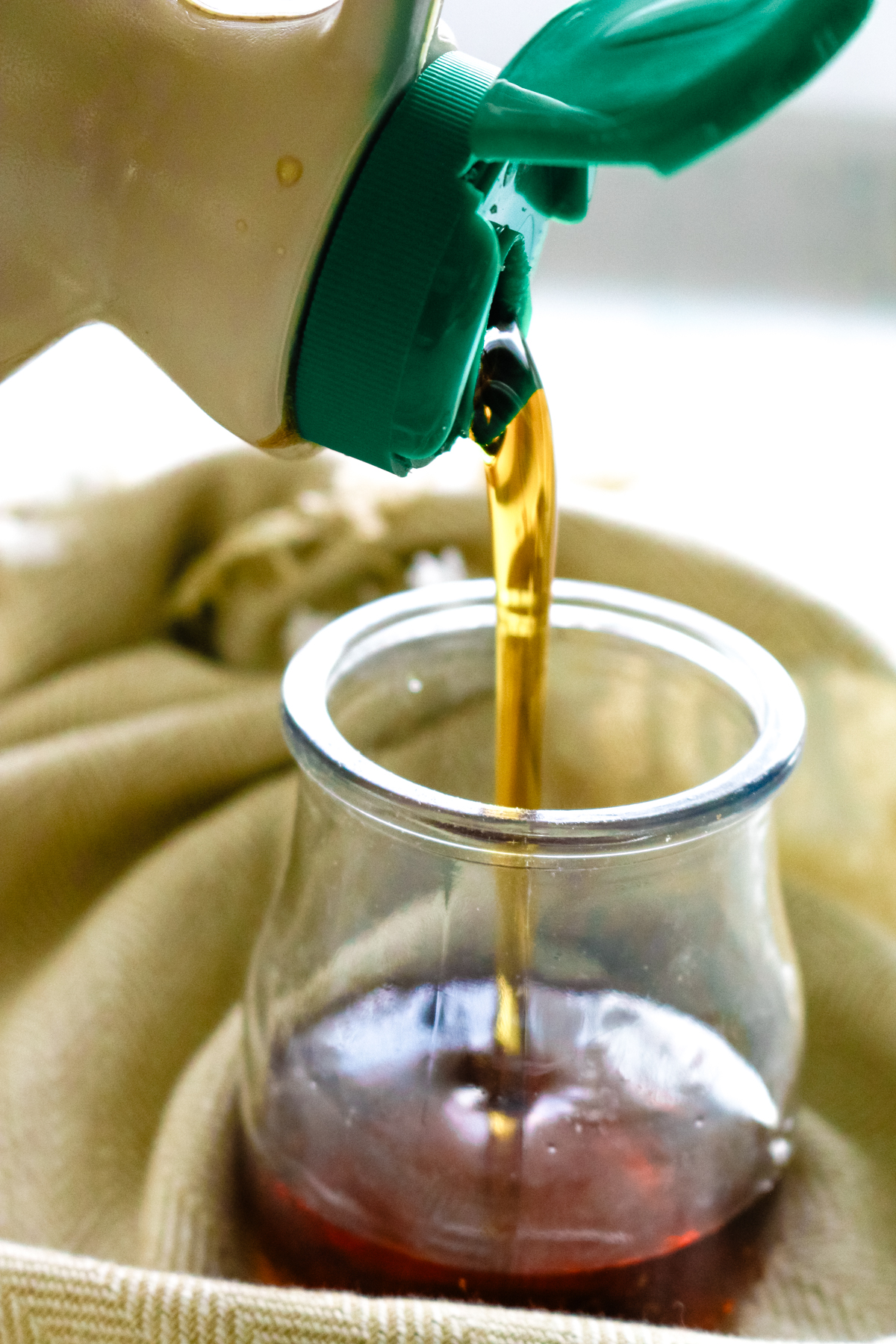
    maple syrup being poured into a small glass jar.

    Pure maple syrup is made from evaporated maple tree sap. It's rich in magnesium, zinc, and other minerals and helps maintain optimal immune system function.  

    Currently, there are four maple grades that are comprised of two main factors: color and flavor. While their nutritional content is similar across the board, with a high count of calcium, vitamins, and antioxidants, their flavor ranges from mild to robust, according to this University of New Hampshire source.

    Check out these maple syrup grades and their characteristics:

    • Golden syrup: the lightest in color with a mild, delicate flavor (formerly referred to as Grade A Light syrup)
    • Amber maple syrup: slightly darker with fuller flavor and hints of full-bodied maple syrup (formerly referred to as Grade A Medium syrup)
    • Dark maple syrup: boasts robust flavor and dark amber color (formerly referred to as Grade A Dark syrup)
    • Very dark maple syrup: richer and more complex in flavor and has the darkest color of maple syrup (formerly referred to as Grade B)

    In 2015, the USDA changed the grading system, and Grade B was replaced with very dark grade. Original, huh? You may still come across maple syrup labeled by the letter grades A or B, but the most important factors to look for are terms like light, amber, dark, or very dark.

    Maple syrup Grade A and Grade B are often interchangeable in recipes and as a topping, and it comes down to personal preference in taste and color. So, next time you pick up a bottle at the your local grocery store, remember that the darker the syrup, the stronger the maple flavor.

    How to substitute maple syrup for sugar: Like honey, you must reduce the amount of other liquids. For every 1 cup of sugar, use ¾ cup of maple syrup and reduce other liquid by 3-4 tablespoons. For cookie recipes, refrigerate the dough so it firms up.

    Favorite maple syrup:

    • Kirkland Maple Syrup - Grade A amber maple syrup; this is the most budget-friendly option and easily accessible at most Costco stores.
    • Crown Maple Syrup - I love this brand because it's aged in barrels and gives off those bold flavors. They also have different grades, ranging from amber, dark, and very dark.

    Best Natural Sweeteners

    Maple Sugar

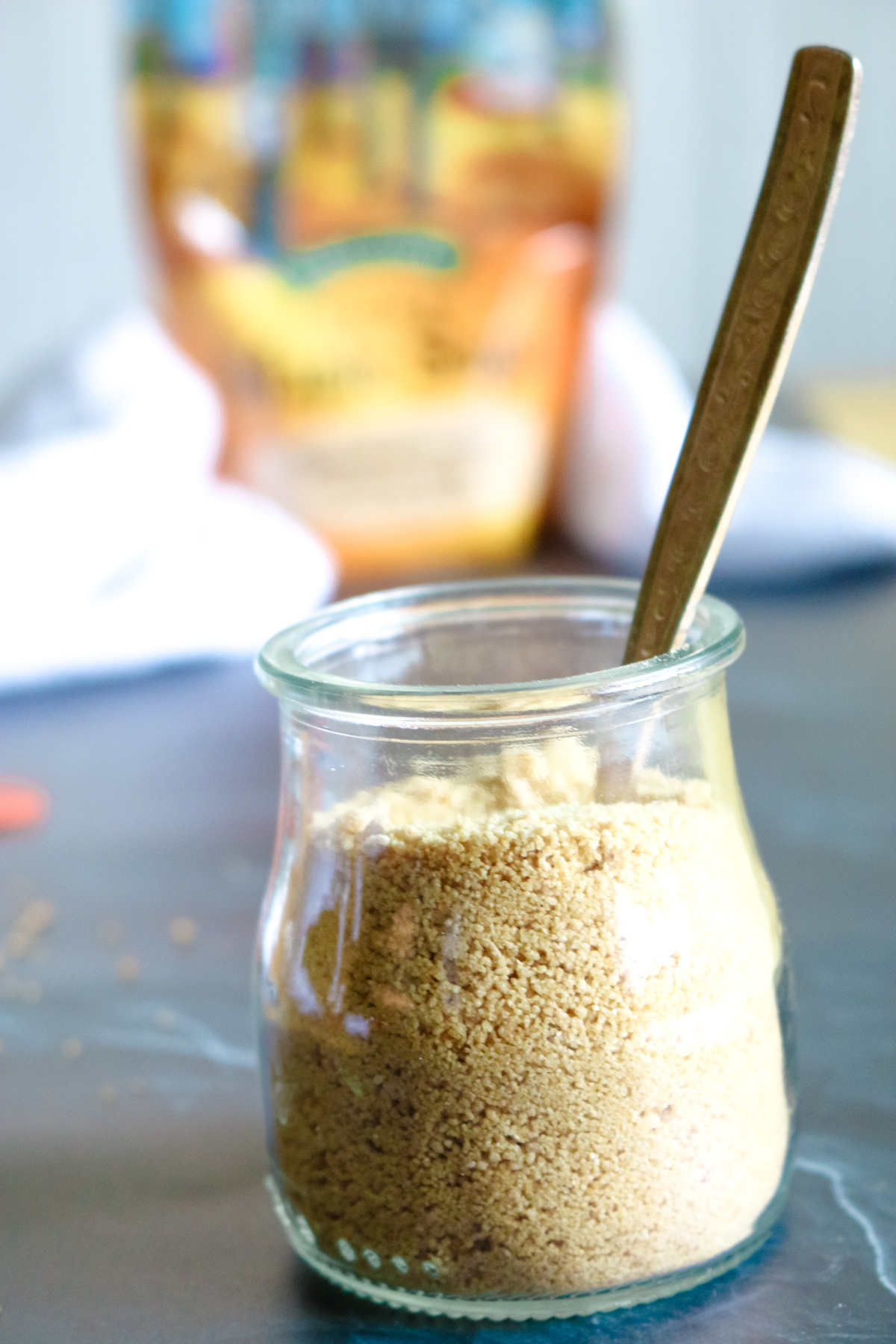
    maple sugar in a small jar with a silver spoon sticking out.

    Maple syrup is pretty amazing in its own right, but maple sugar takes the cake when it comes to the most delicate sweetener on the market. It's made by condensing maple syrup to a thick consistency by boiling out all the moisture.  What's left are these delicate sweet granules known as maple sugar.

    With its concentrated sweetness and distinct maple flavor, it serves as a versatile alternative to traditional sweeteners, adding a touch of elegance to a variety of dishes and baked goods.

    How to substitute sugar with maple sugar: Because of its distinct flavor, maple sugar rarely can be subbed for white sugar without altering the taste of the end product.  I love the flavor, but it heavily depends on what you're hoping to achieve.  It's best sprinkled on your morning oats or other hot porridge like Instant Pot buckwheat. But if you're daring, feel free to sub 1:1 with white sugar and reduce the oven temperature slightly to prevent over-browning.

    This is also one of the more expensive sweetener options, making it a cost-prohibitive option for many.

    Favorite maple sugar:

    • Coombs Family Farms Maple Sugar - this is one of my favorite natural sweeteners for coffee, tea, and other beverages. Add a teaspoon to herbal coffee or pumpkin spice latte.
    • Nova Maple Sugar - this is an excellent 3-pound size at a decent price that's Grade A maple sugar.

    Coconut Sugar

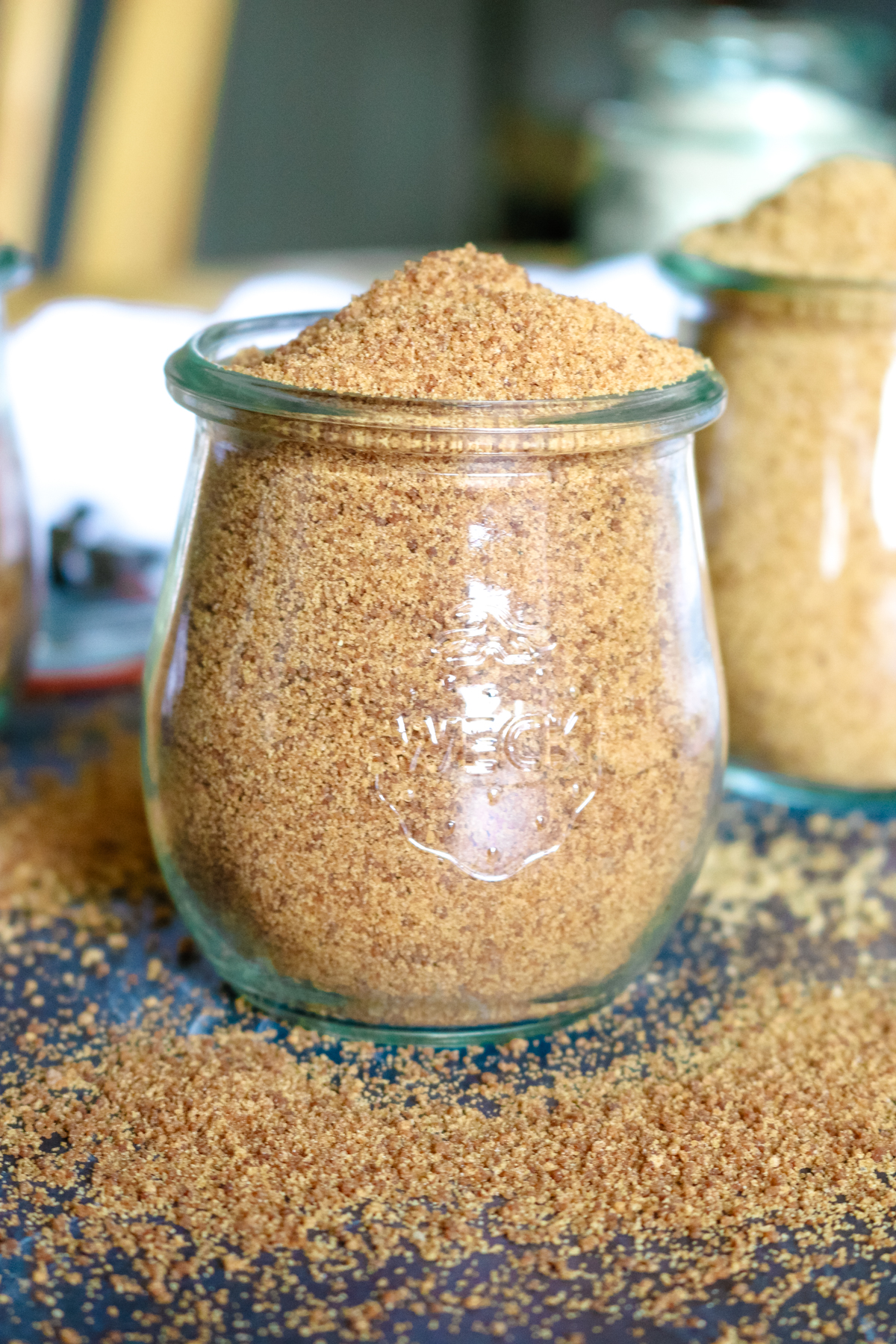
    coconut sugar in a glass jar with some loosely sprinkled in the front.

    Coconut sugar is made from the sap of coconut palm tree flower blossoms. It has a subtle caramel flavor and is one of the best organic sweeteners. The sap is collected, boiled, and then dehydrated to produce solid granules resembling brown sugar.

    Coconut sugar is a great source of minerals such as magnesium, potassium, zinc, vitamins C, B, and even contains amino acids.

    It has been the sweetener of choice for centuries in Southeast Asia, prized not only for its nutritional content but also for its lower glycemic index, according to Michigan State University.

    Palm sugar vs. coconut sugar?

    Palm sugar, on the other hand, is a more general term that refers to a sweetener derived from the sap of various types of palm trees. It can come from the sap of the coconut palm, date palm, or other varieties.

    While coconut sugar can be called palm sugar, not all palm sugars are coconut sugar. It's important to check the ingredient labels for clarity of origin and the type of palm tree used.

    How to substitute sugar with coconut sugar: Use it with a 1:1 replacement ratio for white table sugar, but take note of the dark color and rich flavor. Because of the robust, caramel flavor, coconut sugar is great in baked goods containing cinnamon, like paleo snickerdoodles. It's also an excellent nutrient-rich alternative to brown sugar and can be swapped using the same amount.

    Favorite coconut sugar:

    • Madhava Organic Coconut Sugar - has a strong, slightly smoky flavor
    • Golden Coconut Sugar - has a subtle caramel taste similar to brown sugar

    Rapadura Sugar

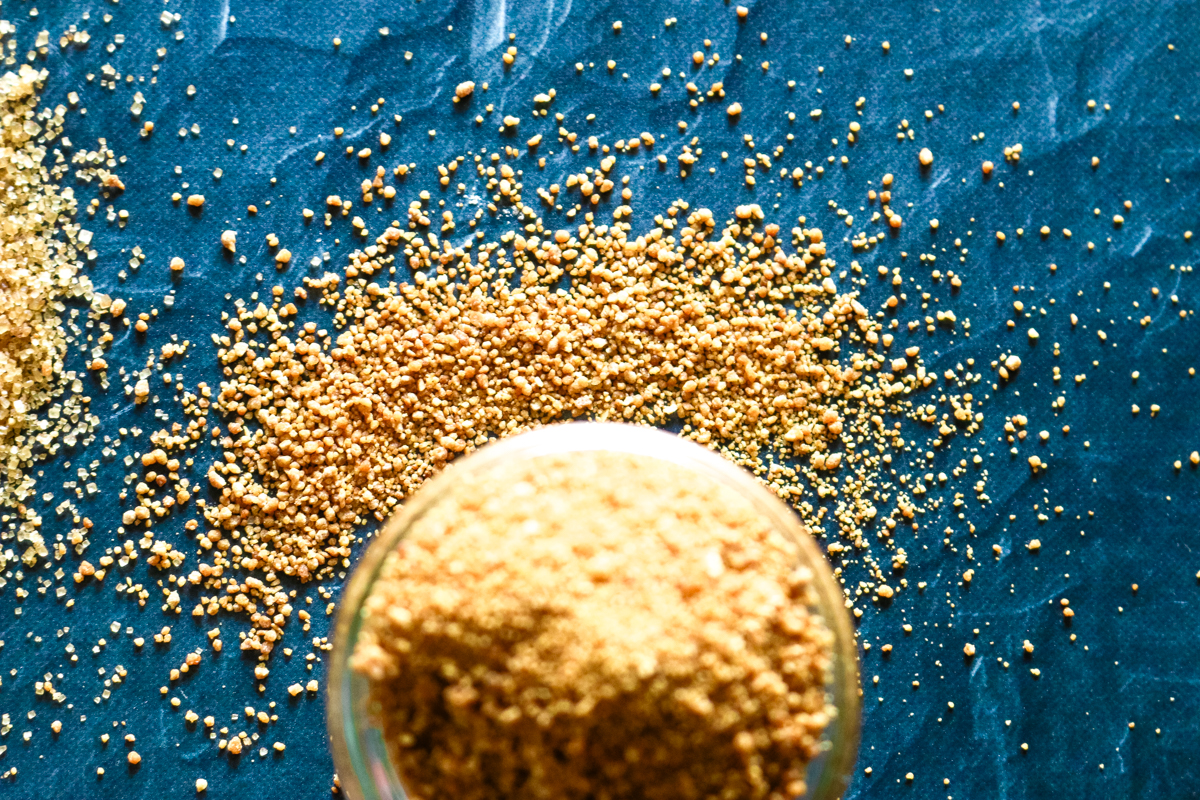
    rapadura in a glass jar and spread out on the surface

    Rapadura is a traditional unrefined sweetener that originates from Latin America. It is a whole, unrefined cane sugar made by crushing the cane, extracting the juice, and dehydrating it into granules.  

    It's considerably healthier than conventional cane sugar because it retains the natural molasses and trace nutrients like calcium, potassium, and vitamins and is very similar in taste and texture to brown sugar. While brown sugar is white sugar with molasses added back in, rapadura is brown sugar in its original state.

    Rapadura may be known by other names, such as panela in Latin America and jaggery in some Asian countries. Jaggery often comes in a cone-like shape and has an earthy sweet flavor. It's most commonly referred to as sucanat in the United States.

    How to substitute sugar with rapadura: Use it with a 1:1 replacement ratio for brown sugar but it's best in recipes such as gingerbread, spice cookies, or rich chocolate desserts like coconut flour brownies. Because of its large granules, you may want to pulse it a few times in a food processor or coffee grinder to achieve a smoother texture.

    Favorite rapadura:

    • Wholesome Sweeteners Organic Sucanat - add to flourless pumpkin bars or healthy chocolate muffins
    • Just Panela Unrefined Cane Sugar - unprocessed rapadura ground as jaggery powder; smaller granules are great in lighter desserts like skillet peach cobbler.

    Turbinado Sugar

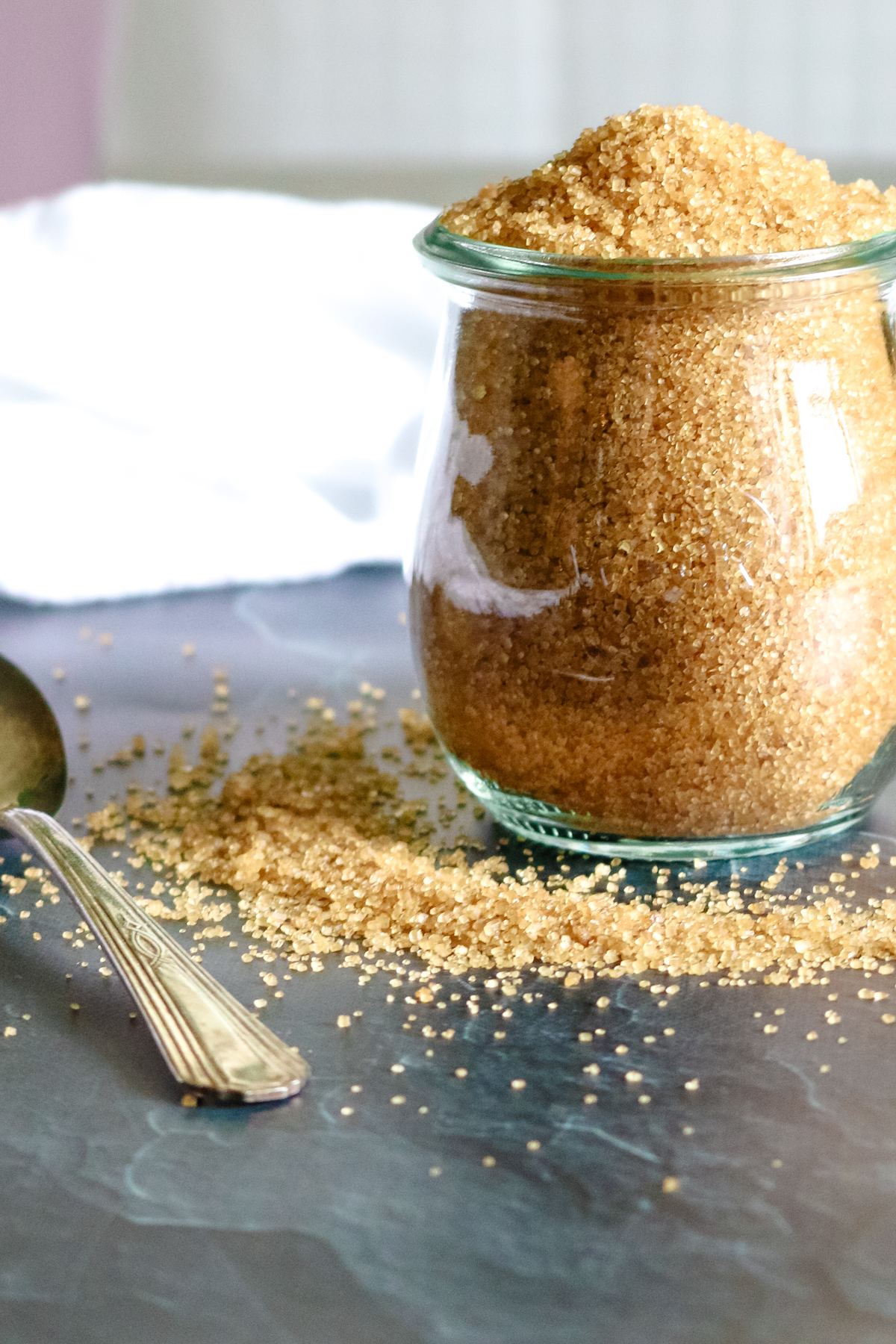
    turbinado in a small weck jar with a silver spoon to the left.

    Less processed than traditional cane sugar, turbinado is made from the first pressing of sugar cane or sugar beets and retains some natural molasses.  It's crushed directly from the harvested sugar cane, and the juice is allowed to evaporate naturally and then crystallize in a way that the vitamins and minerals in the sugar cane are retained to some extent.  

    This sweetener has large, tan-colored crystals and is slightly moist to the touch. While it retains more of its natural molasses content compared to white sugar, it is less dense in nutrients than some other unrefined sugars like rapadura and coconut sugar.

    Because of this, turbinado sugar is a more cost-efficient sweetener when baked in larger quantities. Most commonly, turbinado sugar has been sold as Sugar in the Raw.

    How to substitute sugar with turbinado: Use it with a 1:1 replacement ratio for regular white sugar. Turbinado is best in sweet bread or coconut flour banana muffins and cookies and less so in delicate and airy desserts such as mousse, marshmallows, or sweetened condensed milk.

    Favorite turbinado:

    • Wholesome Regenerative Turbinado Sugar - when purchasing sugar cane products, I recommend going with non-GMO and organic; this is an excellent product.
    • Florida Crystals Turbinado Cane Sugar - I found this brand at my local Wal-Mart, and it's probably more accessible.

    Other Unrefined Sugars

    • Molasses: This thick liquid sweetener is rich in minerals and flavor. It adds depth to recipes with spices like cinnamon and cloves. Be sure to buy organic blackstrap molasses that is unsulphured. This Wholesome Sweeteners brand is my favorite.
    • Muscovado: This sugar is a wonderful, unrefined alternative to brown sugar. It's rich, dark, moist granules behave just like brown sugar in a recipe. This fair trade certified dark muscovado sugar from the islands of Mauritius is of excellent quality.
    • Date syrup and date sugar: Date syrup (or sometimes date paste) is reduced liquid extracted from dates and has a very sweet caramel-like flavor. Date sugar is produced by dehydrating and grinding dates. Both forms are incredibly sweet and should not be used ina 1:1 replacement ratio.
    • Stevia herb: In leaf form, stevia plant is considered to be 200 times sweeter than sugar so it can't easily be swapped with sugar. While it has a strong aftertaste, stevia products are a great low-carb alternative for those with diabetes as it doesn't raise blood sugar levels like many sugars do. Many modern forms of stevia are highly processed, but I recommend stevia powder and stevia extract if you want to try this out.
    spoonfuls of unrefined sugar like coconut sugar and other sugars.

    What about Organic Sugar and Confectioner's Sugar?

    Lastly, there's just plain old sugar.

    Cane sugar is the most refined sugar on the market. It's stripped of mineral-rich molasses and is void of nutrients. It's straight up glucose. Having said that, organic non-GMO cane sugar is still a better option than conventional, non-organic sugar and exponentially better than high fructose corn syrup. 

    Confectioner's sugar is ground cane sugar and great to dust over delicate desserts like crepe rolls or gluten-free crepes. This is commonly called powdered sugar, and you can easily make it at home by pulsing sugar in a coffee grinder until powder form.

    💭Skip the starch: Most store-bought confectioner's sugar includes some kind of starch like cornstarch or tapioca starch. That's why it's best to grind it at home. You can do this with any of the natural sweeteners mentioned here. 

    What sweeteners are the least ancestral?

    With all this talk about what is the best type of sugar to curb your sweet tooth, we should briefly mention the bad players that I personally stay away from.

    First, the low-carb sugar alternatives. These include sugar alcohols like erythritol and monk fruit sweeteners. These could be a good choice if you are following a ketogenic diet, and I have personally used them in the past. It's especially great in these raspberry fat bombs.

    But it's important to know that these artificial sweeteners are just that - artificial sugars that undergo an intense refining process. They are non-nutritive sweeteners that are not a good option in the long term.

    Syrups like agave nectar and brown rice syrup should also be avoided. Though they are touted as a healthier alternative, they are far from being traditionally unrefined sugars. The biggest health concerns with both of these is the high sugar.

    Agave syrup is high in fructose, which may contribute to health issues like insulin resistance. In addition to a high glycemic index, brown rice syrup may also contain higher levels of arsenic.

    💭More reasons to avoid agave: Agave nectar syrup has a higher fructose content than any other sweetener, even more than high-fructose corn syrup or HFCS, according to BioMedCentral journal. It makes regular cane sugar look healthy in comparison.
    unrefined sugars in 5 glass jars.

    How to Store Unrefined Sugar

    To store: All unrefined sugar must be kept in an airtight container to preserve its moisture and flavor. Make sure the storage container comes with a secure seal to prevent exposure to air, which can lead to moisture loss and hardening of the natural sweeteners.

    Store the container in a dark, cool place away from direct sunlight and heat and avoid humidity, as moisture can cause clumping. Consider adding a sugar saver and softener to keep the perfect moisture level in your sugar container.

    Storage containers: these air-tight containers are perfect for unrefined sugars storage.

    spoonfuls of natural and unrefined sweeteners like brown sugar, sucanat, and turbinado.

    FAQs

    What is the difference between palm sugar vs. coconut sugar?

    Palm sugar and coconut sugar are sweeteners that come from different types of palm trees. Coconut sugar is made from the sap of coconut palm trees, while palm sugar can come from various palm trees. Though they have a similar taste, coconut sugar tends to have a milder flavor, but it depends on the palm tree type. Both are natural sweeteners used in cooking and baking.

    What are healthy coffee sweeteners?

    Some of the best natural sweeteners for coffee include coconut sugar, rapadura, or turbinado. For flavored coffee drinks like pumpkin spice latte, maple syrup or maple sugar would be a welcome addition. Lastly, if you need something beyond paleo sweeteners, raw honey is the only unrefined sugar that is GAPS compliant.

    What can I use instead of coconut sugar?

    If a recipe calls for coconut sugar and you are out, try using other natural sugars like brown sugar, rapadura, or maple sugar. Keep in mind, they have different moisture content and sweetness level, so you may need to adjust the rest of the ingredients to make a recipe work, but these are some of the best sugar alternatives that are unrefined.

    Looking for more helpful basics? Here are some ideas:
    • Unrefined Salt Guide - Importance of Mineral-Rich Salts and How to Use!
    • beef tallow with spoon scooping
      How to Make Beef Tallow from Bone Broth
    • DIY - How to make Sprouting Lids at home for pennies on the dollar. It's an easy and frugal solution for all your soaking and sprouting needs.
      DIY Soaking & Sprouting Lid for Mason Jars
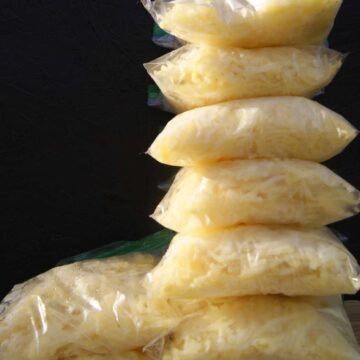
    • Freezer bags with frozen homemade hash browns on a black backdrop.
      How to Make and Freeze Hash Browns

    Disclaimer: These are my personal opinions on these sweeteners. I am not a dietician nor a nutritionist, but I did do basic research and have provided those resources for you. All information shared in this post is with an emphasis on traditional unrefined sugars. If you have any questions, please consult your doctor or do your own research.

    Buttered Potatoes with Dill

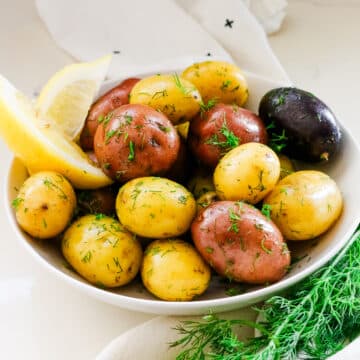
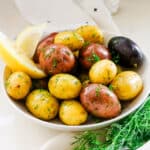
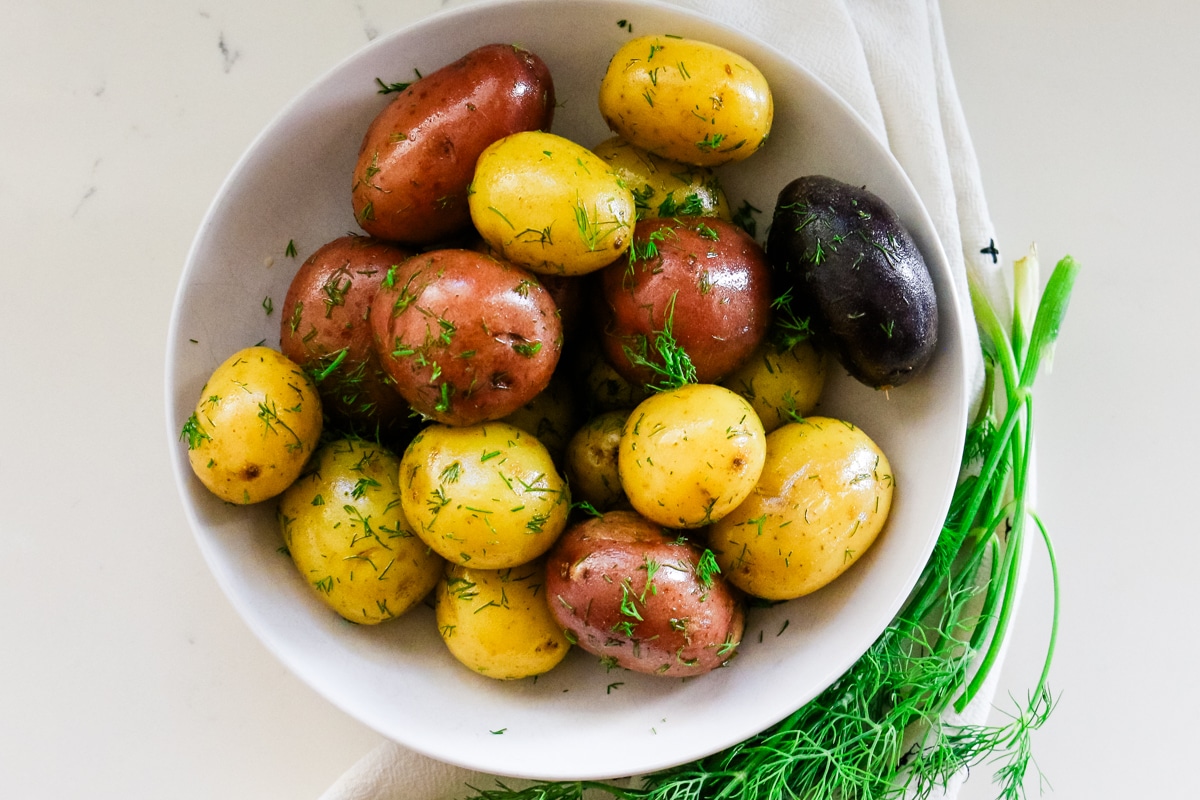
    potato medley in a white bowl with lemon wedges on the side and fresh dill.

    This easy buttered potatoes recipe starts with a boiled potato medley, tossed with butter and fresh dill for a quick and delicious side dish. With only 3 ingredients and ready in just minutes, this side is simple, flavorful, and nutritious!

    boiled potatoes with fresh dill and lemon wedges in a white bowl.

    I don't know about you, but I'm convinced there's no such thing as too many potato dishes! Whether they're roasted, mashed, or buttered with fresh dill, potatoes always find a way to steal the spotlight.

    They're everyone's favorite sidekick. Am I right? And let's be real, they have a way of disappearing from the table. You can go as elaborate and fancy as pommes soufflees to something as simple as this boiled potato recipe.

    Looking for more potato dishes? 
    Check out cottage cheese mashed potatoes, crispy oven roasted potatoes, and scalloped sweet potatoes.
    [feast_advanced_jump_to]

    💡Recipe Overview

    • Prep and Cook Time: 5 minutes to prep and 15 minutes to cook
    • Cooking Method: Stove-top
    • Dietary Info: Whole30, Paleo, Primal, Ancestral diet
    • Tools Needed: medium sauce-pan
    • Skill Level: Easy

    What is an ancestral diet? Read my post on what nourishing foods are based on the traditional dietary principles of the Weston A. Price Foundation.

    Reasons to Love this Potato Medley Recipe

    I don't know what it is about simple recipes like this one that really draws me in. I think that's just it - it's simple enough to let the ingredients shine. No complicated steps. No fancy equipment. Just good, wholesome flavors coming together in a dish that's as easy to make as it is to love. Plus, you can take whatever leftover taters you have, dice it up and brown in a cast iron skillet for breakfast the next day. Easy, versatile, and delicious!

    image of Prepare and Nourish owner

    Ingredients for Boiled Potato Recipe

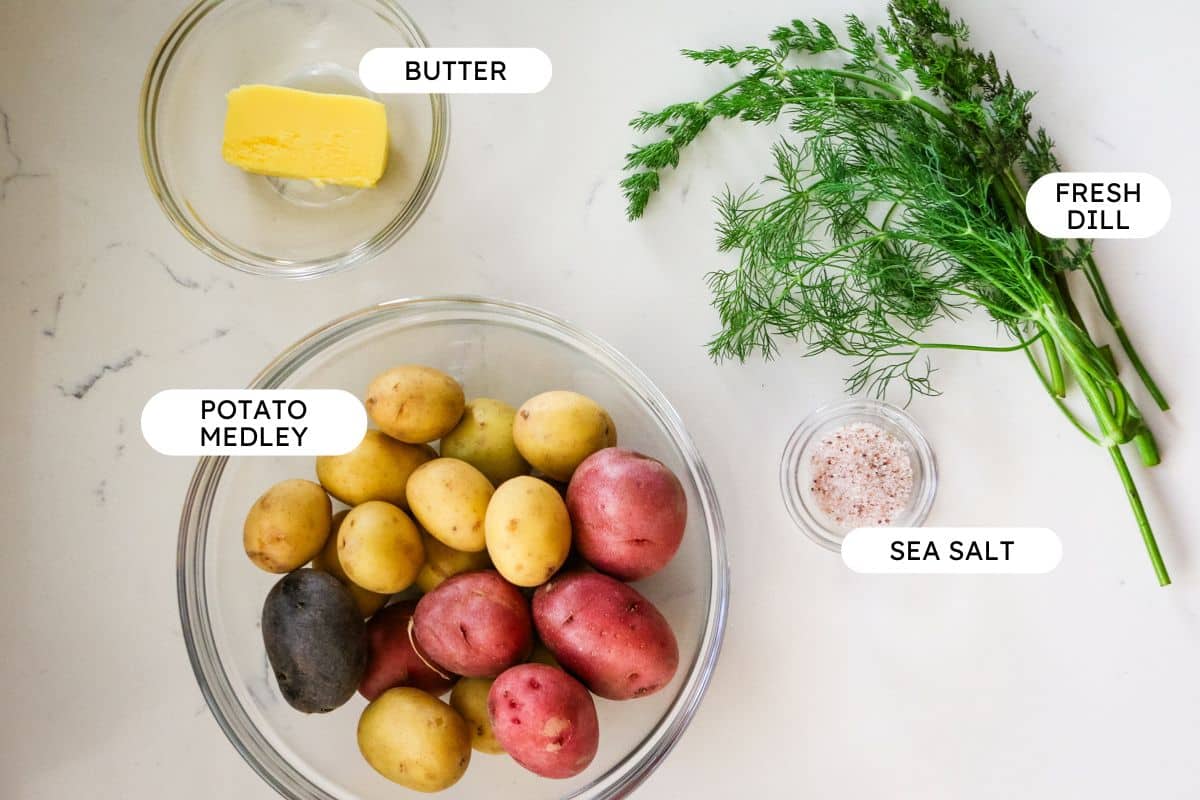
    ingredients for boiled potato recipe including potatoes, butter, salt, and dill.
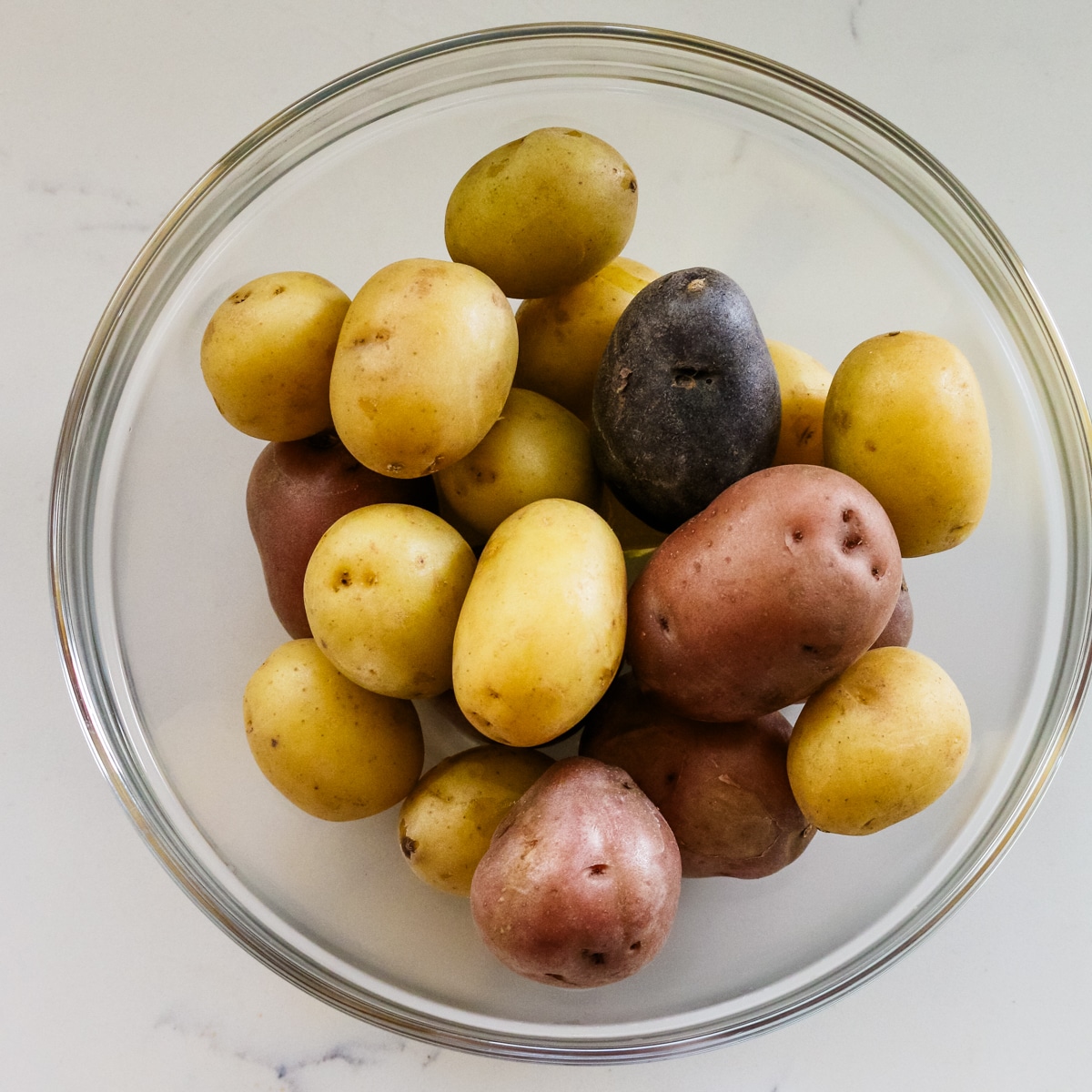
    • Potatoes: I grabbed this 2-pound bag of potato medley, a mix of small potatoes (red, yellow, and purple) for visual appeal and subtly sweet flavor. I like waxy potatoes like Yukon golds for this recipe because they hold their shape and have a creamy interior.
    • Butter: Plain unsalted butter works great (but look at that deep yellow color!)
    • Fresh dill: Adds a bright, fresh, and herbal flavor. Check out how to chop dill for best flavor.
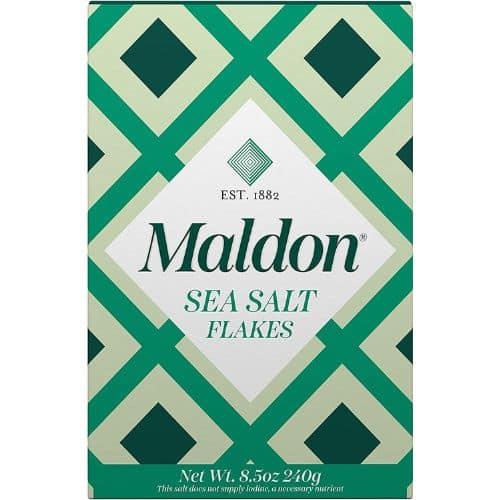
    • Salt: I like to use a combination of sea salt (Redmond's real salt) to boil the potatoes and flaky salt like Maldon as a finishing salt. Check out my guide to unrefined salt for more information on when and how to use the various salts.

    Substitutions and Variations

    • Potatoes - If you can't find a medley, use baby Yukon golds or fingerlings.
    • Dill - Swap fresh dill for parsley, chives, or thyme. Completely out of fresh herbs? Try a dried parsley alternative.
    • Deluxe - I'll never say no to bacon. Toss a little raw cheddar and top with bacon crumbles for the ultimate potato dish.
    graphic of fork and spoon connected in a plant.

    Make it Nutrient Dense

    Try to find a medley with more of the purple potatoes. Purple taters are rich in anthocyanin, a powerful compound that comes from a flavonoid antioxidant, same soure as blueberries and pomegranates. Plus, purple potatoes are packed with phytonutrients so it's a win-win all around.

    close up of potato medley with lemon wedges in background and fresh dill and flaky salt.

    How to Make Buttered Potatoes

    The complete printable recipe is below in the recipe card for your convenience. Follow these simple step-by-step instructions for the best results.

    boiled potatoes in a glass bowl.

    Step 1. Prep

    Scrub the potatoes clean and add them to a medium-size sauce pan. Fill with cold water enough to cover all potatoes. Add salt. Cover loosely to allow heat to escape slightly.

    potaoes in a medium pot filled with water and added salt.

    Step 2. Boil

    Bring the potatoes to a boil, reduce heat to medium-low and gently simmer until cooked through (approximately 15-20 minutes). You can check by piercing with a fork; if it slides easily, the potatoes are done.

    boiled potatoes in a colander and on a white towel.

    Step 3. Drain and Dry

    Remove the potatoes from heat and drain well. Spread them out on a clean kitchen towel and allow to air dry well for a few minutes.

    potato medley in a glass bowl tossed with butter and fresh dill with a wooden spoon.

    Step 4. Toss

    Add butter to the hot potatoes along with flaky salt and fresh dill. Toss gently to cover all potatoes with butter. Serve immediately.

    Helpful Tips

    1. Look for uniform size potatoes - Look for potatoes that are similar in size so they'll cook evenly and finish at the same time.
    2. Scrub potatoes well - Because we're not peeling the potatoes, be sure to scrub them well and remove all dirt.
    3. Start with cold water - Always start boiling potatoes with cold water to cook them evenly from the inside out.
    4. Dry thoroughly - I like to spread them out on a clean kitchen towel and allow them to air dry well to prevent them from being watery and to help the butter and dill stick to them.

    Product Highlight!

    Maldon Salt Flakes

    Who doesn't love a generous sprinkle of flaky salt? This adds a satisfying crunch and a finishing touch.

    Grab yours →
    boiled potatoes in a white bowl with fresh dill and a white kitchen towel.

    Serving Suggestions

    Make it a complete meal. Consider serving these dishes for a well-balanced and rounded meal.

    Main dish: Pair this with air fryer lamb chops, salt and pepper chicken wings, or even a traditional liver and onions recipe. I can't wait to try it next with this ribeye steak in air fryer.

    Veggie side: I mean potatoes are already a vegetable but if you're looking for something with a little more color, consider serving this with butter cabbage or baked green beans with bacon.

    Fresh salads: Don't forget to round out your meal with refreshing and vibrant salads. I like simple ones like this cucumber dill salad (you already have all that properly-stored fresh dill so that cuts down on prep time).

    Condiments: Include ferments here spicy sauerkraut, purple cabbage sauerkraut, or fermented green tomatoes.

    boiled potato medley with fresh dill in a white bowl.

    Frequently Asked Questions

    How long do buttered potatoes last in the refrigerator?

    Store leftovers in an airtight container in the refrigerator for up to 5 days. Reheat gently in a skillet with a little butter to bring it back to original flavor and texture. Cover the skillet to trap heat. These glass snap containers are perfect for leftovers.

    Can I freeze buttered potatoes?

    While I don't recommend freezing these potatoes because they will lose their texure when thawed and reheated, it is possible to do so. If necessary, flash freeze the boiled potatoes without the butter and dill. Then transfer to an airtight container and store in the freezer for up to 3 months.

    How do I keep the potatoes from getting mushy?

    The biggest issue is overcooking them. Check for doneness with a fork around the 15-minute mark. Letting them air dry after draining also helps them to maintain their texture.

    Looking for more healthy side dishes? Here are some ideas:
    • fried cabbage and sausage with dill and fresh parsley garnish in a skillet.
      Easy Fried Cabbage and Sausage Skillet Recipe
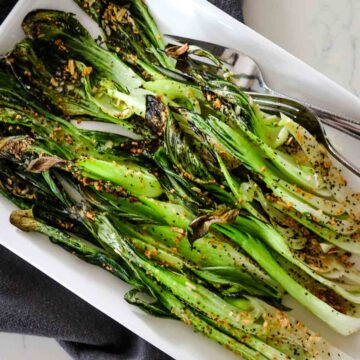
    • roasted bok choy on a white platter
      Easy Roasted Bok Choy Recipe in Air Fryer
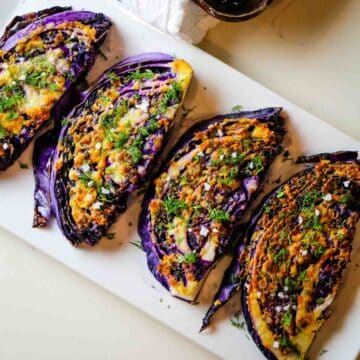
    • Roasted purple cabbage with dill and garlic on white platter.
      Roasted Red Cabbage Steaks with Garlic
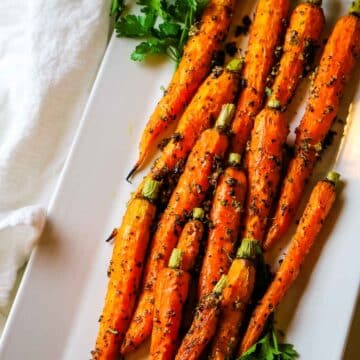
    • roasted carrots on white platter.
      Roasted Carrots with Garlic
    Did you make this Buttered Potatoes recipe? Please leave a ⭐⭐⭐⭐⭐ recipe rating in the recipe card below and leave a review in the comments. Thank you!💚

    Printable Recipe

    potato medley in a white bowl with lemon wedges on the side and fresh dill.
    Print Recipe
    5 from 4 votes

    Buttered Potatoes with Dill

    This easy 3-ingredient buttered potatoes recipe with fresh dill is a quick and delicious side dish that goes great with any main course.
    Prep Time5 minutes mins
    Cook Time15 minutes mins
    Drying Time5 minutes mins
    Total Time25 minutes mins
    Course: Side Dish
    Cuisine: American
    Keyword: boiled potato recipe, buttered potatoes, buttered potatoes recipe, potato medley
    Servings: 8 servings
    Calories: 105kcal
    Author: Anya @ Prepare & Nourish

    Ingredients

    • 2 pounds potato medley
    • 2 tablespoons butter
    • 1 tablespoon sea salt
    • 4 sprigs fresh dill

    Instructions

    • Prep: Scrub the potatoes clean and add them to a medium sauce pan. Fill with cold water enough to cover all potatoes. Add salt. Cover loosely to allow heat to escape slightly.
    • Boil: Bring the potatoes to a boil, reduce heat to medium-low and gently simmer until cooked through (approximately 15-20 minutes). You can check by piercing with a fork; if it slides easily, the potatoes are done.
    • Drain: Remove the potatoes from heat and drain well. Spread them out on a clean kitchen towel and allow to air dry well for a few minutes.
    • Toss: Add butter to the hot potatoes along with flaky salt and fresh dill. Toss gently to cover all potatoes with butter. Serve immediately.

    Notes

    Storage: Store leftover potatoes in an airtight container for up to 5 days. Reheat gently in a buttered skillet over medium-high heat until warmed through. 
    Helpful tips: 
    1. Look for uniform size potatoes - Look for potatoes that are similar in size so they'll cook evenly and finish at the same time.
    2. Scrub potatoes well - Because we're not peeling the potatoes, be sure to scrub them well and remove all dirt.
    3. Start with cold water - Always start boiling potatoes with cold water to cook them evenly from the inside out.
    4. Dry thoroughly - I like to spread them out on a clean kitchen towel and allow them to air dry well to prevent them from being watery and to help the butter and dill stick to them.

    Nutrition

    Calories: 105kcal | Carbohydrates: 18g | Protein: 2g | Fat: 3g | Saturated Fat: 2g | Polyunsaturated Fat: 0.2g | Monounsaturated Fat: 1g | Trans Fat: 0.1g | Cholesterol: 8mg | Sodium: 915mg | Potassium: 518mg | Fiber: 2g | Sugar: 1g | Vitamin A: 103IU | Vitamin C: 10mg | Calcium: 13mg | Iron: 1mg

    How to Make Lacto-Fermented Jalapeño Peppers

    fermented jalapeno slices in mason jar | how to lacto-ferment jalapeno peppers

    Learn how to make Lacto-Fermented Jalapeno Peppers with only 2 ingredients. It's a simple and delicious way to add a spicy kick to any meal. These fiery peppers are packed with gut-friendly probiotics and live enzymes. Preserving jalapenos with this easy recipe is a great way to enjoy the spicy flavor throughout the year.

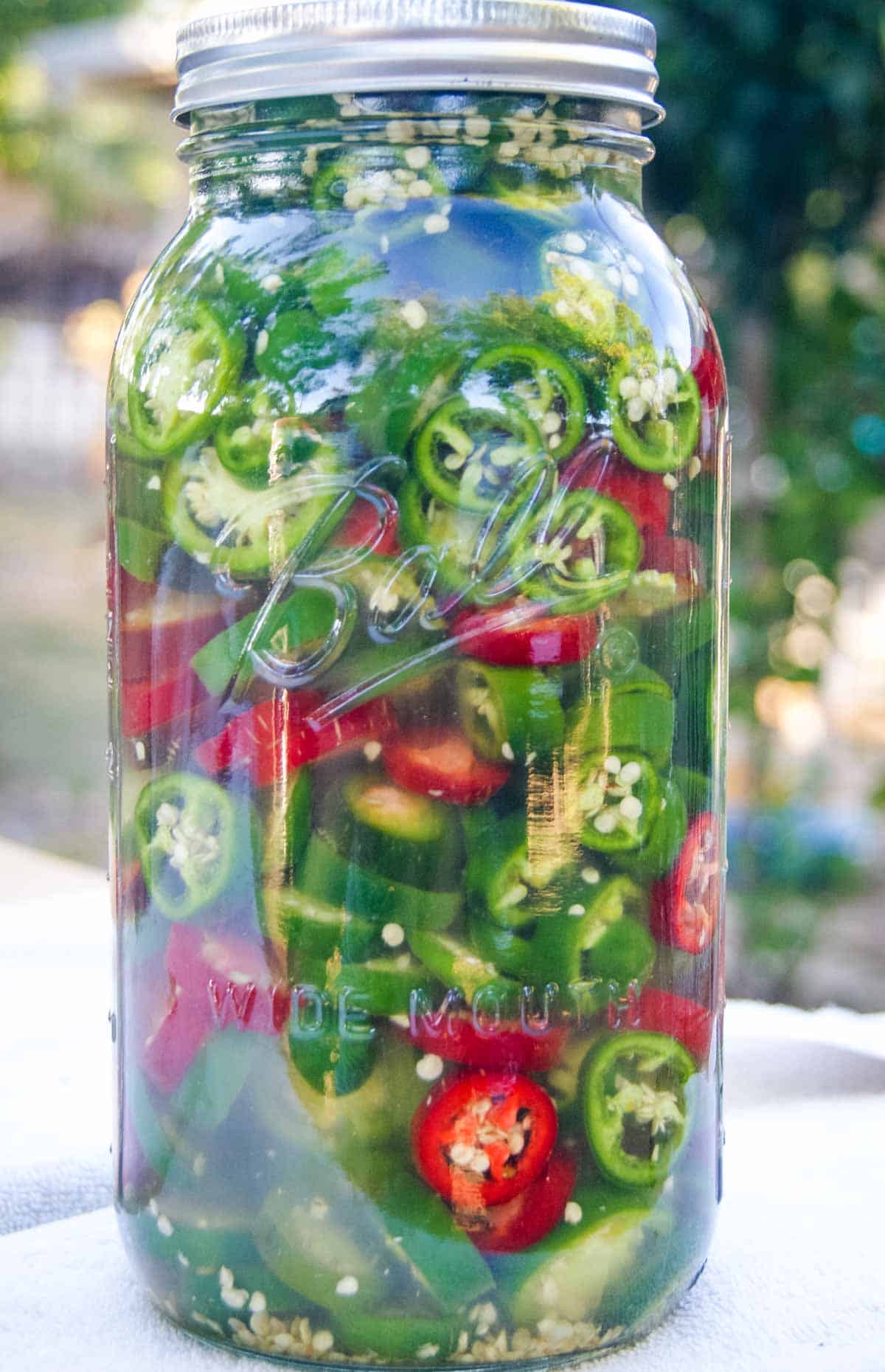
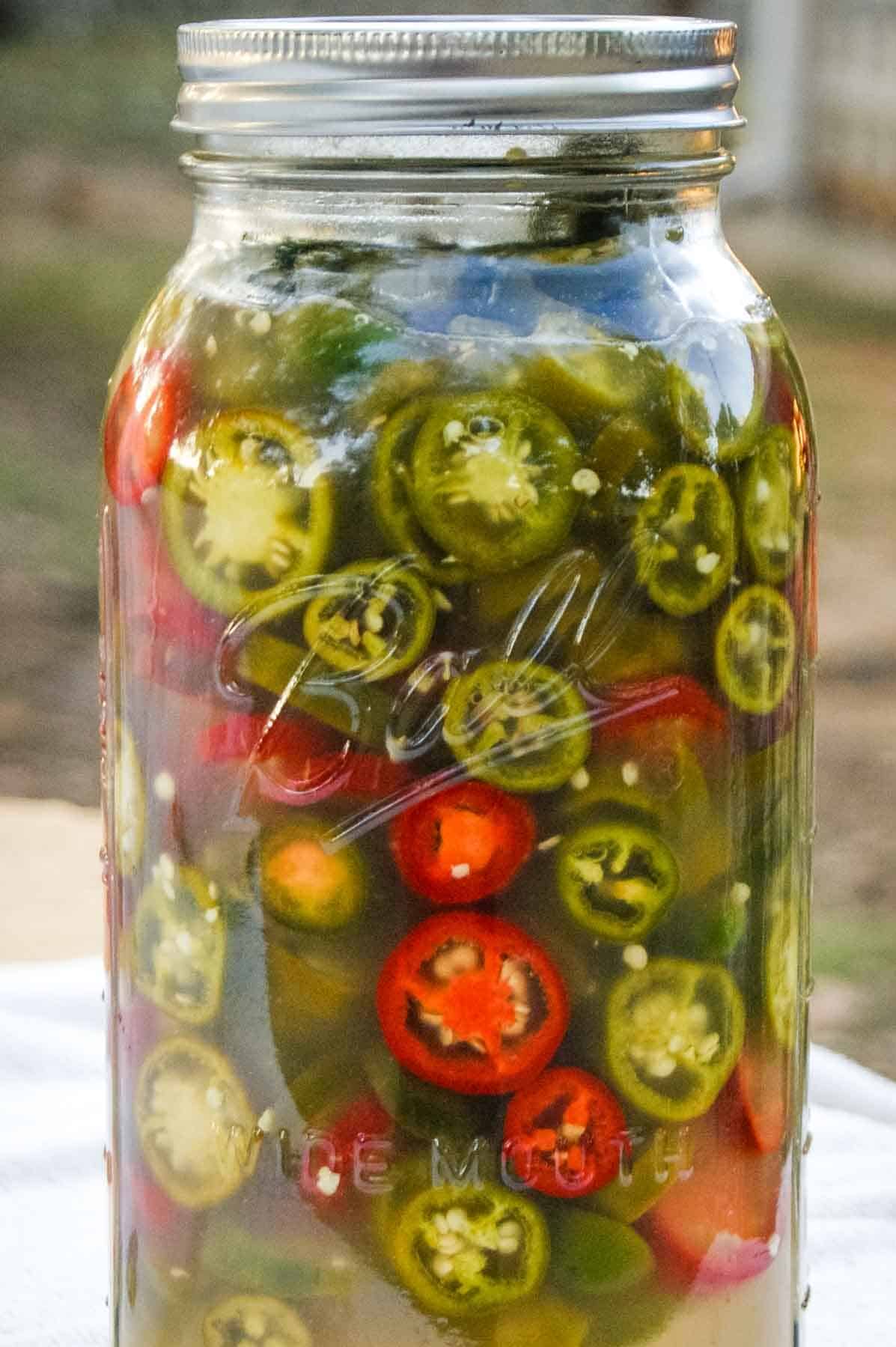
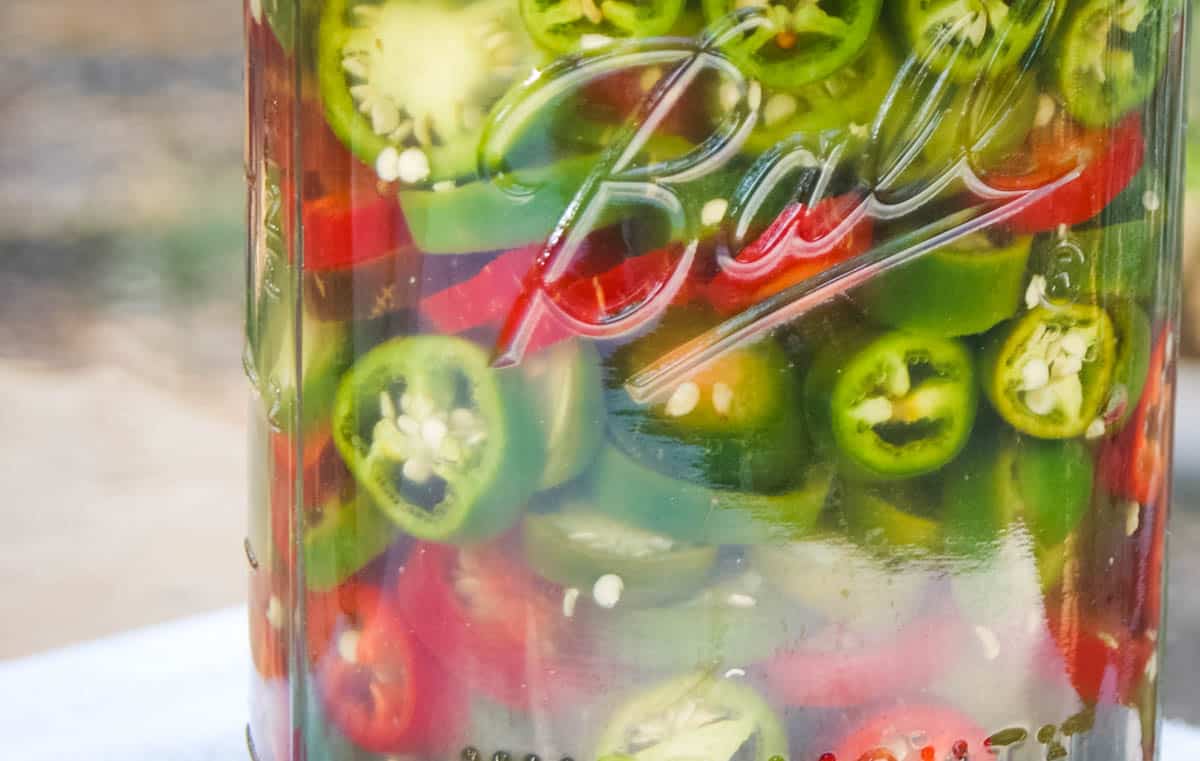
    large jar of sliced jalapenos in briny liquid for how to make lacto-fermented jalapeno peppers

    Our fridge is always stocked with these fermented jalapeños. They're great as a lovely condiment to tacos, nachos, salads, breakfast eggs, or any other favorite dish. It's a delicious way to incorporate more ferments into your diet effortlessly.

    Fermentation is also a great way to preserve the summer harvest. So if you have a bumper of jalapeños growing in your garden, this recipe is the perfect way to preserve those peppers to last you most of the upcoming year.

    If your bumper is exceptionally full, you will love roasted jalapenos and poppers as a way to use up these zesty peppers.

    But if you're looking for something long-term, this recipe is it! The easy fermenting brine keeps the peppers firm yet tangy and spicy the entire time.

    [feast_advanced_jump_to]

    What are lacto-fermented jalapenos?

    Lacto-fermentation is a metabolic process in which glucose from a food source like vegetables or grains is converted into cellular energy-producing good bacteria.

    The process of lacto-fermentation destroys the bad bacteria in the first phase and produces good bacteria, Lactobacillus, in the second phase.

    Salt is essential for the formation of lactic acid bacteria. Since the harmful bacteria does not tolerate much salt, lactic acid is formed as a natural preservative for the flavor and integrity of the fermented product.

    Fermenting jalapeños is one of the easiest ferments you'll make. The key is using enough salt to destroy harmful bacteria during fermenting.

    The saltwater brine will become cloudy as the friendly bacteria consumes the carbohydrates found in the vegetables and converts them to lactic acid.

    Lacto-fermentation is far superior to any other food preservation method because of its high count of beneficial bacteria and health benefits. Fermented foods are a powerful antioxidant, a great way to support gut health, and are overall gentle support for the immune system.

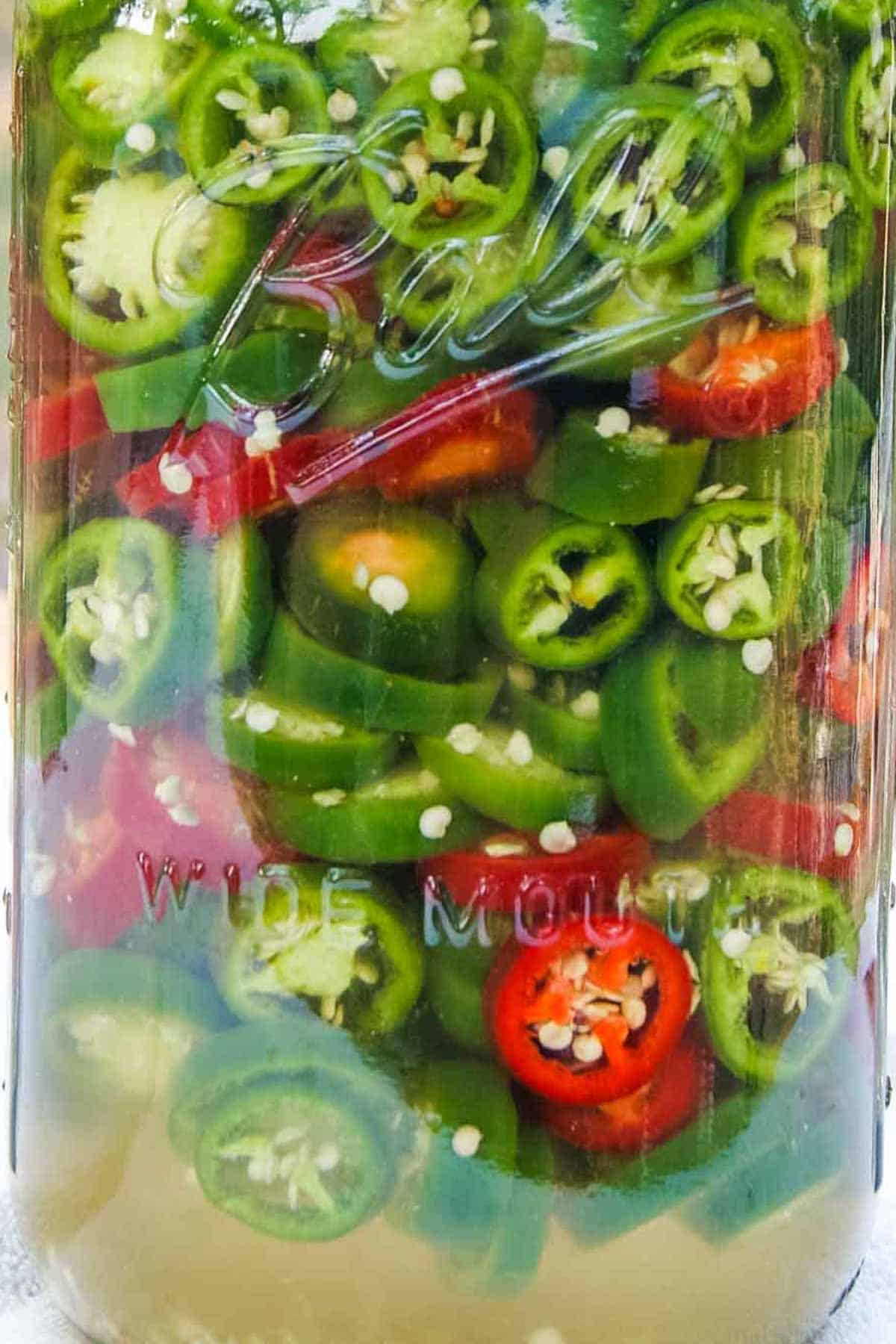
    jalapeno slices in a brine in large mason jar | how to make lacto-fermented jalapeno peppers

    Why you'll love this recipe

    Great taste - Lacto-fermentation adds a tangy, sour, and slightly salty flavor to jalapenos, enhancing their taste and making them even more enjoyable.

    Health benefits: The process of lacto-fermentation creates probiotics, which are beneficial bacteria that may support overall health.

    Versatility: Lacto-fermented jalapenos can be used in various dishes, from tacos to soups. Plus, the brine is equally delicious and versatile.

    Easy to make: Lacto-fermenting jalapenos is a simple process that requires only a few ingredients and minimal effort. All you need is fresh jalapenos, salt, water, and a jar, and you can have delicious, probiotic-rich jalapenos in just a few days.

    💭Pro tip: Lacto-fermentation of vegetables doesn't need a starter culture or special fermenting equipment. Just some good salt and a willingness to experiment.

    What do fermented jalapeños taste like?

    Fermented jalapeños are deliciously spicy and perfectly tangy. You will love these fiery peppers! They have a rich depth and are packed with tons of flavor. They are savory and vibrant yet perfectly balanced with a sharp, pickled tang and subtle saltiness.

    The texture is similar to pickled jalapeños but, overtime (after 6+ months), will slowly soften. They should retain their texture if properly fermented, as salt is a powerful preservation.

    Ingredients

    Learn how to ferment jalapenos with this easy 2-ingredient recipe, excluding water. The hardest part is waiting for them to ferment.

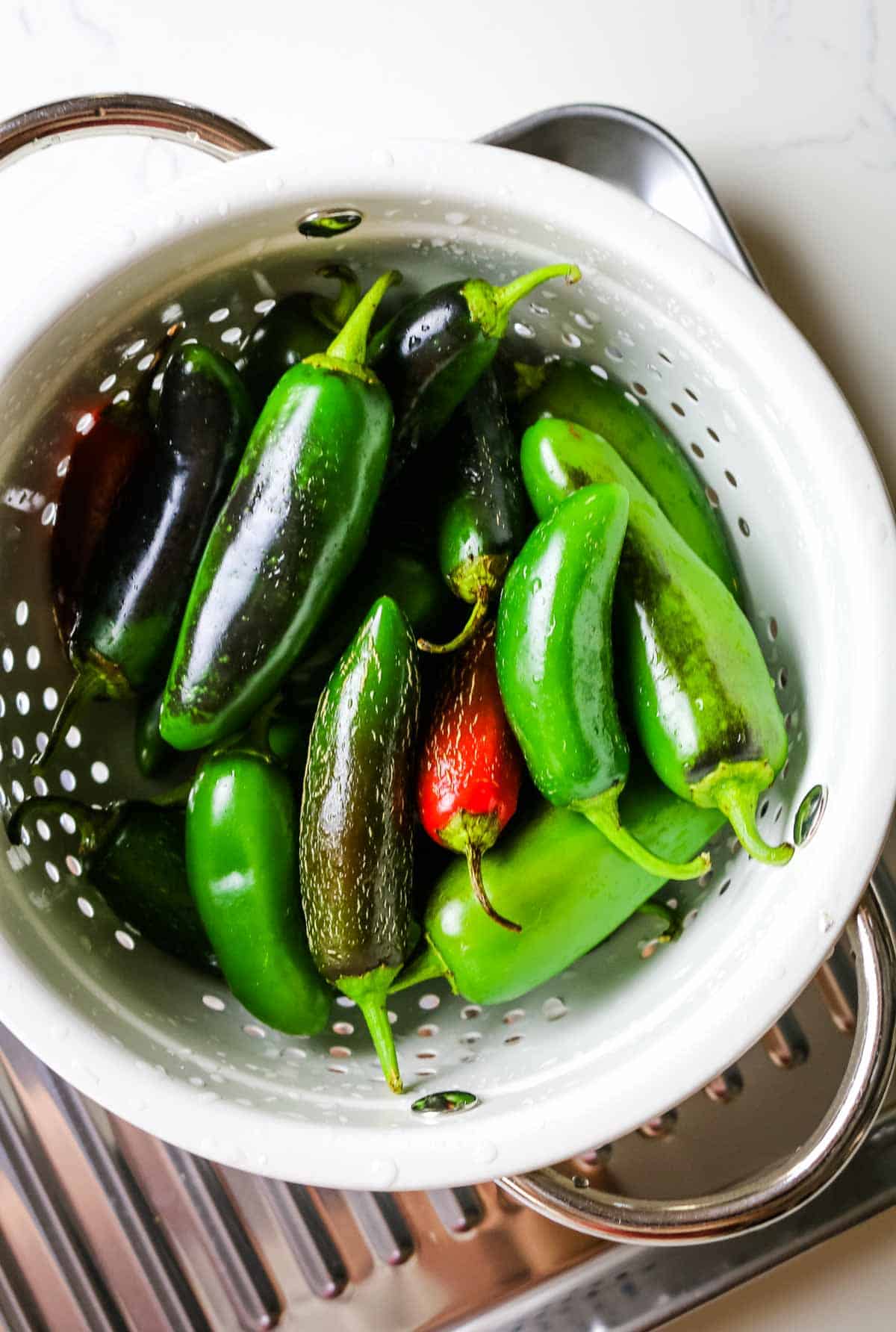
    jalapeno peppers in a white colander for recipe on how to make lacto-fermented jalapeno peppers
    • jalapeños: Look for smooth skin with no blemishes or dents.
    • unrefined sea salt: good quality, unrefined sea salt is important for any fermented vegetable.
    • warm water: Bring water to a boil first to make sure it's sterilized, then cool to a tepid temperature, warm enough to dissolve salt

    See the recipe card for exact quantities.

    Variations

    • Try any hot peppers - Jalapenos are a classic but try serrano or chili peppers to change things up.
    • Add garlic - Toss in a few garlic cloves to the jar for easy picked garlic to be enjoyed whole.
    • Sliced carrots - Add sliced raw carrots to the peppers for an excellent jalapeno and carrot accompaniment to all your Mexican-inspired dishes.

    Make it Nutrient Dense

    Staying true to the core of what Prepare and Nourish is all about, there are ways to ensure you get the maximum nutrition in all your meals.

    Use fresh jalapeños. Buy jalapeño peppers from your local farmer's market for the best flavor. Or better yet, grow them in your garden! The closer to the source, the more nutritious the food. Organic is the next best option if you buy peppers at the grocery store. And if neither of those works for you, get regular peppers and check out the next tip.

    Soak in a vinegar solution. It would be best to soak conventionally grown jalapeno peppers in vinegar water. Add one cup of distilled white vinegar to four cups of water and soak for 5 minutes. Drain and rinse. Ensure the peppers are fully dry before proceeding with the recipe.

    Good quality salt. Salt will act as a natural preservative, keeping the bad bacteria at bay during fermentation. Use good quality salt like Redmond's unrefined sea salt.

    Serve ferment at every meal. Add lacto-fermented food as a garnish or condiment to make any meal more nutrient dense. Because different strains of Lactobacillus have different strain-specific health benefits, it's important to vary lacto-fermented foods. You can see all my fermented recipes here.

    half gallon mason jar with sliced jalapenos

    Helpful Tips

    Maintain ideal ambient temperature. During fermentation, keep your jalepeños at a comfortable 65-75°F (18-24°C) and out of direct sunlight.

    Keep it all submerged. Ensure all jalapeño slices are fully submerged in the salty brine. Using fermentation weights like these helps with that. You may also use a few cabbage leaves to push down the sliced jalapeños.

    Burp jar daily. After approximately 48 hours of fermenting, you should start seeing lots of bubbles produced, and you will need to burp the jar to release some of those gasses. Burp the jar daily for the next week until the brine becomes muted and cloudy. Use this opportunity to make sure that everything is in the brine.

    Ferment to taste. You can ferment jalapeños at room temperature for 3-6 weeks, depending on your preference for tartness. I usually transfer mine to the refrigerator after three weeks.

    Step-by-Step Instructions

    The complete printable recipe is below in the recipe card for your convenience.

    This jalapeños recipe is very basic. You'll only need two ingredients plus warm water to get these peppers going.

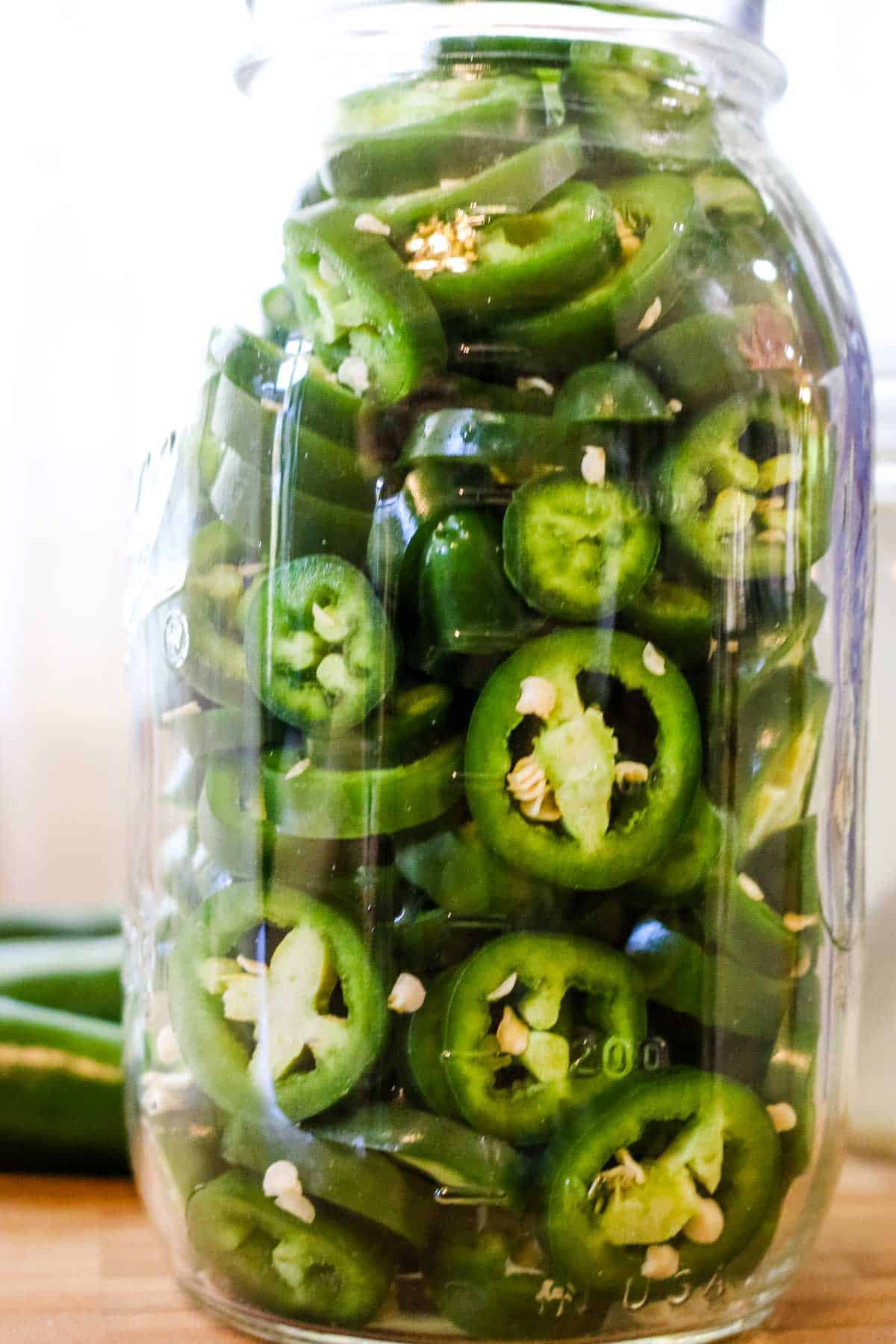
    sliced jalapenos in a mason jar.

    Step 1. Prep

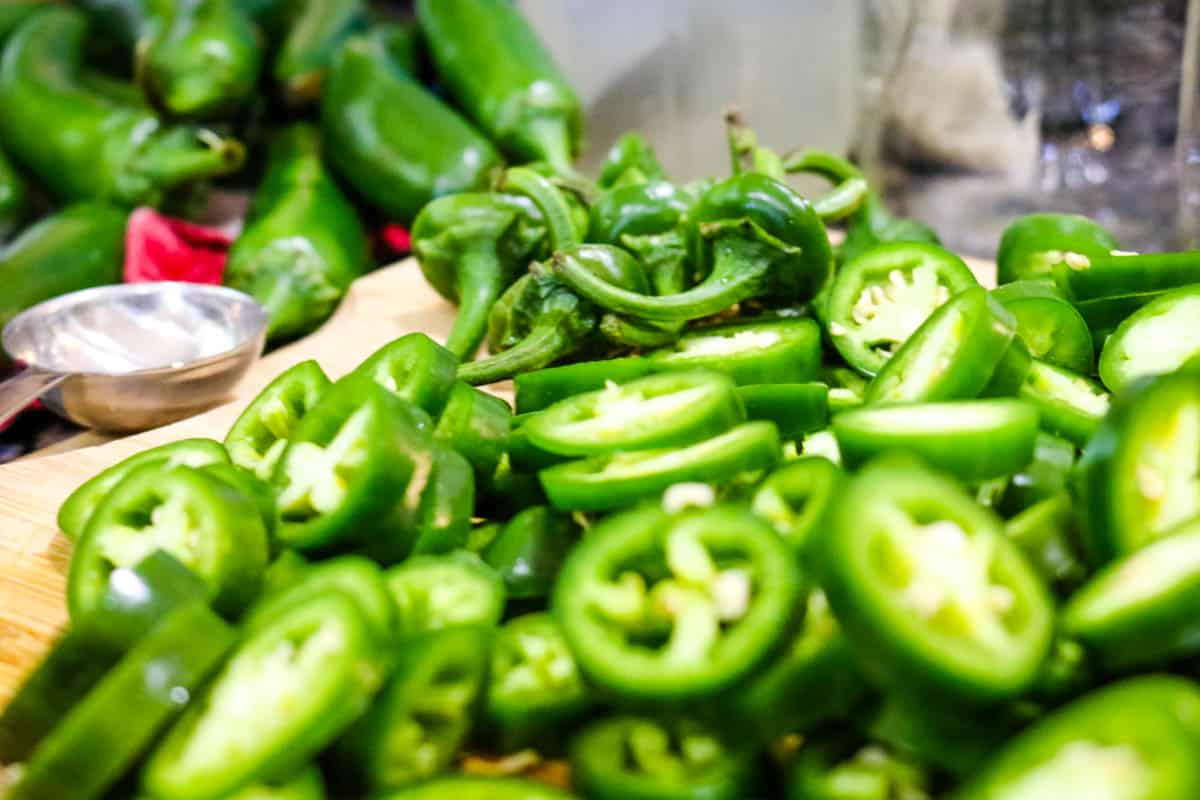
    Wash and dry the peppers. Cut them into small slices ¼" thick, discarding the stem.

    Transfer the peppers into a clean and sterilized quart-size wide-mouth jar.

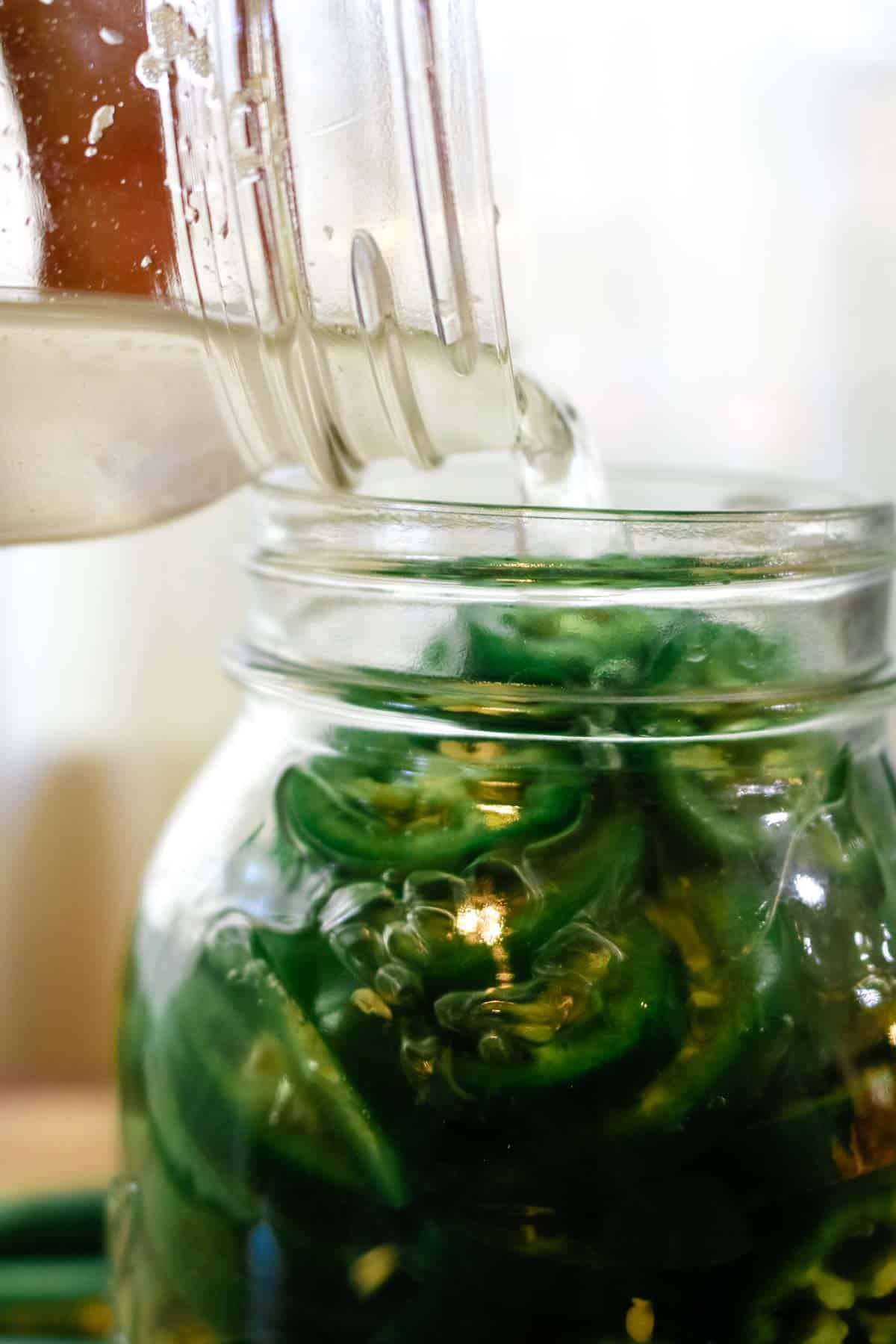
    salty brine for jalapenos

    Step 2. Make brine

    Dissolve salt in warm water in a deep bowl, measuring cup, or another mason jar.

    Pour over the jalapeno slices. Loosely cover the jar and set it aside to ferment.

    💭Pro tip: Keep the pith and seeds of the jalapeno peppers for extra heat.

    Ensure all peppers are fully submerged in the brine at room temperature, away from direct sunlight. A fermentation weight or a few cabbage leaves helps keep everything submerged.

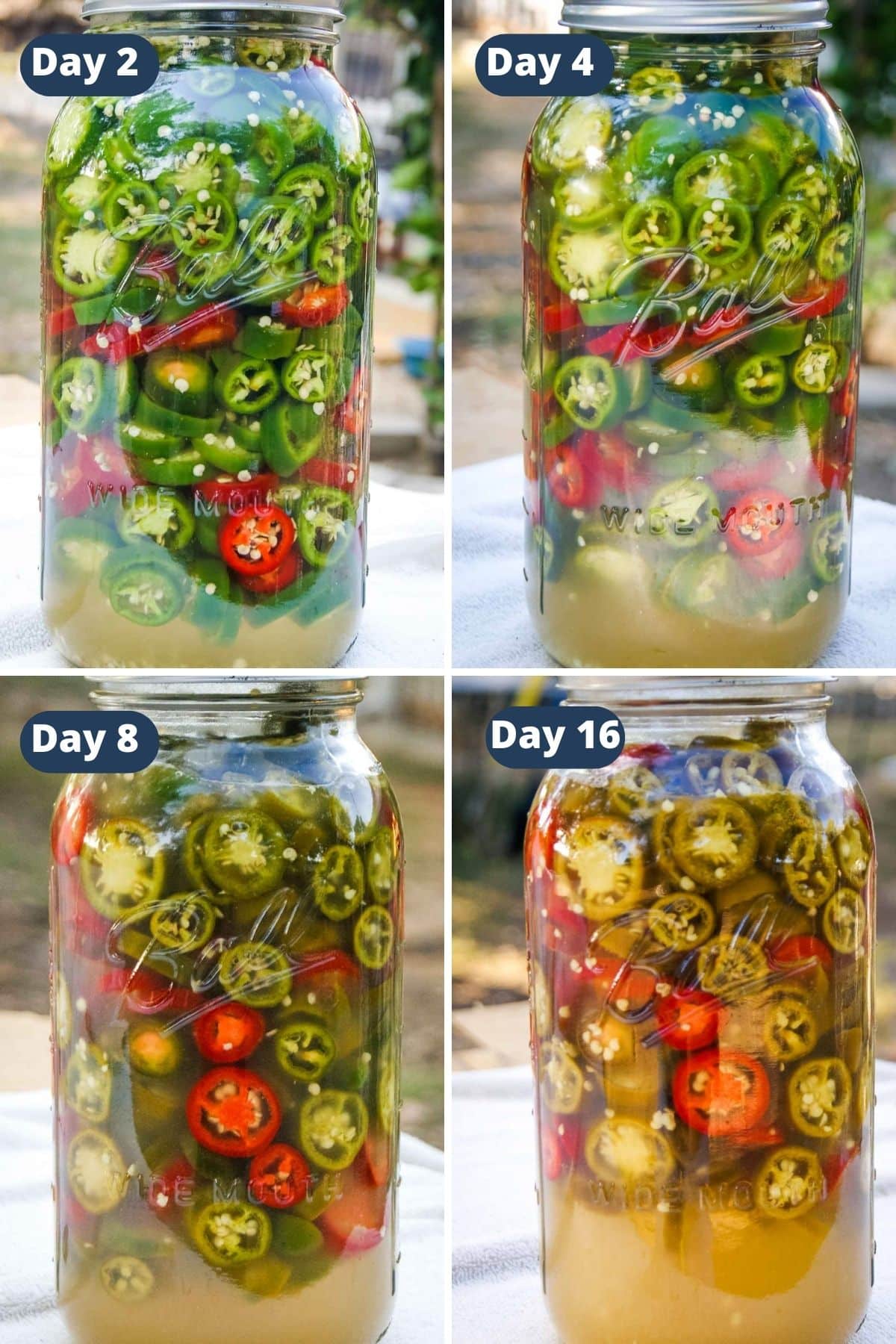
    Fermentation Timeline

    The fermentation timeline for cultured jalapenos can vary depending on several factors, such as the temperature, the amount of salt used, and the desired level of sourness based on personal preferences.

    natural fermentation of jalapenos | how to make lacto-fermented jalapeno peppers

    After 48 hours, begin daily burping the jar to release the carbon dioxide gasses. For best results, continue to do this for at least two weeks.

    Generally, most ferments take 1-4 weeks, with the optimal temperature ranging between 65-75°F (18-24°C).

    Do a taste test to ensure you capture that perfect tang and sourness, and at this point, transfer the fermented jalapeños to the refrigerator.

    💭Pro tip: Make sure you use a quart jar with a wide mouth as the peppers will naturally rise to the top during the process of fermentation.

    Helpful Tools & Links

    Below are some affiliate links that may be helpful to you as you make this recipe. You can find some of these items cheaper at your local store, but having a link helps you know what you're looking for.

    • Tools: chef knife, cutting board, glass weights
    • Ingredients: real salt
    • Storage Supplies: wide-mouth mason jar, Weck preserving jars, wide-mouth plastic lids, wide-mouth wooden storage lids

    Fermentation Troubleshooting

    Lacto-fermentation can be intimidating. There's an easy way to avoid mold on your ferments.

    A good rule of thumb to remember: always use high salt concentration for lacto-fermentation to avoid the growth of harmful bacteria.

    You can learn more about the importance of using weight measurements in your fermented foods in the post on making raw sauerkraut. Using a salt concentration of 2.5% for successful ferments will keep bad growth away.

    The bad yeasts cannot tolerate salt. If a white film (called kahm yeast) is developed on the surface, skim it off the top, and your peppers are still safe to consume. Kahm yeast is typically opaque and wrinkled.

    But if the growth you see looks fuzzy, pink, blue, or green - throw away the food and start over. Never eat anything with mold growing on it.

    Here are some quick tips to remember:

    • Start with clean supplies. Sterilize the jar by pouring boiling water in it, then pouring out the water.
    • Use clean and dried jalapenos.
    • Avoid contamination and use clean utensils and hands whenever you handle the peppers.
    • Use an adequate amount of salt to avoid bacterial overgrowth.

    Serving Suggestions

    These lacto-fermented jalapeños are great on just about any food. Enjoy these fiery peppers with carnitas, classic taco meat, or sheet pan breakfast.

    But don't stop there! You can use the jalapeno brine to make salad dressings instead of vinegar. Or use these fermented jalapenos instead of fresh in recipes like pico de Gallo and chunky guac. The leftover brine also a great acidic medium to marinate meats like pork tenderloin.

    Fermented Jalapeno pairing suggestions
    • white chicken chili served in a bowl.
      White Chicken Chili Recipe
      Cook Time45 Minutes
    • spicy pork with veggies over ramen
      Spicy Pork Ramen Recipe
      Cook Time1 Hours 30 Minutes
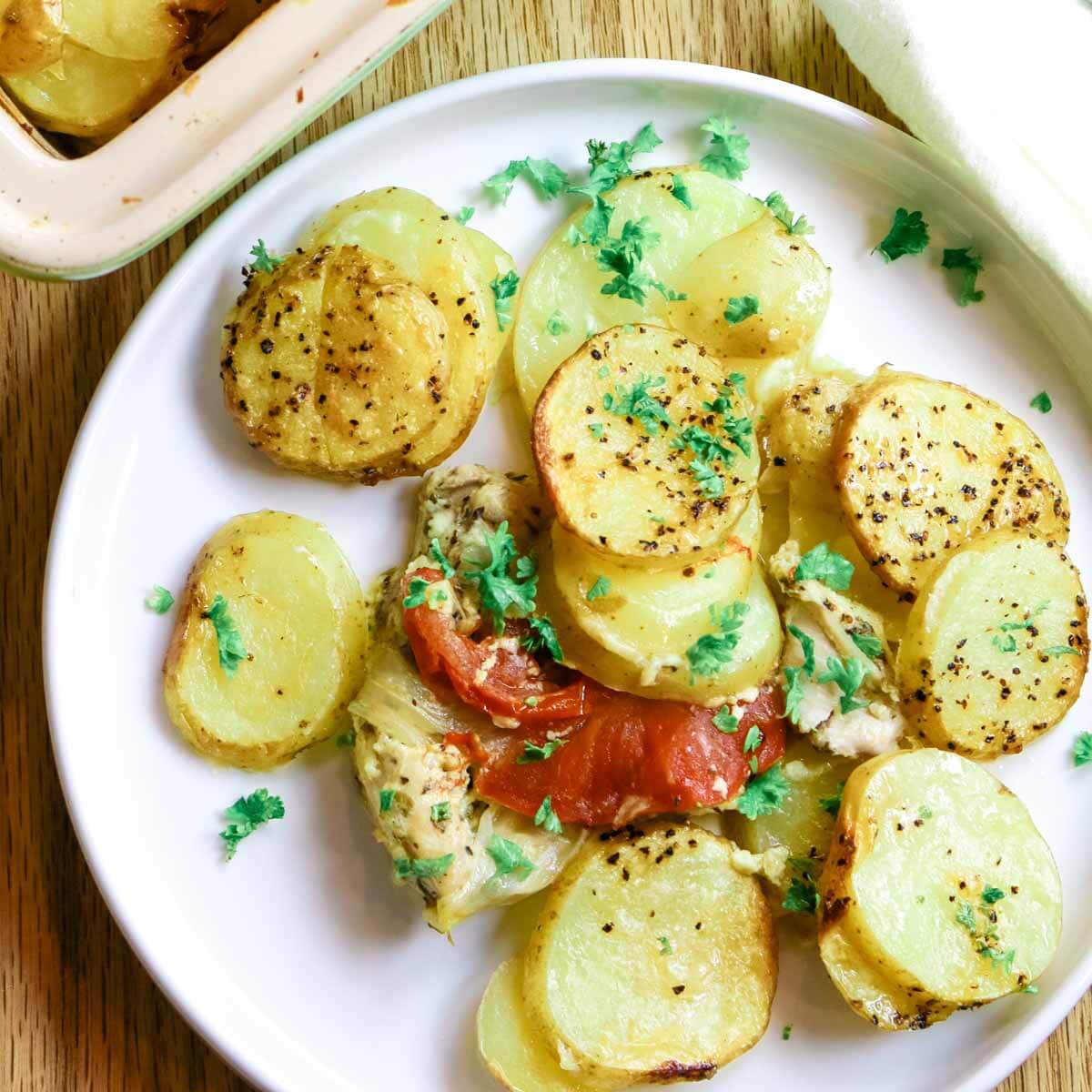
    • scalloped potatoes on a white dish with tomatoes and chicken.
      Chicken Potato Casserole (Easy Chicken Potato Bake)
      Cook Time1 Hours 20 Minutes
    • chicken wings on black dish with green herb.
      Crispy Baked Salt and Pepper Chicken Wings Recipe

    Storage Instructions

    To store: Fermented jalapenos can be stored in any fermentation vessel in the refrigerator for up to 12 months, but it's best to eat within six months for the best flavor and maximum probiotic benefits.

    Storage containers: A traditional quart-size mason jar with a wide mouth is the best for this recipe. You may also use a Weck jar 743 (753 milliliters) as it already comes with a glass lid that you can loosen just by not using the seal and clasps.

    After the peppers are fully fermented, switching out the lid with a plastic wide mouth or wooden one is best so the salt doesn't erode the metal lid.

    large jar of sliced jalapenos in briny liquid | how to make lacto-fermented jalapeno peppers

    FAQs

    How long will fermented jalapeños last?

    If fermented properly, these jalapeños can last up to 12 months in cold storage like the refrigerator. I recommend consuming these jalapeños within six months for best flavor and maximum probiotic benefits.

    What is the difference between pickled and fermented jalapeños?

    Pickled jalapeños usually use pasteurization, which inevitably destroys the live microbes naturally found on vegetables. Pickled jalapeños also often use white vinegar. On the other hand, lacto-fermentation is considered wild fermentation, which uses the natural microorganisms found on the jalapeños to assist in fermentation or culturing.

    What is the best salt to use to ferment jalapeños?

    The best salt for all fermentation is unrefined, real sea salt. Salt is the star of this easy recipe because, without it, we couldn't naturally ferment the jalapeños. I love Redmond's fine sea salt and what I recommend for all ferments.

    What are the best peppers to ferment?

    This recipe is specific to jalepeños, but you can use the same framework to ferment most any other pepper: serrano, chili, banana peppers. I would strongly suggest using peppers that are not bagged, as those are usually triple-washed and lack the natural microbes found on vegetables. If using bagged peppers, add a tablespoon or two of a kraut source like sauerkraut or a previous ferment to kick start the fermentation process.

    Looking for more fermenting recipes? Here are some ideas:
    • red cabbage kraut in a jar.
      Red Cabbage Sauerkraut Recipe (Fermented Red Cabbage)
    • green tomatoes with fresh dill in mason jar.
      Fermented Green Tomatoes (Pickled Green Tomatoes Recipe)
    • fork in sauerkraut recipe.
      Spicy Sauerkraut with Ginger and Garlic
    • kimchi in half-gallon mason jar with lid on the side in how to make kimchi tutorial.
      How to Make Kimchi (Easy Fermented Kimchi Recipe)
    Did you make this? Please leave a ⭐ recipe rating in the recipe card below and leave a review in the comments. Thank you!💚

    Printable Recipe

    large glass jar of peppers
    Print Recipe
    4.36 from 17 votes

    Lacto Fermented Jalapeños

    Made with only 2 ingredients but packed with so much fiery flavor and healthy enzymes, these lacto-fermented jalapeños make a great condiment to accompany any dish.
    Prep Time10 minutes mins
    Cook Time10 minutes mins
    Total Time20 minutes mins
    Course: Condiment, Ferment
    Cuisine: American, Mexican
    Keyword: fermented, fermented jalapenos, lacto fermented
    Servings: 48 servings
    Calories: 1kcal
    Author: Anya @ Prepare & Nourish

    Equipment

    • 1 fermentation glass weight
    • 1 wide mouth mason jar
    • 1 wide mouth wooden storage lid
    • 1 wide mouth plastic lid

    Ingredients

    • 2 cups jalapeño peppers, sliced approximately 1.5 pounds
    • 3 tablespoons sea salt
    • 3 cups warm water

    Instructions

    • Rinse and slice jalapeños into ¼" thickness and transfer them to a quart size jar.
      sliced jalapeno peppers
    • In a bowl or measuring cup, dissolve salt in warm water. Pour the salty brine over the sliced jalapeños, making sure they are fully submerged.
      pouring salty brine over jalapenos
    • Close the jar and set aside at room temperature but away from direct sunlight. After 48 hours, begin daily burping of the jar to release carbon dioxide gasses. Do this for the next 2 weeks making sure all the peppers are fully submerged.
      fully submerged jalapenos in brine
    • Transfer to refrigerator once the jalapenos have achieved the perfect tang to your preference. This may take anywhere between 2-5 weeks.

    Notes

    • Recipe makes 1 quart (48 servings). One serving is approximately 1 tablespoon.
    • Fermented jalapenos will last up to 12 months in the refrigerator but it's best to consume within 6 months for best flavor and maximum probiotic benefits.
    • If white film on surface of the brine forms, that is wild yeast called kahm and is totally harmless. Simply skim it off the top and proceed with the fermentation process.
    • Using a fermentation glass weight or few cabbage leaves is helpful to keep all the sliced jalapenos submerged.
    • After fermenting, it's best to switch out the lid with a plastic or wooden one so the salt doesn't erode the metal lid.

    Nutrition

    Calories: 1kcal | Carbohydrates: 0.2g | Protein: 0.03g | Fat: 0.01g | Saturated Fat: 0.004g | Polyunsaturated Fat: 0.004g | Monounsaturated Fat: 0.001g | Sodium: 437mg | Potassium: 9mg | Fiber: 0.1g | Sugar: 0.2g | Vitamin A: 40IU | Vitamin C: 4mg | Calcium: 1mg | Iron: 0.01mg

    Nourishing Pastured Chicken Stew

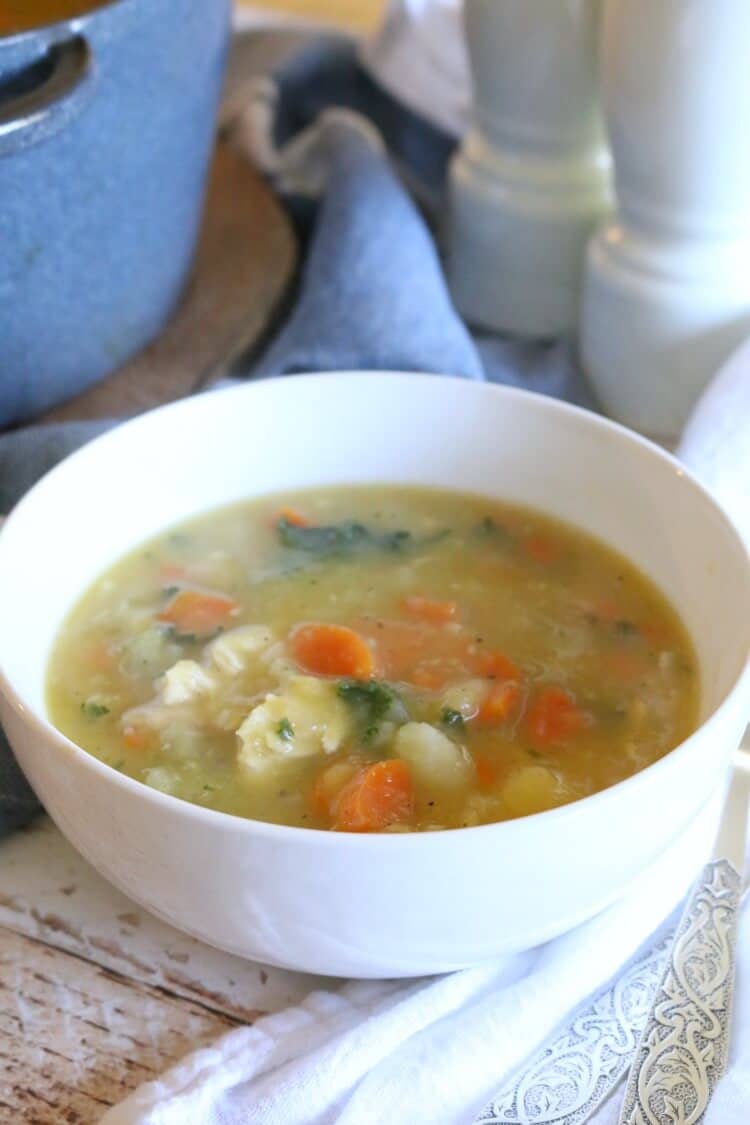
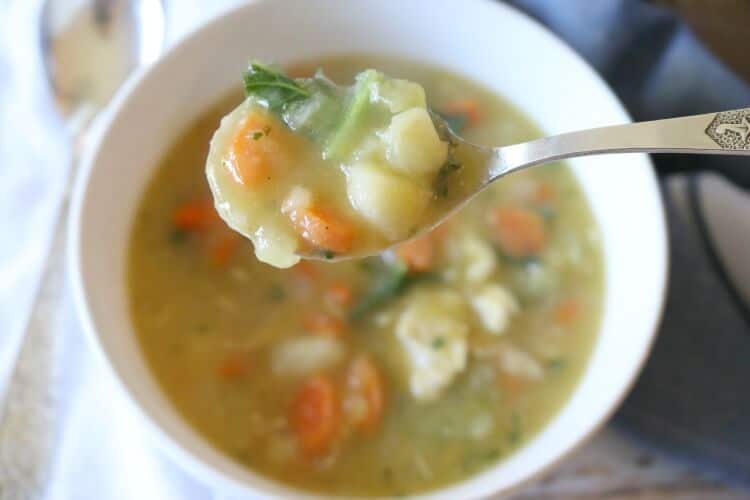
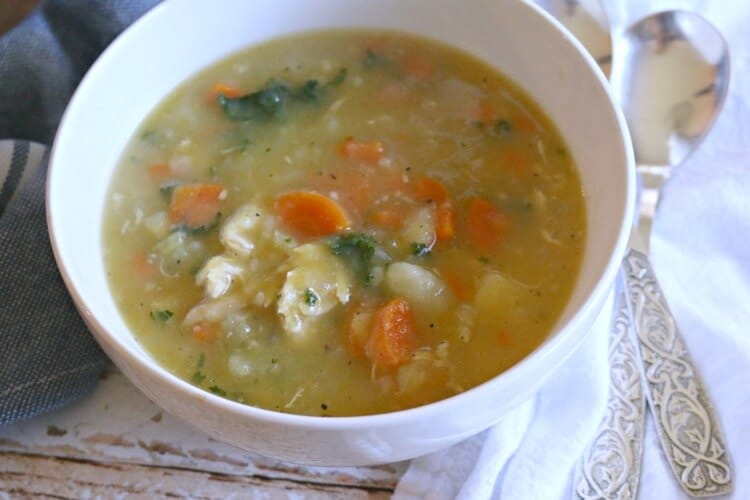
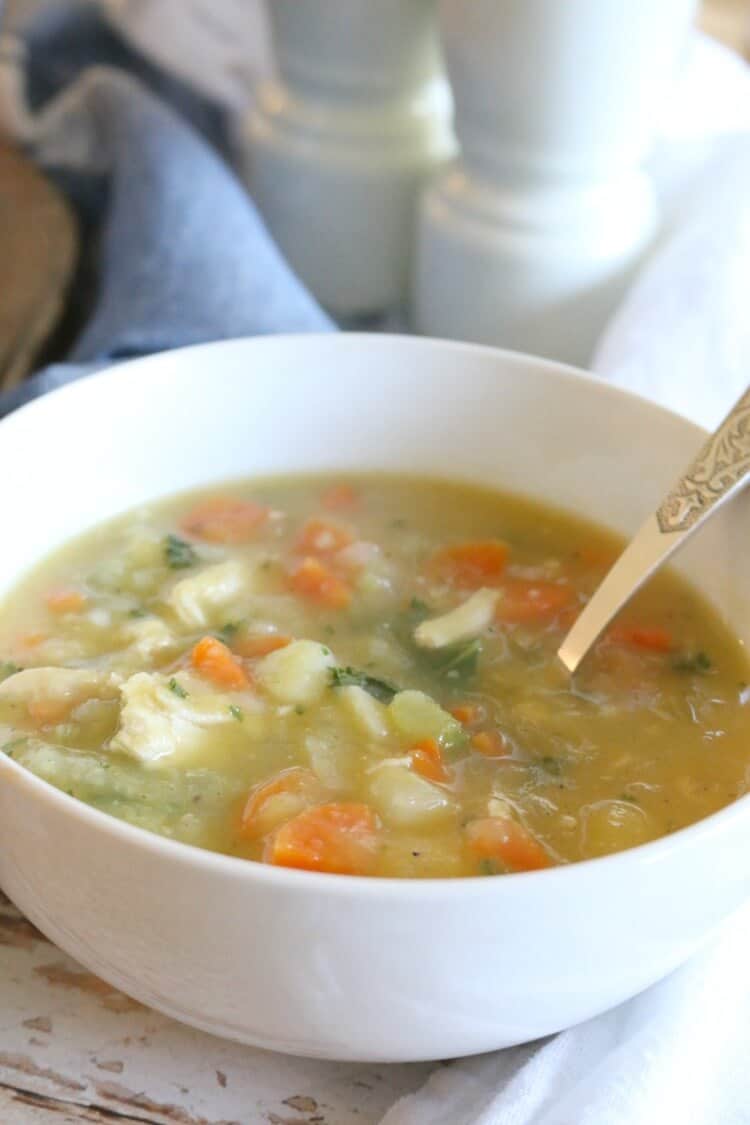
    Nourishing Pastured Chicken Stew - Lightly creamy and fully flavorful, this chicken stew boasts nutrition from bone broth, hearty veggies and squash puree. Gluten Free & Whole 30

    Lightly creamy and fully flavorful, this chicken stew boasts nutrition from bone broth, hearty veggies and squash puree.

    Nourishing Pastured Chicken Stew - Lightly creamy and fully flavorful, this chicken stew boasts nutrition from bone broth, hearty veggies and squash puree. Gluten Free & Whole 30

    Having grown up in a Slavic home, the idea of spreading liver pate on sour rye bread was totally normal and at any given time, you could find kegs upon kegs of sauerkraut in the cellar. Broth was a healing staple and every family had some type of soup, daily.  For most, it was simply a matter of what was financially feasible to them at the moment and being a low-cost meal, soup was an ideal choice.

    It wasn't until we moved to the states that traditional foods were replaced with industrial conveniences.  My mom learned to use the microwave, made pancakes using Bisquick, and swapped bouillon cubes for bone broth.  In her defense, she did what she knew was best for us at that moment.  She had three small children, a growing pregnant belly, and was immersed into a completely new world, new culture and new language.  She was taking more than full credits at a local college to learn the new language and transfer her engineering degree to US equivalent.  It was simply a matter of convenience survival for our family.

    Nourishing Pastured Chicken Stew - Lightly creamy and fully flavorful, this chicken stew boasts nutrition from bone broth, hearty veggies and squash puree. Gluten Free & Whole 30

    {This post contains affiliate links.  The cost is the same for you.}

    But those times are behind us.  And if you're new to the idea of traditional foods, it is never too late to start.

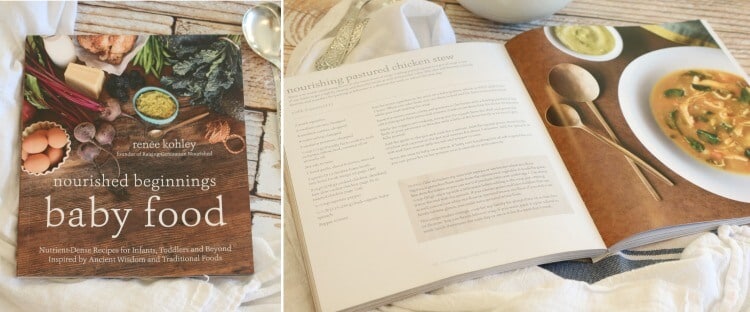
    I recently received Renee Kohley's (founder of Raising Generation Nourished) new cookbook  Nourished Beginnings Baby Food: Nutrient-Dense Recipes for Infants, Toddlers, and Beyond Inspired by Ancient Wisdom and Traditional Foods.  As I reviewed the book, I realized this cookbook wasn't just complete with wonderfully nourishing recipes.  It also served as a resource for new parents and parents new to traditional foods.

    Nourishing Pastured Chicken Stew - Lightly creamy and fully flavorful, this chicken stew boasts nutrition from bone broth, hearty veggies and squash puree. Gluten Free & Whole 30

    Nourished Beginnings Baby Food is based on the traditional dietary recommendations that include healing foods such as fermented veggies, mineral rich bone broth, and healthy fats.  Some of the recipes, you may be familiar with, others may be new to you, but they are all meals created to nourish your family, at whatever stage that is.  Speaking of which, even though the title contains baby, it is by no means limited to the littles only.  My teen boys thoroughly enjoyed this chicken stew (scroll down for recipe) and I look forward to making Nourishing Raw Cocoa Avocado Pudding (page 172).

    Renee's conversational and personal tone speaks of her own desire to nourish her children and shares that passion with others.  She shares tips and tricks to feed hungry mouths faster, easier, cheaper but most importantly nutritiously.  Her desire is to help you start your baby on a nutrient-dense journey by preparing their first foods from scratch with healthy whole-food ingredients.

    Nourishing Pastured Chicken Stew - Lightly creamy and fully flavorful, this chicken stew boasts nutrition from bone broth, hearty veggies and squash puree. Gluten Free & Whole 30

    A Note from Renee

    "I want to bring this to your home.  You will create broad taste palates in your little ones so that they don't bat an eye at being served a plate of meat and vegetables, and light up at their favorite meal.  You can make meal time a delight instead of a chore.  And most importantly, you will be nourishing your family.  We have a generation of children who have full plates but their bodies are literally starving for nutrients of real food that will make their bodies function right.  You can raise a different generation, one that knows where its food comes from, and how it affects the body, one that has healed guts, functioning minds and solid health."

    Nourishing Pastured Chicken Stew - Lightly creamy and fully flavorful, this chicken stew boasts nutrition from bone broth, hearty veggies and squash puree. Gluten Free & Whole 30

    An Overview

    Nourished Beginnings Baby Food has 4 main parts.

    Part 1: Simple Starts for Baby - vegetable purees, meat & fish purees, fruit purees, drinks, simple soups for babies, toddlers and the whole family.

    Part 2: Nourishing Meal Ideas for the Whole Family & Babies Over 6-9 Months - breakfast, lunch & dinner as well as mineral-rich side dishes

    Part 3: Transitioning into Toddlerhood - family breakfasts, lunches & dinners as well as occasional treats

    Part 4: Traditional Staples - such as how to make nourishing slow cooker bone broth, coconut butter, a list of "friendly" fats to use in food prep and cooking, among other helps.

    My Favorites

    Cauliflower with Butter & Sea Salt 
    Soft-Boiled Pastured Egg Yolk with Grated Liver & Sea Salt 
    Buttered Bone Broth 
    Squash Medley Soup 
    Chicken "Zoodle" Soup
    Simple & Quick Pan-Seared Salmon with Homemade Tartar Sauce
    Garlic Buttered "Zoodles" 
    Nutrient-Dense Soaked Oatmeal with Fruit 
    Asian Stir-Fry with Rice 
    Vanilla Bean Ice Cream with Berry Sauce Topping

    As you can see, so much nutrition is found on the pages of Nourished Beginnings Baby Food.  Regardless of where you are in your food journey, start today.  Whether you grew up on traditional foods, then swayed towards conventional foods like I was or if your idea of broth has always been from cans or cubes, make small changes today to improve the health of you and your family.

    In order for you to get a better feel for the book, Renee has generously granted permission to share this recipe with you, my dear readers.  I hope you're nourished by it as much as we were. 

    Nourishing Pastured Chicken Stew - Lightly creamy and fully flavorful, this chicken stew boasts nutrition from bone broth, hearty veggies and squash puree. Gluten Free & Whole 30

    Nourishing Pastured Chicken Stew

    Printable Recipe

    Nourishing Pastured Chicken Stew - Lightly creamy and fully flavorful, this chicken stew boasts nutrition from bone broth, hearty veggies and squash puree. Gluten Free & Whole 30
    Print Recipe
    3.40 from 10 votes

    Nourishing Pastured Chicken Stew

    Prep Time1 hour hr
    Cook Time40 minutes mins
    Total Time1 hour hr 40 minutes mins
    Servings: 6
    Author: Anya @ Prepare & Nourish

    Ingredients

    • 2 acorn squashes*
    • 2 medium onions , chopped
    • 4 medium carrots , chopped
    • 4 stalks celery , chopped
    • 2 medium potatoes , chopped
    • ⅓ cup healthy fat (butter, tallow, lard, coconut oil)
    • sea salt to taste (my pick)
    • 1 head garlic , about 8 cloves, minced
    • 2 quarts chicken bone broth (make your own HERE)
    • 2 cups cooked chicken , shredded
    • ⅛ -¼ teaspoon cayenne pepper (my pick)
    • ¼ - ½ lb fresh organic baby spinach**
    • pepper to taste

    Instructions

    • Put the acorn squashes in the oven on a baking sheet, whole, at 425 F degrees for 1 hour. When you take them out, cut them in half and let them cool to the touch while you start making the soup.
    • Saute the onion, carrot, celery and potatoes in the butter with a few big pinches of sea salt to bring out their juices and sweeten. Cook on medium heat for about 10 minutes.
    • While the veggies are cooking, scoop out the squash from the shell and puree the flesh in your processor of blender with a little of the bone broth to be sure it gets fully pureed.
    • Add the garlic to the pot and cook for a minute. Add the squash puree, bone broth, chicken and cayenne to the pot and simmer for about 5 minutes. Add the spinach to wilt and then season with sea salt and pepper to taste.
    • Serve the stew to baby on a spoon. If baby isn't handling bits of soft vegetables yet, you can puree his or her portion so it is smooth or semi-smooth.

    Notes

    Renee's Notes:
    I like to thicken my stew with tapioca or sometimes white rice flour. Tapioca is grain-free flour made from the cassava root vegetable. It is safe for grain free diets for babies so you can use it if you have little ones under age 1. Use about ¼ cup - stir it with a little water before adding to the soup pot, stirring it in the end with the spinach. If you tolerate grains and have toddlers that can as well, you can use white rice flour or sprouted brown rice flour. If you and your family tolerate gluten, you could use a sprouted wheat flour.
    This recipe makes enough soup for my family for about three or so lunches or dinners. You can freeze leftover soup if you want, pack it up in school or work lunch thermoses the next day or serve it for the next day's meal.

    Anya's Notes:
    * I cooked acorn squash in my Instant Pot on manual 3 minutes with NPR 15 minutes.
    ** I used kale instead of spinach since I had that on hand.
    ***I did not add any flour as I found the soup to be thick enough with the squash puree.

    Nourishing Pastured Chicken Stew - Lightly creamy and fully flavorful, this chicken stew boasts nutrition from bone broth, hearty veggies and squash puree. Gluten Free & Whole 30

    Paleo Snickerdoodles (Gluten Free) VIDEO

    Paleo Snickerdoodles - these gluten free cookies have 6 simple ingredients. Crispy on the outside and chewy on the inside. #paleo #cookies

    With six simple ingredients, you can make a batch of these gluten-free snickerdoodles that are perfectly chewy on the inside and crispy on the outside. 

    Paleo Snickerdoodles - these gluten free cookies have 6 simple ingredients. Crispy on the outside and chewy on the inside. #paleo #cookies

    Snickerdoodles have always been one of my cookies. I love how subtly sweet they are but not too sweet like sugar cookies. And the simplicity of snickerdoodles (hello,...6 ingredients only!) always wins me over.

    These Paleo Snickerdoodles call for only 6 main ingredients. I added a bit of starch to create that chewy factor and these are perfectly crispy on the outside and soft on the inside.

    Paleo Snickerdoodles - these gluten free cookies have 6 simple ingredients. Crispy on the outside and chewy on the inside. #paleo #cookies

    Can I make these snickerdoodles dairy free?

    This recipe calls for butter to make that rich, buttery flavor that we all love in snickerdoodles cookies. If you wish to make these dairy free, use ghee or coconut oil in place of butter. Using ghee will probably give you a richer cookie versus coconut oil would make these a little harder.

    How can I hide the coconut flavor in cookies?

    That's a fair question because traditional snickerdoodles don't typically call for coconut oil. For recipes where you don't want your coconut oil to shine, be sure to use Expeller Pressed Refined Coconut Oil.  It's a little more pricier than the regular coconut oil so I would only use it in recipes where it's needed. Refined coconut oil has a neutral aroma and won't compete with the cinnamon and coconut sugar in these paleo snickerdoodles.

    Paleo Snickerdoodles - these gluten free cookies have 6 simple ingredients. Crispy on the outside and chewy on the inside. #paleo #cookies

    What is your favorite way to enjoy cookies?

    Are you a dunk-your-cookie-in-milk type of person or do you prefer to eat your cookies with a mug of cleansing herbal coffee, low carb pumpkin spice latte or other warm beverage?

    Printable Recipe

    Paleo Snickerdoodles - these gluten free cookies have 6 simple ingredients. Crispy on the outside and chewy on the inside. #paleo #cookies
    Print Recipe
    5 from 10 votes

    Paleo Snickerdoodles (Gluten Free)

    These gluten free cookies have 6 simple ingredients. Crispy on the outside and chewy on the inside. 
    Prep Time15 minutes mins
    Cook Time8 minutes mins
    Total Time23 minutes mins
    Course: Dessert
    Cuisine: American
    Servings: 18
    Calories: 101kcal
    Author: Anya @ Prepare & Nourish

    Ingredients

    • ¼ cup butter OR coconut oil softened
    • ½ cup coconut sugar
    • 1 large egg
    • 1 ½ cup almond flour
    • 2 tablespoons gluten-free starch (arrowroot or tapioca flour)
    • 1 teaspoon cinnamon
    • ½ teaspoon baking soda
    • ¼ teaspoon real salt

    For rolling:

    • 2 tablespoons coconut sugar
    • 1 teaspoon cinnamon

    Instructions

    • Preheat oven to 350 F degrees.
    • Cream butter/coconut oil and sugar together. Add egg and beat to combine.
    • In a medium bowl, combine all dry ingredients.
    • Add the mixed dry ingredients to the wet ingredients and mix well. 
    • In a small ramekin, combine coconut sugar and cinnamon together.
    • Roll dough into equal sized balls about an inch in diameter. Roll the balls in cinnamon sugar making sure to completely fully coat the doughball.
    • Place the balls on cookie sheet. Flatten each cookie to about ½ inch thickness with a flat measuring cup or mason jar.
    • Bake at 350 F degrees for 8-10 minutes or until golden. You still want them to be soft, so don't overbake!
    • Let cool on the sheet for 2-3 minutes before transfering to wire cooling rack.  

    Notes

    | Nutritional Information Disclaimer | 

    Nutrition

    Calories: 101kcal | Carbohydrates: 8g | Protein: 2g | Fat: 7g | Saturated Fat: 2g | Cholesterol: 15mg | Sodium: 100mg | Potassium: 3mg | Fiber: 1g | Sugar: 4g | Vitamin A: 90IU | Calcium: 24mg | Iron: 0.4mg

    If you liked the recipe above, please consider rating the recipe and leaving a comment below. Also, be sure to follow me on Facebook, Instagram, and Pinterest.

    >>> Pin This <<<

    Paleo Snickerdoodles - these gluten free cookies have 6 simple ingredients. Crispy on the outside and chewy on the inside. #paleo #cookies

    Paleo Snickerdoodles - these gluten free cookies have 6 simple ingredients. Crispy on the outside and chewy on the inside. #paleo #cookies

    More Recipes You Might Like

    4 Ingredient Paleo Crêpes - Easily made with 4 common ingredients found in most kitchens. They're enjoyed sweet or savory with your favorite fixings. Grain free, Dairy Free, Gluten Free

    4 Ingredient Paleo Crepes

    Lemon Poppy Seed Bundt Cake with Lemon Glaze - GAPS and Paleo friendly. Click to get the easy recipe.

     Lemon Poppyseed Bundt Cake with Lemon Glaze

    Alternative Natural Sweeteners - Ditch the refined sugars and go for the mineral-rich sweeteners. Find out what they are!

    Alternative Natural Sweeteners

    Creamy Butternut Squash Gratin with Caramelized Onions

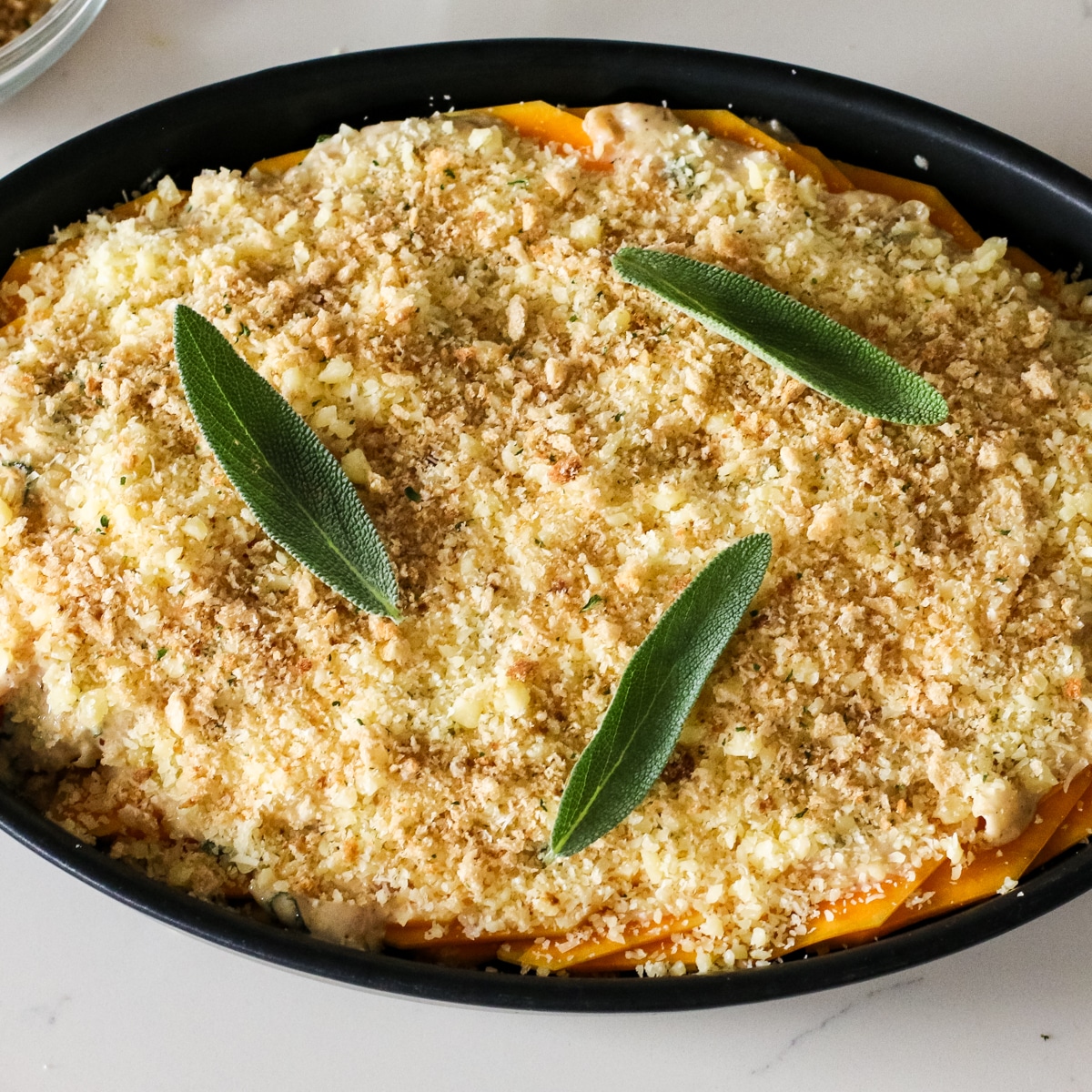
    butternut squash gratin in a baking dish on a kitchen towel.

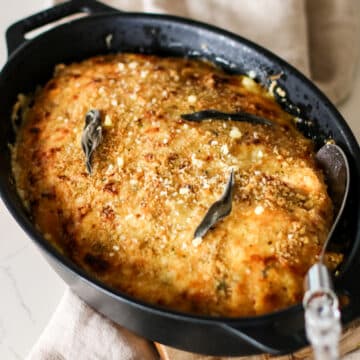
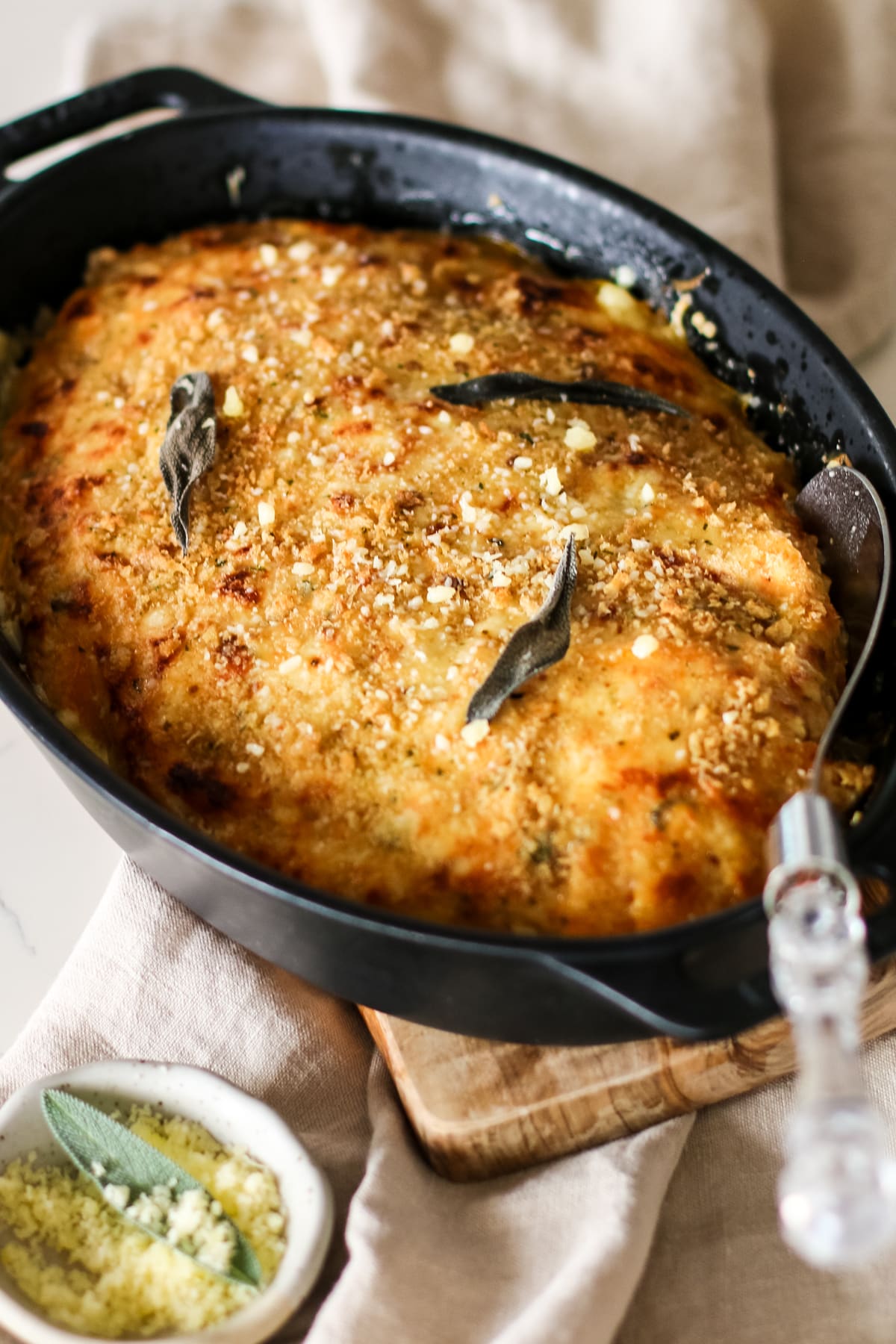
    This scalloped butternut squash gratin is made with caramelized onions, sage, garlic, and thyme in a creamy sauce, layered and topped with Parmesan cheese and breadcrumbs, then baked until golden and bubbling.

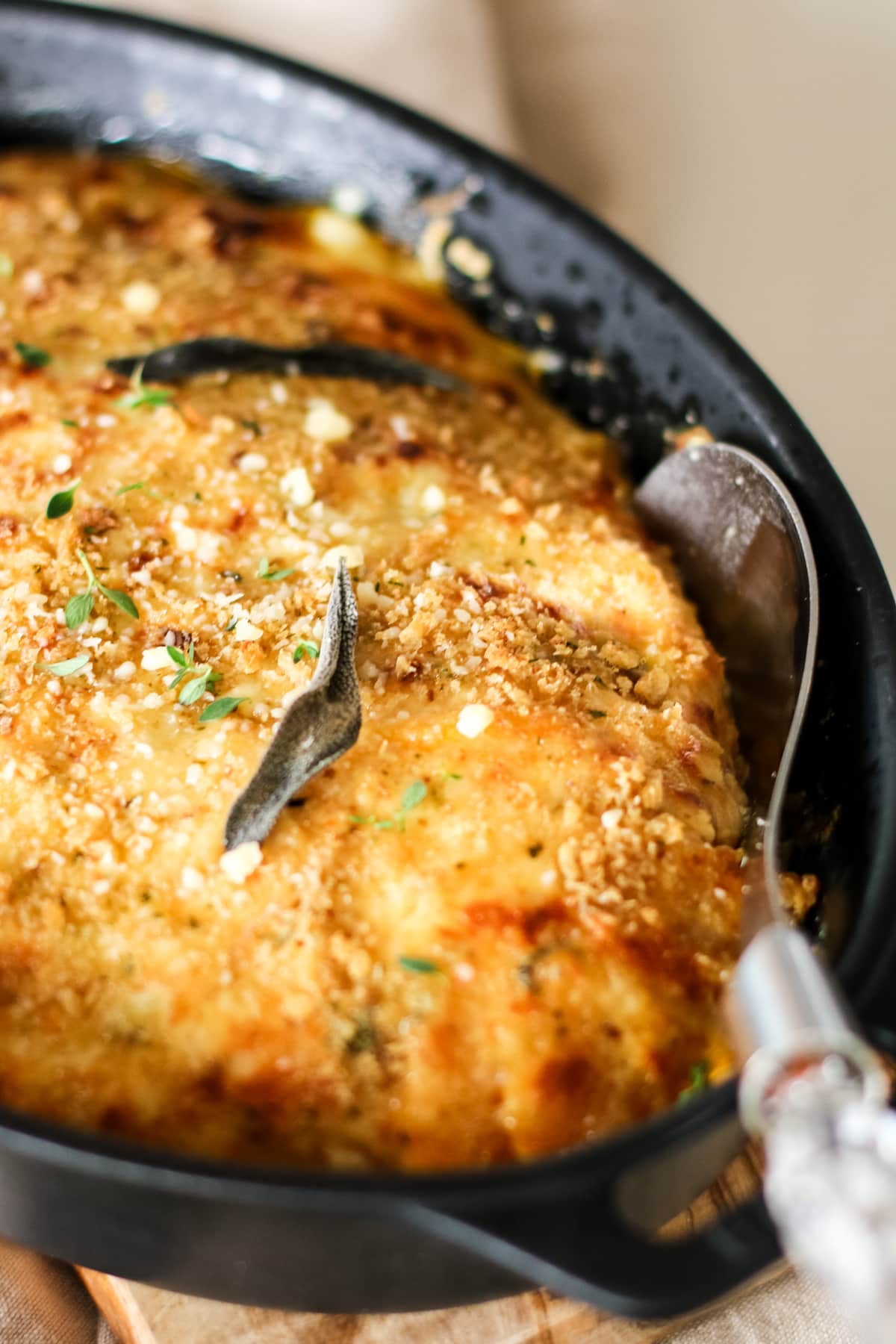
    butternut squash gratin in baking dish with a serving spoon.
    [feast_advanced_jump_to]

    💡Recipe Overview

    • Prep and Cook Time: 20 minutes to prep and 1 hour to bake
    • Cooking Method: Stove-top for cream sauce, then oven-baked
    • Dietary Info: Primal, GAPS, Ancestral diet
    • Tools Needed: Casserole dish
    • Skill Level: Moderate

    What is an ancestral diet? Read my post on what nourishing foods are based on the traditional dietary principles of the Weston A. Price Foundation.

    Reasons to Love this Butternut Squash Gratin

    I used to think butternut squash was just ...fine. Nothing to get excited about. Then I tried this gratin, and I've been hooked ever since.

    Tender, naturally sweet squash gets cozy with savory, creamy sauce that's basically begging to be devoured. It's the perfect mix of sweet and savory, rich but not heavy, and just plain delicious. And that pinch of nutmeg - chef's kiss!

    Serve it alongside roast chicken, spatchcock turkey, or slow cooker duck - either way, it disappears fast.

    One bite and you'll be rethinking everything you thought you knew about squash.

    image of Prepare and Nourish owner

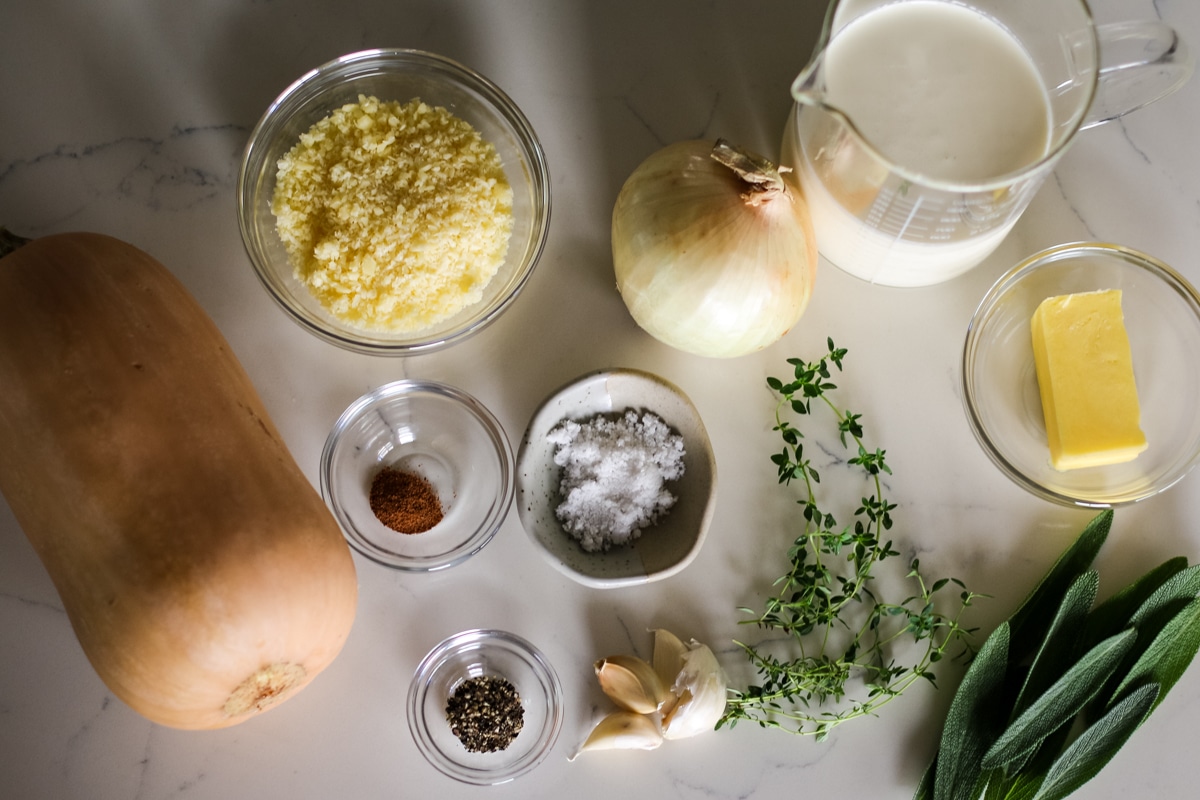
    Ingredients for Butternut Squash Gratin

    ingredients for butternut squash gratin recipe on kitchen counter in dishes.
    • Butternut squash – choose a firm, heavy squash with smooth skin. Peel, seed, and slice thinly (about ⅛ inch thick) for tender, evenly cooked layers.
    • Onion – caramelized onion adds natural sweetness and rich flavor depth.
    • Garlic – freshly minced garlic gives a savory, aromatic boost.
    • Butter – adds richness and helps caramelize the onions for a deeper, buttery flavor.
    • Fresh herbs – sage and thyme bring a warm, earthy flavor that pairs beautifully with squash. You can use dried but fresh herbs are abundant this time of year and it truly does make a difference in this gratin.
    • Heavy cream – makes a smooth, velvety sauce that binds the layers together.
    • Parmesan cheese – adds a salty, nutty flavor and helps form a golden, crisp topping.
    • Breadcrumbs – provide a light crunch on top; use gluten-free or omit if preferred.
    • Seasoning blend – a balanced mix of sea salt, black pepper, and a pinch of nutmeg enhances the cream sauce and highlights the sweetness of the squash.
    graphic of fork and spoon connected in a plant.

    Make it Ancestral

    Use quality ingredients like fresh, locally grown butternut squash, grass-fed butter, and raw cream if accessible. Choose aged Parmesan for better digestibility and deeper flavor.

    butternut squash gratin slice on a plate with a fork infront of baking dish.

    How to Make Butternut Squash Gratin

    The complete printable recipe is below in the recipe card for your convenience. Follow these simple step-by-step instructions for the best results.

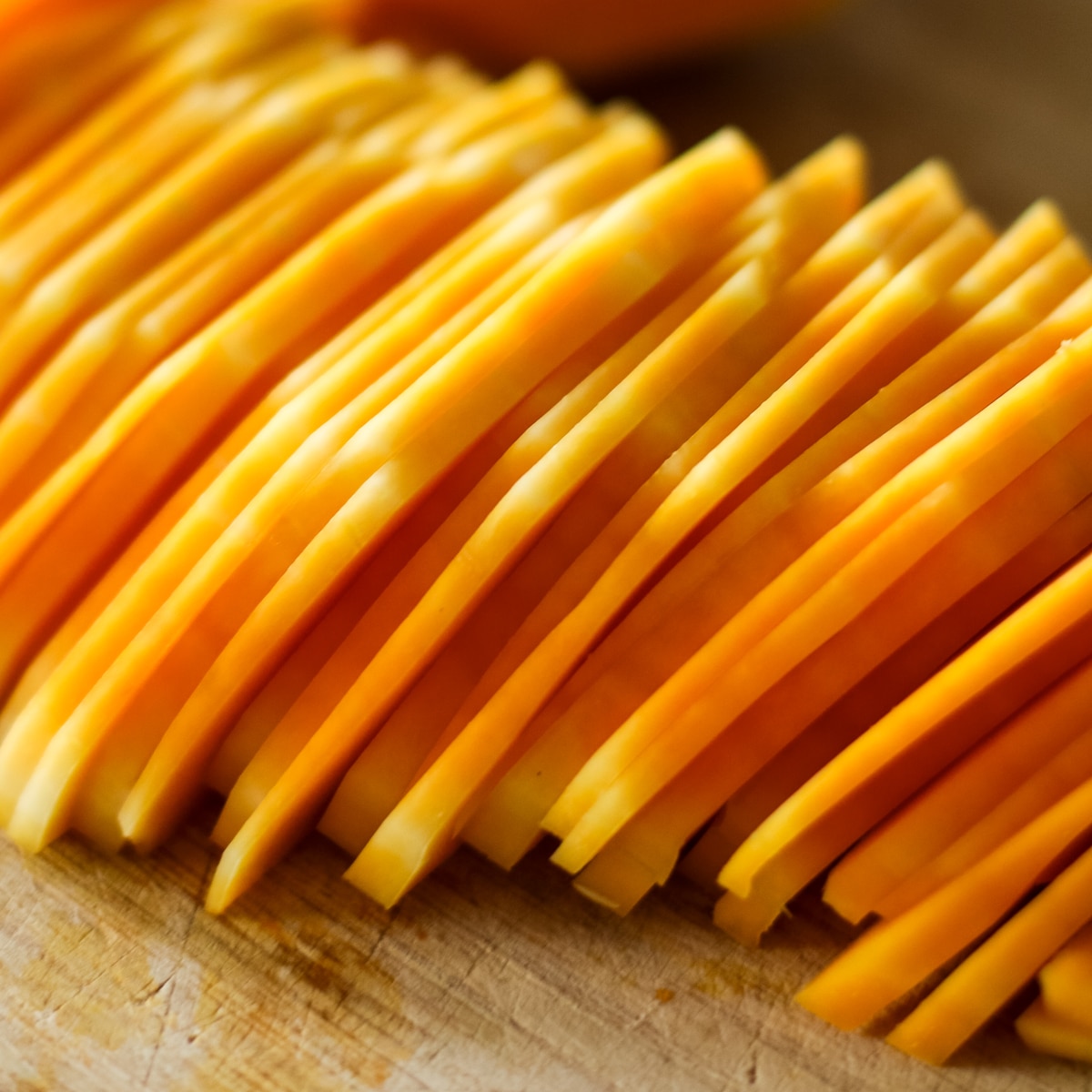
    Squash sliced on a wood cutting board.

    Step 1. Slice

    Peel butternut squash and cut lengthwise. Remove seeds and pith. Thinly slice crosswise into ⅛-inch thick circles. You can also cut into half-moons.

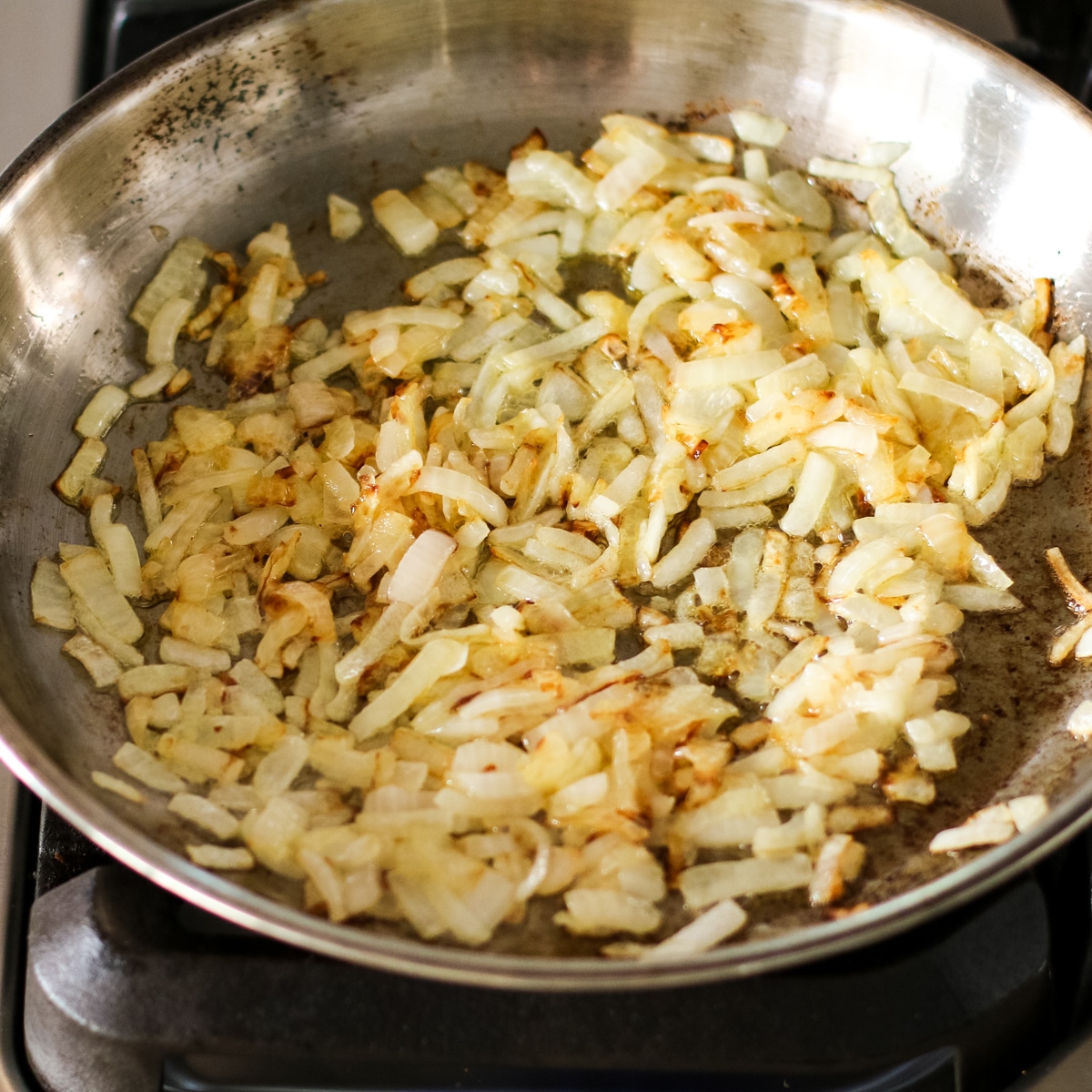
    carmalized onions cooking in a pan.

    Step 2. Saute

    Melt butter in a large skillet over medium heat. Add sliced onions and season with salt to release juices. Cook until onions are caramelized (approximately 25 minutes), stirring occasionally.

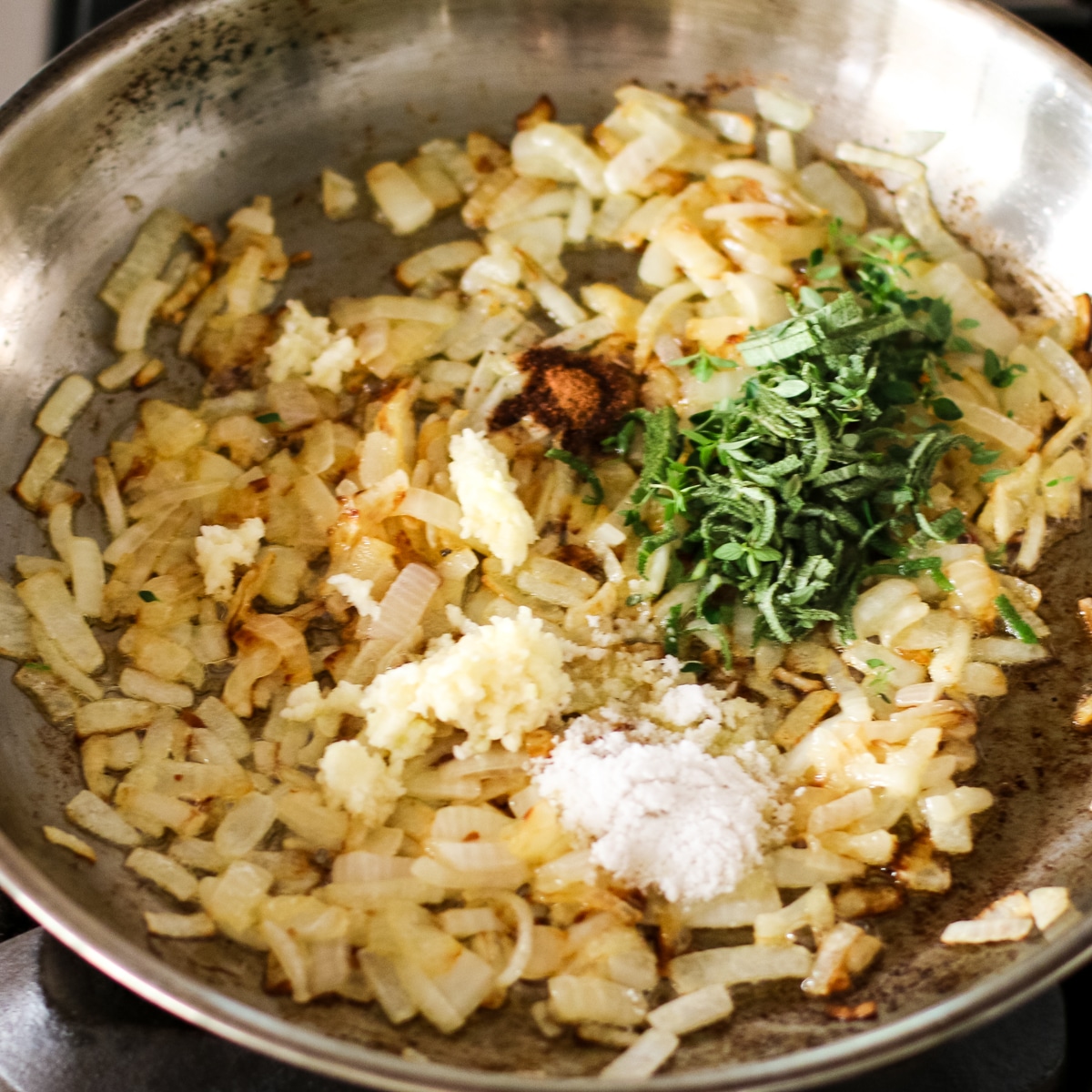
    carmalized onions cooking in pan with added ingredients.

    Step 3. Add

    Add garlic, sage leaves, thyme, and season with salt, pepper, and nutmeg and cook just until fragrant.

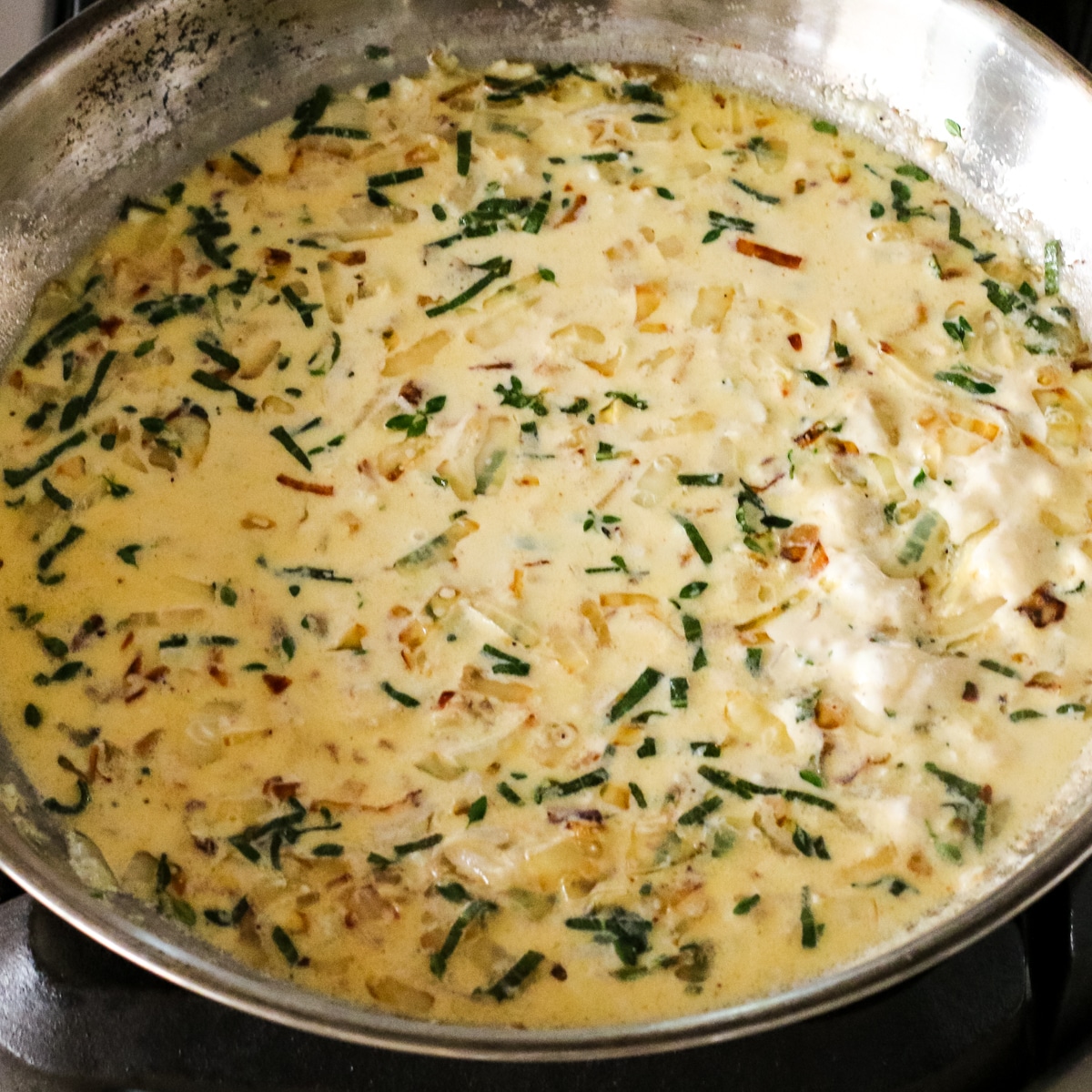
    creamy carmalized onion sauce cooking in a pan.

    Step 4. Simmer

    Reduce heat to medium-low and add heavy cream. Whisk to combine everything and cook until cream sauce has thickened.

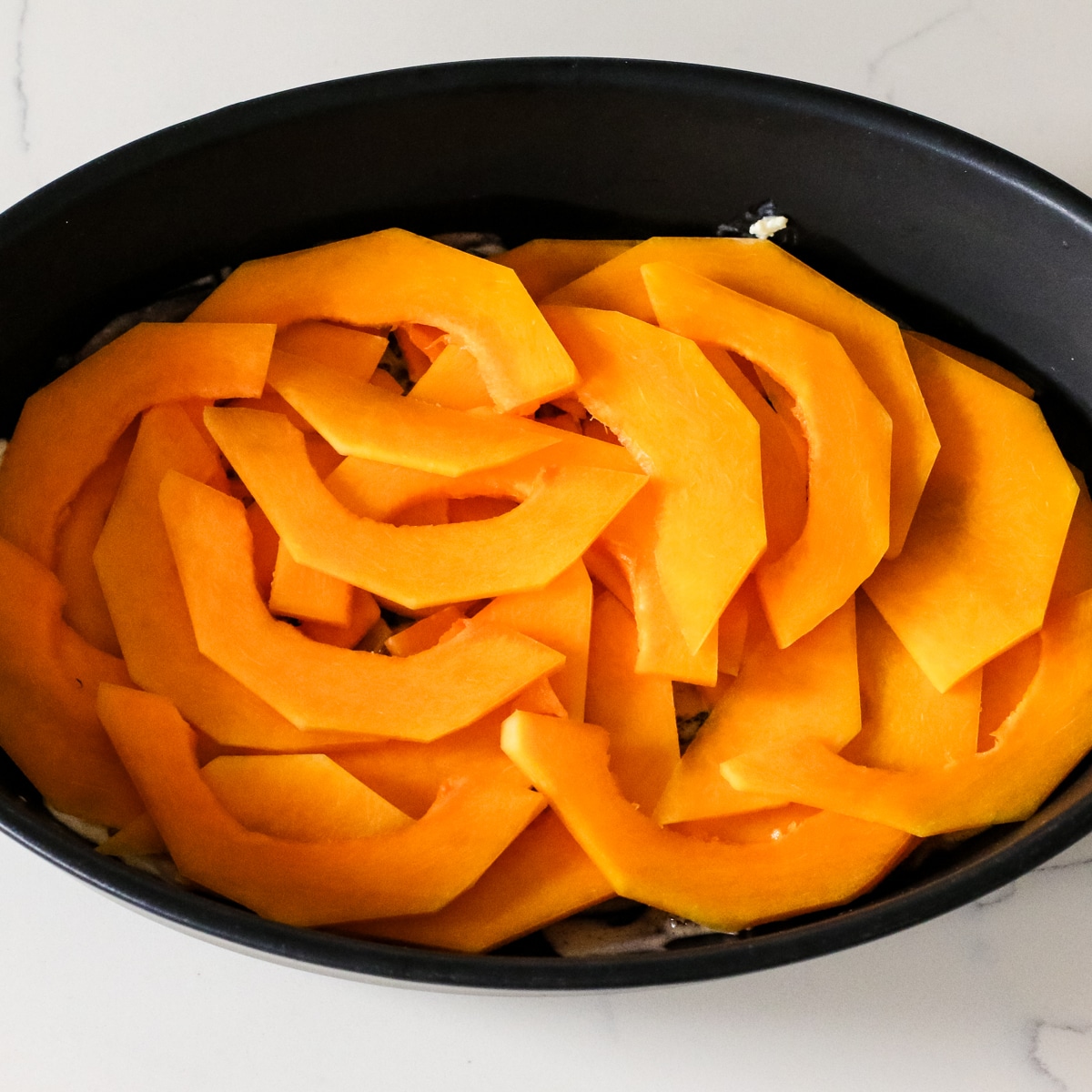
    sliced squash in a baking dish.

    Step 5. Layer

    Spoon ¼ of the onion cream mixture to the bottom of the casserole dish. Arrange odds and ends of butternut squash slices across the dish, overlapping slightly. Spoon another ¼ of the cream onion mixture. Add a second layer of the butternut squash, followed by the 3rd ¼ of the onion cream mixture.

    carmalized onion sauce covering the squash slices with bread crumbs on top, in a baking dish.

    Step 6. Bake

    Add the final layer of butternut squash, overlapping and pressing down so the top is flat all across the baking dish. Drizzle the remaining onion mixture. Spread the cream onion sauce evenly to cover the squash. Sprinkle with Parmesan cheese and breadcrumbs. Add extra sage leaves on top and bake for 40 minutes.

    Helpful Tips

    1. Caramelize onions - stir onions occasionally but don't rush them; slow cooking develops deel flavor. 
    2. Slice thin and uniform - cut the butternut squash very thinly (⅛th of an inch) and as evenly as possible so it cooks consistently and layers neatly. 
    3. Use odds and ends first - place the irregular or smaller pieces on the bottom layer and reserve the most perfect half-moons for the top layer to make the gratin look appealing. 
    4. Brown the top - broil the last few minutes of cook time to brown and crisp the tops. But avoid overcooking the gratin so the squash doesn't become mushy but still has defined layers.
    close up of butternut squash gratin in baking dish with serving spoon.

    Serving Suggestions

    I love serving this gratin at holidays as a fancy side dish but it will also work for any time of year.

    Side dish: Serve this gratin with Yukon gold mashed potatoes or garlic green beans for an extra cozy, comforting meal.

    Main dish: Pair this creamy butternut squash gratin with pork bites or rack of lamb for a hearty and satisfying dinner.

    Fresh salads: Don’t forget to round out your meal with refreshing and vibrant salads. Romaine Salad and arugula salad are great options.

    Condiments: Include probiotic-rich sides like fermented carrots or raw sauerkraut to add brightness and balance to the rich, creamy flavors.

    More butternut squash gratin pairing suggestions:
    • dumpling lasagna in a chistera saute pan.
      Real Food Meal Plan Ideas
    • Thinly sliced napa cabbage and shaved carrots tossed together in a fresh, colorful salad, served in a bowl with a light dressing.
      Quick Napa Cabbage and Carrot Salad
      Cook Time20 Minutes
    • dumpling lasagna in a chistera saute pan.
      Easy Viral Dumpling Lasagna
      Cook Time50 Minutes
    • Warm miso soup with seaweed and tofu served in a simple ceramic bowl.
      Homemade Miso Soup Recipe
      Cook Time15 Minutes
    cut slice of butternut squash gratin on a plate with a fork.

    Frequently Asked Questions

    How do I store and reheat butternut squash gratin?

    Gratin can be stored in an airtight container in the fridge for up to 4 days. Reheat in a 350°F (175°C) oven for 15-20 minutes until warmed through.

    Can I freeze butternut squash gratin?

    Yes, you can freeze it for up to 2 months; wrap tightly with plastic wrap and foil. Thaw in the refrigerator overnight and reheat in the oven, adding 5-10 extra minutes to ensure it is heated evenly.

    Can I use milk instead of heavy cream?

    Yes, but the sauce will be lighter and less rich. If you don't have heavy cream, I would use half-and-half but try to avoid using milk as the sauce will be too thin.

    Looking for more related recipes? Here are some ideas:
    • roasted butternut squash in white bowl.
      Air Fryer Roasted Butternut Squash
    • spaghetti squash in a ring with fork.
      How to Cut and Cook Spaghetti Squash for Long Strands
    • roasted zucchini on crisper tray.
      Air Fryer Squash and Zucchini
    • Instant Pot Tuscan Kale, Squash and Chicken Stew (Paleo, Whole30, Low-Carb) - Rich in nutrition from bone broth, low-carb vegetables and leftover roast chicken. This pressure cooker meal is a soothing, light yet hearty stew and makes a great 30-minute meal. #lowcarb #instantpot #leftoverchicken #30minutemeal #whole30
      Instant Pot Tuscan Kale, Squash and Chicken Soup (Paleo, Whole30, Low-Carb)
    Did you make this butternut squash gratin? Please leave a ⭐⭐⭐⭐⭐ recipe rating in the recipe card below and leave a review in the comments. Thank you!💚

    Printable Recipe

    butternut squash gratin in a baking dish on a kitchen towel.
    Print Recipe
    4.64 from 11 votes

    Creamy Butternut Squash Gratin

    This scalloped butternut squash gratin is made with caramelized onions, sage, garlic, and thyme in a creamy sauce, layered and topped with Parmesan cheese and breadcrumbs then baked until golden and bubbling.
    Prep Time20 minutes mins
    Cook Time1 hour hr
    Resting Time5 minutes mins
    Total Time1 hour hr 25 minutes mins
    Course: Side Dish
    Cuisine: American
    Keyword: butternut squash, butternut squash gratin
    Servings: 8 servings
    Calories: 242kcal
    Author: Anya @ Prepare & Nourish

    Equipment

    • vegetable peeler
    • stainless steel frying pan
    • oval stoneware casserole dish

    Ingredients

    • 1 butternut squash about 2 pounds
    • 4 tablespoons butter
    • 1 large onion sliced
    • 4 garlic cloves
    • 12 sage leaves cut into thin strips
    • 1 tablespoon fresh thyme leaves
    • 1 teaspoon sea salt
    • ½ teaspoon black pepper
    • ⅛ teaspoon nutmeg
    • 1 cup heavy cream
    • ½ cup grated Parmesan cheese
    • ¼ cup breadcrumbs

    Instructions

    • Preheat oven to 375°F. Peel 1 butternut squash and cut lengthwise. Remove seeds and pith. Thinly slice crosswise into ⅛-inch thick circles. You can also cut into half-moons.
    • Melt 4 tablespoons butter in a large skillet over medium heat. Add sliced 1 large onion sliced and season with salt to release juices. Cook until onions are caramelized (approximately 25 minutes), stirring occasionally.
    • Add 4 garlic cloves, 12 sage leaves, 1 tablespoon fresh thyme leaves, and season with 1 teaspoon sea salt, ½ teaspoon black pepper, and ⅛ teaspoon nutmeg and cook just until fragrant.
    • Reduce heat to medium-low and add 1 cup heavy cream. Whisk to combine everything and cook until cream sauce has thickened.
    • Spoon ¼ of the onion cream mixture to the bottom of the casserole dish. Arrange odds and ends of butternut squash slices across the dish, overlapping slightly. Spoon another ¼ of the cream onion mixture. Add a second layer of the butternut squash, followed by the 3rd ¼ of the onion cream mixture. Add the final layer of butternut squash, overlapping and pressing down so the top is flat all across the baking dish. Drizzle the remaining onion mixture.
    • Spread the cream onion sauce evenly to cover the squash. Sprinkle with ½ cup grated Parmesan cheese and ¼ cup breadcrumbs. Add extra sage leaves on top.
    • Cover with a piece of parchment paper then aluminum foil. Bake covered for 40 minutes on the middle rack. Remove the cover and bake for 10 more minutes to brown the tops. Remove from oven and allow to rest for 5 minutes for sauce to settle before serving.

    Video

    Notes

    Note: Recipe was originally published in 2016 but has since been modified to omit arrowroot starch as video shows. 
    Storage: Gratin can be stored in an airtight container in the fridge for up to 4 days. Reheat in a 350°F (175°C) oven for 15-20 minutes until warmed through. You can also freeze it for up to 2 months; wrap tightly with plastic wrap and foil. Thaw in the refrigerator overnight and reheat in the oven, adding 5-10 extra minutes to ensure it is heated evenly.
    Helpful Tips: 
    1. Caramelize onions - stir onions occasionally but don't rush them; slow cooking develops deel flavor. 
    2. Slice thin and uniform - cut the butternut squash very thinly (⅛th of an inch) and as evenly as possible so it cooks consistently and layers neatly. 
    3. Use odds and ends first - place the irregular or smaller pieces on the bottom layer and reserve the most perfect half-moons for the top layer to make the gratin look appealing. 
    4. Brown the top - broil the last few minutes of cook time to brown and crisp the tops

    Nutrition

    Calories: 242kcal | Carbohydrates: 17g | Protein: 4g | Fat: 18g | Saturated Fat: 11g | Polyunsaturated Fat: 1g | Monounsaturated Fat: 5g | Trans Fat: 0.2g | Cholesterol: 54mg | Sodium: 482mg | Potassium: 412mg | Fiber: 2g | Sugar: 4g | Vitamin A: 10675IU | Vitamin C: 23mg | Calcium: 138mg | Iron: 1mg

    Easy Homemade Tomato Juice Recipe

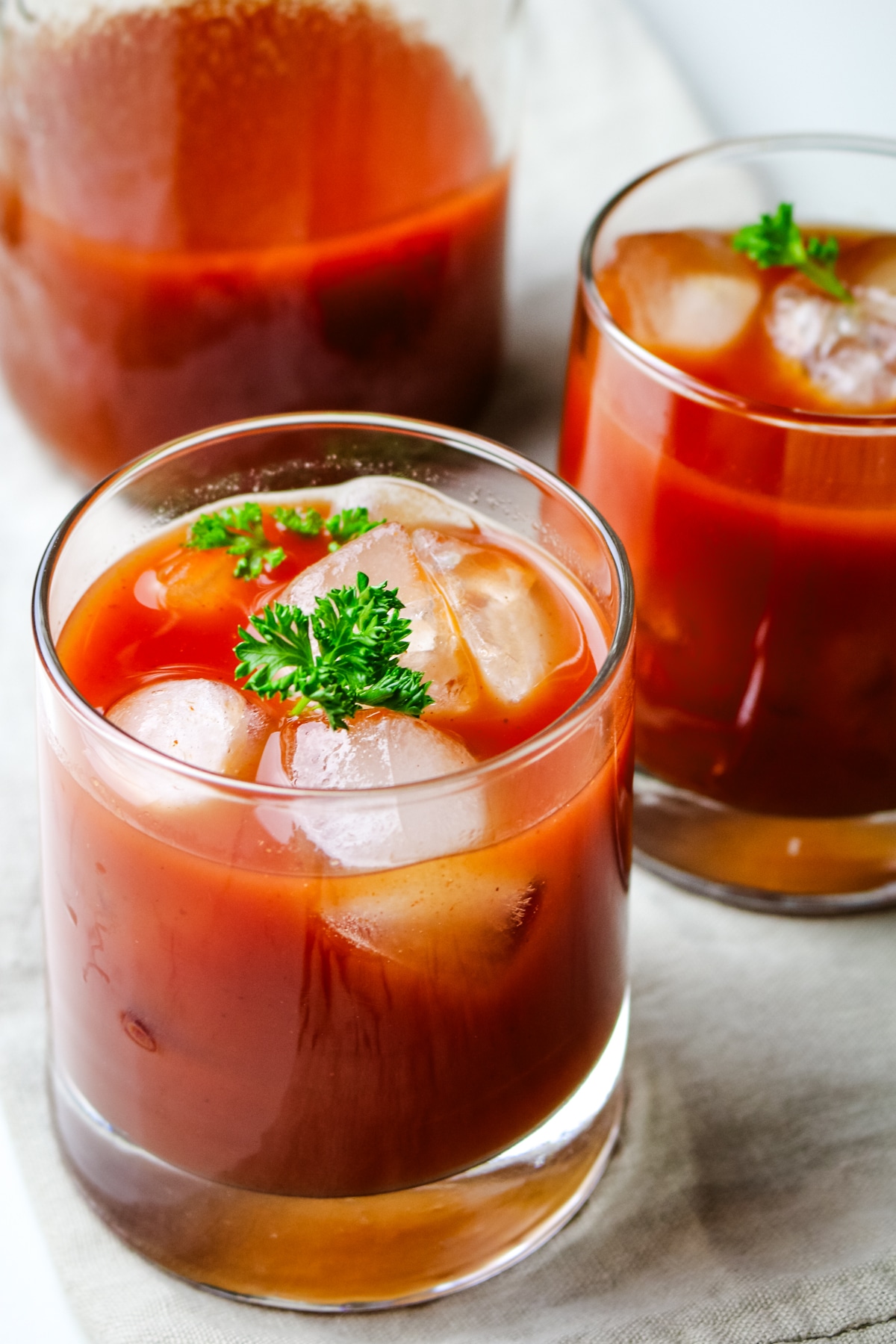
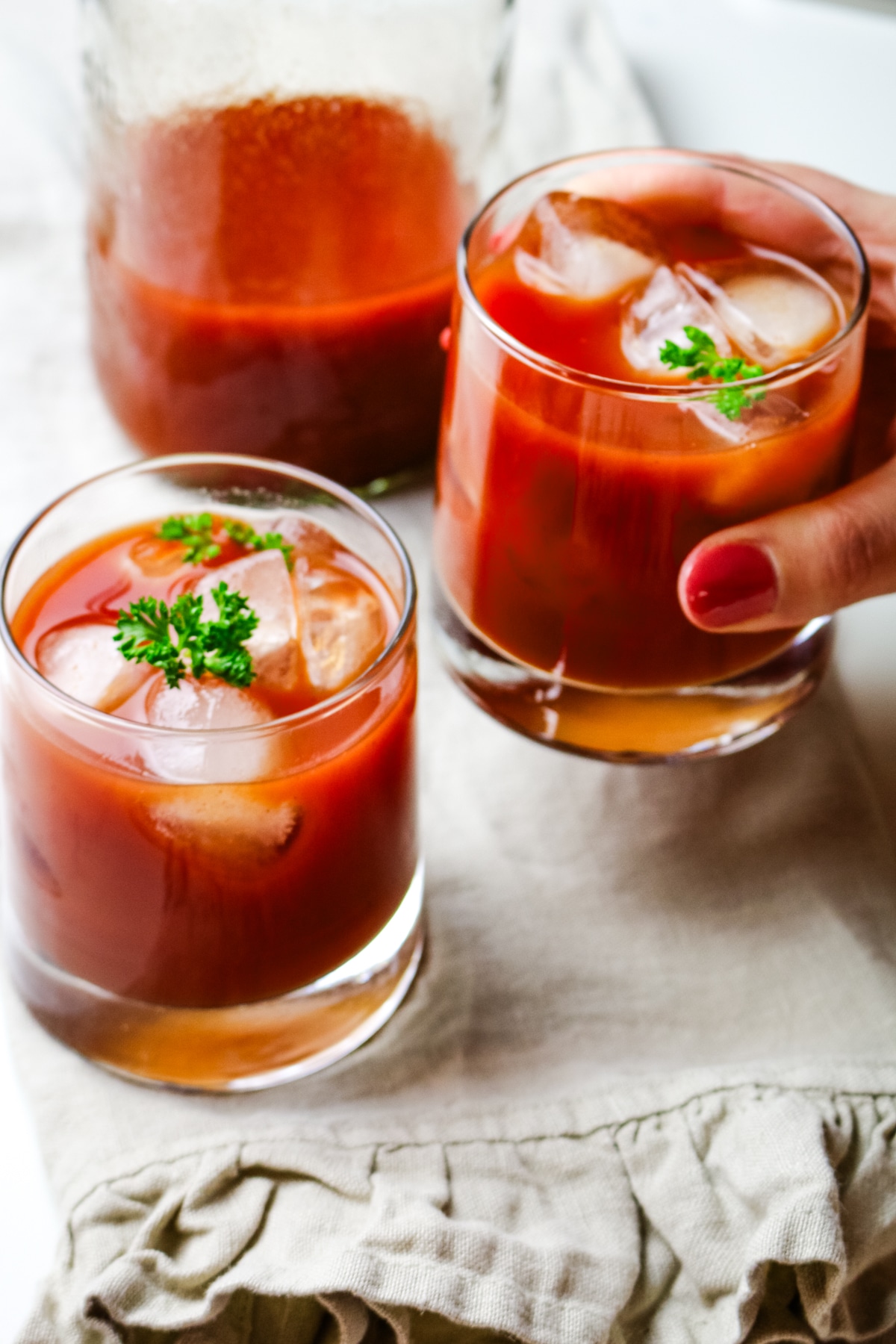
    tomato juice in a small glass with ice cubes and parsley sprig.

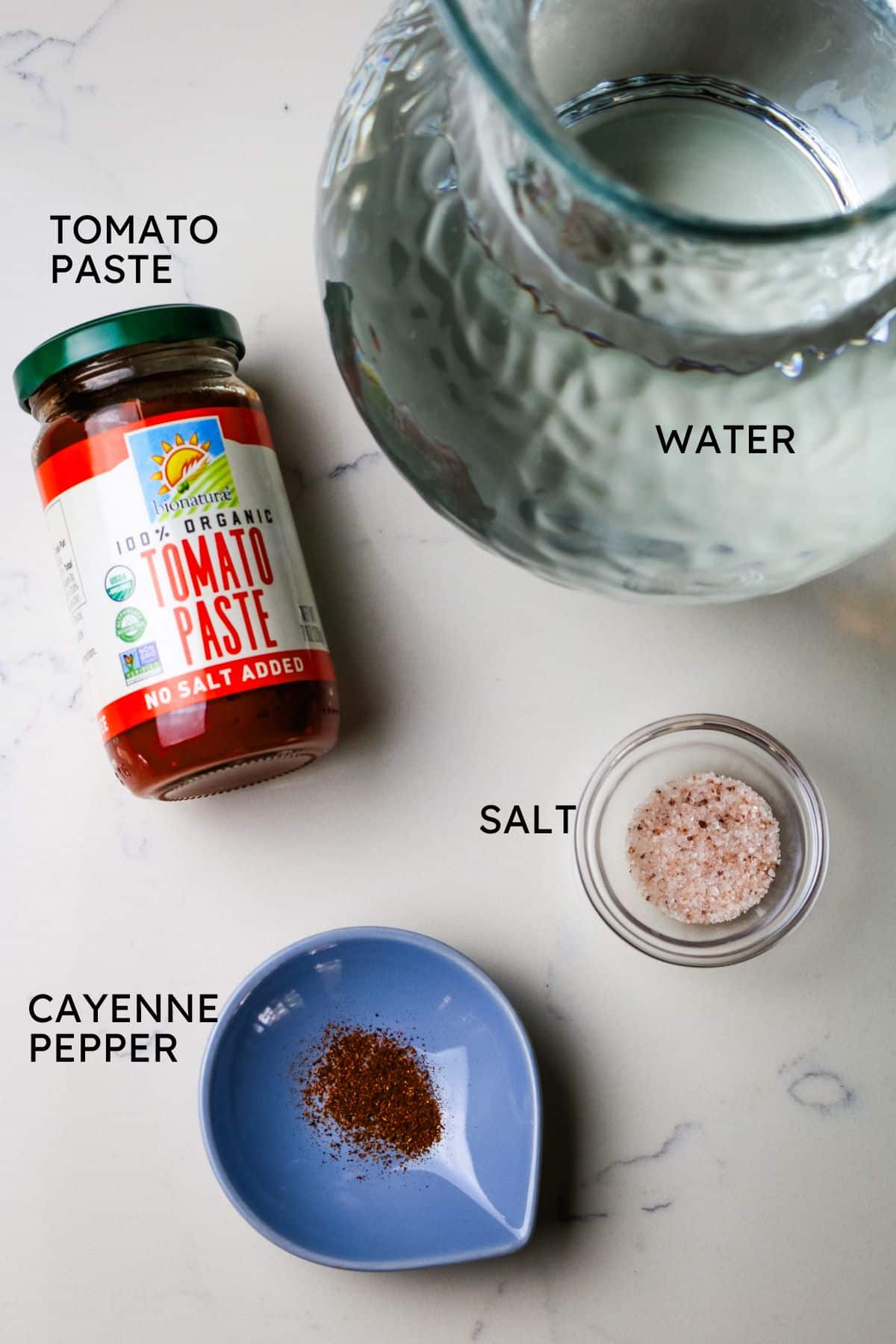
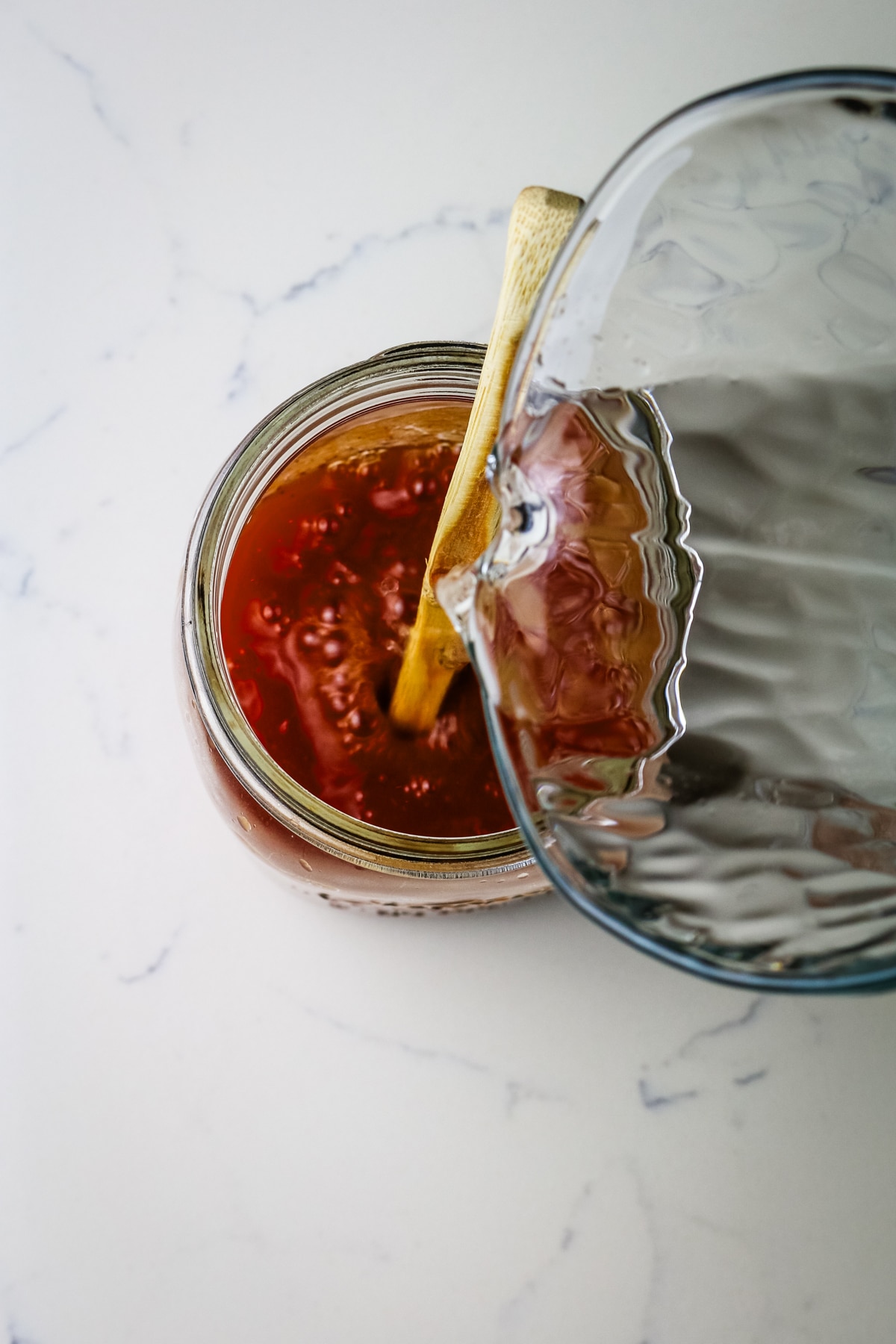
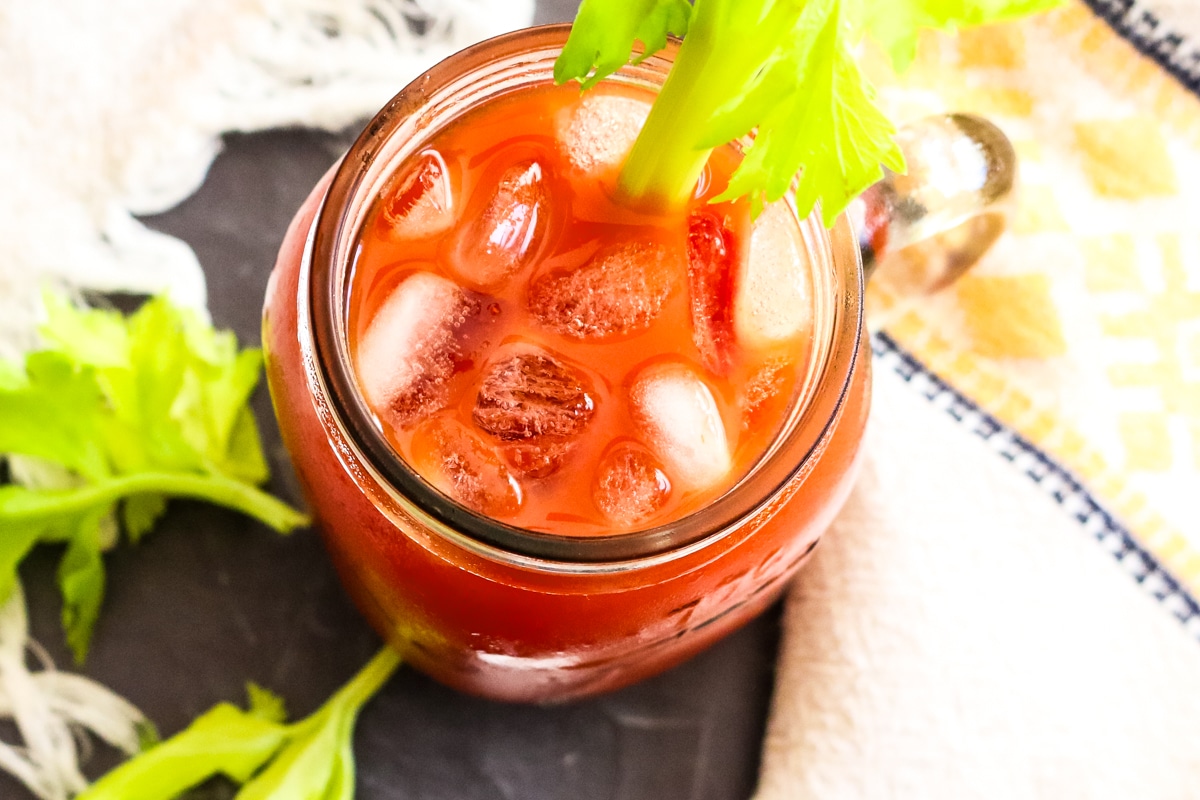
    Learn how to make tomato juice from tomato paste or tomato sauce quickly. It's an incredibly easy recipe that comes together in less than 5 minutes with 2 simple ingredients. Add a splash of healthy fats like MCT oil or olive oil for better nutrient absorption. This nourishing tomato juice recipe will satisfy your salt cravings and become your go-to refreshingly healthy drink.

    tomato juice in a two glasses with a mason jar with tomato juice in the background.

    There are so many different methods to making homemade tomato juice but this is probably the most quickest, easiest, and convenient! Sure, if you have a bounty of fresh tomatoes, you can peel them, blend them, and boil them down to make tomato juice but when I'm craving a nourishing, salty, and cold drink with a hint of spice - I go to this substitute for tomato juice.

    Looking for more healthy drinks? 
    Check out honey citrus mint tea, herbal coffee, and honey lemonade.  
    [feast_advanced_jump_to]

    Recipe Overview

    • Prep Time: 5 minutes to prep
    • Cooking Method: No-cook
    • Dietary Info: GAPS, Low-Carb-ish, Paleo, Ancestral diet
    • Tools Needed: quart-size jar with lid for storage
    • Skill Level: Super easy

    What is an ancestral diet? Read my post on what nourishing foods are based on the traditional dietary principles of the Weston A. Price Foundation.

    Reasons to Love this Recipe for Tomato Juice

    • Super easy recipe: There is no need to juice fresh tomatoes, and you're using pantry staples that you likely already have on hand.
    • Optimize nutrient absorption: The splash of a healthy oil makes the carotenoids in the tomato juice more bio-available and easily absorbable.
    • Avoid food waste: This is a great recipe when you're wondering what to do with leftover tomato paste after you use a few tablespoons for an Instant Pot lamb curry or Shepherd's pie.
    • Make ahead friendly: Make a big batch and store it in the fridge for up to 2 weeks.
    • Nourishing drink: Salty drinks like this tomato juice recipe is nourishing for the adrenals and is rich in minerals. Cooked tomatoes, found in tomato sauce and paste are also generally easier on the gut than in raw form.

    Ingredients for Tomato Juice

    Learn how to make tomato juice from tomato paste with 2 simple ingredients. See the recipe card for exact quantities.

    ingredients layed out on a white countertop with labels.
    • Tomato paste: Any brand of tomato paste will work, but I prefer jarred tomato paste. This Bionaturae tomato paste is my favorite brand - it's in small jars and has no added salt or sugar. But you can also find jarred tomato paste in local European and Middle Eastern stores. Just be sure to check the ingredients to make sure they don't have added salt or sugar.
    • Unrefined salt: Any unrefined sea salt with a high mineral content will work.
    • Cayenne pepper: For an optional touch of heat.
    • Healthy oil: A splash of extra virgin olive oil or MCT oil will help with nutrient absorption. This is optional.

    Canned or Jarred Tomato Paste

    One of the most important things that I am slowly transitioning to is purchasing tomato products in jars rather than cans. It's not easy because the frugal part of me tries to convince me that I'm grossly overpaying but the crunchy side of me insists that we're swimming in BPA particles.

    In short, do what you feel is best for your family with this in mind. The reality is that buying paste in cans is not ideal because of the potential for BPA to leach into those foods, especially if those foods are acidic, as tomatoes are.

    Even though many companies have started to remove BPA from their products, they are often replaced with equally harmful substance.

    If budget allows, go for tomato products and other acidic foods in glass jars. And no matter what you use, read the ingredients to avoid preservatives and added salt.

    💭Tips to Make it Nutrient-Dense
    Do this: Add a healthy fat like extra virgin olive oil, avocado oil, or a splash of MCT oil to tomato juice to further improve absorption of nutrients and keep the blood sugar stable. 
    
    Why it works:
    According to NIH, studies show that consuming fat and carotenoids together improve absorption of lycopene and other compounds. Healthy fats such as pastured butter, tallow, and extra virgin olive oil offer excellent nourishment. So when tomatoes are eaten with those healthier fats, the body's absorption of the carotenoid can more than double. I always do my best to consume foods high in carotenoids with some fat. Adding avocado oil or extra virgin olive oil to your tomato juice will ensure the best absorption of these phytochemicals.

    How to Make Tomato Juice from Tomato Paste

    The complete printable recipe is below in the recipe card for your convenience. Follow these simple step-by-step instructions for the best results.

    tomato paste in a quart size mason jar with a wooden spoon.

    Step 1. Dissolve

    Dissolve tomato paste in ¼ cup of warm water. Add salt, cayenne pepper, and oil and stir or whisk vigorously to break up the fats in the oil and dissolve the salt.

    water added to tomato juice substitute.

    Step 2. Dilute

    Add remaining water and adjust salt if necessary. Enjoy over ice or store in the refrigerator for up to a week. Stir well before drinking as tomato paste will settle.

    Helpful Tips for Homemade Tomato Juice

    1. Use warm water to dissolve tomato paste - You'll need just a quarter cup of warm water but it'll make incorporating the paste into the liquid much quicker and smoother.
    2. Break up the oil - If using an oil, whisk vigorously to emulsify the oil and break it up. If you desire, you can even use an immersion blender to really get it worked up well. Alternatively, you can also screw the lid on the jar and shake vigorously. Add remaining water and proceed with the recipe.
    3. Strain for a smoother texture - If you prefer a smoother texture, strain the tomato juice through a fine mesh sieve or cheesecloth to remove any pulp. I don't find it pulpy at all but that's an easy to way to make it smoother with a thinner texture.

    Troubleshooting

    • Too weak? Dissolve a tablespoon or two of additional tomato paste with a little bit of warm water in a separate cup and add to the tomato juice until you get the desired consistency.
    • Too salty? If the tomato juice is too salty or too rich in tomato flavor, add more water to dilute to taste preferences.
    • Fat particles won't break up? Throw it in a blender or use an immersion blender to emulsify the oil into the juice. But it's also important to have realistic expectations. If you're drinking it for the health benefits, try to overlook the little fat that pools to the top. Otherwise, omit it and just enjoy a refreshingly salty drink.
    💭Meal Prep Suggestion: This tomato juice recipe is excellent when you need a just a tablespoon or two of tomato paste and need to use up the rest. It's easy to scale up or down, depending on how much tomato paste you have on hand.  
    tomato juice in 2 glasses with one hand picking up one glass.

    Storage and Freezing Instructions

    How long does tomato juice last in the refrigerator?

    To store: Store tomato juice in an airtight container like a mason jar in the refrigerator for up to 2 weeks. 

    Storage containers: These wide-mouth mason jars for leftovers or Weck juice jars with lids are excellent for storing tomato juice.

    To freeze: To freeze, pour the juice into freezer-safe containers, leaving some headspace at the top to allow room for expansion. You can also use souper cubes to freeze individual portions. Freeze for up to 3 months. When ready to enjoy, thaw and serve. 

    tomato juice with ice cubes in a mason jar with a celery rib.

    Frequently Asked Questions

    Is tomato juice healthy?

    Tomato juice has an impressive amount of vitamins A, C, E, and K, as well as folate, potassium, manganese, and magnesium. Tomatoes also contain a robust amount of lycopene, a naturally occurring pigment that may help curb chronic diseases, according to NIH study. This pigment belongs to a family of antioxidants called carotenoids and their properties are associated with protecting cells and regulating cell growth.

    How to make tomato juice from tomato sauce?

    You would use a similar method as with tomato paste. Just use considerably more tomato sauce than paste and season to taste and add oil. Shake or stir vigorously.

    Are cooked tomatoes healthier than raw?

    Research has found that the absorption of lycopene can be significantly increased by heating the molecule. According to this NIH study on lycopene, the raw form tends to crystallize which lowers the absorption potential. On the other hand, when lycopene is heated, the bent forms are able to easily find their way during digestion increasing the antioxidant absorption potential. This is important to know because tomato paste is essentially cooked down tomatoes and is rich in lycopene action.

    Looking for more easy healthy basics? Here are some ideas:
    • condensed milk being poured from mason jar into another glass jar.
      2-Ingredient Homemade Sweetened Condensed Milk Recipe
    • tortilla chips with salt flakes and guacamole to the left.
      Homemade Tortilla Chips - Easy Oven Baked Recipe
    • fresh dill in mason jar on wooden board for how to store dill in the fridge.
      How to Store Fresh Dill - 3 Easy Ways to Preserve Herbs
    • roasted and peeled peppers in a jar.
      Roasted Jalapeño Peppers
    Did you make this Tomato Juice Recipe? Please leave a ⭐ recipe rating in the recipe card below and leave a review in the comments. Thank you!💚

    Note: This recipe was originally published in 2016 and has since been republished with new photos and a slight modification. I increased the tomato paste quantity to create a richer taste. The original recipe called for 2 tablespoons of tomato paste.

    Printable Recipe

    tomato juice in a small glass with ice cubes and parsley sprig.
    Print Recipe
    4.48 from 76 votes

    How To Make Tomato Juice

    Learn how to make tomato juice from tomato paste or sauce. This easy tomato juice recipe has only 2 ingredients plus an optional healthy fat.
    Prep Time5 minutes mins
    Total Time5 minutes mins
    Course: Drinks
    Cuisine: American
    Keyword: homemade tomato juice, how to make homemade tomato juice, how to make tomato juice from tomato sauce, recipe for tomato juice, tomato juice recipe
    Servings: 2
    Calories: 45kcal
    Author: Anya @ Prepare & Nourish

    Ingredients

    • ¼ cup tomato paste
    • 1 quart filtered water
    • 1 teaspoons sea salt
    • pinch of cayenne pepper
    • 1 teaspoon extra virgin olive oil, avocado oil, MCT oil

    Instructions

    • Dissolve tomato paste in ¼ cup of warm water. Add salt, cayenne pepper, and oil and stir or whisk vigorously to break up the fats in the oil and dissolve the salt.
    • Add remaining water and adjust salt if necessary.
    • Enjoy over ice or store in the refrigerator for up to a week. Stir well before drinking as tomato paste will settle.

    Video

    Notes

    This recipe makes about 1 quart of tomato juice or 2 servings with a serving size of 2 cups.
    Storage: Store tomato juice in an airtight container like a mason jar in the refrigerator for up to 2 weeks. To freeze, pour the juice into freezer-safe containers, leaving some headspace at the top to allow room for expansion. You can also use souper cubes to freeze individual portions. Freeze for up to 3 months. When ready to enjoy, thaw and serve. 
    Helpful tips: 
    • Use warm water to dissolve tomato paste - You'll need just a quarter cup of warm water but it'll make incorporating the paste into the liquid much quicker and smoother.
    • Break up the oil - If using an oil, whisk vigorously to emulsify the oil and break it up. If you desire, you can even use an immersion blender to really get it worked up well. Alternatively, you can also screw the lid on the jar and shake vigorously. Add remaining water and proceed with the recipe.
    • Strain for a smoother texture - If you prefer a smoother texture, strain the tomato juice through a fine mesh sieve or cheesecloth to remove any pulp. I don't find it pulpy at all but that's an easy to way to make it smoother with a thinner texture.

    Nutrition

    Calories: 45kcal | Carbohydrates: 6g | Protein: 1g | Fat: 2g | Saturated Fat: 0.3g | Polyunsaturated Fat: 0.3g | Monounsaturated Fat: 1g | Sodium: 1445mg | Potassium: 332mg | Fiber: 1g | Sugar: 4g | Vitamin A: 499IU | Vitamin C: 7mg | Calcium: 27mg | Iron: 1mg

    Soy Free Spicy Teriyaki Chicken Wings

    Spicy Teriyaki Chicken Wings (Soy Free) - enjoy your beloved oriental dish sans MSG and other nasties.

    Love the teriyaki flavor but hate all the MSG and GMOs hiding in your favorite Japanese dish?  This recipe is not only sugar free but also contains no soy!

    Spicy Teriyaki Chicken Wings (Soy Free) - enjoy your beloved oriental dish sans MSG and other nasties.

    It took me some time before I grew accustomed to oriental cuisines.  Besides Kimchi, I wasn't into dishes with titles that sounded like a spoon thrown against the floor (go ahead and say with me: Dim Sum, Chow Mein, Kung Pao).  In all fairness, my family loves all those dishes (and beggggssss me to make them) but it just wasn't my jam (but slowly getting there).

    Spicy Teriyaki Chicken Wings (Soy Free) - enjoy your beloved oriental dish sans MSG and other nasties.

    Now I realize teriyaki, being a Japanese dish is a whole other animal.  My love for sushi wasn't inclusive of other Japanese dishes like teriyaki.  And to me, it was on the same playing field as all the other dishes mentioned above.

    In fact, I am pretty loyal to my favorite dishes so when we go to a sushi place, I order my favorite sushi rolls.  When we visit our favorite Mexican diner, I go for the same Taco Salad with Grilled Shrimp.  In fact, I have been ordering the same Barbacoa salad at Chipotle for YEARS!  No joke.  I know, pretty boring and blah, but let's just say, I like consistency.  And Barbacoa Salad. 😉

    Spicy Teriyaki Chicken Wings (Soy Free) - enjoy your beloved oriental dish sans MSG and other nasties.

    So how did I ever venture to make teriyaki wings at home?  Answer is simple: my kids.  As parents, our kids are the driving force behind most of what we do, especially when healing is involved.  And that includes making teriyaki wings that are sugar free, soy free, and otherwise a much healthier option than the MSG-laden sauce in most markets.

    I'm happy to be sharing this recipe over at Real Food Outlaws so head over there for rest of the post and the yummy recipe. 

    ::: Save for later :::

    Spicy Teriyaki Chicken Wings (Soy Free) - enjoy your beloved oriental dish sans MSG and other nasties.

    ::: You May Also Like :::

    Parmesan & Kale Turkey Meatlets
    Classic Stuffed Cabbage Leaves 
    Lamb & Kale Skillet Dinner

    Easy Fermented Vegetable Medley

    Easy Fermented Vegetable Medley - coarsely chopped veggies are fermented in unrefined salted brine.

    This Easy Fermented Vegetable Medley can easily be enjoyed as a side salad.  So simple to make with coarsely chopped cabbage, cauliflower, celery and mini bell peppers thrown in for good measure. 

    Easy Fermented Vegetable Medley - coarsely chopped veggies are fermented in unrefined salted brine.

    This post is sponsored my Mortier Pilon.  All opinions, recipes and photos are my own.  This post may also contain affiliate links.  The cost is the same for you.  

    I'm always thinking of more ways to incorporate fermented foods into our diets.  Not only does it add the benefits of lacto-fermentation, it can also be enjoyed as a simple side salad.

    Take the ever-so-popular sauerkraut.  I grew up eating this humble ferment with fresh dill, zesty green onions, and a splash of sunflower oil.  It graced our kitchen table regularly as a salad, not a condiment.  Today, I incorporate kraut in both salad and condiment form for maximum health benefits.

    Easy Fermented Vegetable Medley - coarsely chopped veggies are fermented in unrefined salted brine.

    I have to add however, if you are just starting out with fermented foods, start slowly.  Take 2 tablespoons and see how your digestion responds.  Eventually, you'll be able to enjoy kraut as a salad but right now take it as a condiment.

    Another favorite is the Korean version of kraut, Kimchi, which on any given day, I can put away a decent size bowl.  I do the best I can with offering fresh salad daily, but that's not always possible with crazy busy lives.  And on those days, sauerkraut, kimchi and pickles come to the rescue.

    Easy Fermented Vegetable Medley - coarsely chopped veggies are fermented in unrefined salted brine.

    More Foods to Culture

    Needless to say, I'll always take more veggies to ferment, culture and preserve.  This vegetable medley is the latest in my rotation of cultured foods.  It was simple to prepare with the coarse chopping and no need to massage the cabbage. Although, if you're having a particularly rough day - have at it!

    It's also versatile - use whatever veggies you happen to have on hand at that moment.  That's the beauty of lacto-fermentation - it's pretty forgiving.  The most important thing to remember is to use enough salt to preserve and take care off any harmful bacteria.

    Easy Fermented Vegetable Medley - coarsely chopped veggies are fermented in unrefined salted brine.

    Importance of Lacto-Fermentation

    Lacto-fermentation increases nutritional content and adds good bacteria to your microbiome, making foods easier to digest.  In other words, culturing or fermenting foods predigests them so your stomach doesn't have to.  The probiotics improve the health of the digestive tract essentially healing the gut from common ailments.  It comes as no surprise that our ancestors consumed fermented foods on a daily basis and I'm happy to see them making comeback.

    Easy Fermented Vegetable Medley - coarsely chopped veggies are fermented in unrefined salted brine.

    The Secret to Easy Fermentation

    Recently, I came across Mortier Pilon fermentation crocks and was giddy to get my hands dirty when I received the fermentation crock in the mail. The crock is specially designed for just the right airflow to create a perfect anaerobic environment.

    This Canadian company is passionate about bringing the age-old art of fermentation back into today's modern kitchen.  The slick design, use of glass versus stoneware, and their affordable priced products, makes them a perfect addition to your kitchen.

    Their crocks also come with rimmed lids that serves three purposes.  One, when water is added to the rim it creates a suction to create pressure that is conducive to lacto-fermentation.  Two, the rim can also be used to catch overflow.  And lastly, the rim has chalkboard strip so you can easily keep track of the contents and preparation date.

    Easy Fermented Vegetable Medley Recipe

    Printable Recipe

    Print Recipe
    4.67 from 3 votes

    Easy Fermented Vegetable Medley

    Prep Time10 minutes mins
    Total Time10 minutes mins
    Author: Anya @ Prepare & Nourish

    Ingredients

    • 4 cups warm filtered water
    • 4 tablespoons unrefined salt my pick
    • 2 quarts of coarsely chopped vegetables I used 1 small head of cauliflower, ½ cabbage, 3 celery stalks, 8 mini bell peppers
    • 3 small chili peppers whole
    • 6 bay leaves
    • 1 tablespoon whole peppercorns

    Equipment Needed:

    • 2 L Mortier Pilon Fermentation Crock

    Instructions

    • Stir salt into the warm water and set aside to dissolve.
    • Coarsely chop all veggies into 1" chunks. If using mini bell peppers, leave them as is. Cut regularly sized bell peppers into strips.
    • Toss all veggies, chili peppers, bay leaves and peppercorns into a fermentation crock.
    • Pour water over the vegetables, leaving 1" from the top but making sure all contents are submerged in the brine.
    • Place weight (comes with the crock) atop of vegetables. Close lid and set aside at room temperature for 7-10 days. Start checking for doneness and tanginess at day 5 (depending on humidity and temperature of home).
    • You should start seeing bubbles forming by around day 4-5 and it should have a very distinct smell to it.
    • When the vegetables reach the desired flavor, transfer them to mason jars and cap them tightly. Store them in a cool place (the fridge or a very cool area in the basement or garage). Once refrigerated, the fermentation process will stop and they'll keep for up to 10 months.

    ::: Save for Later :::

    Easy Fermented Vegetable Medley - coarsely chopped veggies are fermented in unrefined salted brine.

    ::: You May Also Like :::

    Simple Sauerkraut
    Overnight Cultured Tomatoes
    Kimchi
    Lacto-Fermented Ginger and Garlic Sauerkraut

    Honey-Sweetened Thyme and Lime Popsicles

    Honey-Sweetened Thyme and Lime Popsicles - a refreshing treat that creates the perfect blend of thyme and lime together with NO refined sugar.

    These popsicles are a refreshing treat that creates the perfect blend of thyme and lime together with no refined sugar. 

    Honey-Sweetened Thyme and Lime Popsicles - a refreshing treat that creates the perfect blend of thyme and lime together with NO refined sugar.

    {{This post contains affiliate links.  The cost is the same for you. }}

    My kids have been in full summer mode lately which typically consists of camping trips, lots of pool days, all-nighters in the living room watching "Counting Cars" on Netflix, and ice cream with no limits.  Speaking of ice creams, how many different textures, flavors, and toppings can you think of for frozen treats?  Too many to humanly count: think all the flavors of sherbets, dairy and non-dairy ice creams alike, frozen yogurts, and of course popsicles.  I love having such a great variety of treats to cool down.

    Honey-Sweetened Thyme and Lime Popsicles - a refreshing treat that creates the perfect blend of thyme and lime together with NO refined sugar.

    Summer Flavors and then some...

    Summer brings all the wonderful, refreshing flavors out of their hibernation.  Some of my favorite summer treats are berries, melons and of course the garden favorites such as tomatoes and cucumbers.  But I also like to change things up and add savory flavors in combination with refreshing ones.  That's why the union of thyme and lime come together so well.  Thyme is an evergreen herb that is a cross between mint and oregano.  It has a very distinct scent and flavor and can usually be found in savory culinary uses.   Or these popsicles because it pairs so well with the tartness of lime.

    Honey-Sweetened Thyme and Lime Popsicles - a refreshing treat that creates the perfect blend of thyme and lime together with NO refined sugar.

    I am sharing this NO-refined-sugar recipe over at Simple Pure Beauty so head over here to read the full post AND recipe with easy tips to making popsicles.

    Honey-Sweetened Thyme and Lime Popsicles - a refreshing treat that creates the perfect blend of thyme and lime together with NO refined sugar.

    Honey-Sweetened Thyme and Lime Popsicles

    How has your summer been going so far?  I cannot believe we are well into August.  That just means we need to soak up all the refreshing, delicious, non-sugary goodness on popsicle sticks.  Be sure to head over to Simple Pure Beauty for this Thyme and Lime Pop recipe.

    ::: Save for Later :::

    Honey-Sweetened Thyme and Lime Popsicles - a refreshing treat that creates the perfect blend of thyme and lime together with NO refined sugar.

    ::: You May Also Like :::

    Strawberry Chia Yogurt Parfait
    Stone Fruit Gelatin Dessert
    Gut-Healing Strawberries 'n Cream Gelatin Cups
    Cherry Vanilla Ice Cream
    Lemon and Strawberry Mini Bundts

    • « Go to Previous Page
    • Page 1
    • Interim pages omitted …
    • Page 25
    • Page 26
    • Page 27
    • Page 28
    • Page 29
    • Interim pages omitted …
    • Page 33
    • Go to Next Page »

    Primary Sidebar

    Anya at a farm

    Hello and welcome

    I'm Anya and it is my joy to share wholesome recipes using seasonal ingredients and simplified methods. My hope is you'll feel right at home in this online kitchen, where you'll find real food recipes for real families.

    More about me →

    Family Meal Planning NOW Available!

    cover page for Dinner Decoded Guide and Cookbook

    Winter Favorites

    • Braised beef chuck roast with mashed potatoes on a plate, and braised beef chuck in a baking tray with sauce.
      Braised Beef Chuck Roast Recipe
    • Roasted purple cabbage with dill and garlic on white platter.
      Roasted Red Cabbage Steaks with Garlic
    • oven roasted chicken in a cast iron skillet with serving utensils.
      Juicy Oven Roasted Whole Chicken
    • roasted carrots on white platter.
      Roasted Carrots with Garlic
    • roasted butternut squash in white bowl.
      Air Fryer Roasted Butternut Squash
    • spinach artichoke and chicken in a black baking dish with a wooden spoon.
      Healthy Spinach Chicken Artichoke Casserole Recipe

    Trending Now

    • mushrooms and chicken gravy with fresh thyme sprigs garnished on top.
      Easy Creamy Chicken Liver Recipe
    • stack of cassava flour crepes on a plate for frozen blackberries.
      Easy Gluten-Free French Crêpes Recipe
    • roasted cabbage with parsley garnish sprinkled on top.
      Simple Oven Roasted Buttered Cabbage Recipe
    • Caesar salad dressing in a weck jar
      Healthy Caesar Salad Dressing Recipe
    • Pickled red onions in a white bowl and in a clear jar beside it.
      Quick Pickled Red Onions (No Cook!)
    • Chia seed puddings in clear cups, served on a white plate with a strawberry and spoon on the side.
      Protein Chia Seed Pudding

    Footer

    ↑ back to top

    Never miss a new post!

    ... Subscribe

    About

    About Me

    Privacy Policy

    Contact

    Shop

    Recipes

    Recipe Index

    Dinner Recipes

    Fermentation Recipes

    Healthy Basics

    Connect

    Instagram

    Facebook

    Pinterest

    Youtube

    Copyright © 2026 Prepare + Nourish

    Rate This Recipe

    Your vote:


    Let us know what you thought of this recipe:

    This worked exactly as written, thanks!
    My family loved this!
    Thank you for sharing this recipe.
    This recipe is a winner! Will make again.

    Or share in your own words:

    A rating is required
    A name is required
    An email is required